
In an increasingly digital financial landscape, applications like Cash App have revolutionized how individuals send, receive, and manage money. Millions rely on these platforms for their daily transactions, yet a fundamental question often remains shrouded in mystery: who holds the money? Unlike traditional banks, FinTech companies often operate without their own banking charters, instead partnering with established financial institutions. For Cash App users, understanding “what is Cash App’s bank name” is crucial not just for curiosity, but for comprehending the security, regulation, and operational backbone of their digital finances. This deep dive will explore Cash App’s banking relationships, their implications for users, and the innovative FinTech partnership model that underpins much of today’s digital economy.
Understanding Cash App’s Core Banking Relationships
Cash App, developed by Square (now Block, Inc.), is primarily known for its peer-to-peer payment services, but it has expanded into a comprehensive financial tool offering debit cards, direct deposit, and even investing capabilities. To offer these services, a FinTech company like Cash App must comply with stringent financial regulations and often needs the infrastructure and trust of a chartered bank. This leads to strategic partnerships that allow FinTechs to innovate while leveraging the regulated stability of traditional banks.
The Primary Partner: Sutton Bank
For the core banking services that most Cash App users interact with, particularly the Cash Card and direct deposit functionality, Sutton Bank is the primary financial institution. Based in Attica, Ohio, Sutton Bank is a state-chartered, FDIC-insured community bank. When you receive a Cash Card (Cash App’s Visa debit card), it is issued by Sutton Bank. This partnership means that:
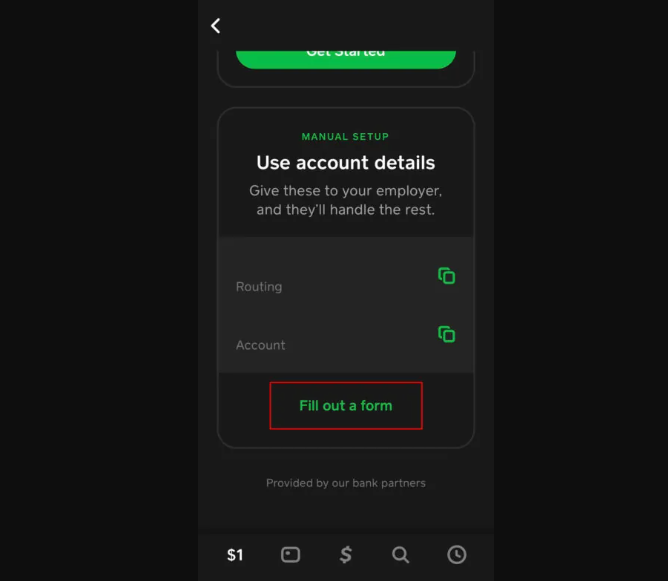
- Routing and Account Numbers: When you set up direct deposit with Cash App, the routing and account numbers provided are associated with Sutton Bank, not Cash App directly. This allows employers and other entities to send funds directly to your Cash App balance, which is held at Sutton Bank.
- Debit Card Issuance: Sutton Bank is the issuer of the physical and virtual Cash Cards. This provides the card with the necessary Visa network privileges and ensures it operates within the established financial regulatory framework.
- Compliance: Sutton Bank, as a regulated financial institution, ensures that the banking services offered through Cash App comply with various federal and state banking laws, including anti-money laundering (AML) and know-your-customer (KYC) regulations.
This partnership is a prime example of a “bank-as-a-service” model, where traditional banks provide the regulated infrastructure that FinTechs can build their user-facing applications upon.
FDIC Insurance and User Funds
One of the most critical aspects of Cash App’s banking relationship for users is the provision of FDIC insurance. The Federal Deposit Insurance Corporation (FDIC) is an independent agency of the United States government that protects depositors in the case of a bank failure. Because Cash App partners with Sutton Bank, a member of the FDIC, user funds held in their Cash App balance are generally eligible for pass-through FDIC insurance up to the standard maximum deposit insurance amount, which is currently $250,000 per depositor, per insured bank, for each account ownership category.
It’s crucial to understand that this insurance applies to funds held at Sutton Bank on your behalf. This means:
- Direct Deposit Balances: Money that you directly deposit into your Cash App balance, which is held by Sutton Bank, is typically covered.
- No Insurance for Investment Balances: Funds held in Cash App Investing for stocks or Bitcoin are not FDIC insured. These investments carry their own risks and are covered by different protections (e.g., SIPC for securities, but not for Bitcoin).
- Clarity on Ownership: While you interact with Cash App, the legal holder of your funds for FDIC insurance purposes is Sutton Bank. This arrangement provides a layer of security that mimics traditional bank accounts, despite Cash App not being a bank itself.
Distinguishing Cash App from a Traditional Bank
This partnership model highlights a fundamental distinction: Cash App is a technology company that facilitates financial services, not a chartered bank. Traditional banks are directly regulated and hold customer deposits themselves. Cash App, on the other hand, provides the user interface, the payment network, and the innovative features, while a partner bank handles the underlying regulated financial infrastructure. This distinction has several implications:
- Regulatory Scope: Cash App is primarily regulated as a money services business (MSB), whereas Sutton Bank is regulated as a traditional financial institution. This dual regulatory environment ensures consumer protection and financial stability.
- Service Offerings: While Cash App offers many services similar to banks (direct deposit, debit card), it typically lacks others, such as physical branches, loans (beyond specific small-dollar offerings), and complex wealth management products.
- Customer Support: The customer support experience can differ, as FinTechs often rely on app-based or online support, which may contrast with the multi-channel support (including in-person) offered by traditional banks.
Beyond Basic Banking: Specialised Financial Services
Cash App has evolved beyond simple peer-to-peer payments, venturing into more complex financial domains like investing. These expanded services often necessitate partnerships with additional, specialized financial institutions.
Cash App Investing and DriveWealth LLC
When Cash App introduced its investing feature, allowing users to buy and sell stocks and Bitcoin, it partnered with another entity to handle these specific transactions: DriveWealth LLC.
- Securities Brokerage: DriveWealth LLC is a registered broker-dealer and a member of FINRA (Financial Industry Regulatory Authority) and SIPC (Securities Investor Protection Corporation). For stock investments made through Cash App, DriveWealth acts as the executing broker, holding the securities on behalf of Cash App users.
- SIPC Protection: Unlike FDIC insurance for bank deposits, investments in securities are protected by SIPC. SIPC protects customers against the loss of cash and securities held by a customer at a failed brokerage firm, up to $500,000 (including $250,000 for cash). This does not protect against market fluctuations or investment losses.
- Bitcoin Custody: For Bitcoin investments, the situation is different. Bitcoin and other cryptocurrencies are not considered securities and are not protected by SIPC or FDIC insurance. Cash App acts as a facilitator, allowing users to buy and sell Bitcoin, which it holds on their behalf. The custody of Bitcoin often involves specialized third-party custodians or Cash App’s internal systems, with security measures designed for digital assets.
This multi-partner approach demonstrates how FinTechs can build a diverse financial ecosystem by integrating various specialized providers, each bringing their expertise and regulatory compliance to a specific financial product.
Lending and Other Financial Products
While not a primary focus of “what is Cash App’s bank name,” it’s worth noting that Cash App may also explore or offer other financial products, some of which might involve further banking partnerships. For instance, some users have reported access to small-dollar lending features through Cash App. These types of credit products, if offered on a broader scale, would likely involve another regulated lending institution or a specific licensing structure to ensure compliance with lending laws and regulations. The modular nature of FinTech partnerships allows for flexible expansion into new financial services as market demands and regulatory frameworks evolve.
The Regulatory and Security Implications for Users
Understanding Cash App’s banking partners is not merely academic; it has direct implications for the security, protection, and regulation of your money. For users, navigating these nuances is key to responsible financial management.
FDIC Protection: What It Means for Your Money
As mentioned, Sutton Bank’s FDIC membership extends insurance to the funds you hold in your Cash App balance. This is a critical safety net.

- Peace of Mind: Knowing your funds are FDIC-insured up to $250,000 provides a level of security against the unlikely event of Sutton Bank’s failure.
- Limitations: It’s vital to remember the limitations. This insurance does not cover peer-to-peer transfers in transit, nor does it cover investment losses in stocks or Bitcoin. It specifically applies to your stored balance that is held at the partner bank.
- Account Ownership Categories: The $250,000 limit applies per depositor, per insured bank, for each account ownership category. This means if you have other accounts directly with Sutton Bank, your total combined balance across all accounts within the same ownership category will be subject to the single $250,000 limit.
Safeguarding Funds: User Responsibilities and Cash App’s Measures
While partner banks provide regulatory compliance and insurance, the day-to-day security of your Cash App account largely depends on a combination of Cash App’s security features and your personal diligence.
- Cash App’s Security: Cash App employs various security measures, including encryption, fraud detection algorithms, and optional security locks (PIN, Touch ID, Face ID). It also offers email and phone verification for transactions.
- User Best Practices: Users play a crucial role. This includes using strong, unique passwords, enabling multi-factor authentication, being wary of phishing attempts and scams, and regularly monitoring account activity. Never share your login credentials or personal information with unverified sources.
- Fraud and Disputes: In cases of unauthorized transactions or disputes, Cash App has mechanisms for reporting and investigation. However, the resolution process might differ from what you’d experience with a traditional bank, especially for peer-to-peer payments which are often irreversible once sent to the correct recipient.
Navigating Customer Support and Dispute Resolution
The nature of FinTech-bank partnerships can sometimes create a slightly more complex customer support landscape.
- First Point of Contact: For most issues relating to the Cash App interface, transactions, or features, Cash App’s in-app support or website is your primary contact.
- Banking-Specific Issues: For specific issues directly related to the underlying banking services (e.g., disputes related to the Cash Card that require Visa network intervention, or problems with direct deposit routing), Cash App may need to liaise with Sutton Bank.
- Clarity on Responsibility: Understanding who is responsible for different aspects of your service (Cash App for the app experience, Sutton Bank for the underlying funds, DriveWealth for investments) helps in directing inquiries and understanding resolution processes.
The FinTech Partnership Model: An Industry Standard
The model employed by Cash App – partnering with traditional banks for regulatory compliance and infrastructure – is not an anomaly; it’s the standard operating procedure for much of the FinTech industry.
Why FinTechs Rely on Traditional Banks
FinTech companies choose this partnership approach for several compelling reasons:
- Regulatory Compliance: Obtaining a full banking charter is an incredibly arduous, time-consuming, and expensive process. Partnering with an already chartered bank allows FinTechs to quickly offer regulated financial services without the immense overhead of becoming a bank themselves.
- Established Infrastructure: Traditional banks possess robust, albeit sometimes legacy, infrastructure for transaction processing, anti-fraud measures, and account management. FinTechs can tap into this proven framework.
- Trust and Credibility: The financial sector is built on trust. Partnering with FDIC-insured banks lends immediate credibility and consumer confidence to FinTech offerings.
- Cost Efficiency: It’s generally more cost-effective for a FinTech startup to integrate with an existing bank’s services than to build everything from scratch and navigate the full regulatory landscape independently.
The Benefits of this Hybrid Model
This hybrid model benefits both sides and, ultimately, consumers:
- Innovation and Accessibility: FinTechs bring innovation, user-friendly interfaces, and often lower fees, making financial services more accessible to a broader audience.
- Modernization for Banks: Traditional banks get to participate in the digital revolution, reach new customer segments, and generate new revenue streams without having to develop all the cutting-edge technology themselves.
- Consumer Choice: Users gain a wider array of financial tools and services, combining the convenience of technology with the security of regulated financial institutions.
Future Trends in FinTech-Bank Collaborations
The relationship between FinTechs and traditional banks is continuously evolving. We can expect to see further developments such as:
- Embedded Finance: Financial services becoming seamlessly integrated into non-financial platforms (e.g., buy now, pay later options at checkout, or insurance built into car purchases).
- Open Banking and APIs: Increased data sharing and interoperability between financial institutions and third-party developers, leading to more personalized and integrated financial experiences.
- Regulatory Sandboxes: Regulators creating environments where FinTechs can test innovative products under lighter oversight, potentially leading to new types of hybrid financial services.
Maximizing Your Financial Experience with Cash App
Armed with the knowledge of Cash App’s banking partners, users can make more informed decisions and leverage the platform more effectively within their personal finance strategy.
Strategic Use of Cash App’s Features
Understanding that Sutton Bank provides the underlying banking for your Cash App balance allows you to strategically utilize features like:
- Direct Deposit: You can confidently use the routing and account numbers to receive paychecks, government benefits, or tax refunds, knowing the funds are managed by an FDIC-insured institution.
- Budgeting: Use the Cash Card for daily spending and track expenses within the app, treating it as a convenient digital wallet backed by a traditional bank.
- Investing: Be mindful that stock and Bitcoin investments, while convenient, carry different risk profiles and protections than your cash balance. Integrate these into a broader investment strategy, understanding they are handled by DriveWealth LLC and other specialized entities.

Integrating Cash App into Your Personal Finance Strategy
Cash App is an excellent tool, but it often works best as part of a diversified financial strategy rather than a sole financial institution for most users.
- Complement, Not Replace: For many, Cash App complements a traditional bank account, offering quick payments and spending convenience without fully replacing the need for comprehensive banking services like loans, mortgages, or complex savings products.
- Emergency Funds: While your Cash App balance is FDIC-insured, for large emergency funds, some may prefer the direct relationship with a traditional bank or credit union.
- Financial Literacy: Continuously educate yourself on the terms of service, security features, and the specific protections (FDIC, SIPC) associated with each feature you use on Cash App.
In conclusion, “what is Cash App’s bank name?” leads to Sutton Bank for its core banking services and Cash Card, with DriveWealth LLC handling its investing features. This multi-partner FinTech model allows Cash App to deliver a suite of innovative and convenient financial tools, backed by the regulatory compliance and insurance of traditional financial institutions. For users, this understanding empowers more informed financial decisions, ensuring both convenience and peace of mind in the rapidly evolving world of digital money.
aViewFromTheCave is a participant in the Amazon Services LLC Associates Program, an affiliate advertising program designed to provide a means for sites to earn advertising fees by advertising and linking to Amazon.com. Amazon, the Amazon logo, AmazonSupply, and the AmazonSupply logo are trademarks of Amazon.com, Inc. or its affiliates. As an Amazon Associate we earn affiliate commissions from qualifying purchases.