
In the rapidly evolving landscape of financial technology, few platforms have disrupted traditional banking as effectively as Cash App. Developed by Block, Inc. (formerly Square), Cash App has transformed from a simple peer-to-peer (P2P) payment tool into a multifaceted financial ecosystem. For millions of users, it serves as a primary vehicle for sending money, receiving paychecks, investing in the stock market, and even entering the world of cryptocurrency. This guide explores the depths of Cash App through the lens of personal finance, examining how it functions as a modern tool for wealth management and daily transactions.

The Evolution of Digital Peer-to-Peer Payments
At its core, Cash App was designed to solve a friction point in the economy: the difficulty of moving money between individuals quickly and securely. Before the advent of P2P apps, settling a dinner bill or paying a roommate for rent involved physical cash, checks, or cumbersome bank transfers that could take days to clear. Cash App introduced a streamlined interface that made digital liquid capital as mobile as a text message.
The Mechanics of Sending and Receiving Funds
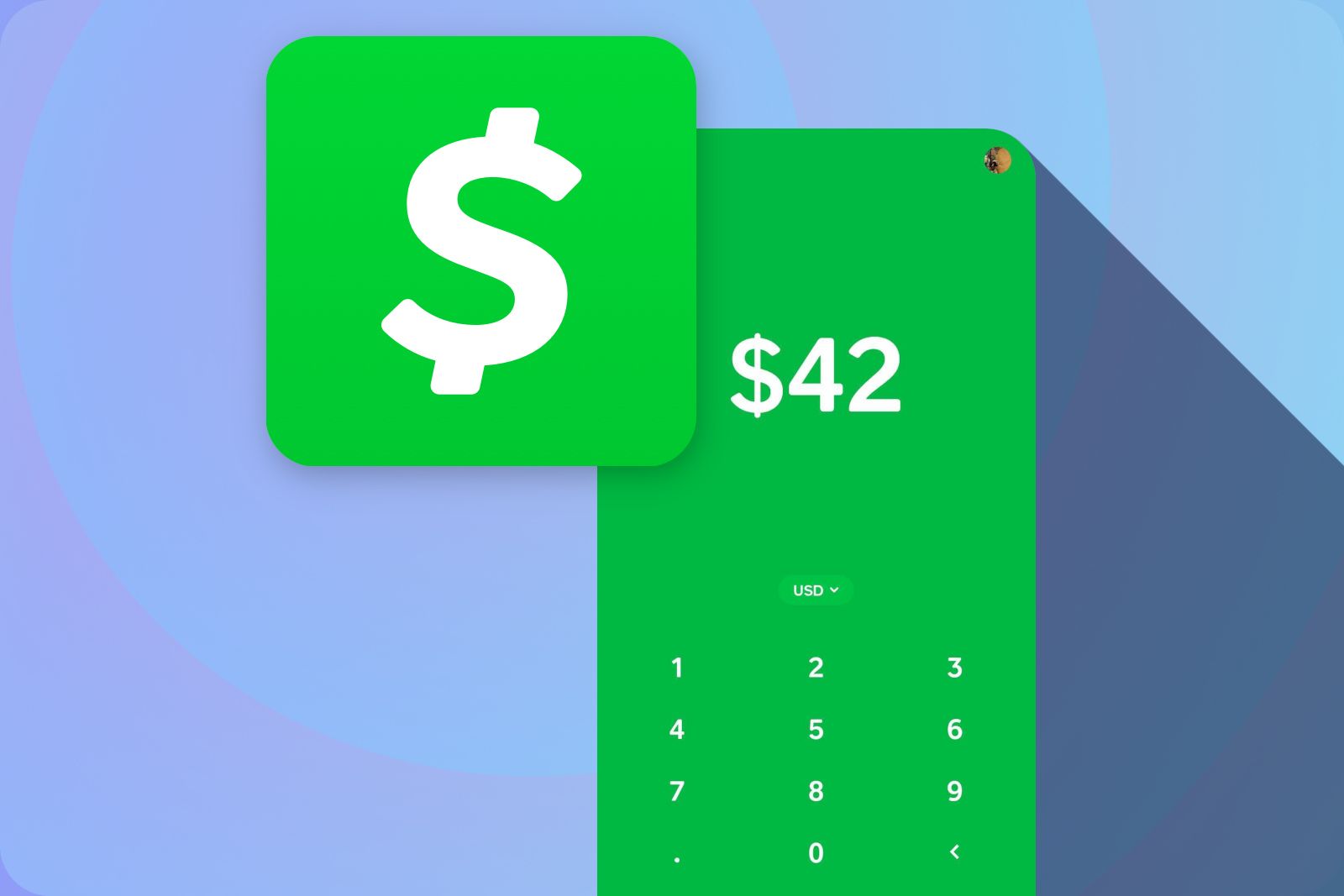
The primary utility of Cash App is the ability to send and receive money instantly. Unlike traditional wire transfers, which require routing and account numbers, Cash App utilizes a unique identifier known as a “$Cashtag.” By creating a personalized username, users can exchange funds without sharing sensitive banking details. This layer of abstraction provides a level of privacy and ease that has made it a favorite for casual transactions and gig-economy payments alike.
Instant Deposits vs. Standard Transfers
From a financial management perspective, liquidity is king. Cash App offers two ways to move money from the app to a linked bank account. The standard transfer is free and typically takes one to three business days, mirroring the traditional ACH process. However, for users who need immediate access to their capital, the “Instant Deposit” feature allows for the transfer of funds to a debit card within seconds for a small percentage-based fee. This choice allows users to balance their need for speed against their desire to minimize transaction costs.
More Than a Wallet: Cash App as a Banking Alternative
While many view Cash App as a secondary tool, it has increasingly positioned itself as a legitimate alternative to traditional retail banking. By offering features traditionally reserved for checking accounts, it caters to both the banked and the unbanked populations, providing a digital-first approach to money management.
Direct Deposits and Early Access to Wages
One of the most significant shifts in Cash App’s utility was the introduction of routing and account numbers for its users. This allows the platform to accept direct deposits from employers. For many users, the primary financial incentive is the “Early Paycheck” feature. Because Cash App processes these deposits as soon as they are notified by the employer—rather than waiting for traditional settlement periods—users can often access their wages up to two days earlier than they would at a legacy bank.
The Cash Card and “Boost” Rewards
To bridge the gap between digital balances and real-world spending, Cash App offers the “Cash Card.” This is a customizable Visa debit card linked directly to the user’s Cash App balance. From a personal finance strategy standpoint, the most compelling feature of the Cash Card is “Boosts.” These are instant discount rewards applied to purchases at specific merchants, such as coffee shops, grocery stores, or gas stations. Unlike traditional credit card points that require redemption, Boosts provide immediate savings, effectively increasing the purchasing power of the user’s balance.
Savings Features and Goal Setting
Recognizing that a healthy financial life requires more than just spending, Cash App has integrated a dedicated “Savings” tab. This allows users to separate their spending money from their long-term goals. While it may not offer the high-yield interest rates of specialized online savings accounts, the psychological benefit of “bucketing” money within the same ecosystem where one receives their paycheck cannot be overstated. It encourages the habit of paying oneself first before discretionary spending begins.
Investing and Wealth Building via Cash App
Perhaps the most revolutionary aspect of Cash App is its democratization of the financial markets. Historically, investing in stocks or commodities required a brokerage account, often with minimum balance requirements and complex interfaces. Cash App has stripped away these barriers, making wealth-building tools accessible to the average consumer.
Fractional Stock Trading
Cash App Investing allows users to buy stocks in some of the world’s largest companies with as little as $1. This is made possible through fractional shares. In a traditional brokerage, an investor might be unable to buy a single share of a high-priced tech stock. On Cash App, that same investor can put $5 toward that stock, owning a small piece of the company. This lowers the “barrier to entry” for young or lower-income investors, allowing them to benefit from market growth and compound interest that was previously out of reach.
The Bitcoin Ecosystem
Cash App was one of the first major mainstream financial apps to embrace Bitcoin. For many, it serves as the primary gateway into the world of cryptocurrency. Users can buy, sell, and even withdraw Bitcoin to external private wallets. From a financial planning perspective, Cash App’s “Auto-Invest” feature for Bitcoin is particularly noteworthy. It allows for dollar-cost averaging—automatically purchasing a set amount of Bitcoin at regular intervals—which is a proven strategy to mitigate the volatility inherent in the crypto market.
Understanding the Costs: Fees, Limits, and Business Accounts
No financial tool is without its costs, and understanding the fee structure of Cash App is essential for maintaining a healthy bottom line. While many of the app’s features are free, certain convenience-based services and specific account types carry charges that can add up over time.
Navigating Transaction Fees
Cash App is largely free for personal use when sending money from a linked bank account or debit card. However, there are three primary areas where fees apply:
- Credit Card Payments: Sending money using a linked credit card incurs a 3% fee, which covers the processing costs charged by credit card networks.
- Instant Deposits: As mentioned previously, moving money from the app to a bank account instantly typically costs 0.5% to 1.75% of the transfer amount.
- Bitcoin Transactions: Buying and selling Bitcoin involves a service fee and a volatility margin. These are displayed at the time of the transaction and vary based on market conditions.
Cash App for Business
For entrepreneurs and side-hustlers, Cash App offers “Business Accounts.” These accounts allow users to accept unlimited payments for goods and services. However, these accounts are subject to a 2.75% processing fee on all received payments. While this is competitive with other payment processors like PayPal or Square, it is a crucial consideration for small business owners calculating their profit margins. Business accounts also handle the tax documentation (such as Form 1099-K) required by the IRS, simplifying the financial overhead for self-employed individuals.
Security and Financial Literacy in the Digital Age
As with any platform that handles liquid assets, security is a paramount concern. Cash App employs several layers of protection, including encryption and “Security Locks” (PIN or biometric entry). However, the human element remains the most significant variable in financial safety.
Protecting Your Digital Capital
Because Cash App transactions are instantaneous and generally irreversible, the platform is often targeted by scammers. From a financial literacy standpoint, it is vital to treat a Cash App balance like physical cash. Users should only send money to people they know and trust. Furthermore, while Cash App is not a bank itself, the funds held in the app are insured by the FDIC through partner banks (like Lincoln Savings Bank or Wells Fargo), provided the user has a verified Cash Card. Understanding these nuances is key to ensuring that one’s digital wealth is protected against both technical failure and fraudulent activity.
The Importance of Monitoring and Auditing
Finally, using Cash App effectively requires the same discipline as any other bank account. Users should regularly review their transaction history to track spending patterns and ensure no unauthorized charges have occurred. By integrating Cash App data into a broader budget—whether through manual tracking or third-party budgeting software—users can gain a holistic view of their financial health, ensuring that the convenience of the app does not lead to mindless spending.
Conclusion
Cash App has redefined the relationship between the consumer and their money. By collapsing the walls between peer-to-peer payments, traditional banking, and investment brokerage, it has created a “one-stop shop” for the digital economy. Whether you are using it to split a pizza tab, receive your salary, or build a portfolio of Bitcoin and blue-chip stocks, the platform offers an unprecedented level of financial flexibility. As with any financial tool, the key to success lies in understanding its mechanics, leveraging its rewards, and remaining vigilant about the costs and security risks associated with the digital movement of capital. In the modern era, Cash App isn’t just an app; it is a comprehensive engine for personal finance.
aViewFromTheCave is a participant in the Amazon Services LLC Associates Program, an affiliate advertising program designed to provide a means for sites to earn advertising fees by advertising and linking to Amazon.com. Amazon, the Amazon logo, AmazonSupply, and the AmazonSupply logo are trademarks of Amazon.com, Inc. or its affiliates. As an Amazon Associate we earn affiliate commissions from qualifying purchases.