
In the intricate landscape of modern personal finance, credit cards have evolved far beyond mere tools for transactional convenience. Among the plethora of options available, cash back rewards credit cards stand out as a particularly attractive proposition for consumers seeking to derive tangible value from their everyday spending. These cards offer a straightforward and accessible way to “get paid back” for purchases, providing a percentage of money spent directly back to the cardholder. Far from being a niche offering, cash back programs have become a cornerstone of the credit card industry, appealing to a broad spectrum of individuals eager to make their money work harder.
This comprehensive guide will delve into the world of cash back rewards credit cards, demystifying their mechanics, exploring the various types available, outlining their benefits and potential drawbacks, and providing actionable insights on how to choose and manage them effectively. Whether you’re a seasoned credit card user or new to the financial scene, understanding cash back can empower you to optimize your spending and enhance your financial well-being.
Understanding the Fundamentals of Cash Back
At its core, a cash back rewards credit card is a financial product that returns a small percentage of the money you spend on eligible purchases back to you. It’s a form of loyalty program offered by credit card issuers to incentivize card usage and attract new customers. While the concept seems simple, a deeper dive reveals the underlying mechanisms and differentiations that make each card unique.
How Cash Back Works
The principle behind cash back is quite direct: when you use your cash back credit card to buy groceries, pay bills, shop online, or make any other qualified purchase, the credit card issuer calculates a percentage of that transaction value and allocates it as a reward to your account. This percentage, often ranging from 1% to 5% or even higher for specific categories, accumulates over time. Once a certain threshold is met or a statement cycle ends, these accumulated rewards become available for redemption.
The financial model underpinning cash back involves a delicate balance. Credit card companies earn revenue primarily through interest charges on outstanding balances, annual fees, and interchange fees (a small percentage paid by merchants for processing card transactions). A portion of these interchange fees is then passed back to the consumer in the form of cash back, creating a mutually beneficial ecosystem where issuers encourage spending, and consumers are rewarded for it.
The Mechanics of Earning Rewards
Earning cash back is generally an automatic process once you’ve activated your card and started making purchases. There are usually no extra steps required beyond using your card as you normally would. However, it’s crucial to understand that not all purchases may qualify for cash back, or they might qualify at different rates. For instance, balance transfers, cash advances, and payments for fees (like annual fees or late payment fees) typically do not earn cash back.
The rewards usually accrue in a dedicated rewards balance within your credit card account. This balance is updated periodically, often with each billing cycle, allowing you to track your earnings. The transparency of this system allows cardholders to monitor their progress and plan their redemptions strategically.
Distinguishing Cash Back from Other Rewards
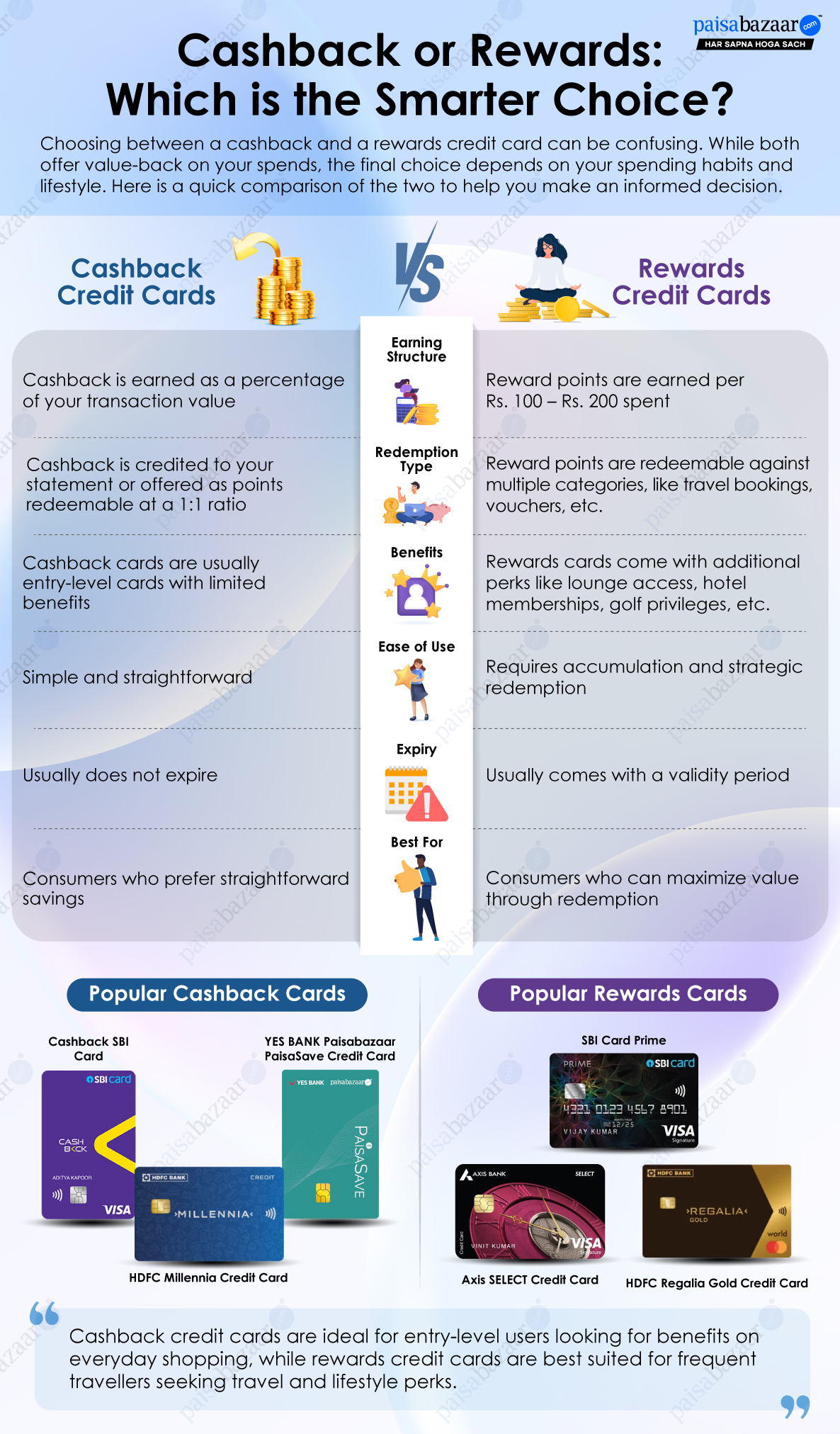
While cash back is a popular form of credit card reward, it’s important to differentiate it from other types, such as travel points or airline miles. Travel points often require redemption through specific travel portals or airline partners, offering varying value depending on how they are used. Airline miles are even more specialized, directly tied to specific airline loyalty programs.
Cash back, by contrast, offers unparalleled simplicity and flexibility. It’s essentially money that can be used however you see fit – applied as a statement credit, deposited into a bank account, used to purchase gift cards, or even sometimes used directly at checkout with certain retailers. This directness and versatility are major reasons for its widespread appeal, eliminating the complexities often associated with optimizing travel rewards.
Types of Cash Back Programs and Earning Strategies
Not all cash back cards are created equal. Issuers employ various structures to appeal to different spending habits and preferences. Understanding these different models is key to choosing a card that aligns with your financial lifestyle and maximizes your earning potential.
Flat-Rate Cash Back Cards
Flat-rate cash back cards are perhaps the simplest type. They offer a single, consistent percentage of cash back on every eligible purchase, regardless of the spending category. Common rates for flat-rate cards are 1.5% or 2%.
-
Pros: Simplicity and predictability. No need to track categories or activate rotating bonuses. Ideal for individuals with varied spending habits or those who prefer a “set it and forget it” approach.
-
Cons: May offer lower overall earning potential compared to category-specific cards if a significant portion of your spending falls into high-bonus categories.
Tiered or Category-Specific Cash Back Cards
These cards offer different cash back percentages for different spending categories. For example, a card might offer 3% back on groceries, 2% on gas and restaurants, and 1% on all other purchases. The higher percentages are typically reserved for categories where consumers tend to spend more.
-
Pros: Can yield higher rewards if your spending aligns with the bonus categories. Allows for strategic use of the card for specific types of purchases.
-
Cons: Requires some attention to spending categories. Missing out on a bonus category means earning at the lower base rate.
Rotating Category Cash Back Cards
Rotating category cards offer the highest cash back percentages (often 5%) but only on specific categories that change every quarter. For instance, one quarter might offer 5% on gas stations and streaming services, while the next quarter offers 5% on groceries and drugstores. These programs usually cap the amount of spending that can earn the bonus rate (e.g., $1,500 in quarterly spending), after which the rate drops to 1%.
-
Pros: Potential for significant cash back on targeted spending. Very rewarding for those who actively track and adapt their spending.
-
Cons: Requires active participation and activation of categories each quarter. Can be complex to manage if you use multiple cards. Not suitable for passive users.
Maximizing Your Earning Potential
To truly maximize cash back, a multi-card strategy can be highly effective. This involves using different cards for different types of purchases. For instance, you might use a flat-rate 2% card for all non-bonus spending, a tiered card for consistent high-spending categories like groceries, and a rotating category card for its quarterly bonuses. However, this strategy requires discipline and careful management to avoid overspending or missing payments. Always ensure that the effort required to manage multiple cards doesn’t outweigh the additional rewards earned.
Benefits and Potential Drawbacks
While cash back rewards credit cards offer an enticing way to save money, it’s crucial to consider both their advantages and potential pitfalls to ensure they align with your financial goals and habits.
Advantages of Cash Back Cards
-
Direct Savings: The most significant benefit is the direct reduction in your expenses. Cash back is essentially a discount on your everyday purchases, which can add up significantly over a year. This “found money” can then be used for savings, debt reduction, or discretionary spending.
-
Simplicity and Flexibility: Unlike points or miles, cash back is straightforward. Its value is always clear ($1 back equals $1), and it can typically be redeemed in various ways, offering more financial flexibility than other reward types.
-
No Blackout Dates or Travel Restrictions: You don’t have to worry about finding availability for flights or hotels, or navigating complex redemption portals. The cash is yours to use as you please.
-
Incentivizes Responsible Spending: For disciplined individuals who pay their balance in full each month, cash back cards reward good financial habits without incurring interest charges.
Considerations and Potential Pitfalls
-
Annual Fees: Some cash back cards, especially those with higher earning rates or premium benefits, come with an annual fee. You need to calculate whether the cash back you expect to earn will sufficiently offset this fee.
-
High Interest Rates (APRs): Cash back cards, like most rewards credit cards, often carry higher Annual Percentage Rates (APRs) compared to basic, no-frills cards. Carrying a balance on a cash back card can quickly negate any rewards earned due to accruing interest. The golden rule for cash back cards is to pay your balance in full every month.
-
Overspending Temptation: The allure of earning rewards can sometimes lead to overspending. If you find yourself buying things you don’t need just to earn cash back, you’re not gaining value; you’re losing money.
-
Complex Redemption Minimums: Some cards may have a minimum amount of cash back required before you can redeem your rewards (e.g., $25). While usually manageable, it’s something to be aware of.
-
Category Activation: For rotating category cards, forgetting to activate your bonus categories each quarter means missing out on potential high earnings, effectively reducing the card’s value.
Is a Cash Back Card Right for You?
A cash back card is an excellent financial tool for individuals who:
-
Consistently pay their credit card balance in full every month.
-
Are disciplined with their spending and won’t be tempted to overspend for rewards.
-
Prefer direct financial savings over travel perks or other complex rewards.
-
Want to simplify their rewards strategy.
If you frequently carry a balance or struggle with impulsive spending, the potential interest charges and debt accumulation will almost certainly outweigh any cash back rewards, making these cards a detrimental choice.
Choosing the Right Cash Back Credit Card
Selecting the optimal cash back credit card involves more than just picking the one with the highest percentage. It requires a thoughtful assessment of your personal spending habits, financial discipline, and specific needs.
Assessing Your Spending Habits
The first and most critical step is to analyze where you spend your money. Do you spend a lot on groceries, dining out, gas, or online shopping?
-
If your spending is highly concentrated in a few specific categories, a tiered or category-specific card might be ideal.
-
If your spending is more diversified and doesn’t lean heavily into any single category, a flat-rate cash back card will likely be more rewarding and easier to manage.
-
If you’re willing to actively manage quarterly categories and adapt your spending, a rotating category card could offer the highest returns.
Knowing your spending patterns prevents you from signing up for a card that offers great rewards in categories you rarely use.
Comparing Annual Fees and APRs
Always scrutinize the annual fee and the Annual Percentage Rate (APR).
-
Annual Fees: Many excellent cash back cards have no annual fee. If a card does charge one, ensure the value of the rewards you expect to earn significantly exceeds this fee. For instance, if a card has a $95 annual fee, you’d want to earn at least $100-$150 in cash back to make it worthwhile, assuming all other factors are equal.
-
APRs: While the goal with cash back cards is always to pay in full and avoid interest, understanding the APR is still important. It serves as a safety net in emergencies and indicates the cost if you ever do carry a balance. Look for a competitive APR, even if you don’t plan to use it.
Understanding Redemption Options
Different cards offer various ways to redeem your cash back. Common options include:
-
Statement Credit: Applying rewards directly to reduce your credit card bill. This is the most common and often preferred method.
-
Direct Deposit: Transferring rewards to your checking or savings account.
-
Gift Cards: Using rewards to purchase gift cards from popular retailers, sometimes at a slight bonus value.
-
Merchandise: Redeeming for products, though this often provides less value than direct cash back.
Prioritize cards that offer redemption options that are convenient and valuable to you. For most, direct deposit or statement credit offers the purest form of cash back.
Reading the Fine Print: Terms and Conditions
Before committing to a card, always read the full terms and conditions. Pay attention to:
-
Earning Caps: Some cards limit the amount of cash back you can earn in bonus categories or overall.
-
Expiration Dates: While most cash back rewards don’t expire as long as your account is open and in good standing, some programs might have expiration clauses.
-
Minimum Redemption Amounts: As mentioned, some cards require a minimum accrued balance before you can redeem your rewards.
-
Foreign Transaction Fees: If you travel internationally, ensure your card doesn’t charge high foreign transaction fees, which can quickly eat into your rewards.
Best Practices for Managing Cash Back Cards
Acquiring a cash back credit card is just the first step; effective management is crucial to maximize its benefits and avoid common financial pitfalls.
Paying Your Balance in Full
This is the golden rule for any rewards credit card, especially cash back cards. Interest charges on an outstanding balance will almost always negate any cash back you’ve earned, turning a beneficial tool into a financial liability. Treat your credit card like a debit card – only spend what you can afford to pay back before the due date.
Avoiding Interest Charges
Set up automatic payments for your full statement balance. This ensures you never miss a payment and never incur interest charges. If automatic payments aren’t feasible, mark your payment due dates on a calendar or set reminders to ensure timely payments. Regularly review your statements to catch any discrepancies or unauthorized charges promptly.
Monitoring Your Rewards and Redemption
Keep track of your accumulated cash back through your issuer’s online portal or mobile app. Understand when and how your rewards become available for redemption. Don’t let your rewards sit idle indefinitely, especially if there’s a chance they could expire (though this is rare for cash back). Redeem them periodically, perhaps once a quarter or when you hit a significant milestone, to realize their value.

Reviewing Your Card Annually
Take time once a year to assess whether your current cash back card still meets your needs.
-
Have your spending habits changed?
-
Are there newer, more rewarding cards on the market?
-
Is an annual fee still justified by the rewards you’re earning?
-
Has the card’s reward structure changed?
If your current card no longer serves you best, consider exploring alternatives or contacting your issuer to see if they can offer a better deal or product change. This proactive approach ensures you’re always getting the most out of your credit card strategy.
In conclusion, cash back rewards credit cards represent a powerful financial tool for the disciplined consumer. By understanding how they work, choosing the right card for your lifestyle, and managing it responsibly, you can transform your everyday spending into a consistent source of savings, enhancing your overall financial health and providing a tangible return on your purchases. Remember, the true value of a cash back card lies not just in the rewards it offers, but in the responsible financial habits it encourages.
aViewFromTheCave is a participant in the Amazon Services LLC Associates Program, an affiliate advertising program designed to provide a means for sites to earn advertising fees by advertising and linking to Amazon.com. Amazon, the Amazon logo, AmazonSupply, and the AmazonSupply logo are trademarks of Amazon.com, Inc. or its affiliates. As an Amazon Associate we earn affiliate commissions from qualifying purchases.