
In the rapidly evolving landscape of personal finance, the transition from physical currency to digital transactions is no longer a futuristic concept—it is the current standard. At the forefront of this shift is Cash App, a mobile payment service that has redefined how millions of individuals manage, spend, and invest their money. Developed by Block, Inc. (formerly Square, Inc.), Cash App has grown from a simple peer-to-peer (P2P) payment tool into a multifaceted financial ecosystem.
For the modern consumer, understanding what Cash App is requires looking beyond its primary function of “sending money.” It represents a significant shift toward the “democratization of finance,” offering tools that were once reserved for traditional banking institutions or specialized brokerage firms. Whether you are looking to split a dinner bill, invest in the stock market, or receive your paycheck early, Cash App serves as a comprehensive portal for personal financial management.

The Fundamentals of Cash App as a Financial Tool
At its core, Cash App is a financial services platform that facilitates the instantaneous transfer of funds between users. In the “Money” niche, its primary value proposition is liquidity and ease of access. Unlike traditional wire transfers or bank ACH moves that can take days to clear, Cash App transactions typically occur in real-time.
Bridging the Gap Between Banking and Convenience
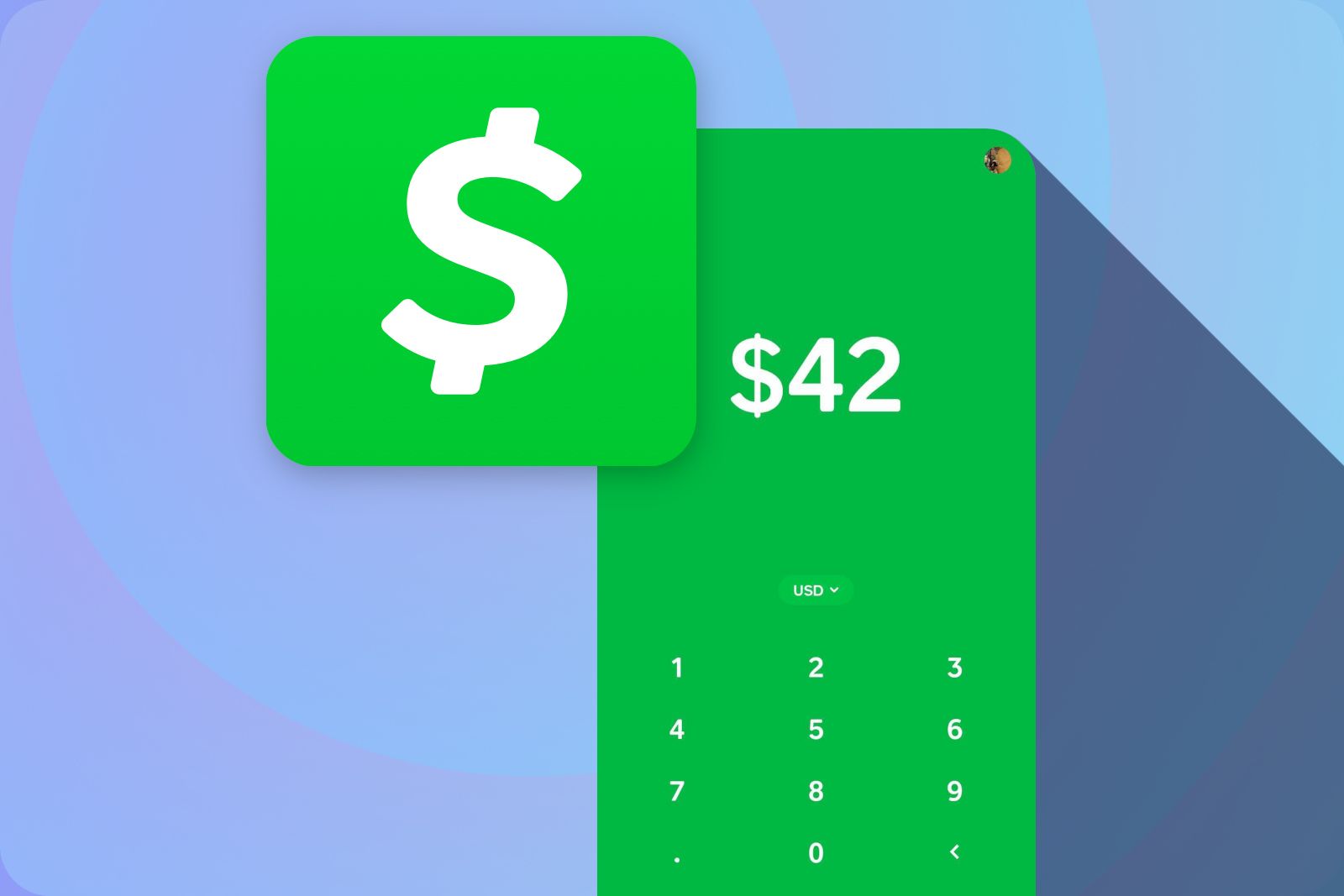
For many users, Cash App serves as an entry point into the financial system. It operates via a “Cashtag”—a unique username that allows users to send and receive money without sharing sensitive bank account numbers or routing details. This layer of abstraction provides a level of privacy and convenience that traditional banking lacks. By linking a debit card or bank account, users can “cash in” (upload funds to the app) or “cash out” (transfer app balances back to their bank), creating a seamless bridge between their digital wallet and their traditional financial accounts.
How Cash App Redefines Personal Finance
The utility of Cash App extends into the realm of budgeting and micro-transactions. Because it allows for the transfer of small amounts—down to a single dollar—it encourages a more fluid approach to sharing expenses. From a personal finance perspective, this reduces the friction of “owing” money to friends or family, which can often be a point of stress in financial planning. The app’s interface is designed for speed, ensuring that financial obligations are met the moment they arise, rather than being deferred.
Managing Your Daily Cash Flow: The Cash Card and Direct Deposits
As Cash App matured, it moved beyond P2P transfers to challenge the traditional banking model. By offering features that mimic a checking account, it has become a primary financial hub for the “unbanked” and “underbanked” populations, as well as tech-savvy consumers looking for more flexibility.
The Cash Card: A Debit Card with Benefits
One of the most significant financial tools within the app is the Cash Card. This is a customizable Visa debit card linked directly to a user’s Cash App balance. Unlike traditional bank cards, the Cash Card is free to order and allows users to spend their digital balance at any merchant that accepts Visa, both online and in-store.
From a money-saving perspective, the “Cash Boost” program is perhaps the most compelling feature of the card. Users can select specific “Boosts”—instant discount offers at popular retailers, coffee shops, and grocery stores. Unlike traditional credit card rewards that require users to accumulate points over months, Boosts provide immediate financial gratification by lowering the transaction cost at the point of sale.
Direct Deposit and Early Payday Perks
To further cement its status as a financial tool, Cash App provides users with a routing and account number. This enables the setup of direct deposits for paychecks, tax refunds, and government stimulus payments. A major advantage here is the “Early Payday” feature, which often allows users to access their funds up to two days earlier than they would with a traditional bank. In terms of cash flow management, having access to capital 48 hours early can be a critical factor in avoiding late fees on bills or managing emergency expenses.
Expanding Your Portfolio: Investing through Cash App
Perhaps the most disruptive aspect of Cash App is its integration of wealth-building tools. By lowering the barrier to entry for the stock market and cryptocurrency, the platform has turned casual spenders into active investors.
Fractional Stock Trading for Beginners
Historically, investing in the stock market required a significant amount of capital to purchase full shares of high-value companies. Cash App utilizes “fractional shares,” allowing users to invest as little as $1 in their favorite companies. This is a game-changer for personal finance, as it promotes the concept of “Dollar Cost Averaging” (DCA). Even those with limited disposable income can start building a portfolio, benefiting from market growth and dividends without needing thousands of dollars to start.
Bitcoin Integration: Entering the Crypto Market
Cash App was one of the first major financial apps to embrace Bitcoin. It allows users to buy, sell, and even send Bitcoin to other users or external wallets. For those looking to diversify their assets, the app provides a simplified gateway into the world of digital currency. It includes features like “Paid in Bitcoin,” which automatically invests a percentage of a user’s direct deposit into the cryptocurrency, automating the process of wealth accumulation in the digital asset space.
Automated Savings and Financial Discipline
Within the app, the “Savings” feature allows users to set aside money specifically for goals. By separating “spending money” (the main balance) from “savings,” the app helps users visualize their progress toward financial milestones. When combined with the “Round Ups” feature—which rounds up every Cash Card purchase to the nearest dollar and invests the change into a stock or Bitcoin—the app turns passive consumption into active saving.
Security, Privacy, and Financial Safety
In the realm of money management, security is paramount. As a digital financial tool, Cash App employs several layers of protection to ensure that user funds and data remain secure.
Understanding FDIC Coverage and Cash App
A common question in personal finance is whether digital wallets are as safe as traditional banks. While Cash App is not a bank itself, its banking services are provided by partner banks (such as Lincoln Savings Bank or Community Federal Savings Bank). Funds held in Cash App that are associated with a Cash Card are FDIC-insured up to $250,000 through these partner institutions. This provides a safety net similar to that of a standard checking account, giving users peace of mind regarding the solvency of their digital holdings.
Protecting Your Digital Assets
Cash App incorporates high-level encryption and safety features such as Security Locks (requiring FaceID, TouchID, or a PIN for every transaction) and instant text/email notifications for all account activity. From a financial security standpoint, the ability to “Lock” the Cash Card instantly from the app if it is lost or stolen is a vital feature. This immediate control prevents unauthorized spending and protects the user’s liquidity in a way that often requires a phone call and a long wait time with traditional banks.
Maximizing Value: Strategic Use of the Cash App Ecosystem
To truly benefit from Cash App, users must approach it with a strategic mindset. It is not merely a place to hold money; it is a tool to be optimized for maximum financial efficiency.
Leveraging Instant Discounts
The “Boost” system mentioned earlier is one of the most effective ways to save money on daily expenses. By strategically switching Boosts based on current needs—such as applying a 10% discount for groceries one day and a discount on a ride-share service the next—users can shave hundreds of dollars off their annual expenditures. In the context of a strict budget, these micro-savings add up to significant capital that can be redirected into the app’s investing features.
Strategic Spending for the Modern Consumer
Cash App also offers a “Taxes” feature (formerly Credit Karma Tax), which allows users to file their federal and state taxes for free directly through the app. This further consolidates the financial journey: earning money through direct deposit, managing it through the Cash Card, growing it through investing, and finally, settling tax obligations—all within a single interface.
In conclusion, “What is Cash App?” is a question with a multi-layered answer. It is a peer-to-peer payment system, a banking alternative, an investment platform, and a savings tool. By integrating these various facets of personal finance into a streamlined mobile experience, it has empowered individuals to take greater control of their financial destinies. Whether you are a student managing a small budget or a professional looking for a versatile way to invest and spend, Cash App represents the modern evolution of money management—fast, accessible, and increasingly essential in a digital-first world.
aViewFromTheCave is a participant in the Amazon Services LLC Associates Program, an affiliate advertising program designed to provide a means for sites to earn advertising fees by advertising and linking to Amazon.com. Amazon, the Amazon logo, AmazonSupply, and the AmazonSupply logo are trademarks of Amazon.com, Inc. or its affiliates. As an Amazon Associate we earn affiliate commissions from qualifying purchases.