
In the rapidly evolving landscape of personal finance, applications like Cash App have become indispensable tools for millions. From peer-to-peer payments to direct deposits and even stock investing, Cash App offers a comprehensive suite of financial services. However, a common question often arises among its users: “What is Cash App’s bank called?” This query, seemingly simple, uncovers a fundamental aspect of how modern financial technology (fintech) operates. The answer is not a single bank, but rather a strategic network of traditional financial institutions that enable Cash App to offer its diverse services while adhering to strict regulatory requirements. Understanding these partnerships is crucial for anyone relying on fintech for their daily financial needs, offering clarity on everything from FDIC insurance to the mechanisms of direct deposit.
The Core Question: Is Cash App a Bank?
The first and most important distinction to make is that Cash App, despite offering many bank-like services, is not a bank in the traditional sense. It does not hold a banking license itself, nor is it chartered as a bank by federal or state regulators. This fundamental difference shapes how Cash App operates and why its banking partnerships are so vital.
Understanding Cash App’s Role as a FinTech Company
Cash App is a product of Block, Inc. (formerly Square, Inc.), a financial technology company. Its primary role is to develop innovative software and platforms that simplify financial transactions and make them more accessible. This involves creating user-friendly interfaces, robust security protocols, and efficient payment processing systems. Think of Cash App as the digital front-end that facilitates your financial activities, while the regulated banking partners operate behind the scenes, providing the actual banking infrastructure required by law.
Fintech companies like Cash App bridge the gap between cutting-edge technology and established financial services. They often excel at user experience and speed, but they still rely on the foundational framework provided by licensed banks for critical functions such as holding customer deposits, issuing debit cards, and processing transactions through the established financial networks (like the ACH network for direct deposits or Visa/Mastercard for card transactions). This model allows fintechs to innovate without the immense regulatory burden and capital requirements associated with operating as a full-fledged bank.
The Regulatory Landscape: Why Banks are Essential
The financial industry is one of the most heavily regulated sectors globally, designed to protect consumers and maintain systemic stability. Banks are subject to stringent oversight from various government agencies, including the Federal Reserve, the Office of the Comptroller of the Currency (OCC), and the Federal Deposit Insurance Corporation (FDIC). These regulations cover everything from capital reserves and lending practices to consumer protection and anti-money laundering (AML) compliance.
Since Cash App is not a bank, it cannot directly perform many of these regulated activities. For instance, it cannot legally hold customer funds in a way that qualifies for FDIC insurance, nor can it directly issue debit cards that operate on major payment networks. This is where the banking partnerships come into play. By collaborating with chartered banks, Cash App can legally offer services like direct deposit and debit cards because these services are provided by the partner bank, with Cash App acting as the technological interface and service provider. This symbiotic relationship ensures that users benefit from innovative financial tools while still being protected by the existing regulatory framework.
Unveiling Cash App’s Banking Partners
To deliver its suite of financial services, Cash App collaborates with specific chartered banks. These partnerships are critical for various functions, from holding user balances to facilitating card transactions. The primary banking partners that underpin Cash App’s operations are Sutton Bank and Lincoln Savings Bank.
Sutton Bank: A Key Player in Cash App’s Operations
Sutton Bank is one of the most significant financial institutions behind Cash App, particularly when it comes to the Cash Card. Located in Attica, Ohio, Sutton Bank is a state-chartered, FDIC-insured bank. Its role with Cash App is primarily focused on the issuance and management of the Cash Card, which is a Visa debit card. When you use your Cash Card for purchases, the transactions are processed through Sutton Bank.
This partnership is crucial because only a licensed bank can issue debit cards that operate on major payment networks like Visa. Sutton Bank provides the necessary banking infrastructure and regulatory compliance, allowing Cash App to offer its users a physical (and virtual) card linked to their Cash App balance. This means that while you manage your funds and transactions through the Cash App interface, the underlying financial services for your Cash Card are facilitated by Sutton Bank. It’s Sutton Bank’s routing and account number that are often associated with your Cash App account when setting up direct deposits, making it a critical intermediary for many users.
Lincoln Savings Bank: Expanding the Financial Infrastructure
Another important banking partner for Cash App is Lincoln Savings Bank, based in Reinbeck, Iowa. Also an FDIC-insured, state-chartered bank, Lincoln Savings Bank plays a role in facilitating certain aspects of Cash App’s services, particularly regarding the handling of user funds and certain direct deposit capabilities. The involvement of multiple banking partners allows fintech companies like Cash App to diversify their infrastructure, potentially enhance resilience, and comply with various regulatory nuances across different service offerings.
The precise division of responsibilities between Sutton Bank and Lincoln Savings Bank can be complex and may evolve over time. However, the overarching principle remains: these banks provide the regulated financial bedrock upon which Cash App’s digital services are built. Their involvement ensures that funds are held in compliant accounts, transactions are processed legitimately, and regulatory obligations are met, even as the user interacts primarily with the Cash App interface.
How These Partnerships Enable Cash App Services
These banking partnerships are the backbone for a variety of Cash App’s core services:
- Cash Card Issuance: As mentioned, Sutton Bank issues the Cash Card, enabling users to spend their Cash App balance like a traditional debit card.
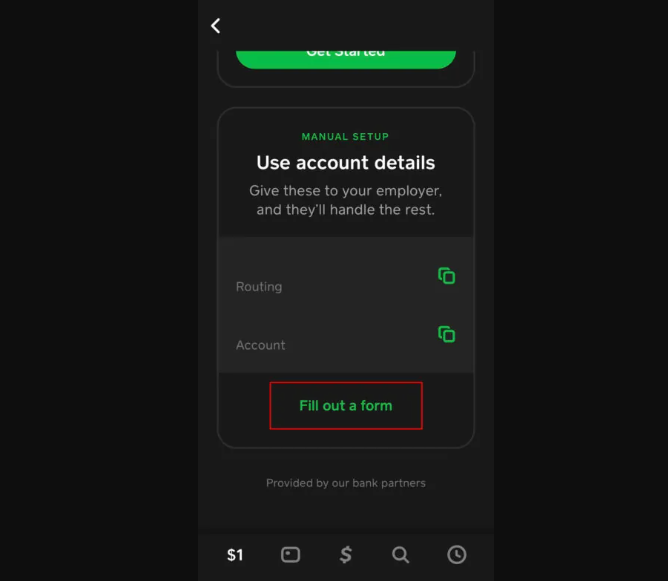
- Direct Deposit: For users to receive paychecks, tax refunds, or other direct deposits into their Cash App account, a routing number and account number are required. These numbers are provided by the partner banks (often Sutton Bank or Lincoln Savings Bank), allowing Cash App to integrate with the Automated Clearing House (ACH) network—the electronic funds transfer system used by banks in the U.S.
- Holding User Funds: While Cash App provides the interface, your funds are ultimately held in accounts at these partner banks, often in an omnibus account structure where individual user balances are tracked digitally by Cash App. This is critical for FDIC insurance eligibility.
- Regulatory Compliance: The banks ensure that all transactions and fund management practices comply with federal and state banking laws, including anti-money laundering (AML) and know-your-customer (KYC) regulations.
The Mechanics Behind Your Cash App Account

Understanding the role of Cash App’s banking partners sheds light on the practical mechanics of how your funds are managed and protected. It clarifies how services that feel like traditional banking are delivered through a fintech platform.
Routing Numbers and Account Numbers: Connecting to the Traditional Banking System
When you set up direct deposit with Cash App, you are provided with a routing number and an account number. These aren’t unique to Cash App itself but belong to its banking partners, most commonly Sutton Bank or Lincoln Savings Bank. The routing number identifies the financial institution that will receive the funds, while the account number specifies the particular account at that institution where the money should be deposited.
For Cash App users, these numbers link their digital Cash App balance to the traditional banking infrastructure. When an employer or government agency initiates a direct deposit using these numbers, the funds are routed through the ACH network to Cash App’s partner bank. The bank then notifies Cash App, which credits the corresponding amount to the user’s individual Cash App balance within their digital ledger. This system seamlessly integrates the modern fintech experience with the robust, regulated financial backbone of the traditional banking system.
FDIC Insurance: Protecting Your Funds
A crucial benefit of Cash App’s partnership with FDIC-insured banks is the extension of FDIC protection to eligible user funds. The FDIC (Federal Deposit Insurance Corporation) is an independent agency of the U.S. government that protects bank depositors in the event of a bank failure. Because Cash App partners with Sutton Bank and Lincoln Savings Bank, which are FDIC members, your funds held within Cash App accounts are typically eligible for pass-through FDIC insurance up to the standard maximum deposit insurance amount ($250,000 per depositor, per insured bank, for each account ownership category).
It’s important to understand that this protection is offered through the partner banks. Your money isn’t insured by Cash App directly. This distinction is vital for consumer confidence and security. Should one of the partner banks fail, your eligible Cash App balance would be protected up to the FDIC limits, just as if you had an account directly with that bank. This level of protection reinforces the reliability and security of using Cash App for managing significant portions of your personal finances.
Security Measures and Customer Support: A Collaborative Effort
Security in the fintech world is a shared responsibility. Cash App itself employs advanced encryption, fraud detection algorithms, and multi-factor authentication to protect user data and transactions. However, the underlying security of the funds and the integrity of the financial system also rely on the robust security measures implemented by its banking partners. These banks adhere to strict industry standards and regulatory requirements for data protection, anti-money laundering (AML), and fraud prevention.
When it comes to customer support, the collaborative nature can sometimes lead to confusion. For general app-related issues, transaction inquiries within the app, or problems with the Cash Card, Cash App’s support channels are the primary point of contact. However, for disputes that directly involve the underlying bank (e.g., specific issues related to the routing or account numbers, or more complex disputes tied to card transactions that might require deeper bank intervention), Cash App’s support team often acts as an intermediary with the partner bank. Understanding this dynamic helps users navigate issues more effectively, knowing that complex financial problems often involve communication and coordination between Cash App and its banking partners.
What This Means for You: User Implications and Best Practices
For the everyday user, understanding Cash App’s banking partnerships isn’t just an academic exercise; it has practical implications for managing personal finances, resolving issues, and ensuring financial security.
Understanding Your Financial Statements and Disclosures
When you use Cash App, your primary statements and transaction history are usually accessible within the app. However, it’s worth noting that the formal disclosures and terms of service related to the banking aspects (like the Cash Card agreement or direct deposit terms) will often reference the specific banking partners, such as Sutton Bank or Lincoln Savings Bank. Regularly reviewing these documents can provide deeper insights into the specific terms governing different services, including details on fees, liability, and dispute resolution processes that are tied to the partner banks.
Being aware of which bank is associated with which service can also be helpful. For example, if you’re dealing with a direct deposit issue, knowing that Sutton Bank or Lincoln Savings Bank is involved provides context regarding the underlying financial pathways. This awareness can empower you to ask more informed questions if you ever need to interact with support.
Navigating Disputes and Transaction Issues
In the event of a dispute, unauthorized transaction, or an issue with a direct deposit, your first point of contact should always be Cash App’s customer support. They have the tools and access to investigate most issues within the app and with their internal systems. However, if an issue escalates or directly involves the banking network (e.g., a chargeback dispute on a Cash Card transaction that needs to go through Visa’s arbitration process), Cash App’s support will liaise with their banking partners.
Knowing that these banks are involved helps set expectations. While Cash App strives for quick resolutions, some issues requiring direct bank intervention might take longer due to the processes and regulations that banks must follow. Users should maintain clear records of transactions and communications, which will be invaluable if a dispute needs to be escalated to the banking partner or regulatory bodies.

The Future of FinTech and Traditional Banking Synergy
The model adopted by Cash App and many other fintechs – partnering with traditional banks – represents a significant trend in the financial industry. This synergy allows fintech innovators to leverage the established, regulated infrastructure of banks while focusing on user experience and digital innovation. It enables faster adoption of new financial technologies without requiring every fintech company to build an entirely new regulatory and operational framework from scratch.
As fintech continues to evolve, we can expect these partnerships to become even more sophisticated, potentially leading to a broader array of integrated financial services. For users, this means more convenient, secure, and accessible ways to manage their money, bridging the gap between digital convenience and traditional financial stability. Understanding the “bank behind the app” is not just about identifying names; it’s about comprehending the fundamental structure that underpins this modern financial ecosystem, ensuring your confidence and security in the digital age of money.
In conclusion, while Cash App simplifies your financial life with its user-friendly interface, it’s crucial to remember that it is not a bank. Instead, it strategically partners with FDIC-insured banks like Sutton Bank and Lincoln Savings Bank to provide regulated financial services, ensuring that your funds are protected and your transactions are compliant with the existing financial infrastructure. This collaborative model empowers fintech innovation while upholding the integrity and security of the broader financial system.
aViewFromTheCave is a participant in the Amazon Services LLC Associates Program, an affiliate advertising program designed to provide a means for sites to earn advertising fees by advertising and linking to Amazon.com. Amazon, the Amazon logo, AmazonSupply, and the AmazonSupply logo are trademarks of Amazon.com, Inc. or its affiliates. As an Amazon Associate we earn affiliate commissions from qualifying purchases.