
In the rapidly evolving landscape of digital finance, applications that streamline money management have become indispensable tools for millions. Among these, Cash App stands out as a prominent player, recognized for its user-friendly interface and comprehensive suite of features. Far more than just a simple peer-to-peer (P2P) payment service, Cash App has evolved into a versatile financial platform that integrates banking, investing, and digital transactions into a single, accessible application. This article delves into the technical essence of Cash App, dissecting its core functionalities, advanced features, underlying security mechanisms, and its overarching role as a modern technological solution for personal and business finance.

At its heart, Cash App is a mobile payment service developed by Block, Inc. (formerly Square, Inc.) that allows users to send and receive money with ease. Launched in 2013, it quickly gained traction by simplifying financial interactions, effectively replacing cash and complex bank transfers with a few taps on a smartphone. Its design philosophy centers on accessibility and immediacy, making digital financial transactions less intimidating for a broad demographic. From its intuitive onboarding process to its robust security protocols, Cash App exemplifies how technology can democratize access to financial services, catering to everything from splitting a dinner bill to managing investments.
Cash App: A Pioneering Digital Payment Platform
Cash App emerged during a pivotal time when mobile technology was transforming how individuals connected and transacted. Its introduction marked a significant step in the evolution of peer-to-peer payments, offering a streamlined alternative to traditional banking methods and early digital payment systems. Understanding Cash App begins with appreciating its position as a technological disruptor, engineered to make financial interactions instantaneous and hassle-free.
Evolution of Peer-to-Peer Payments
Before Cash App, sending money digitally often involved bank transfers that could take days, or clunky online interfaces. The rise of smartphones created a demand for faster, more integrated solutions. Cash App capitalized on this need, developing an application that allowed users to send and receive money using just an email address or phone number, later introducing unique identifiers called “$Cashtags.” This innovation significantly reduced friction in personal transactions, paving the way for a new standard in digital financial convenience. Its architectural design focused on real-time processing and immediate funds availability, setting it apart from its predecessors and even some contemporaries.
Defining Cash App’s Core Purpose
Fundamentally, Cash App is an application designed to facilitate direct digital transfers between individuals. Its core purpose is to simplify the exchange of money, allowing users to move funds quickly and securely without the need for traditional bank account numbers for every transaction. Beyond its P2P capabilities, Cash App has systematically integrated additional functionalities that extend its utility far beyond simple money transfers. It functions as a minimalist digital bank, complete with a routing and account number for direct deposits, a customizable debit card, and even basic investment tools. This multi-faceted design positions Cash App not just as a payment app, but as a comprehensive, albeit streamlined, digital financial ecosystem accessible from a mobile device.
Accessibility and User Onboarding
Getting started with Cash App is a testament to its commitment to user accessibility. The technical process is straightforward:
- Download: Users download the Cash App from their device’s app store (iOS or Android).
- Sign-up: A minimalist registration process requires only a phone number or email address, which serves as the primary identifier.
- Account Linking: To fully utilize the app, users link an external bank account or debit card. This involves securely entering bank details or card information, which Cash App encrypts and stores securely. This initial linking enables the funding of the Cash App balance and the ability to transfer funds out to a traditional bank. The application’s design prioritizes a low barrier to entry, ensuring that even those less familiar with digital financial tools can quickly set up and begin transacting.
Deconstructing Cash App’s Core Functionality
The power of Cash App lies in its well-integrated features, each designed to simplify a specific aspect of financial management. These functionalities are built upon a robust technological infrastructure that ensures speed, reliability, and security.
Sending and Receiving Funds Digitally
This is Cash App’s foundational feature. The mechanics are elegantly simple:
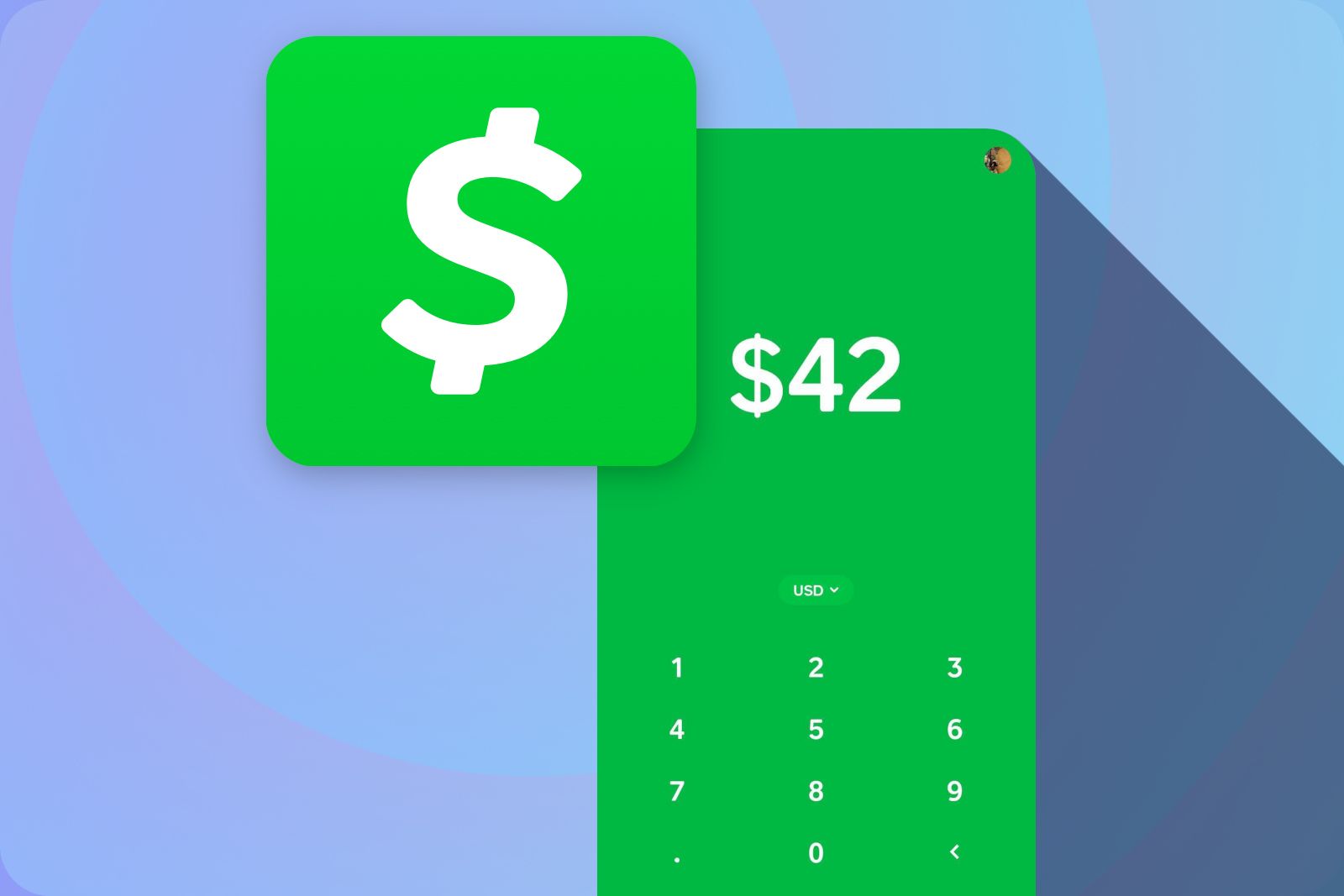
- Initiating a Send: A user selects a contact or enters a “$Cashtag,” email, or phone number of the recipient, specifies the amount, and confirms the transaction with a PIN or biometric authentication.
- Instant Transfers: Funds are typically transferred instantly from the sender’s Cash App balance or linked debit card/bank account to the recipient’s Cash App balance. The immediacy of these transfers is a key technical differentiator, relying on fast processing networks and internal ledger management.
- “$Cashtags”: These unique identifiers ($username) simplify transactions by providing a memorable and easily shared handle, eliminating the need to exchange sensitive personal banking information. This system relies on a proprietary naming convention and database for quick resolution of recipient identities.
- Transaction Limits: Cash App implements technical limits on how much money users can send or receive over specific periods (e.g., $250 per week to send, $1,000 per 30 days to receive for unverified accounts). Verification, which involves providing additional personal data like full name, date of birth, and the last four digits of a social security number, expands these limits, enabling higher transaction volumes through a more thoroughly authenticated profile.
The Cash Card: Extending Digital Reach to Physical Transactions
The Cash Card is a free, customizable Visa debit card linked directly to a user’s Cash App balance. This feature bridges the gap between digital funds and physical world transactions.
- Integration: Technologically, the Cash Card functions like any standard debit card, drawing funds directly from the user’s Cash App balance. This requires real-time synchronization between the card’s transaction processing network (Visa) and Cash App’s internal ledger.
- Customization: Users can design their Cash Card with unique engravings directly within the app, a novel personalization feature that enhances user engagement.
- ATMs: It allows users to withdraw cash from ATMs, making the digital balance tangible, though standard ATM fees may apply. For users who receive direct deposits, Cash App often offers free ATM withdrawals.
Direct Deposit Capabilities
Cash App effectively functions as a quasi-bank account by offering users a unique routing and account number.
- Payroll Integration: This allows users to set up direct deposit for their paychecks, tax refunds, or government benefits directly into their Cash App balance. This system integrates with the Automated Clearing House (ACH) network, a backbone of traditional banking, demonstrating Cash App’s ability to interface with established financial infrastructures.
- Early Payday: A common feature leveraged by Cash App is the promise of early payday, where funds become available up to two days earlier than traditional banks. This is often achieved by fronting funds to users once the payroll batch is received, rather than waiting for the official settlement date, relying on predictive algorithms and float management.
Advanced Features and Technical Integrations
Beyond its core payment functionalities, Cash App has strategically expanded its feature set, integrating tools that delve into investment and business operations, demonstrating its versatility as a technological platform.
In-App Investment Platforms (Stocks & Bitcoin)
One of Cash App’s more innovative features is its integration of basic investment functionalities, directly within the same application used for P2P payments.
- Fractional Shares: Users can buy and sell stocks with as little as $1, utilizing fractional share technology. This democratizes investing by making high-priced stocks accessible to a wider audience. The underlying technology aggregates small investments to purchase full shares, managing ownership and dividends proportionally.
- Bitcoin Trading: Cash App was among the first P2P payment services to allow users to buy and sell Bitcoin directly within the app. This feature leverages blockchain technology, providing a simplified gateway for users to engage with cryptocurrency without needing to navigate complex exchanges. The app handles the technical complexities of wallet management and exchange rates, presenting a user-friendly interface. While providing access, Cash App makes it clear these are held on its behalf, offering custody services.
Boosts and Rewards Program
The “Boosts” program is a loyalty and rewards feature integrated into the Cash Card experience.
- Real-time Discounts: Users can select specific “Boosts” in the app (e.g., “$1 off any coffee purchase,” “10% off at DoorDash”) which apply instant discounts when they use their Cash Card at participating merchants.
- Technology Behind Boosts: This system relies on real-time transaction processing and geo-location services (where applicable) to identify eligible purchases and apply discounts at the point of sale. It’s a sophisticated marketing integration designed to drive Cash Card usage and merchant partnerships.
Business Accounts: Facilitating Commercial Digital Transactions
Cash App offers specific functionalities for businesses, enabling them to accept payments.
- Cash for Business: This feature allows small businesses and freelancers to accept payments using their “$Cashtag.” It charges a small fee (e.g., 2.75%) per transaction, similar to traditional credit card processing fees. The technical implementation involves routing these payments to a business-specific ledger, with reporting tools available within the app to track income.
- Invoice Management: While basic, Cash App’s business tools streamline the process of receiving payments, providing a simple digital solution for many micro-businesses.
Security Architecture and User Safeguards
Given that Cash App handles sensitive financial data, its security architecture is paramount. The platform employs a multi-layered approach to protect user information and transactions, leveraging industry-standard and proprietary technologies.
Encryption and Data Protection
- End-to-End Encryption: All data transmitted between the user’s device and Cash App’s servers is encrypted using advanced cryptographic protocols (e.g., TLS/SSL). This ensures that sensitive information, such as bank details, card numbers, and transaction data, remains private and secure from interception.
- Data Storage: User data is stored on secure, encrypted servers, protected by firewalls and strict access controls. Regular security audits and penetration testing are conducted to identify and patch vulnerabilities.
Multi-Factor Authentication and PIN Protection
- User Control: Cash App empowers users with several security features they can enable, including a personal identification number (PIN) for transactions and app access.
- Biometric Authentication: Integration with device-level biometrics (fingerprint or facial recognition) provides an additional layer of security, making unauthorized access significantly more difficult.
- SMS/Email Verification: For certain actions or suspicious activity, Cash App may require verification via a code sent to the user’s registered phone number or email, providing multi-factor authentication.
Fraud Detection and Reporting Mechanisms
- Algorithmic Monitoring: Cash App employs sophisticated algorithms and machine learning models to constantly monitor transactions for suspicious patterns and potential fraudulent activity. This proactive approach helps identify and flag unusual transfers in real-time.
- User Reporting Tools: Users can easily report unauthorized transactions or suspicious activity directly within the app. Cash App’s support team is equipped to investigate these reports and take appropriate action, including freezing accounts and reversing fraudulent transfers.
- FDIC Insurance: While Cash App itself is not a bank, funds held in its balance (if from direct deposit) may be FDIC-insured through its partner banks, providing an additional layer of protection against institutional failure, though not against user-initiated fraud or account compromise.
The Future Landscape of Digital Finance Through Cash App’s Lens
Cash App is not merely a static application; it is a continually evolving platform that adapts to technological advancements and user needs. Its trajectory offers insights into the future of digital finance.
Innovating User Experience
Cash App consistently refines its user interface and experience (UI/UX) through iterative design and A/B testing. Future developments are likely to focus on even greater personalization, more intuitive navigation, and deeper integration with other services. Expect enhancements in AI-driven insights to help users better manage their finances within the app, making it more proactive in financial guidance.
Bridging Traditional and Decentralized Finance
Cash App’s early adoption of Bitcoin trading highlights its willingness to explore the frontier of decentralized finance. As blockchain technology matures and regulatory frameworks become clearer, Cash App is well-positioned to expand its cryptocurrency offerings, potentially including other altcoins or even integrating NFTs. Its user base provides a significant on-ramp for mainstream crypto adoption, making complex digital assets accessible through a familiar interface.
Impact on the Digital Economy
As a technological tool, Cash App has profoundly impacted the digital economy by normalizing instant, fee-free (for basic P2P) transactions. It has empowered small businesses, facilitated informal economies, and offered a gateway to financial services for the unbanked or underbanked. Its continued evolution promises to further blur the lines between traditional banking, investment platforms, and social interaction, cementing its role as a versatile and integral component of modern financial technology. The ongoing development of its underlying infrastructure and expansion of its features underscore its commitment to remaining a frontrunner in the fintech space, continuously adapting to the demands of a digitally-driven world.
aViewFromTheCave is a participant in the Amazon Services LLC Associates Program, an affiliate advertising program designed to provide a means for sites to earn advertising fees by advertising and linking to Amazon.com. Amazon, the Amazon logo, AmazonSupply, and the AmazonSupply logo are trademarks of Amazon.com, Inc. or its affiliates. As an Amazon Associate we earn affiliate commissions from qualifying purchases.