
Cascadia. The name itself evokes images of lush forests, towering mountains, and a rugged coastline. But beyond its natural beauty, Cascadia represents a powerful concept that has significant implications across various domains, from technology and innovation to brand identity and economic potential. When we talk about “Cascadia” in the context of the modern world, we are often referring to a region, a movement, and increasingly, a potent symbol of aspiration. This article will delve into the multifaceted nature of Cascadia, exploring its geographical, cultural, and most importantly, its technological and economic significance. We will investigate how this emergent identity is shaping the digital landscape, fostering innovation, and creating new opportunities for businesses and individuals alike.
The Rise of the Cascadia Tech Ecosystem
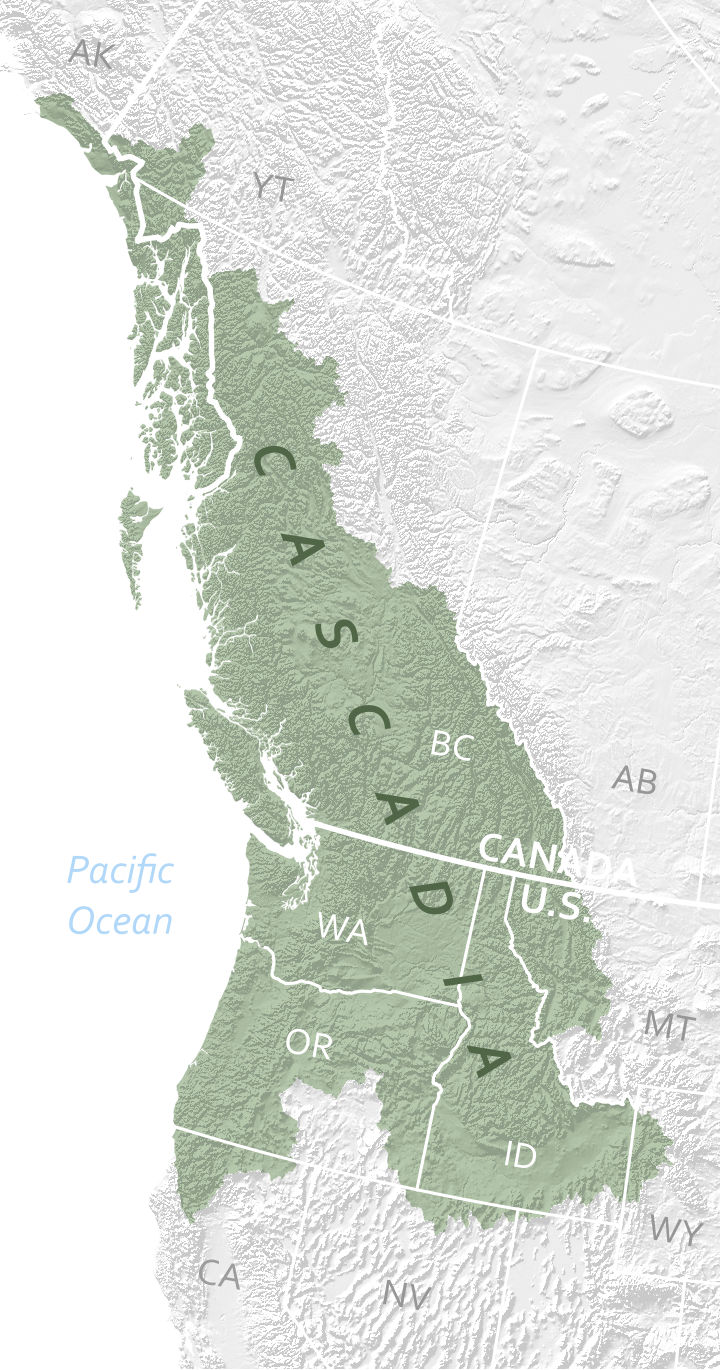
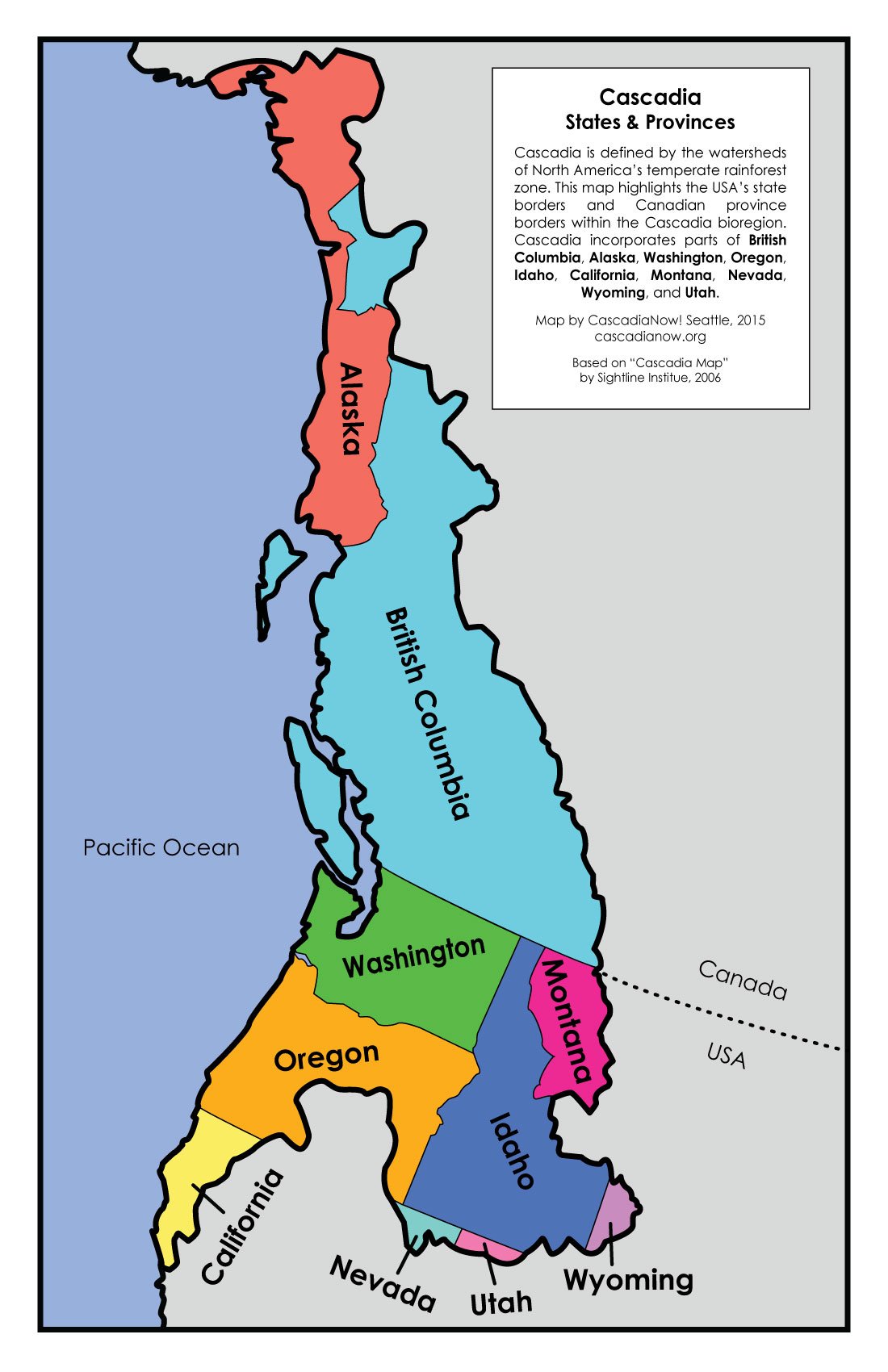
The Pacific Northwest, encompassing parts of the United States (Washington, Oregon, Idaho) and Canada (British Columbia), has quietly but surely cultivated a thriving technology ecosystem. This region, often loosely defined as Cascadia, is far more than just a geographical location; it’s a hub of innovation, research, and entrepreneurial spirit. The confluence of factors – world-class universities, a skilled workforce, significant venture capital investment, and a lifestyle that attracts top talent – has propelled Cascadia into a formidable player in the global tech arena.
From Seattle’s Giants to Emerging Startups
Seattle, often considered the heart of the Cascadia tech scene, is home to giants like Amazon and Microsoft. These behemoths have not only shaped the city’s skyline but also its economic trajectory, creating a ripple effect that benefits a vast network of smaller companies. Their presence has fostered a deep talent pool of engineers, designers, and business strategists, many of whom go on to found their own ventures or contribute to other burgeoning startups. Beyond these established players, Cascadia is a hotbed for innovation in cloud computing, artificial intelligence, biotechnology, aerospace, and sustainable technologies. The region’s commitment to research and development, often fueled by collaborations between academic institutions and industry, is a key driver of its technological advancement.
The “Cascadia Innovation Corridor” and its Pillars
The concept of the “Cascadia Innovation Corridor” has gained traction as a way to formally recognize and foster the interconnectedness of tech hubs across the region. This corridor aims to leverage the strengths of cities like Seattle, Vancouver, Portland, and Spokane, creating a synergistic environment where ideas and talent can flow freely. Several key pillars support this corridor:
- Talent Attraction and Retention: Cascadia’s quality of life, including access to nature, a progressive culture, and relatively lower costs of living compared to some other tech hubs, makes it an attractive place for tech professionals. Initiatives focused on STEM education, coding bootcamps, and immigration policies that favor skilled workers are crucial for maintaining this advantage.
- Venture Capital and Investment: While traditionally overshadowed by Silicon Valley, Cascadia has seen a significant surge in venture capital funding. Local and national VCs are increasingly recognizing the potential of the region’s innovative companies, providing the necessary capital for startups to scale and established companies to grow. This investment is not just in established sectors but also in cutting-edge fields like quantum computing, cleantech, and advanced materials.
- Research and Development Prowess: Universities like the University of Washington, the University of British Columbia, and Oregon State University are at the forefront of technological research. Their collaborations with industry partners, often facilitated by incubators and accelerators, translate groundbreaking discoveries into marketable products and services. This academic-industry synergy is vital for maintaining a competitive edge.
- Government Support and Policy: Local and regional governments within Cascadia are increasingly investing in tech infrastructure, research grants, and policies that support business growth. This includes initiatives aimed at fostering digital literacy, promoting cybersecurity, and encouraging the adoption of emerging technologies across various sectors.
Cascadia as a Brand Identity and Marketing Phenomenon
Beyond its technological and economic might, “Cascadia” is also emerging as a powerful brand identity, influencing how businesses, products, and even geographical regions are perceived and marketed. This brand is deeply rooted in the region’s unique natural environment, progressive values, and a distinct cultural flair.
The “Cascadia Brand” Attributes: Nature, Innovation, and Progressiveness
The Cascadia brand is characterized by a set of core attributes that resonate with consumers and businesses alike. Firstly, its profound connection to nature is undeniable. The majestic mountains, vast forests, and pristine coastlines are not just backdrops but integral to the regional identity. This translates into a strong emphasis on sustainability, environmental consciousness, and outdoor lifestyles, which are often leveraged in marketing campaigns.

Secondly, the region’s reputation for innovation and forward-thinking is a significant component of its brand. This is not limited to technology; it extends to social progressiveness, a commitment to diversity and inclusion, and a culture that embraces experimentation and creativity. This “innovative spirit” is a key differentiator in a crowded global marketplace.
Finally, the progressive and community-oriented ethos of Cascadia adds another layer to its brand appeal. There’s a sense of collaboration, a focus on social responsibility, and a desire to create a better future. This resonates with a growing segment of consumers who seek brands that align with their values.
Leveraging the Cascadia Narrative in Marketing
Businesses operating within or looking to connect with the Cascadia region often find success by weaving the “Cascadia narrative” into their marketing strategies. This can manifest in several ways:
- Product Design and Storytelling: Products that emphasize natural materials, sustainable sourcing, or are inspired by the region’s landscapes can tap into the Cascadia brand. The storytelling behind these products can focus on their origins, the craftsmanship involved, and their connection to the environment. For example, a coffee company might highlight its ethically sourced beans from regions that share Cascadia’s environmental ethos, or an outdoor gear company could emphasize the durability and design inspired by the rugged terrain.
- Corporate Social Responsibility (CSR) and Values Alignment: Companies that demonstrably align with Cascadia’s values of environmental stewardship, social justice, and community engagement can build strong brand loyalty. This can involve partnerships with local environmental organizations, support for educational initiatives, or commitments to ethical business practices. The authenticity of these efforts is crucial for them to resonate.
- Visual Identity and Aesthetics: The visual language of Cascadia – think deep greens, earthy browns, crisp blues, and imagery of mountains and forests – is often incorporated into logos, packaging, and marketing materials. This creates an immediate visual association and reinforces the regional identity.
- Targeting the “Cascadian Consumer”: Understanding the demographic and psychographic profile of the Cascadia consumer is key. This individual often values experiences over material possessions, has a strong interest in health and wellness, is digitally savvy, and is concerned about environmental and social issues. Marketing efforts that cater to these preferences are likely to be more effective.
- Building Regional Collaboration as a Brand Differentiator: The concept of the Cascadia Innovation Corridor itself can be marketed as a strength, showcasing a collaborative spirit and a collective drive for progress. Companies can highlight their participation in this ecosystem as a testament to their innovative capabilities and their commitment to regional development.
Cascadia and the Future of Online Income and Business Finance
The burgeoning tech ecosystem and distinct brand identity of Cascadia are also creating fertile ground for new avenues of online income and shaping how businesses within the region manage their finances. The spirit of innovation and the emphasis on sustainable growth are directly impacting the financial landscape.
Digital Entrepreneurship and the Gig Economy in Cascadia
Cascadia’s tech-forward environment naturally lends itself to digital entrepreneurship and the expansion of the gig economy. The prevalence of remote work opportunities, fueled by the region’s established tech giants and a growing number of startups, allows individuals to tap into global markets from their homes. This includes a wide range of online income streams:
- Freelance and Remote Work: The demand for skilled tech professionals – software developers, data analysts, UX/UI designers, digital marketers, and content creators – is high. Many individuals in Cascadia are leveraging platforms and direct client relationships to build successful freelance careers, offering their services to companies worldwide. The region’s emphasis on quality of life also makes it an attractive base for digital nomads and those seeking flexible work arrangements.
- E-commerce and Digital Products: The entrepreneurial spirit in Cascadia fuels a vibrant e-commerce scene. From handcrafted goods with a distinct regional aesthetic to digital products like online courses, software tools, and creative assets, entrepreneurs are finding innovative ways to reach consumers online. The strong sense of community can also translate into successful online marketplaces and platforms that support local artisans and creators.
- Content Creation and Influencer Marketing: With a culture that values authenticity and often engages with environmental and lifestyle themes, content creation – blogging, vlogging, podcasting – is a significant avenue for income. Influencers who embody the Cascadia brand, focusing on sustainable living, outdoor adventures, or technological innovation, can build substantial followings and monetize their platforms through sponsorships, affiliate marketing, and product sales.
- Online Education and Skill Development: The continuous evolution of technology necessitates ongoing learning. Cascadia’s educational institutions and private companies are increasingly offering online courses, workshops, and certifications. Individuals can earn income by developing and delivering these educational resources, catering to both local and global demand for upskilling and reskilling.
Financial Strategies for Cascadia-Based Businesses
The financial management for businesses in Cascadia is often influenced by the region’s unique characteristics. While standard business finance principles apply, there are specific considerations and opportunities:
- Access to Venture Capital and Angel Investment: As mentioned earlier, Cascadia has a growing venture capital and angel investor network. Startups and growth-stage companies are often looking to secure funding to scale their operations. Understanding how to pitch to these investors, develop robust financial projections, and navigate term sheets is crucial for financial success. The emphasis on sustainable and socially responsible ventures can also attract impact investors.
- Sustainable Finance and ESG Investing: Given the region’s strong environmental ethos, businesses are increasingly focusing on Environmental, Social, and Governance (ESG) factors. This not only appeals to a broader consumer base but can also attract investors who prioritize sustainable and ethical investments. Companies may seek financing that aligns with these principles or leverage their ESG performance to secure more favorable loan terms.
- Leveraging Technology for Financial Efficiency: The tech-savvy nature of Cascadia means businesses are often early adopters of financial technology (FinTech). This includes cloud-based accounting software, automated invoicing systems, digital payment platforms, and AI-powered financial analysis tools. Utilizing these technologies can streamline financial operations, improve cash flow management, and provide real-time insights for better decision-making.
- Cross-Border Business and Currency Considerations: With a significant portion of the Cascadia region spanning the US-Canada border, businesses frequently engage in cross-border transactions. This necessitates careful consideration of currency exchange rates, international tax laws, and customs regulations. Financial planning must account for these complexities to ensure profitability and compliance.
- Building a Resilient Financial Model: The dynamic nature of the tech industry and the global economy requires businesses in Cascadia to build resilient financial models. This involves maintaining healthy cash reserves, diversifying revenue streams, and conducting thorough risk assessments. The ability to adapt quickly to market shifts and economic fluctuations is paramount for long-term financial stability.
In conclusion, “Cascadia” is far more than a geographical designation; it’s a powerful and evolving concept that encapsulates a vibrant technological ecosystem, a compelling brand identity, and a fertile ground for online income and innovative business finance. As the region continues to grow and its influence spreads, understanding these interconnected facets of Cascadia will be increasingly vital for anyone looking to thrive in this dynamic and forward-thinking part of the world.
aViewFromTheCave is a participant in the Amazon Services LLC Associates Program, an affiliate advertising program designed to provide a means for sites to earn advertising fees by advertising and linking to Amazon.com. Amazon, the Amazon logo, AmazonSupply, and the AmazonSupply logo are trademarks of Amazon.com, Inc. or its affiliates. As an Amazon Associate we earn affiliate commissions from qualifying purchases.