
The Financial Significance of Carpet Face Weight
When investing in new flooring for a home or business, numerous factors come into play: aesthetic appeal, fiber type, color, and texture. However, one technical specification often overlooked, yet profoundly impactful on long-term cost and value, is carpet face weight. Understanding this metric is crucial for making financially sound decisions that go beyond mere aesthetics, affecting durability, longevity, and the overall return on your flooring investment.
Understanding Face Weight as an Investment Indicator
Carpet face weight specifically refers to the amount of fiber in the carpet pile, measured in ounces per square yard. It quantifies only the yarn that you can see and touch, excluding the backing, adhesives, or any other components that contribute to the carpet’s total weight. For instance, a carpet with a face weight of 40 ounces means that one square yard of its visible pile fibers weighs 40 ounces. This metric is a direct indicator of how much raw material (fiber) has been used in the visible surface of the carpet.

Why does this matter from a financial perspective? Simply put, a higher face weight generally translates to more fiber, which often implies greater durability and resilience. More fiber means a denser pile that can withstand crushing, matting, and wear more effectively over time. In essence, you are investing in a product with more substance, designed to last longer and perform better under pressure. This directly impacts the lifespan of the carpet, delaying the need for costly replacements and protecting your initial capital outlay. It’s a foundational element in assessing the intrinsic value and projected longevity of your carpet purchase.
Initial Cost vs. Long-Term Value
It’s a common axiom in personal finance that the cheapest option upfront isn’t always the most economical in the long run. This principle holds particularly true for carpet face weight. Carpets with higher face weights typically come with a higher initial purchase price per square yard. This higher cost is a direct reflection of the increased material usage and often, the superior quality of the fibers themselves.
However, viewing this additional upfront expenditure purely as a cost rather than an investment can be shortsighted. A carpet with a robust face weight, say 50-60 ounces per square yard for high-traffic areas, is engineered to withstand significantly more foot traffic, resist matting, and maintain its appearance for a longer duration compared to a carpet with a face weight of 25-30 ounces. This extended lifespan directly reduces the frequency of replacement cycles. Consider the cumulative costs: not just the material itself, but also installation fees, potential disposal costs of old carpet, and the inconvenience or business disruption associated with re-flooring.
For a homeowner, replacing carpet every 5-7 years due to rapid wear from a lower face weight option could easily exceed the initial savings compared to a higher face weight carpet that lasts 10-15 years or more. For businesses, the disruption caused by frequent renovations can lead to lost revenue and operational inefficiencies. Thus, a higher face weight often represents a prudent financial decision, embodying the “buy once, buy well” philosophy by providing a lower total cost of ownership (TCO) over the product’s lifespan. It’s an investment in enduring quality that pays dividends through extended service and reduced future expenditure.
Budgeting and Buying Smart: Navigating Face Weight Choices
Making an informed carpet purchase involves more than just selecting a color; it’s a strategic financial decision that requires careful consideration of where and how the carpet will be used. By aligning face weight choices with specific needs and understanding the interplay of other factors, consumers and businesses can optimize their budget and ensure lasting value.
Matching Face Weight to Traffic and Usage Zones
A key aspect of smart financial planning for carpet is to segment your space based on expected foot traffic and activity levels. This allows for a targeted approach to face weight selection, preventing overspending in low-impact areas while ensuring adequate durability where it’s most needed.
- Low Traffic Areas (Bedrooms, Guest Rooms, Formal Dining Rooms): These spaces experience minimal daily wear. A carpet with a lower to moderate face weight (e.g., 25-35 ounces) can be a cost-effective choice. It provides comfort and aesthetic appeal without requiring the premium investment in ultra-durable fibers. Here, you save upfront costs without significantly compromising performance for its intended use.
- Medium Traffic Areas (Living Rooms, Family Rooms, Home Offices): These are communal spaces that see regular, but not constant, activity. A mid-range face weight (e.g., 35-50 ounces) typically offers the best balance of durability and cost-effectiveness. This investment ensures the carpet stands up to daily life, resisting premature wear and maintaining its appearance longer, thus delaying replacement expenses.
- High Traffic Areas (Hallways, Stairs, Entryways, Playrooms): These zones are the workhorses of any property, subjected to relentless pounding, scuffing, and abrasive dirt. Investing in a high face weight carpet (e.g., 50-70+ ounces) is not merely an upgrade; it’s a necessity. The dense pile provides superior resilience against crushing and matting, drastically extending its lifespan in areas prone to rapid degradation. While the initial cost is higher, the financial benefits are evident in significantly reduced replacement frequency and lower long-term maintenance needs.
- Commercial Spaces (Offices, Retail, Hospitality): Businesses must prioritize extreme durability. Face weights upwards of 60-80 ounces, often coupled with commercial-grade construction and specific fiber types, are standard. The rationale is purely financial: constant foot traffic would annihilate residential-grade carpet quickly, leading to untenable replacement cycles and business disruption. The higher initial investment in a robust face weight minimizes operational downtime and maximizes the carpet’s service life, providing a superior return on investment.
By strategically allocating your budget based on traffic zones, you avoid unnecessary expenses while safeguarding critical areas with adequate protection, making every dollar spent on carpet a more efficient investment.
The Role of Fiber Type and Density in Value
While face weight is a critical indicator of durability and cost, it’s not the sole determinant of a carpet’s financial value. The type of fiber used and the carpet’s density (how tightly the fibers are packed) are equally important and interact with face weight to define overall performance and long-term cost-effectiveness.
-
Fiber Type: Different carpet fibers possess inherent characteristics that affect their durability, stain resistance, and cost.
- Nylon: Often considered the gold standard for durability and resilience, nylon fibers tend to be more expensive but offer exceptional wear performance, particularly when paired with a good face weight. An investment in a moderate face weight nylon carpet might outperform a high face weight polyester carpet in terms of longevity and resistance to crushing, offering better value over time.
- Polyester (PET): Known for its luxurious feel and excellent stain resistance, polyester is generally more affordable than nylon. However, it’s less resilient to crushing, meaning a higher face weight is crucial to achieve satisfactory durability, especially in medium to high-traffic areas. The financial implication is that you might need a significantly higher face weight in polyester to achieve the same wear characteristics as a lower face weight nylon, potentially offsetting some of the initial cost savings.
- Olefin (Polypropylene): Extremely resistant to moisture and fading, olefin is a very budget-friendly option. It’s often used in looped constructions like Berber. However, it has poor resilience to crushing and can matte easily. A higher face weight is essential for any real durability, and it’s generally best reserved for low-traffic areas or areas where moisture resistance is paramount, otherwise, its low cost can be quickly negated by early replacement needs.
- Wool: A premium, natural fiber offering exceptional softness, durability, and natural stain resistance. Wool carpets are a significant upfront investment, but their longevity and ability to maintain appearance for decades make them a sound financial choice for those prioritizing luxury and sustainability, offering a very long-term return.
-
Density: Density refers to how closely packed the fibers are within the carpet pile. It’s often measured in stitches per inch or tufts per square inch. A high-density carpet means more fibers per square inch, which works in conjunction with face weight to enhance durability. A high face weight carpet with low density might still crush relatively easily, as the fibers are too spread out to support each other. Conversely, a carpet with a moderate face weight but very high density can offer surprising resilience. Financially, a dense carpet, even if its face weight isn’t the absolute highest, often represents a better investment because it resists matting and crushing more effectively, preserving its appearance and extending its life. When evaluating a carpet, always inquire about both face weight and density to get a complete picture of its potential long-term value and ensure you’re making a financially robust choice.
Comparing Apples to Apples: Financial Due Diligence
Effective financial decision-making for carpet purchases requires a disciplined approach to comparison. Simply looking at the price per square foot or yard is insufficient. Instead, consumers and businesses should engage in thorough due diligence to understand the true value proposition of each option.
First and foremost, always insist on knowing the carpet’s face weight from your retailer. Reputable dealers will readily provide this information. Without it, you cannot accurately compare the material substance of different carpets. Be wary of broad statements like “good quality” without specific metrics.
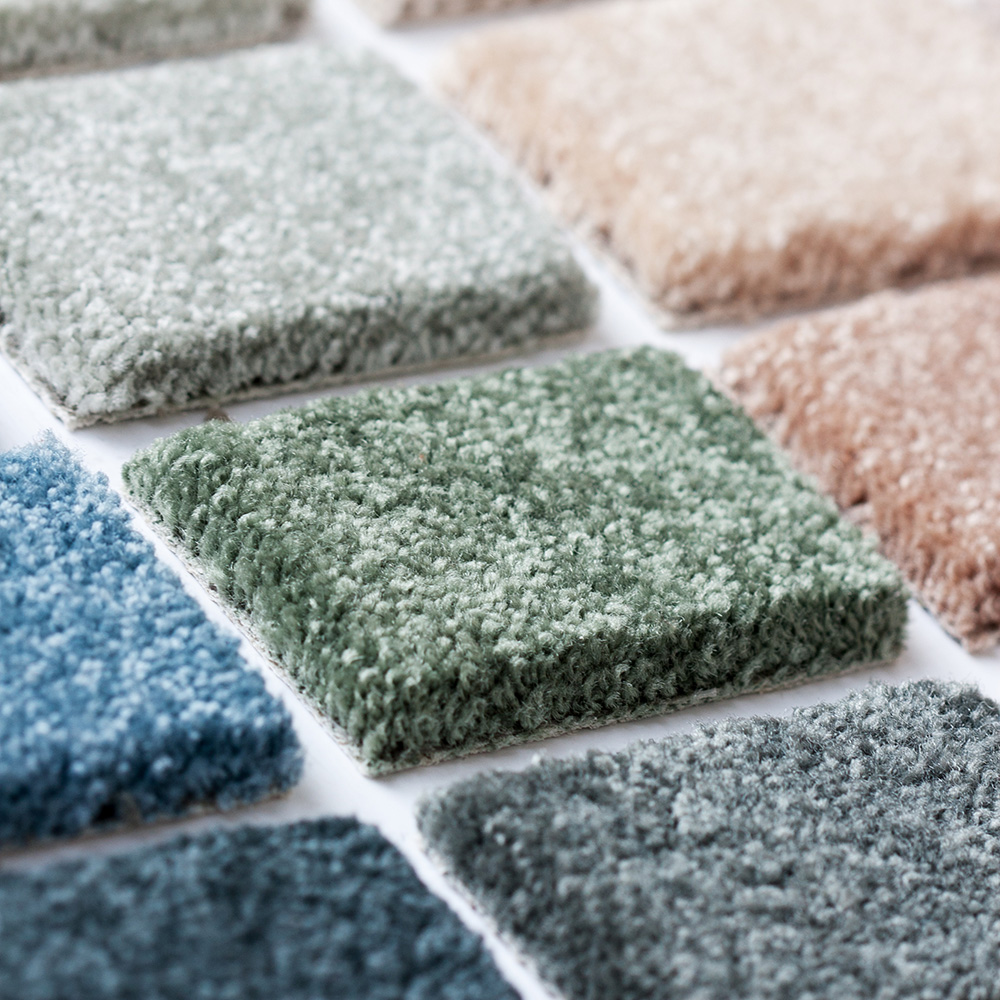
Beyond face weight, delve into the other critical specifications: fiber type, pile height, and especially density. Ask for the “twist rating” for cut pile carpets, which indicates how many times the yarn strands are twisted together; a higher twist rating (e.g., 5-7 twists per inch) usually means more durable fibers that resist fraying and matting, protecting your investment.
A powerful financial tool is to calculate the cost per year of expected life rather than just the initial purchase price. For example:
- Carpet A: $20 per square yard, expected life 7 years = ~$2.86 per year
- Carpet B: $35 per square yard, expected life 15 years = ~$2.33 per year
In this scenario, Carpet B, despite a significantly higher upfront cost, offers a lower annual cost over its lifespan, making it the more financially prudent choice. This calculation helps to visualize the long-term savings and return on investment. Furthermore, consider the manufacturer’s warranty. A longer, more comprehensive warranty, especially on wear and tear, can be a strong indicator of the carpet’s quality and the manufacturer’s confidence in its durability, providing additional financial security for your purchase. By asking detailed questions and performing these comparative analyses, you transform a potentially overwhelming purchase into a strategic financial decision.
Protecting Your Carpet Investment: Maintenance and Depreciation
The financial value of a carpet extends far beyond its initial purchase and installation. Like any significant asset, its longevity and aesthetic appeal—and thus its embedded value—are heavily influenced by ongoing care and how effectively you mitigate depreciation. Strategic maintenance is key to protecting this investment.
Maintenance as a Value Preserver
Think of carpet maintenance as a form of routine asset management. Just as you service a car to extend its life and performance, proper care of your carpet actively works to preserve its face weight, appearance, and structural integrity, thereby protecting your initial financial outlay. Neglecting maintenance, on the other hand, is a sure path to accelerated wear, early replacement, and unforeseen costs.
Regular vacuuming is the first line of defense. Dirt and grit, when left embedded in the carpet pile, act as abrasives that cut and fray the fibers with every step. This leads to premature wear, matting, and a reduction in the effective face weight of the carpet as fibers break down. Consistent vacuuming, especially with a quality vacuum cleaner suited for your carpet type, removes these destructive particles, allowing the fibers to stand upright and maintain their resilience. This simple, inexpensive routine significantly extends the life of even a high face weight carpet.
Beyond daily care, professional deep cleaning is essential, typically recommended every 12-18 months, depending on traffic. Professional cleaning extracts deeply embedded soil, allergens, and oils that regular vacuuming cannot reach. It also revitalizes the carpet pile, helping to restore its original loft and appearance, which is particularly beneficial for high face weight carpets designed for long-term performance. The cost of professional cleaning is a minor investment when weighed against the expense of prematurely replacing an entire carpet. By investing in proper maintenance, you are not just cleaning; you are actively preserving the lifespan and financial value of your carpet, pushing back the inevitable depreciation and need for a new purchase.
Resale Value and Property Enhancement
Carpet can be considered a tangible asset within your home or business, and its condition directly impacts property value and marketability. For homeowners, a well-maintained, quality carpet can significantly enhance a property’s appeal and potentially its resale value. When potential buyers tour a home, they notice the condition of the flooring immediately. Clean, well-kept carpets, especially those with a substantial face weight that retains its plushness and resilience, contribute to an impression of a well-cared-for home. This can make a property more attractive, command a better selling price, and facilitate a quicker sale. It reflects a higher perceived value in the eyes of a buyer.
Conversely, worn-out, stained, or matted carpets—often the result of a low face weight option failing prematurely or poor maintenance—can be a significant financial detractor. Such carpets signal neglect, require immediate replacement by the new owner, and often lead to lower offers or longer time on the market. Buyers will factor in the cost and inconvenience of replacing flooring into their offer, effectively reducing your net return on the property.
For businesses, particularly those in hospitality, retail, or client-facing roles, high-quality, impeccably maintained carpet is not just about aesthetics; it’s part of the brand image and customer experience. A clean, durable carpet (supported by a good face weight) contributes to a professional and welcoming environment, which can indirectly impact revenue and customer perception. Therefore, considering carpet as an element of property enhancement and actively managing its condition is a crucial financial consideration for any asset owner.
Commercial Applications: Business Finance and Operational Costs
For businesses, carpet selection is a critical business finance decision, impacting operational budgets, long-term capital expenditures, and even brand perception. The choice of carpet face weight in commercial environments carries significant financial implications, far beyond simply covering a floor.
Face Weight in Business Budgeting
Commercial spaces, whether offices, retail stores, hotels, or educational institutions, typically experience substantially higher foot traffic and more rigorous use than residential settings. This necessitates a strategic approach to carpet specification, with face weight emerging as a paramount factor in business budgeting.
The upfront cost of a commercial-grade carpet with a high face weight (often 60+ ounces per square yard for broadloom or dense modular tiles) is undoubtedly higher than its residential counterpart. However, this premium is a calculated business investment. A robust face weight in commercial carpet means significantly greater durability, allowing the flooring to withstand the constant pounding of thousands of feet, rolling chairs, equipment, and cleaning regimens without showing premature wear.
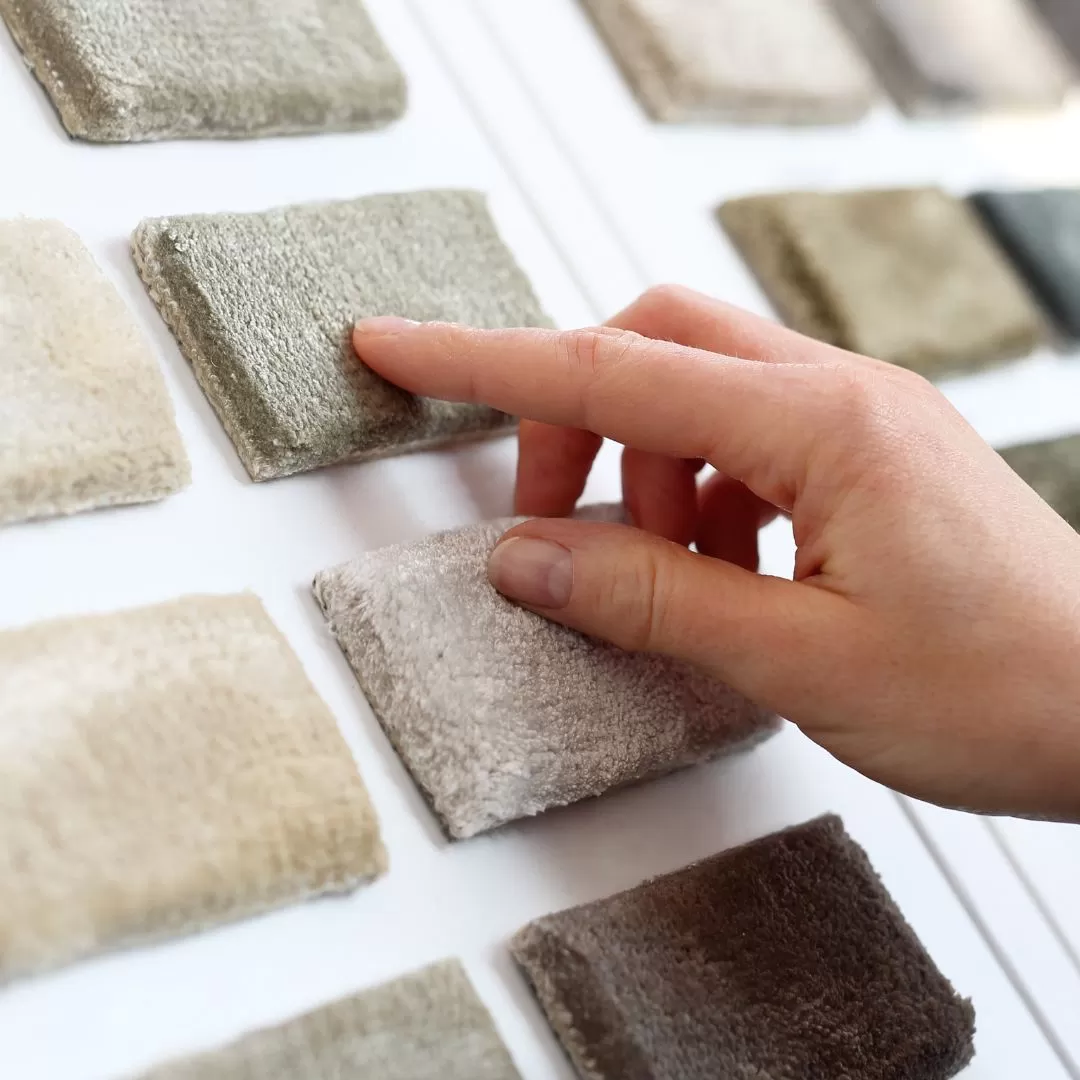
From a budgeting perspective, the focus shifts from just the initial purchase price to the long-term total cost of ownership (TCO). A lower face weight commercial carpet might offer initial savings, but it will inevitably degrade much faster, leading to a drastically shortened lifespan. This means more frequent replacement cycles, each incurring substantial costs not just for materials, but also for labor (installation and removal), disposal fees, and potentially storage during renovation. Moreover, the disruption to business operations during carpet replacement—lost sales in retail, decreased productivity in offices, or unavailability of rooms in hotels—can be a significant hidden cost. By investing in a high face weight carpet upfront, businesses are effectively buying fewer replacement cycles, minimizing these cumulative expenses and allowing for more predictable, long-term financial planning.
Long-Term ROI for Commercial Spaces
The return on investment (ROI) for commercial carpet is intrinsically linked to its durability, which a higher face weight fundamentally supports. For businesses, a carpet isn’t just a floor covering; it’s a long-term asset that contributes to the operational environment and client experience.
Consider a retail store. A high face weight, commercial-grade carpet will maintain its aesthetic appeal and structural integrity for years, even under constant customer traffic. This contributes to a positive brand image, enhancing the shopping experience and potentially customer loyalty. A worn, matted, or discolored carpet, however, can detract from the store’s ambiance, convey an image of neglect, and potentially deter customers, leading to indirect financial losses. The ROI here is not just about the carpet’s lifespan, but also its contribution to brand equity and sales.
In an office setting, durable carpet with a high face weight reduces maintenance needs and provides a consistent, professional environment for employees and clients. It can also contribute to acoustic dampening, creating a more productive workspace. The longer a carpet lasts, the less frequently capital budget needs to be allocated for replacement, freeing up funds for other critical business investments.
Analyzing the TCO for commercial carpet requires factoring in the initial purchase, installation, ongoing maintenance costs, and crucially, the projected replacement cycle. While a lower face weight option might seem appealing on paper due to its lower per-unit cost, a comprehensive financial model will likely reveal that the higher face weight carpet, despite its premium price, offers a significantly better ROI over a 10-15 year period. It minimizes operational disruptions, preserves the professional appearance of the business environment, and ultimately provides a more cost-effective solution in the long run, proving that in commercial applications, a robust face weight is a cornerstone of intelligent business finance.
aViewFromTheCave is a participant in the Amazon Services LLC Associates Program, an affiliate advertising program designed to provide a means for sites to earn advertising fees by advertising and linking to Amazon.com. Amazon, the Amazon logo, AmazonSupply, and the AmazonSupply logo are trademarks of Amazon.com, Inc. or its affiliates. As an Amazon Associate we earn affiliate commissions from qualifying purchases.