
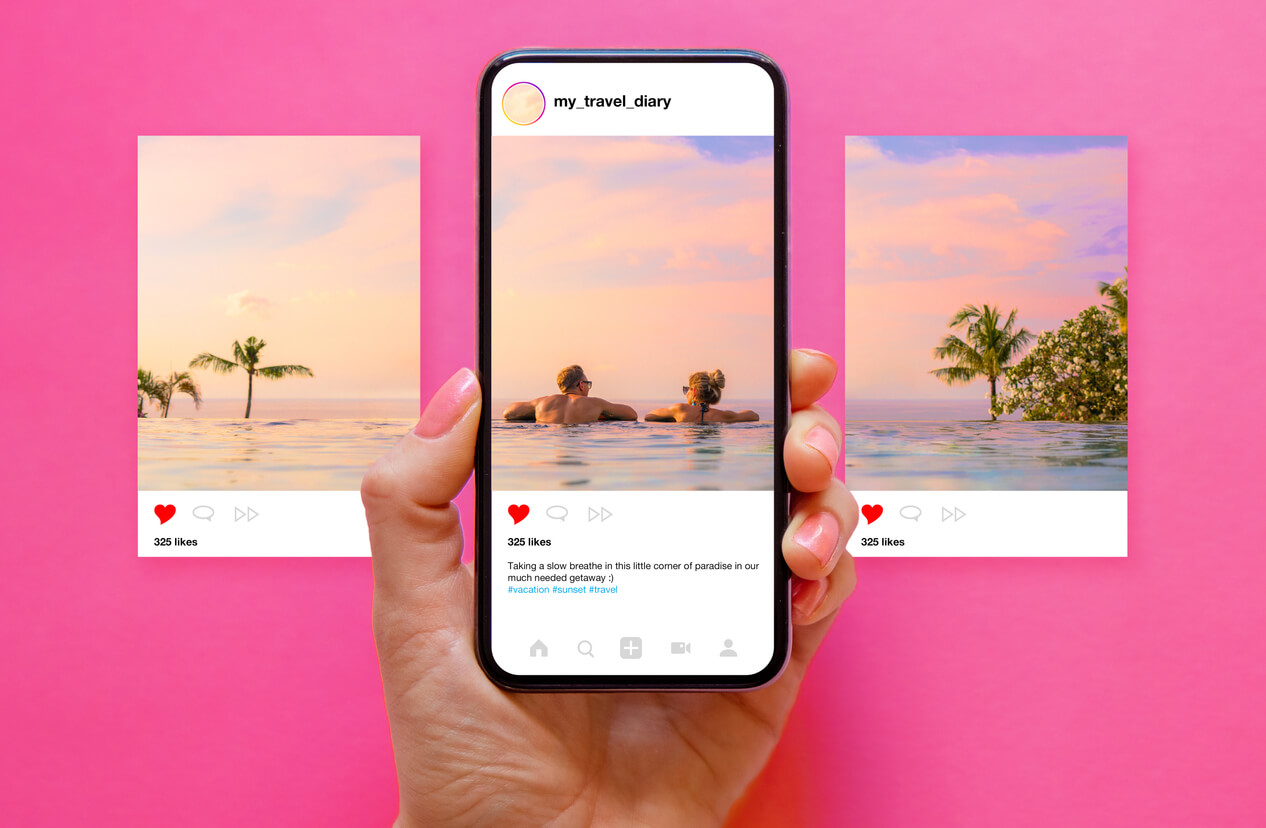
In the rapidly evolving landscape of social media marketing, the ability to capture and hold a consumer’s attention is the ultimate currency. While Instagram began as a simple photo-sharing app, it has matured into a sophisticated platform for brand identity and corporate storytelling. At the heart of this evolution is the “Carousel” post—a feature that allows users to share up to 10 images or videos in a single post that viewers can swipe through.
For a brand, a carousel is not merely a collection of photos; it is a multi-page narrative, a digital brochure, and a powerful tool for boosting engagement. By shifting from a singular static image to a sequential experience, brands can convey complex messages, showcase product versatility, and foster a deeper connection with their audience. This article explores the strategic importance of Instagram carousels through the lens of brand strategy and marketing excellence.
The Evolution of Digital Engagement: Defining the Instagram Carousel
The introduction of the carousel format marked a pivotal shift in how content is consumed on mobile devices. Historically, the “scroll” was the primary movement of the social media user. However, the carousel introduced the “swipe,” a horizontal interaction that requires more intentionality and provides a higher level of immersion.
From Static Images to Multi-Sensory Experiences
In the early days of Instagram, a brand had one shot—one frame—to make an impression. This forced a level of minimalism that often left important details on the cutting room floor. With carousels, the canvas has expanded. A brand can now blend high-resolution photography with short-form video snippets and graphic design elements within a single post. This multi-sensory approach allows for a richer brand experience, catering to different learning styles and consumption habits. Whether a user prefers reading insightful text or watching a product in action, the carousel accommodates both.
Why the Algorithm Prioritizes Sequential Content
From a strategic perspective, the Instagram algorithm favors carousels because they increase “dwell time”—the amount of time a user spends looking at a post. When a user swipes through a carousel, they are signaling to the platform that the content is valuable. Furthermore, Instagram often gives carousels a “second chance” at visibility. If a follower sees the first slide of a carousel but doesn’t engage, the algorithm will frequently serve that same post to them later, but showing the second or third slide instead. For a brand, this effectively doubles the opportunity for exposure without requiring additional content creation.
Strategic Branding Through Carousel Content
Successful branding is about consistency, authority, and emotional resonance. The carousel format provides a structured environment to build these pillars. Rather than bombarding followers with ten separate posts, a carousel organizes information into a digestible, cohesive unit.
Educational Threading: Establishing Authority
One of the most effective uses of carousels for personal and corporate branding is the “educational thread.” By breaking down complex topics into ten slides, brands can position themselves as industry thought leaders. For example, a financial consulting firm might use a carousel to explain “The 5 Pillars of Wealth Management,” with each slide dedicated to a specific concept. This not only provides value to the audience but also builds trust. When a brand teaches its audience something new, it moves from being a vendor to a valuable resource.
Visual Storytelling: Crafting a Brand Narrative
Branding is, at its core, storytelling. Carousels allow brands to take customers on a journey. This could be the “origin story” of a product, a “day in the life” of the company culture, or a “before and after” transformation of a client project. By using the first slide as a “hook” and the subsequent slides as the “development,” brands can create a narrative arc that culminates in a satisfying conclusion or a strong call-to-action on the final slide.
Product Showcasing: The Interactive Catalog
For e-commerce and lifestyle brands, the carousel acts as a mini-catalog. Instead of a single image of a jacket, a brand can show the jacket from multiple angles, highlight the texture of the fabric in a close-up, show it being worn in different environments, and include a size chart. This comprehensive view reduces consumer uncertainty and shortens the path to purchase. The interactive nature of swiping creates a sense of “digital touching,” which has been shown to increase the psychological sense of ownership over a product.
Psychological Triggers and Design Principles for Brand Growth
To maximize the impact of a carousel, one must understand the psychology of the swipe. A carousel is only effective if the user feels compelled to move from Slide 1 to Slide 2.
The Curiosity Gap and the “Swipe” Impulse
The most successful brand carousels utilize the “curiosity gap.” This involves presenting a compelling question, a startling statistic, or a bold claim on the cover slide that can only be resolved by swiping. For instance, a marketing agency might use a title like, “The One Mistake Costing You 40% of Your Leads.” The natural psychological urge to close that information gap drives the user to engage with the rest of the content.
Consistency in Visual Identity and Typography
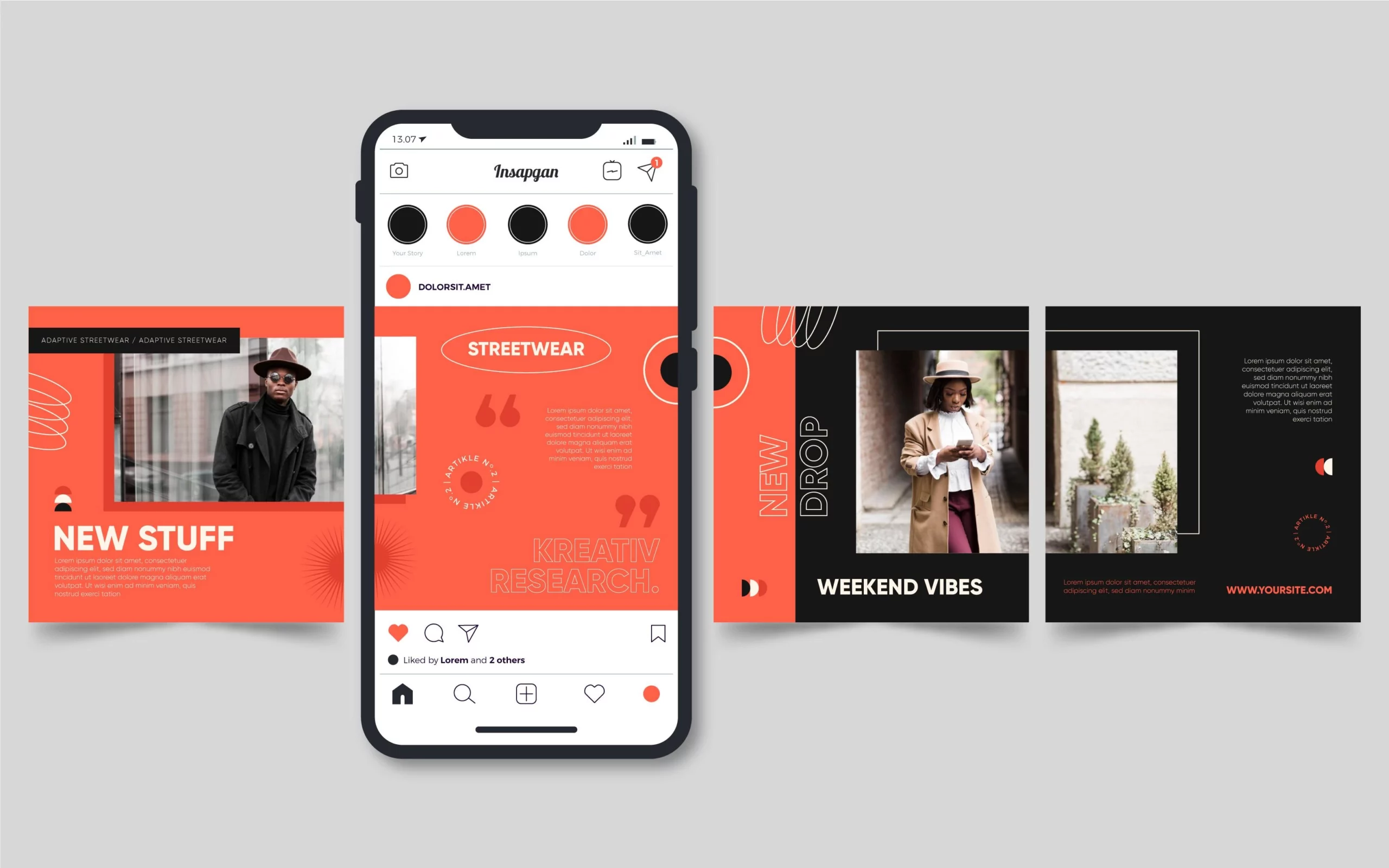
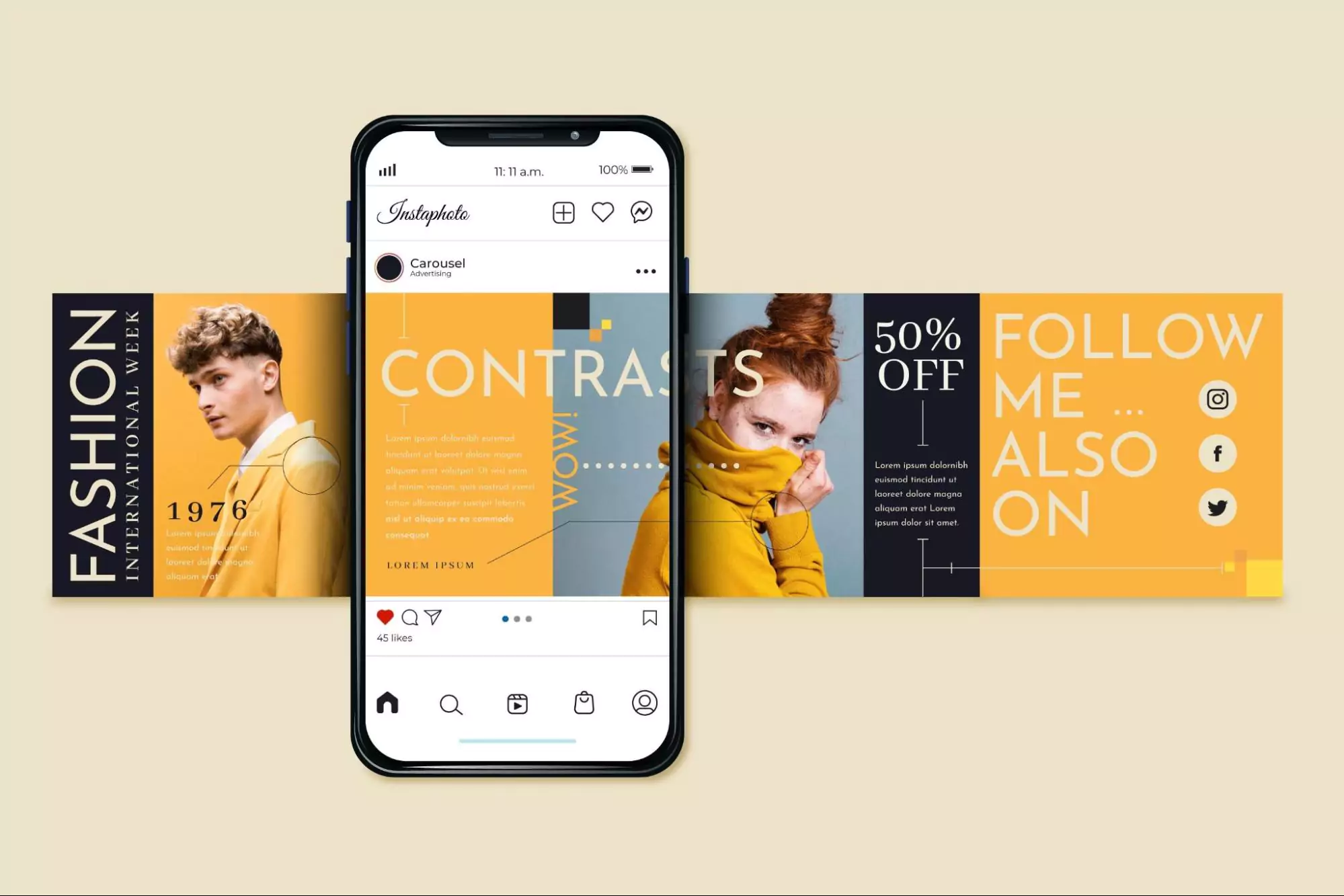
A carousel is a reflection of a brand’s visual identity. It is crucial that the color palette, typography, and imagery style remain consistent across all slides. This consistency reinforces brand recognition. When a user swipes through a well-designed carousel, they should feel like they are moving through a singular, curated experience rather than a disjointed collection of images. Using “seamless” transitions—where an element of the design physically overlaps from one slide to the next—can further encourage the swiping motion and create a professional, high-end aesthetic.
Call-to-Action (CTA) Placement for Maximum Conversion
In brand strategy, every piece of content should have an objective. The final slide of a carousel is the most valuable real estate for a Call-to-Action (CTA). After providing nine slides of value, the brand has earned the right to ask for something in return. Whether it is “Link in bio,” “Save this post for later,” or “Tag a friend who needs to see this,” a clear and concise CTA directs the user’s momentum toward a specific business goal.
Measuring Success: Analytics and Iterative Branding
A professional brand strategy is data-driven. Instagram provides specific metrics for carousels that offer deep insights into audience behavior and content performance.
Beyond Likes: Tracking Saves and Shares
While “likes” are often viewed as a vanity metric, “saves” and “shares” are the true indicators of brand resonance. A carousel that is saved suggests that the content is so valuable the user wants to refer back to it later. A shared carousel indicates that the content is a reflection of the user’s own identity or interests, prompting them to broadcast it to their own network. Brands should track these metrics to understand which topics or visual styles are performing best and adjust their future strategy accordingly.
Analyzing the Drop-off Rate
One of the unique advantages of the carousel is the ability to see where users lose interest. If analytics suggest that most users stop swiping after the third slide, it indicates a flaw in the narrative or design at that specific point. This allows brand managers to iterate and refine their content. Perhaps the transition was too abrupt, or the text was too dense. By analyzing the drop-off rate, brands can master the art of keeping their audience engaged until the final slide.
Future-Proofing Your Brand with Carousel Innovation
As digital platforms continue to integrate artificial intelligence and augmented reality, the carousel format is likely to become even more interactive. Brands that stay ahead of these trends will maintain a competitive edge.
Integrating AI and Video into Carousels
The modern brand does not rely solely on static images. The integration of high-production video within carousels is becoming a standard. Furthermore, AI tools are now allowing brands to generate personalized carousel content at scale. For example, a brand could use AI to create ten different versions of a carousel, each tailored to a specific demographic, ensuring that the brand message remains relevant to a diverse audience.
The Rise of the “Micro-Learning” Culture
We are currently witnessing a shift toward “micro-learning,” where consumers prefer to gain knowledge in quick, bite-sized increments. The Instagram carousel is the perfect vehicle for this cultural shift. Brands that can distill their core values, product benefits, and industry expertise into these ten-slide “masterclasses” will define the next generation of digital marketing.
In conclusion, the Instagram carousel is far more than a feature; it is a strategic asset for any brand looking to build a robust digital presence. By understanding the mechanics of engagement, the principles of visual storytelling, and the data behind the swipe, brands can transform their social media feed into a powerful engine for growth, authority, and lasting consumer loyalty. In a world of infinite scrolls, the carousel invites the user to stop, swipe, and stay—a rare and valuable achievement in the modern attention economy.
aViewFromTheCave is a participant in the Amazon Services LLC Associates Program, an affiliate advertising program designed to provide a means for sites to earn advertising fees by advertising and linking to Amazon.com. Amazon, the Amazon logo, AmazonSupply, and the AmazonSupply logo are trademarks of Amazon.com, Inc. or its affiliates. As an Amazon Associate we earn affiliate commissions from qualifying purchases.