
Carotenoids are a vast group of pigments that perform critical roles in both the natural world and human physiology. Often overlooked in casual nutritional discourse, these organic compounds are the vibrant architects behind the reds, oranges, and yellows seen in everything from autumn leaves and flower petals to carrots, tomatoes, and bell peppers. Beyond their aesthetic contribution to the plant kingdom, carotenoids are potent bioactive compounds that serve as essential dietary components for human health.
As science continues to peel back the layers of how nutrition impacts long-term wellness, carotenoids have emerged as central players in the study of oxidative stress and chronic disease prevention. Understanding what carotenoids are, how they function within the human body, and why they are necessary is a fundamental pillar of nutritional literacy.

The Chemistry and Classification of Carotenoids
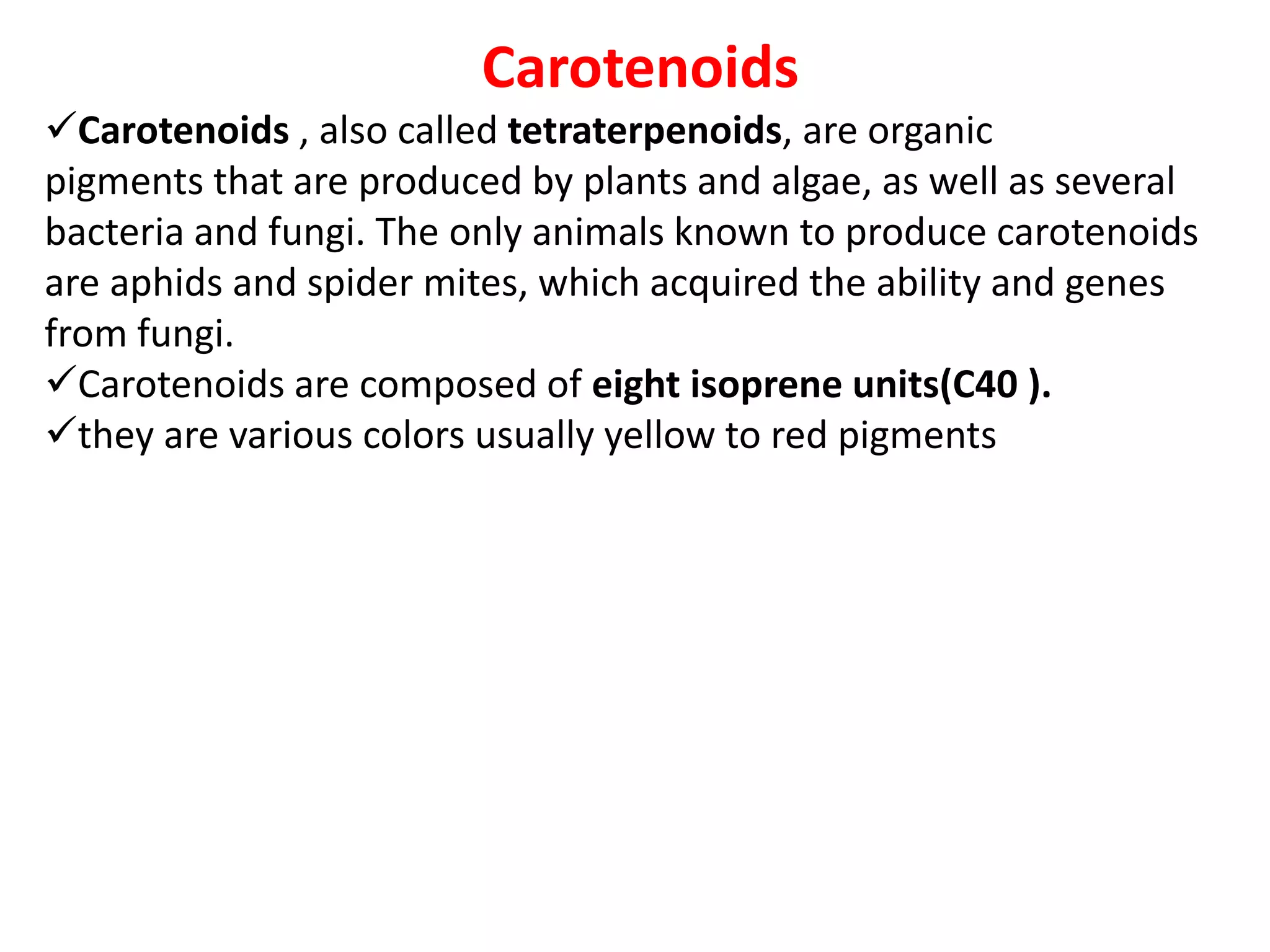
At a molecular level, carotenoids are tetraterpenes—hydrocarbon chains consisting of 40 carbon atoms. They are fat-soluble pigments, meaning they require the presence of dietary fats for efficient absorption and utilization within the human body. Because humans cannot synthesize these compounds endogenously, they must be acquired through the consumption of fruits, vegetables, and other botanical sources.
Carotenes vs. Xanthophylls
While there are over 700 known carotenoids, they are broadly categorized into two primary classes based on their chemical structure and composition:
- Carotenes: These are pure hydrocarbons that do not contain oxygen atoms. The most well-known representative is beta-carotene, the precursor to Vitamin A. These compounds are typically non-polar and are most commonly found in deep orange and red produce.
- Xanthophylls: These are oxygenated derivatives of carotenes. They contain hydroxyl or epoxy groups, which alter their chemical properties and their specific functions in the human body. Lutein, zeaxanthin, and astaxanthin fall into this category. Xanthophylls are frequently associated with the dark green pigment of leafy vegetables, where they are masked by chlorophyll.
Mechanisms of Action: The Antioxidant Powerhouse
The most celebrated function of carotenoids is their role as antioxidants. In the human body, metabolism, exercise, and exposure to environmental pollutants generate free radicals—unstable molecules that can cause oxidative damage to cells, proteins, and DNA. If left unchecked, this oxidative stress is a primary driver of aging and the development of chronic conditions, including cardiovascular disease and cancer.
Neutralizing Free Radicals
Carotenoids work by donating electrons to free radicals, effectively neutralizing them before they can initiate a chain reaction of cellular destruction. Because of their long, conjugated double-bond structures, carotenoids are uniquely equipped to quench singlet oxygen—a highly reactive and damaging form of oxygen—and stabilize other reactive oxygen species (ROS).
Synergistic Effects
The efficacy of carotenoids is rarely individual; instead, they function in a synergistic network with other antioxidants like Vitamin C, Vitamin E, and glutathione. By protecting lipid membranes and lipoproteins from oxidative modification, carotenoids act as a biological defense system that maintains cellular integrity across various tissues, from the skin to the cardiovascular system.
The Vital Role of Carotenoids in Human Health
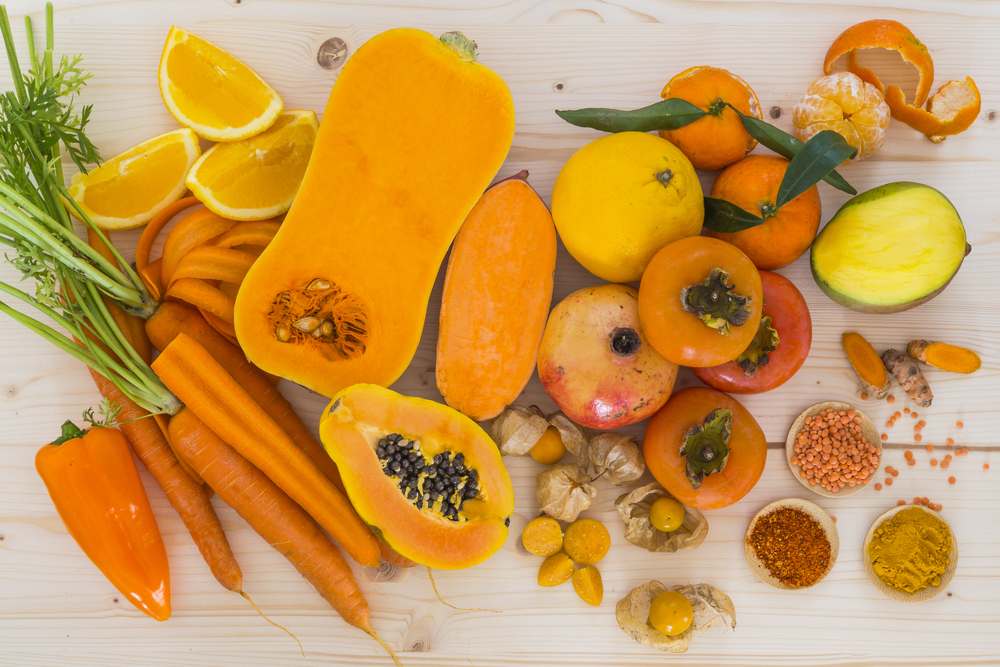
Because different carotenoids are sequestered in specific tissues, their health benefits are wide-ranging and highly specialized. A diet rich in a diverse array of colorful produce ensures that the body receives the full spectrum of these protective compounds.
Ocular Health: The Role of Lutein and Zeaxanthin
Perhaps the most documented benefit of carotenoids relates to eye health. Lutein and zeaxanthin are the only carotenoids that accumulate in the macula of the human retina. They form what is known as the “macular pigment,” which functions as an internal pair of sunglasses. By absorbing high-energy blue light and mitigating oxidative stress within the retina, these two carotenoids play a crucial role in protecting against age-related macular degeneration (AMD) and cataracts.
Vitamin A Precursor Activity
Beta-carotene, alpha-carotene, and beta-cryptoxanthin are considered “provitamin A” carotenoids. Once ingested, the body converts these compounds into retinol (Vitamin A), which is essential for vision, immune system function, and skin health. Unlike preformed Vitamin A (retinol), which can be toxic in high doses, provitamin A carotenoids are generally considered safe because the body regulates their conversion based on its actual requirements, preventing the risk of hypervitaminosis A.
Cardiovascular Protection
Carotenoids, particularly lycopene and beta-carotene, have been linked to improved cardiovascular outcomes. By preventing the oxidation of LDL cholesterol—a key step in the formation of arterial plaque—carotenoids help maintain the health of blood vessel walls and improve endothelial function. Studies suggest that higher dietary intake of carotenoid-rich foods is associated with a lower risk of hypertension and stroke.
Dermatological Benefits
The skin is the largest organ and is constantly exposed to UV radiation, which generates massive amounts of oxidative stress. Carotenoids deposited in the skin can help reinforce the body’s natural UV protection. While they are not a replacement for topical sunscreen, regular consumption of carotenoids can improve skin tone, elasticity, and resilience against light-induced skin aging.
Bioavailability and Dietary Optimization
Simply consuming carotenoids does not guarantee they will reach the bloodstream. Because they are lipophilic (fat-loving), their bioavailability is highly dependent on the dietary matrix in which they are consumed.
The Importance of Dietary Fat
Clinical research consistently shows that when carotenoids are consumed with a source of healthy fat—such as avocado, olive oil, nuts, or seeds—the absorption rate increases significantly. Adding a drizzle of olive oil to a salad or consuming eggs alongside spinach provides the necessary lipids to facilitate the formation of micelles, the structures required for the intestinal uptake of these pigments.
The Impact of Processing and Cooking
Unlike some water-soluble vitamins that are destroyed by heat, carotenoids are often more bioavailable when vegetables are cooked. Cooking breaks down the tough cellular walls of plants (cellulose), releasing the carotenoids from the food matrix. For instance, the lycopene in cooked tomatoes or tomato paste is significantly more absorbable than the lycopene in raw tomatoes. Similarly, steaming or lightly sautéing greens helps release lutein and zeaxanthin.
Synergies in Whole Foods
Nutritionists advocate for obtaining carotenoids through whole foods rather than high-dose supplements. Whole foods provide a matrix of phytochemicals, fiber, and co-factors that work in concert. High-dose synthetic beta-carotene supplements, in particular, have been found to have different effects compared to dietary beta-carotene, with some clinical trials showing negative outcomes in specific populations. This highlights the importance of the “food-first” approach to nutrition.
Conclusion: Integrating Carotenoids into the Diet
The evidence supporting the importance of carotenoids is undeniable. These compounds are essential protectors of human health, serving as the biological defense against the inevitable stressors of life. By focusing on a “rainbow diet”—a diverse selection of colorful fruits and vegetables—individuals can ensure they are supplying their bodies with the necessary tools for long-term health.
From the deep green of kale and spinach providing lutein for ocular health to the vibrant red of tomatoes providing lycopene for heart health, the bounty of the earth provides a complete, sophisticated pharmacy. Integrating these foods, prepared with healthy fats, remains one of the most effective, evidence-based strategies for promoting longevity, preventing disease, and maintaining the physiological systems that sustain us. As we continue to study the intricacies of these 700+ compounds, the message remains clear: the color on our plates is a direct reflection of the vitality we cultivate within ourselves.
aViewFromTheCave is a participant in the Amazon Services LLC Associates Program, an affiliate advertising program designed to provide a means for sites to earn advertising fees by advertising and linking to Amazon.com. Amazon, the Amazon logo, AmazonSupply, and the AmazonSupply logo are trademarks of Amazon.com, Inc. or its affiliates. As an Amazon Associate we earn affiliate commissions from qualifying purchases.