
In the realm of visual communication and graphic design, the caricature stands as one of the most powerful tools for capturing the essence of a subject. Often misunderstood as merely a form of slapstick comedy or an amateur boardwalk sketch, a professional caricature is a sophisticated study in visual branding, exaggeration, and psychological insight. It is an exercise in distilling a complex human identity—or a corporate persona—into its most recognizable, high-impact components. For designers and brand strategists, understanding the utility of the caricature is essential for creating memorable visual assets that communicate values, emotions, and character at a single glance.
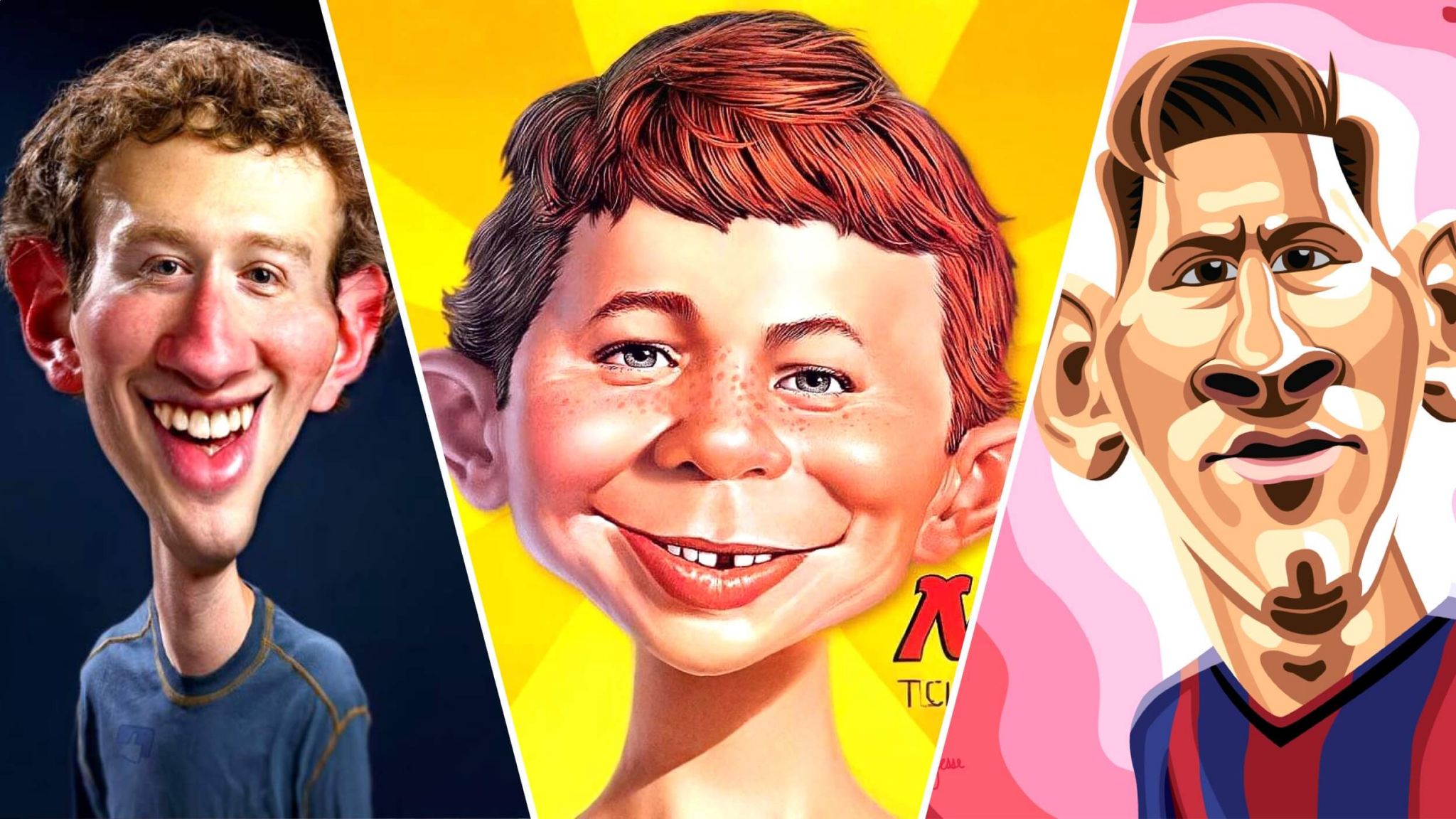
The Anatomy of Exaggeration in Visual Design
At its core, a caricature is a portrait that exaggerates or distorts the essence of a person or thing to create an easily identifiable visual representation. Far from being a random distortion, it is a calculated process of “visual prioritization.” The designer must identify the features that define the subject’s personality and amplify them while subordinating the less significant details.
The Role of Shape Language
In professional branding, shape language is the silent communicator of character. Round shapes often convey friendliness and approachability, while sharp angles suggest aggression, intellect, or high-energy ambition. When crafting a caricature, the artist utilizes these shapes to influence the viewer’s perception. A CEO might be drawn with strong, geometric, and angular features to convey decisiveness and authority, whereas a lifestyle influencer might be illustrated with soft, rounded curves to imply warmth and accessibility. This is not about mockery; it is about leveraging design principles to broadcast a specific brand narrative.
Simplification and Iconic Clarity
Minimalism is the soul of modern design. By stripping away redundant visual noise, a caricature forces the viewer to focus on the unique “hooks” of the subject. In a crowded marketplace, visual clarity is the currency of attention. When a brand uses a caricatured mascot or a stylized representation of its leadership team, it is engaging in a process of iconic reduction. By simplifying the features to their most iconic elements, the brand becomes easier to remember, replicate across different media, and associate with specific emotional triggers.
Caricature as a Strategic Branding Tool
Beyond art, the caricature serves as a highly functional asset in modern brand strategy. Many of the world’s most successful brands utilize caricature-like techniques to build a unique visual identity that distinguishes them from competitors. Whether through mascot design, editorial illustrations, or personalized avatar systems, the caricature bridges the gap between cold corporate identity and human-centric connection.
Building Human-Centric Mascot Identities
A mascot is, in many ways, a brand caricature. Consider the world’s most recognizable logos that feature living beings; they are almost always stylized, exaggerated, and personality-driven. These figures act as brand ambassadors, embodying the core values of the organization. By using the principles of caricature, designers can ensure these mascots maintain consistent character traits across various marketing touchpoints. When a brand character is designed with deliberate exaggerations—such as oversized expressive eyes for empathy or a bold silhouette for strength—it creates an instant psychological rapport with the consumer.
Personal Branding and Professional Storytelling
In an era of personal branding, the “professional caricature” has emerged as a nuanced tool for thought leaders and entrepreneurs. Unlike a standard professional headshot, which is static and often lacks personality, a custom-illustrated portrait can convey the specific “vibe” or “energy” of an individual. A designer might use stylized line work and specific color palettes to reflect a subject’s innovative spirit, creative flair, or grounded wisdom. This approach allows high-profile individuals to control their visual narrative, ensuring that their online presence feels authentic, curated, and distinctly memorable.

The Intersection of Psychology and Visual Perception
Why are humans so drawn to caricatures? The answer lies in the psychological phenomenon known as the “Supernormal Stimulus.” Our brains are hardwired to recognize faces, and we pay heightened attention to features that are bold, expressive, and distinct. A caricature exploits this evolutionary preference, creating an image that is often “more real than reality” to the human eye.
Memory Retention and Cognitive Load
Cognitive science suggests that we store information better when it is anchored to a visual hook. In marketing, the objective is to reduce cognitive load—to make the brand’s message easy to digest and hard to forget. By providing a caricature that focuses on a subject’s most defining traits, the designer minimizes the mental effort required for the audience to classify and remember that individual or brand. This is why editorial outlets use caricatures to accompany high-stakes political or corporate profiles; it simplifies the narrative and anchors the subject’s personality in the reader’s mind long after the article has been read.
The Emotional Connection
Design is ultimately about human connection. A well-executed caricature evokes an immediate emotional reaction—whether it is humor, respect, curiosity, or affection. By exaggerating expressions, the designer can “bake” a specific emotion into the brand’s visual assets. If a brand wants to be seen as approachable and witty, the caricature will emphasize a smirk or a playful tilt of the head. If the brand represents premium luxury and seriousness, the caricature might focus on sharp, sophisticated lines and a composed, focused gaze. This emotional encoding is essential for building brand loyalty.
Executing Effective Caricatures for Commercial Use
Integrating caricature into a professional design workflow requires more than just artistic skill; it requires a strategic mindset. Designers must move away from the “carnival style” of drawing and toward a “strategic style” that aligns with the broader marketing objectives.
Balancing Realism and Stylization
The key to a successful professional caricature is finding the “sweet spot” between recognizable reality and artistic flair. If the exaggeration is too subtle, the drawing loses its punch and becomes a standard portrait. If it is too extreme, the subject becomes unrecognizable or potentially offensive. To achieve the right balance, designers should focus on the “architecture” of the subject—the underlying structure of the face or the body—and then apply artistic exaggeration only to the features that reinforce the intended brand story.
Maintaining Brand Consistency
When developing caricatures for corporate collateral, consistency is paramount. This means establishing a clear style guide regarding line weight, color application, and the level of detail allowed. For instance, if a company is rebranding, a series of caricatures depicting the executive team should be unified by a common aesthetic approach, such as consistent color blocking or uniform line thickness. This ensures that the caricatures function as a cohesive set of brand assets rather than a disparate collection of drawings.

Leveraging Digital Tools for Scalability
Modern design tools allow for the creation of vector-based caricatures that are infinitely scalable and easily adaptable across digital and print media. By using software like Adobe Illustrator or Procreate with high-fidelity exporting options, designers can ensure that their caricatures retain their integrity whether they are featured on a massive billboard or a small social media profile icon. The transition from traditional sketching to digital execution allows for iterative design, where the exaggeration levels can be fine-tuned based on audience feedback and A/B testing, further cementing the caricature’s role as a data-driven tool in the designer’s arsenal.
In conclusion, the caricature is a sophisticated instrument of visual communication. By blending psychology, strategic branding, and expert design execution, it allows creators to distill complex identities into enduring icons. Whether used to build a relatable mascot, elevate a personal brand, or simplify a corporate narrative, the professional caricature remains a vital asset for any strategist looking to capture attention and communicate value in a visually cluttered world.
aViewFromTheCave is a participant in the Amazon Services LLC Associates Program, an affiliate advertising program designed to provide a means for sites to earn advertising fees by advertising and linking to Amazon.com. Amazon, the Amazon logo, AmazonSupply, and the AmazonSupply logo are trademarks of Amazon.com, Inc. or its affiliates. As an Amazon Associate we earn affiliate commissions from qualifying purchases.