
In the rapidly evolving landscape of medical technology (MedTech), the ability to quantify human physiology with precision has transitioned from the bedside to the cloud. Among the most critical metrics in cardiovascular health is “cardiac preload.” While traditionally a concept confined to intensive care units and physiology textbooks, cardiac preload has become a focal point for software developers, sensor engineers, and AI researchers. Understanding cardiac preload is no longer just a requirement for clinicians; it is a fundamental challenge for the next generation of health-tech innovations aiming to prevent heart failure through remote monitoring and predictive analytics.
The Engineering of Hemodynamics: Understanding Preload in the Digital Age
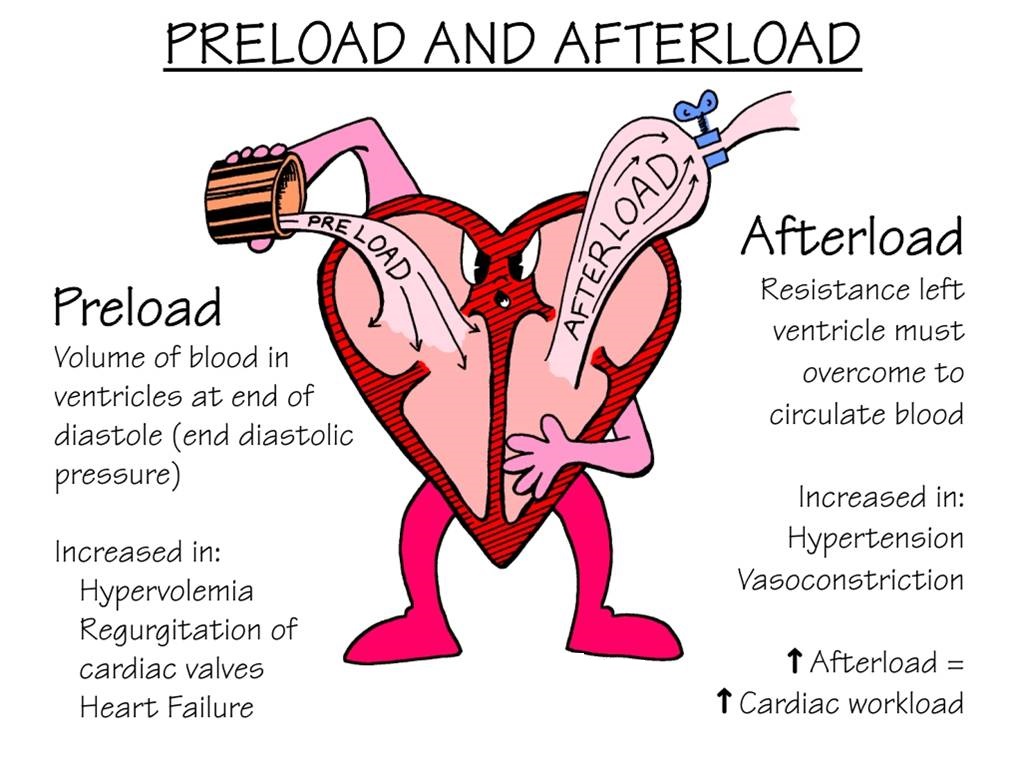
To understand the technology designed to measure cardiac preload, one must first understand the biological mechanism as a physical system. In engineering terms, the heart is a biological pump, and preload represents the “input pressure” or the “volume load” present in the ventricles at the end of diastole (the filling phase).
Defining Cardiac Preload: The Physics of Volume and Pressure
Cardiac preload refers to the degree of stretch of the cardiac myocytes (muscle cells) just before they contract. According to the Frank-Starling Law, the more the heart muscle is stretched (up to a physiological limit), the more forcefully it will contract. From a data perspective, preload is a proxy for “volume status.” If a patient is dehydrated, preload is low; if they are experiencing fluid overload—a common issue in chronic heart failure—preload is high. For tech developers, the challenge lies in the fact that “stretch” cannot be measured directly with a simple external sensor. Instead, we must rely on sophisticated algorithms to infer preload from pressure and volume data.
The Shift from Invasive Hardware to Digital Inference
Historically, measuring preload required invasive hardware, most notably the Swan-Ganz catheter (a pulmonary artery catheter). This involves threading a sensor through the veins directly into the heart. While accurate, this “legacy hardware” carries significant risks. The modern tech frontier is focused on “non-invasive hemodynamic monitoring.” This shift relies on signal processing and high-fidelity sensors that can estimate preload by analyzing pulse waves, thoracic impedance, or ultrasound images, moving the diagnostic process from a surgical suite to a wearable or handheld device.
Wearable Sensors and the Rise of Remote Patient Monitoring (RPM)
The most significant technological breakthrough in cardiac care is the integration of preload monitoring into Remote Patient Monitoring (RPM) platforms. For patients with Congestive Heart Failure (CHF), monitoring preload is the “holy grail” of preventing hospital readmissions. When preload begins to rise, it indicates that the heart is struggling to pump effectively, often days before the patient feels any physical symptoms.
Bioimpedance and Photo-plethysmography (PPG)
Modern wearables utilize various sensor modalities to track fluid status and cardiac load. One leading technology is Thoracic Bioimpedance. By passing a tiny, imperceptible electrical current through the chest, a device can measure the resistance of the tissue. Since water (blood/fluid) conducts electricity better than air or fat, changes in impedance can be algorithmically mapped to changes in cardiac preload.
Additionally, advancements in Photo-plethysmography (PPG)—the green or red lights found on the underside of smartwatches—are being used to analyze “Pulse Wave Variation” (PWV). By applying machine learning to the shape of the blood volume pulse, tech companies are developing software-as-a-medical-device (SaMD) that can alert a user if their hemodynamic status suggests an impending “volume overload” event.
Real-time Data Streams and Connectivity
The value of these sensors is maximized through the Internet of Medical Things (IoMT). Preload data is no longer a static snapshot taken during an annual physical. It is now a continuous data stream. Using Bluetooth Low Energy (BLE) and cellular-integrated hubs, cardiac data is transmitted to cloud-based platforms where it is visualized for medical teams. This “continuous loop” allows for proactive medication adjustments (such as diuretics), effectively using tech to manage the “load” on the heart in real-time.

The Role of AI and Machine Learning in Predictive Cardiac Care
Raw data from sensors is often noisy. Movement, skin tone, and environmental factors can interfere with the precision required to measure cardiac preload. This is where Artificial Intelligence (AI) and Machine Learning (ML) become the bridge between raw signals and clinical insights.
Algorithmic Modeling of Ventricular Filling
AI models are now being trained on massive datasets of “Gold Standard” invasive hemodynamic measurements paired with non-invasive sensor data. Deep learning architectures, such as Recurrent Neural Networks (RNNs) or Transformers, are particularly adept at recognizing the temporal patterns in a heartbeat that signify a change in preload. These algorithms can filter out the “noise” of daily life to provide a “hemodynamic signature” of the patient, allowing for a personalized baseline of what “normal” preload looks like for a specific individual’s heart structure.
Early Warning Systems: Preventing Heart Failure via AI
The ultimate goal of health technology in this niche is predictive intervention. By monitoring trends in cardiac preload over days and weeks, AI-driven platforms can predict a heart failure exacerbation with high sensitivity. In the tech world, this is known as “Predictive Maintenance” applied to the human body. Instead of waiting for a “system failure” (hospitalization), the software triggers an alert when the “operating parameters” (preload levels) deviate from the norm. This shift from reactive to proactive care is estimated to save billions in healthcare costs and drastically improve patient longevity.
The Future of Digital Twins and Simulation in Cardiology
Looking toward the next decade, the intersection of cardiac physiology and high-performance computing is leading us toward the era of the “Digital Twin.” This concept, borrowed from aerospace and manufacturing, involves creating a virtual replica of a physical asset—in this case, a patient’s heart.
Personalized Simulations of Cardiac Load
By integrating imaging data (like Echo or MRI) with real-time sensor data regarding preload and afterload, researchers can create a digital simulation of a patient’s cardiovascular system. Doctors can use these digital twins to “test” how a patient’s heart will respond to a specific tech-enabled treatment or a new medication. For example, a simulation could show exactly how much a patient’s preload will decrease if a specific digital health intervention is implemented, allowing for precision medicine that was previously impossible.
Cloud-based Diagnostic Ecosystems
The future of cardiac tech lies in the “platformization” of heart health. We are moving away from disconnected gadgets toward integrated ecosystems where data from a smart scale (weight gain indicating fluid), a wearable (PPG-derived preload trends), and a digital stethoscope (heart sounds) are synthesized in the cloud. These ecosystems will provide a 360-degree view of cardiac hemodynamics, making the complex concept of “cardiac preload” a transparent, actionable metric for both clinicians and patients.

Conclusion: The Tech-Driven Heart
What is cardiac preload? In the context of the modern technology industry, it is a vital data point that serves as the foundation for the next generation of life-saving innovations. By moving preload measurement from the realm of invasive surgery into the world of sensors, AI, and cloud computing, the tech industry is fundamentally changing how we interact with the human heart.
As sensors become more sensitive and AI becomes more intuitive, the ability to manage cardiac preload through technology will transition from a specialized medical task to a seamless part of our digital health infrastructure. For tech professionals, engineers, and investors, the “preload” problem is a prime example of how digital transformation can solve one of the most complex challenges in human biology, ensuring that the heart’s “input” is always balanced for optimal performance.
aViewFromTheCave is a participant in the Amazon Services LLC Associates Program, an affiliate advertising program designed to provide a means for sites to earn advertising fees by advertising and linking to Amazon.com. Amazon, the Amazon logo, AmazonSupply, and the AmazonSupply logo are trademarks of Amazon.com, Inc. or its affiliates. As an Amazon Associate we earn affiliate commissions from qualifying purchases.