
Carbonara pasta, far from being merely a culinary dish, stands as a formidable brand in the global gastronomic landscape. It represents a meticulously crafted identity, rich in history, strict in its core components, and fiercely protected by its adherents. To ask “what is carbonara pasta” is to inquire not just about its ingredients and preparation, but about its brand strategy, its market positioning, and the intricate loyalty it commands from consumers worldwide. In essence, Carbonara is a culinary product with a powerful and enduring brand narrative that defines authenticity, tradition, and uncompromising quality in Italian cuisine.

The Authentic Brand Identity of Carbonara
The very definition of Carbonara, when viewed through a branding lens, hinges on an unyielding adherence to a specific set of attributes that form its core identity. These attributes are not merely ingredients but are, in fact, the non-negotiable brand pillars upon which its reputation is built. Deviations from these fundamental elements are often perceived as diluting the brand, much like a counterfeit product undermines the value of an original.
Core Ingredients as Brand Pillars
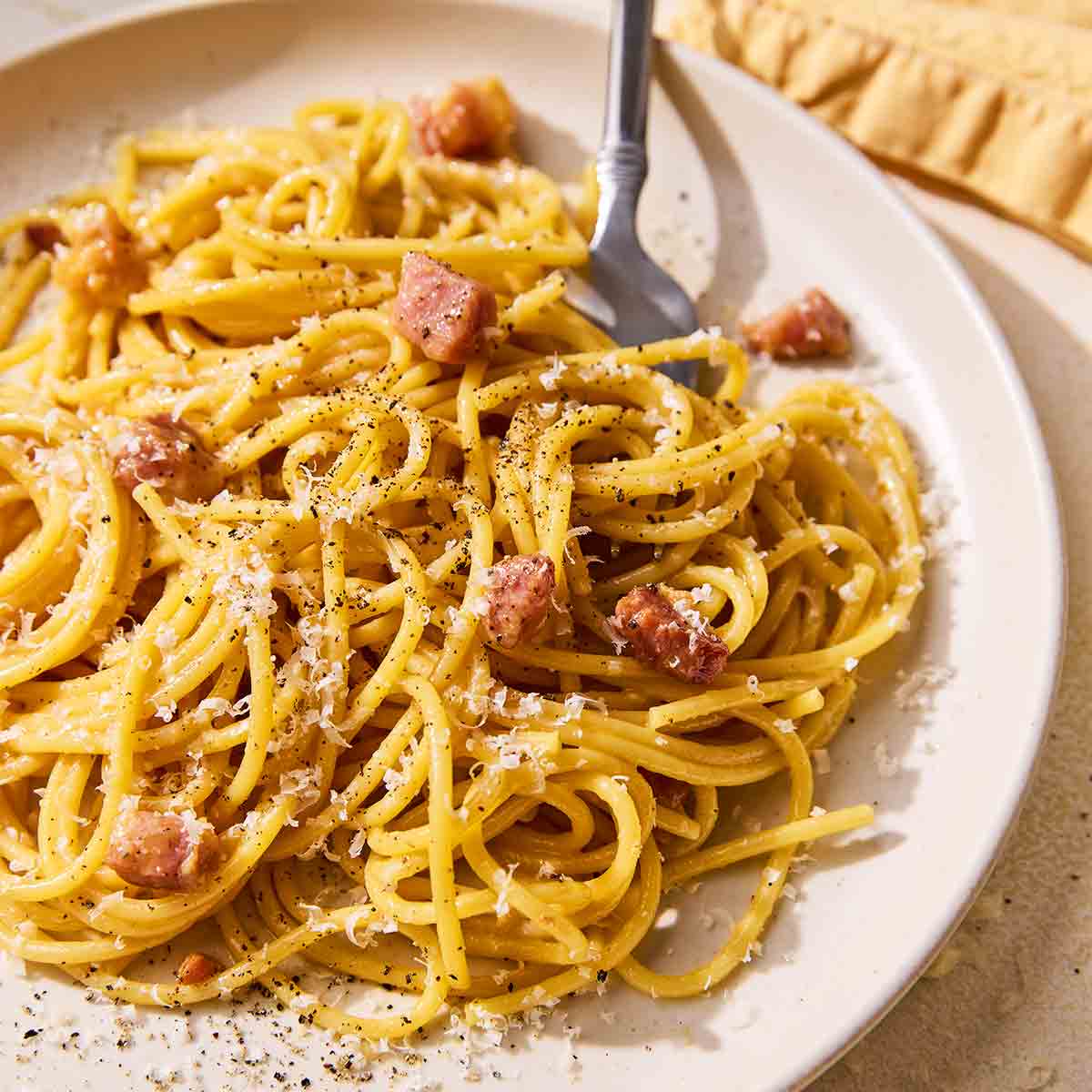
At the heart of the Carbonara brand are five sacred ingredients, each playing a critical role in its unique identity and flavor profile: guanciale, Pecorino Romano cheese, fresh eggs (primarily yolks), freshly ground black pepper, and pasta.
- Guanciale: This cured pork jowl is arguably the most defining ingredient. Its specific fat composition and unique curing process provide a depth of flavor, a crisp texture when rendered, and a distinct aroma that bacon, pancetta, or other pork products simply cannot replicate. From a brand perspective, guanciale is a unique selling proposition (USP), a signature element that differentiates Carbonara from countless other pasta dishes. Its absence or substitution fundamentally alters the product’s identity, often leading to a loss of brand recognition among purists.
- Pecorino Romano: This hard, salty sheep’s milk cheese is another non-negotiable brand pillar. Its sharp, tangy, and deeply savory profile provides the essential umami and creaminess to the sauce when emulsified with the egg and pasta water. Parmesan, while a fine cheese, lacks the distinctive bite and specific salinity that define the Carbonara brand. The very name “Romano” ties it to the dish’s geographic origins, further embedding its brand heritage.
- Fresh Eggs (Yolks): The creamy, luscious sauce of Carbonara is achieved through the emulsification of egg yolks (and sometimes a small amount of whole egg) with the rendered fat from the guanciale and a touch of starchy pasta water. This creates a velvety texture without the need for cream, which is unequivocally rejected by the authentic Carbonara brand. The “no cream” rule is perhaps the most fiercely guarded aspect of its brand integrity, distinguishing it from countless imitation dishes.
- Freshly Ground Black Pepper: More than just a seasoning, black pepper in Carbonara is an aromatic and visual signature. Its pungent heat balances the richness of the pork and cheese, and its liberal application contributes to the dish’s rustic elegance. It’s a subtle but essential component of the sensory brand experience.
- Pasta: While often spaghetti, other sturdy pasta shapes like rigatoni, bucatini, or mezze maniche are also used. The key is a pasta that can hold the rich sauce, offering the perfect textural counterpoint to the guanciale and creamy coating. The choice of pasta is part of the overall product design, ensuring optimal delivery of the brand’s core experience.
These ingredients are not interchangeable; they are the specific components that construct the Carbonara brand. Any deviation, such as the inclusion of cream, onion, garlic, or the substitution of guanciale with bacon, is seen by brand loyalists as a degradation of the product, eroding its authentic identity and reputation.
The Roman Heritage: A Story of Origin and Authenticity
Every strong brand has an origin story, and Carbonara’s narrative is deeply rooted in Rome, Italy. While its exact genesis is debated – some theories link it to American soldiers in WWII, others to Neapolitan charcoal burners (carbonari) – its strong association with Roman cuisine is undeniable and forms a powerful part of its brand equity. This historical grounding imbues the Carbonara brand with authenticity, tradition, and a sense of belonging to a specific culinary lineage.
The story of Carbonara emphasizes simplicity, resourcefulness, and the brilliance of transforming humble, high-quality ingredients into something extraordinary. This narrative resonates with consumers seeking genuine experiences and traditional craftsmanship, reinforcing the brand’s image as timeless and unadulterated. The “Roman” aspect is not just geographical; it signifies a culinary philosophy – one of respect for ingredients, precise technique, and an unwillingness to compromise on flavor. This origin story serves as a powerful marketing tool, evoking passion and pride, and acting as a benchmark against which all interpretations are measured.
Carbonara’s Global Market Presence and Brand Evolution

The global marketplace presents both opportunities and challenges for the Carbonara brand. Its immense popularity has propelled it onto menus worldwide, but this widespread adoption also creates tension between maintaining its authentic identity and adapting to diverse consumer preferences.
Maintaining Brand Integrity Amidst Adaptation
As the Carbonara brand travels beyond Italy’s borders, it encounters varying culinary traditions, ingredient availability, and consumer palates. This often leads to adaptations, some well-intentioned, others born of misunderstanding or commercial expediency. From a branding perspective, these adaptations represent a critical balancing act:
- Expansion vs. Dilution: Restaurants and chefs globally may introduce variations like “chicken carbonara,” “mushroom carbonara,” or versions incorporating cream for a richer, more familiar sauce texture. While these can broaden the appeal and introduce new consumers to the idea of carbonara, they risk diluting the core brand identity. The original Carbonara brand risks becoming just one variant among many, rather than the definitive benchmark.
- The “Authentic Roman Carbonara” Niche: Paradoxically, the proliferation of adaptations has strengthened the market for “authentic Roman Carbonara” as a premium niche. Establishments that meticulously adhere to the traditional recipe leverage this authenticity as a key differentiator and a powerful marketing message. They position themselves as custodians of the true Carbonara brand, attracting discerning consumers willing to pay a premium for the genuine article. This segmentation allows the traditional brand to thrive by clearly distinguishing itself from its imitations.
- Educational Role: Maintaining brand integrity often involves an educational component. Chefs, food writers, and culinary enthusiasts act as informal brand guardians, explaining the nuances of the authentic recipe and critiquing deviations. This ongoing dialogue shapes consumer expectations and reinforces what constitutes the “true” Carbonara brand.
Marketing the Carbonara Experience
Marketing Carbonara goes beyond simply listing ingredients; it involves crafting and communicating a comprehensive brand experience. The appeal of Carbonara is multifaceted, touching upon sensory, emotional, and cultural elements.
- Sensory Marketing: The brand is marketed through its rich sensory profile: the satisfying al dente bite of the pasta, the crisp chewiness of the rendered guanciale, the velvety smooth and savory sauce, the aromatic burst of freshly ground black pepper. Visuals play a crucial role: the vibrant golden hue of the sauce, the flecks of black pepper, the glistening guanciale. Restaurants showcase these elements in photography, menu descriptions, and the tableside presentation of a perfectly plated dish, emphasizing its visual appeal and textural promise.
- Storytelling and Emotional Connection: Marketing narratives often highlight Carbonara’s Roman heritage, its rustic charm, and the simple elegance of Italian cooking. This storytelling evokes a sense of tradition, comfort, and culinary craftsmanship. It connects consumers to a broader cultural narrative of passion, family, and good food, creating an emotional bond that goes beyond mere taste. For many, Carbonara isn’t just a meal; it’s an experience that transports them, offering a taste of Italy itself.
- Positioning in the Market: Carbonara occupies a versatile position, from a comforting staple in home kitchens to a sophisticated offering in fine dining establishments. This adaptability allows it to cater to a wide range of consumers. High-end restaurants might emphasize the provenance of their guanciale or the specific strain of Pecorino Romano, elevating the brand’s perception. More casual eateries focus on its accessibility and satisfying nature. This strategic positioning ensures broad market penetration while allowing for premium segmentation based on execution and ingredient quality.
- Influence of Modern Media: Food bloggers, social media influencers, and television chefs play a significant role in amplifying the Carbonara brand. Their endorsements, recipe demonstrations, and vivid imagery generate desire and reinforce ideal perceptions of the dish. The viral “carbonara debates” on platforms like Twitter or TikTok, though sometimes contentious, serve to keep the brand in public consciousness, sparking conversations about authenticity and best practices.
The Carbonara Brand: A Case Study in Culinary Identity
The pervasive discussions, strong opinions, and dedicated following surrounding Carbonara underscore its status as a robust culinary brand. It serves as an excellent case study for understanding how identity, loyalty, and guardianship shape a product’s enduring appeal.
Consumer Perception and Brand Loyalty
For many, “good carbonara” is not just a preference; it’s an expectation that aligns with a specific, deeply ingrained brand image. Consumers exhibit fierce loyalty to what they perceive as the authentic Carbonara brand. This loyalty manifests in several ways:
- Consistent Patronage: Diners will actively seek out and consistently return to restaurants known for their authentic Carbonara, demonstrating a strong preference for a particular brand execution.
- “Carbonara Debates”: The passionate arguments over ingredients (especially the “cream vs. no cream” debate) are a clear indicator of strong brand loyalty and a collective desire to protect the established brand identity. Consumers become informal brand advocates, defending what they believe to be the true product against perceived adulterations.
- Expectation of Quality: The Carbonara brand evokes an expectation of a certain quality, texture, and flavor profile. A poorly executed or non-authentic Carbonara can lead to significant consumer dissatisfaction, negatively impacting not only the individual restaurant’s brand but also potentially the broader perception of the dish among less informed consumers. Conversely, a perfect rendition solidifies the brand’s reputation for excellence.
Protecting the Recipe: Brand Guardianship
Unlike manufactured goods that might have trademarks or patents, the Carbonara brand is protected by cultural consensus and the collective vigilance of its enthusiasts. This informal “brand guardianship” is crucial for maintaining its integrity.
- Cultural Gatekeepers: Italian chefs, culinary academies, food critics, and passionate home cooks often act as cultural gatekeepers, vocally defending the traditional recipe. Their critique of “fake” Carbonara and their advocacy for authentic methods serve as an ongoing effort to educate the public and prevent brand dilution. This collective oversight functions much like quality control in a corporate brand, ensuring the product adheres to its established standards.
- Analogy to PDO: While Carbonara doesn’t possess a legally protected designation like many other Italian products (e.g., Parmigiano Reggiano or Prosciutto di Parma, which have Protected Designation of Origin or PDO status), the cultural insistence on its authenticity operates similarly. This communal pressure acts as a powerful deterrent against significant deviations, underscoring the value placed on traditional production methods and ingredient specificity.
- Authenticity as a Core Brand Asset: The relentless focus on authenticity within the Carbonara narrative highlights its role as a paramount brand asset in the culinary world. In an era of globalization and culinary fusion, the steadfastness of the Carbonara brand, rooted in its traditional identity, stands out as a testament to the power of a clear, uncompromising, and historically rich brand strategy. Its resilience against constant pressure for adaptation solidifies its position as a truly iconic and well-defined culinary brand.