
In the intricate world of business finance, “capitalization” is a foundational concept that often carries multiple layers of meaning, each critical for understanding a company’s financial health, structure, and strategic direction. Far from a simple term, capitalization encapsulates how a business funds its operations, how it records significant expenditures, and even how it’s valued in the public eye. For entrepreneurs, investors, and financial professionals alike, a clear grasp of capitalization is essential for making informed decisions, assessing risk, and charting a path for sustainable growth.
Unpacking the Core Concept of Business Capitalization
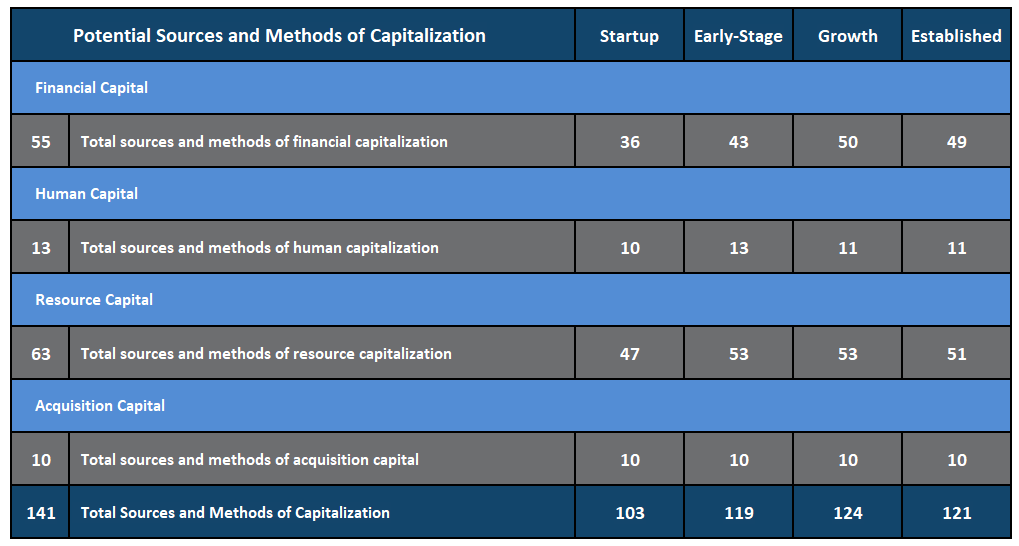
At its most fundamental, capitalization refers to the total amount of money used to run a business. This broad definition branches into several specific interpretations within business finance and accounting, each providing a unique lens through which to view a company’s financial position.
Capitalization as Funding and Structure
One primary meaning of capitalization relates to a company’s capital structure—the specific mix of debt and equity it uses to finance its assets and operations. This is the financial architecture of a business, dictating how its resources are acquired and funded. A company’s capitalization, in this sense, is the sum of its long-term debt, common equity, preferred equity, and retained earnings. This structure is not static; it evolves as the business grows, takes on new projects, and responds to market conditions. Understanding this structure is crucial because it directly impacts a company’s cost of capital, its financial risk profile, and its ability to attract further investment.
The Dual Nature: Assets vs. Expenses
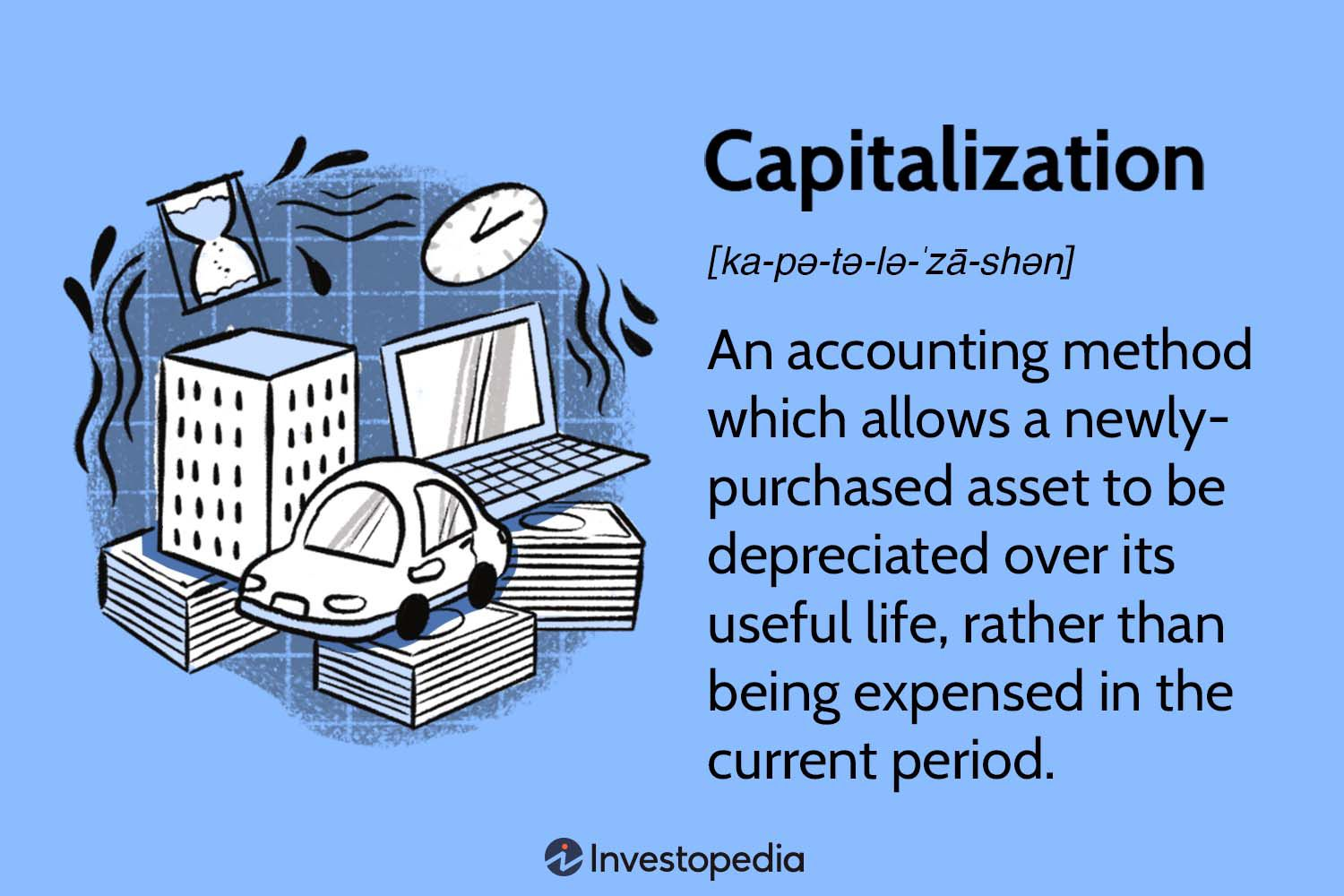
Another vital aspect of capitalization involves accounting treatment, specifically the distinction between an expense and a capital expenditure. When an expenditure is capitalized, it means that its cost is not immediately expensed in the period it was incurred. Instead, it is recorded as an asset on the balance sheet and then systematically expensed over its useful life through depreciation or amortization. This accounting principle is central to providing an accurate representation of a company’s assets and profitability over time, distinguishing between short-term operational costs and long-term investments that benefit future periods.
The Bedrock of Business Finance: Capital Structure
A company’s capital structure is the framework that supports its entire operational and growth strategy. It’s the balance between the funds borrowed from lenders and the funds invested by owners, significantly influencing a company’s financial leverage, risk, and potential returns.
Equity Capital: The Owners’ Stake
Equity capital represents the ownership stake in a company. It comprises funds contributed by shareholders (common stock, preferred stock) and accumulated profits that have been reinvested into the business (retained earnings).
- Common Stock: Represents ordinary ownership and typically carries voting rights, giving shareholders a say in company management.
- Preferred Stock: A hybrid security that has characteristics of both equity and debt. Preferred shareholders usually receive fixed dividend payments before common shareholders and have a higher claim on assets in liquidation, but typically do not have voting rights.
- Retained Earnings: Profits generated by the company that are not distributed as dividends but instead kept within the business to fund growth, reduce debt, or acquire assets.
Equity capital is considered “permanent” capital, as it does not have a maturity date and does not require periodic interest payments (though dividends may be paid). It is often seen as less risky for the company than debt, but it typically has a higher cost of capital because investors demand a higher return for the risk they assume.
Debt Capital: Leveraging External Funds
Debt capital involves funds borrowed from external sources, such as banks, bondholders, or other financial institutions. These funds must be repaid over a specified period, usually with interest.
- Term Loans: Loans from banks with a fixed repayment schedule.
- Bonds: Debt instruments issued to investors, promising to pay interest over a period and repay the principal at maturity.
- Lines of Credit: Flexible borrowing arrangements, often used for short-term working capital needs.
While debt capital can be a powerful tool for leveraging returns (if the return on invested capital exceeds the cost of debt), it also introduces financial risk. Companies must make regular interest payments regardless of profitability, and failure to do so can lead to default and bankruptcy. However, interest payments on debt are often tax-deductible, which can reduce a company’s overall tax burden.
Achieving an Optimal Capital Mix
Determining the optimal capital structure is a critical challenge for financial managers. It involves balancing the cost of capital, financial risk, and flexibility. Too much debt can make a company vulnerable to economic downturns and high interest rates, while too much equity can dilute ownership and raise the overall cost of capital. The ideal mix varies significantly by industry, company size, growth stage, and prevailing market conditions. A well-managed capital structure can lower a company’s weighted average cost of capital (WACC), enhance shareholder value, and provide the financial resilience needed to navigate business cycles.
Capitalizing Expenses: Transforming Costs into Assets
Beyond defining the sources of funding, capitalization in business also refers to a fundamental accounting principle where certain expenditures are recorded as assets on the balance sheet rather than being immediately expensed on the income statement. This distinction is crucial for accurately portraying a company’s long-term investments and profitability.
The Accounting Principle and Its Rationale
When an expenditure is capitalized, it is treated as an asset because it is expected to provide economic benefits over multiple future accounting periods. This aligns with the matching principle in accounting, which dictates that expenses should be recognized in the same period as the revenues they help generate. If a large outlay provides benefits for many years, expensing it all in one year would distort that year’s profitability and understate the company’s assets. By capitalizing the cost, the expense is spread out over the asset’s useful life through depreciation (for tangible assets) or amortization (for intangible assets).
Common Capitalized Assets and Their Impact
Typical examples of capitalized expenses include:
- Property, Plant, and Equipment (PPE): Purchases of land, buildings, machinery, vehicles, and other long-lived tangible assets.
- Intangible Assets: Costs associated with acquiring or developing patents, copyrights, trademarks, and certain software development.
- Major Repairs and Improvements: Expenditures that extend the useful life or increase the productive capacity of an existing asset, rather than merely maintaining it.
The decision to capitalize an expense has a significant impact on financial statements:
- Balance Sheet: Capitalized costs increase the asset base, making the company appear more valuable in terms of its resources.
- Income Statement: Spreading the cost through depreciation or amortization generally results in lower expenses in the initial period compared to immediate expensing, leading to higher reported net income in the short term. Over the asset’s life, the total expense recognized will be the same, but its timing changes.
- Cash Flow Statement: Capital expenditures are reported as investing activities, distinguishing them from operational cash outflows.
Depreciation and Amortization: Spreading the Cost
Once an asset is capitalized, its cost is systematically reduced over its useful life through non-cash expenses:
- Depreciation: The process of allocating the cost of a tangible asset (like machinery or buildings) over its estimated useful life. Common methods include straight-line depreciation and accelerated depreciation (e.g., declining balance).
- Amortization: The process of allocating the cost of an intangible asset (like a patent or software license) over its useful life.
These processes reflect the gradual consumption of the asset’s economic benefits and are crucial for presenting a true and fair view of a company’s financial performance over time.
Market Capitalization: A Public Company Valuation Metric
For publicly traded companies, “capitalization” often refers to market capitalization, a crucial metric representing the total value of a company’s outstanding shares of stock. This concept is distinct from a company’s internal capital structure or accounting capitalization of expenses, yet it’s profoundly influenced by both.
Calculation and Significance
Market capitalization is calculated by multiplying the current share price of a company by the total number of its outstanding shares. For example, if a company has 100 million shares outstanding and its stock trades at $50 per share, its market capitalization is $5 billion.
Market capitalization serves several vital functions:
- Size Indicator: It’s the primary way investors and analysts categorize companies as large-cap, mid-cap, or small-cap, influencing investment strategies and risk assessments. Larger market caps generally indicate greater stability and liquidity.
- Investor Perception: It reflects the collective market’s valuation of a company’s future prospects, profitability, and asset base. A high market cap often suggests strong investor confidence and growth potential.
- Acquisition Target Valuation: For potential acquirers, market capitalization provides a baseline for the cost of taking over a publicly traded company.
It’s important to note that market capitalization is a dynamic figure, fluctuating daily with changes in the stock price. It reflects not just the company’s tangible assets and current earnings but also its brand equity, intellectual property, growth prospects, and overall market sentiment.
Beyond Market Value: Understanding Enterprise Value
While market capitalization is a widely used metric, it only reflects the equity value of a company. A more comprehensive valuation measure for a company’s total value is Enterprise Value (EV). EV goes beyond market capitalization by adding the market value of a company’s debt and subtracting any cash and cash equivalents.
EV = Market Capitalization + Total Debt – Cash & Cash Equivalents
Enterprise Value is often preferred by analysts because it represents the total value of a company’s capital, regardless of whether it’s financed by debt or equity. It provides a more accurate picture of the total cost of acquiring a company and is particularly useful when comparing companies with different capital structures.
Strategic Implications and Future Growth
Understanding capitalization in all its facets is not merely an academic exercise; it has profound strategic implications for business leaders, impacting everything from daily operations to long-term growth trajectories.
Fueling Expansion and Innovation
A company’s capital structure directly influences its ability to raise funds for expansion, research and development, and strategic acquisitions. A robust capital base, whether through a healthy mix of equity and debt, or strong retained earnings, provides the necessary dry powder to pursue growth opportunities. Capitalizing appropriate expenses allows a company to invest in long-term assets that drive innovation and competitive advantage, spreading the cost and avoiding short-term profit erosion.
Risk Management and Investor Confidence
Effective capitalization management is central to risk management. A prudent capital structure helps a company withstand economic downturns and unexpected challenges by ensuring it has sufficient liquidity and manageable debt obligations. For public companies, a healthy market capitalization signals stability and potential, attracting investors and potentially lowering the cost of future capital raises. A strong capitalization strategy fosters investor confidence, reflecting a well-managed and financially sound entity.

Capitalization as a Strategic Lever
Ultimately, capitalization is a strategic lever for business leaders. Decisions about how to fund operations, what expenses to capitalize, and how to manage market valuation are not isolated financial choices. They are intertwined with a company’s overarching business strategy, its competitive positioning, and its long-term vision. By thoughtfully managing their capitalization, businesses can optimize their financial performance, enhance their resilience, and unlock their full potential for sustained growth and value creation.
aViewFromTheCave is a participant in the Amazon Services LLC Associates Program, an affiliate advertising program designed to provide a means for sites to earn advertising fees by advertising and linking to Amazon.com. Amazon, the Amazon logo, AmazonSupply, and the AmazonSupply logo are trademarks of Amazon.com, Inc. or its affiliates. As an Amazon Associate we earn affiliate commissions from qualifying purchases.