
Capital One Financial Corporation stands as a distinctive and influential player in the global financial services industry. Far from being just another traditional bank, Capital One has carved out a unique identity through its innovative application of technology, its strategic focus on credit card lending, and its eventual expansion into a comprehensive suite of consumer and business banking products. Understanding “what is Capital One Bank” requires delving into its origins, its core financial offerings, and its enduring commitment to a data-driven approach that has shaped its evolution into a modern financial powerhouse.

The Genesis and Evolution of Capital One’s Financial Model
Capital One’s journey began with a clear vision to disrupt the traditional banking model, particularly within the credit card sector. Its story is one of calculated risk, analytical prowess, and a relentless pursuit of new market opportunities.
From Credit Card Innovator to Diversified Financial Services
Founded in 1994 by Richard Fairbank and Nigel Morris, Capital One originated as a spin-off from Signet Bank. Its foundational strategy was revolutionary for its time: use sophisticated data analytics and direct marketing to offer credit cards tailored to a wide spectrum of consumers, including those underserved by traditional lenders. This quantitative, information-based approach allowed Capital One to precisely assess risk and price credit, transforming the credit card market. Unlike competitors who often adopted a “one-size-fits-all” approach, Capital One excelled at segmenting the market and developing highly targeted products. This early success in credit cards provided the capital and expertise to gradually diversify, extending its reach into consumer banking, auto lending, and eventually commercial banking, evolving from a credit card specialist into a full-service financial institution.
A Challenger Bank Mindset in a Traditional Landscape
Even as it grew to rival established financial giants, Capital One largely maintained what could be described as a “challenger bank” mindset. This meant prioritizing agility, innovation, and a customer-centric focus, often leveraging technology more aggressively than its older counterparts. While many traditional banks were weighed down by legacy systems and conservative strategies, Capital One embraced analytics to inform everything from product design to customer service. This approach allowed it to develop financial products that were often more flexible, competitive, and responsive to evolving consumer needs, particularly in areas like reward programs and credit card features. Its willingness to experiment and iterate on financial offerings set it apart, creating a dynamic model that continually sought to optimize value for both customers and shareholders.
Strategic Acquisitions and Market Expansion
Capital One’s expansion beyond its credit card origins was significantly bolstered by strategic acquisitions that broadened its financial product portfolio and geographic footprint. Key among these was the acquisition of Hibernia National Bank in 2005, which provided a significant branch network and a full suite of retail and commercial banking services in the southern U.S. This was followed by the acquisition of North Fork Bank in 2006, further cementing its presence in the northeastern U.S. These moves were not merely about increasing scale; they were about integrating diverse financial capabilities under the Capital One umbrella, allowing it to offer checking accounts, savings accounts, mortgages, and commercial loans alongside its thriving credit card business. These acquisitions were crucial in transforming Capital One from a specialized lender into a diversified financial services provider capable of competing across multiple segments of the money market.
Core Financial Offerings and Customer Segments
Capital One’s comprehensive financial ecosystem caters to a broad spectrum of individuals, small businesses, and large corporations, offering tailored products designed to meet diverse financial goals.
Personal Banking Solutions: Deposits, Savings, and Lending
For individual consumers, Capital One provides a robust suite of personal banking products. This includes various checking accounts, such as the Capital One 360 Checking account, known for its no-fee structure and strong digital features. Their savings accounts, like the Capital One 360 Performance Savings, are frequently cited for competitive interest rates, encouraging customers to grow their wealth. Additionally, Capital One offers Certificates of Deposit (CDs) with various terms, providing secure, interest-bearing options for longer-term savings goals. In the lending space, beyond credit cards, they provide personal loans that can be used for debt consolidation, home improvements, or other significant expenses, often boasting a streamlined application process and competitive rates for qualified borrowers. These products are designed to make everyday money management and savings accessible and rewarding for their customer base.
The Credit Card Empire: Innovation and Accessibility
At the heart of Capital One’s financial operations lies its formidable credit card division. Renowned for its extensive portfolio, Capital One offers a card for almost every financial profile, from those rebuilding their credit to affluent individuals seeking premium rewards. Their product range includes secured cards for those with limited or poor credit, helping them establish a credit history; cash back cards that reward everyday spending; travel rewards cards for frequent flyers; and low-interest options. Capital One distinguishes itself through innovative reward programs, sign-up bonuses, and user-friendly digital tools for managing credit accounts. This strategic depth in the credit card market allows them to capture a wide array of consumers and maintain a significant competitive edge through tailored financial solutions and responsible credit access.
Business Banking and Commercial Lending
Capital One extends its financial expertise to the business sector, offering solutions for both small businesses and larger commercial entities. Small business owners can access tailored checking and savings accounts designed to simplify their financial operations, along with business credit cards offering specific rewards and expense management tools. For larger enterprises, Capital One provides comprehensive commercial lending services, including real estate financing, corporate lines of credit, and equipment loans. Their commercial banking division focuses on building long-term relationships, offering treasury management services, and customized financial solutions to support growth, optimize cash flow, and manage risk for a wide array of industries, demonstrating their commitment to fueling economic development beyond individual consumers.
Auto Finance: A Significant Lending Arm
Complementing its credit card and traditional banking services, Capital One is a major player in the auto finance market. They offer auto loans for both new and used vehicles, working with a vast network of dealerships across the country, as well as providing direct lending options for consumers. Their auto finance arm aims to make vehicle ownership accessible to a broad range of credit profiles, from prime borrowers to those with less-than-perfect credit. Capital One’s focus in this area is on providing competitive rates, flexible terms, and a straightforward application process, helping individuals finance one of their most significant personal assets. This segment represents a critical part of their lending portfolio, further diversifying their financial risk and revenue streams.
Capital One’s Distinctive Approach to Financial Services
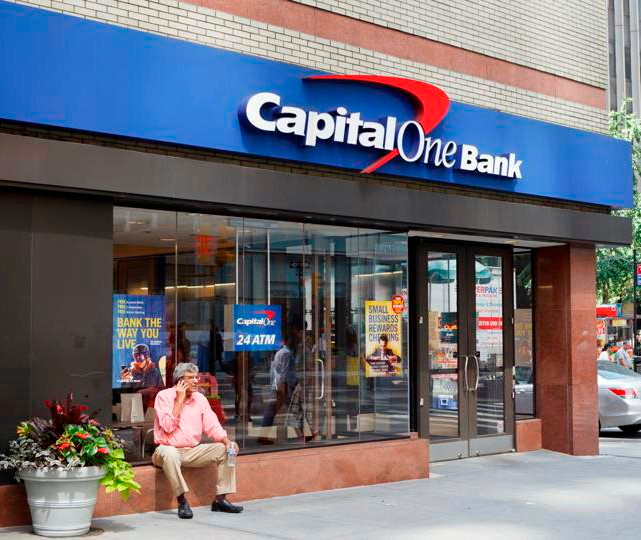
Capital One’s success and unique positioning within the financial sector are largely attributable to its distinctive operational philosophy, deeply rooted in data, technology, and customer understanding.
Data-Driven Underwriting and Risk Management
From its inception, Capital One has been a pioneer in leveraging data analytics for underwriting and risk management. This approach allows them to analyze vast amounts of financial and behavioral data to make more precise lending decisions, particularly in the credit card and auto loan sectors. By understanding risk at a granular level, they can offer credit to a wider range of customers, often customizing interest rates and terms based on individual profiles. This sophisticated modeling minimizes defaults while maximizing market reach, striking a delicate balance between accessibility and responsible lending. This data intelligence also extends to identifying fraudulent activities and protecting customer assets, reinforcing the security of their financial operations.
Technology Integration for Enhanced Financial Accessibility
While not a pure “tech” company, Capital One’s deep investment in technology fundamentally enhances its financial offerings and customer experience. Their robust online banking platform and highly-rated mobile app provide seamless access to financial tools and services. Customers can easily check balances, pay bills, transfer funds, manage credit cards, and track their spending, all from their digital devices. This technological infrastructure focuses on delivering convenience, transparency, and control over personal finances, making banking more accessible and intuitive. The integration of digital tools allows for faster loan approvals, real-time account management, and personalized financial insights, directly empowering customers in their money management journey.
Customer-Centric Financial Design
Capital One’s commitment to understanding its customers is evident in its product design and service delivery. They actively seek feedback and utilize market research to develop financial products that truly address customer needs and pain points. This involves designing credit cards with relevant rewards, offering savings accounts with competitive APYs, and providing intuitive digital interfaces for managing money. Their Capital One Cafés, for example, blend traditional banking services with coffee shop amenities, creating accessible, low-pressure environments for financial consultations and community engagement. This customer-centric approach extends to their support services, aiming to provide insightful guidance and effective solutions, ensuring that their financial offerings are not just products, but tools that facilitate better financial well-being.
Navigating the Financial Landscape with Capital One
Capital One’s role in the money landscape extends beyond simply offering products; it actively seeks to empower consumers and businesses through various tools and strategies.
Empowering Personal Finance Management
Capital One provides customers with numerous resources and tools to take control of their personal finances. Their mobile app features include spending trackers, budgeting tools, and the ability to set savings goals, helping users visualize and manage their money effectively. Furthermore, services like CreditWise offer free access to credit scores and credit alerts, allowing individuals to monitor and improve their financial health. By integrating these analytical tools directly into their platforms, Capital One helps customers make informed financial decisions, build healthier financial habits, and work towards their long-term monetary objectives, from saving for a down payment to planning for retirement.
Financial Inclusion and Accessibility
A significant aspect of Capital One’s impact on the money landscape is its commitment to financial inclusion. By leveraging its data-driven underwriting capabilities, Capital One has historically been able to provide credit access to a broader demographic, including individuals who might have been overlooked by more conservative lenders. This approach has helped many establish or rebuild their credit history, granting them access to crucial financial products that are often prerequisites for major life milestones like buying a home or a car. This focus on accessibility, combined with user-friendly digital platforms, makes financial services available to a wider segment of the population, contributing to greater financial equity.
The Future of Banking: Capital One’s Vision for Money Management
Capital One continuously looks to the future, envisioning how financial services can better meet evolving needs. Their ongoing investment in advanced analytics and machine learning aims to provide more personalized financial advice and proactive solutions. This means leveraging data not just for risk assessment but also for offering tailored recommendations, predicting financial challenges, and helping customers optimize their spending and saving strategies. By focusing on intelligent, predictive money management, Capital One is shaping a future where banking is less transactional and more advisory, becoming an indispensable partner in its customers’ financial journeys.
Weighing the Benefits and Considerations for Consumers
For individuals and businesses considering Capital One as their financial partner, understanding both the advantages and specific considerations is key.
Advantages: Diverse Products and Digital Convenience
The primary advantages of banking with Capital One lie in its diverse range of financial products, catering to nearly every need from credit cards to auto loans to comprehensive business banking. Its strong digital presence, including an intuitive mobile app and online banking platform, offers unparalleled convenience and 24/7 access to account management tools. Competitive interest rates on savings accounts and a variety of reward programs on credit cards further enhance its appeal, providing tangible financial benefits to users who actively engage with their offerings.
Considerations: Interest Rates and Product Suitability
While Capital One offers a broad spectrum of products, it is essential for consumers to carefully evaluate interest rates, fees, and specific product terms. For instance, while their credit cards offer great rewards, some may come with higher annual percentage rates (APRs) for certain credit profiles. Similarly, loan products should be compared against market rates to ensure they align with individual financial goals and repayment capacities. Understanding the specific features and conditions of each Capital One product is crucial to ensuring it is the right fit for one’s personal or business financial situation.
In conclusion, Capital One Bank is far more than a conventional financial institution. It is a dynamic, data-driven entity that began by revolutionizing the credit card industry and has since grown into a comprehensive financial services provider. Through its innovative use of analytics, its commitment to digital convenience, and its customer-centric approach to product design, Capital One continues to reshape how individuals and businesses manage their money, standing as a testament to the power of blending technological foresight with traditional financial principles.
aViewFromTheCave is a participant in the Amazon Services LLC Associates Program, an affiliate advertising program designed to provide a means for sites to earn advertising fees by advertising and linking to Amazon.com. Amazon, the Amazon logo, AmazonSupply, and the AmazonSupply logo are trademarks of Amazon.com, Inc. or its affiliates. As an Amazon Associate we earn affiliate commissions from qualifying purchases.