
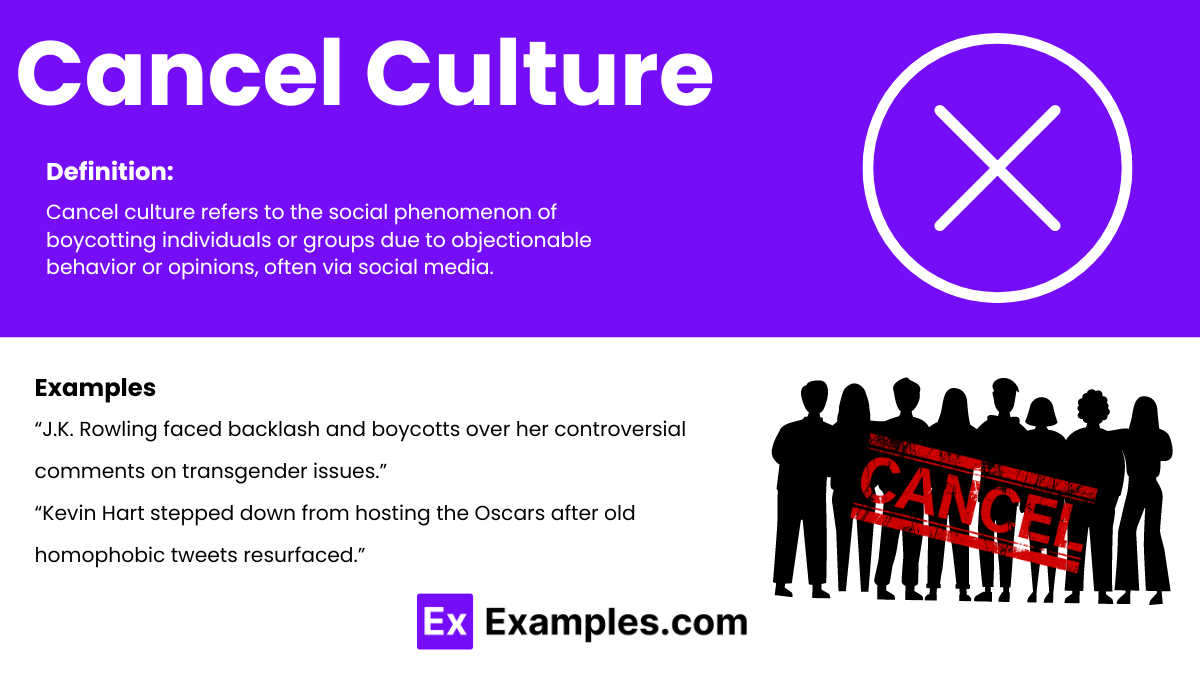
In the contemporary digital landscape, the term “cancel culture” has evolved from a social media trend into a critical business variable. For brand strategists, marketing executives, and entrepreneurs, understanding the definition of cancel culture is no longer a matter of keeping up with internet slang—it is a fundamental requirement for protecting brand equity and navigating the complexities of modern consumer behavior. At its core, cancel culture represents a collective withdrawal of support from a public figure or a brand, typically in response to perceived social, ethical, or moral transgressions.

In the corporate world, this phenomenon manifests as high-velocity reputation crises that can lead to immediate financial loss, long-term brand erosion, and a fundamental shift in market positioning. To manage a brand effectively in the 21st century, one must look beyond the surface-level controversy and analyze cancel culture as a mechanism of social accountability that dictates the lifespan of brand loyalty.
Understanding Cancel Culture Through the Lens of Brand Equity
To define cancel culture within a professional brand strategy context, we must view it as a form of “reputation volatility.” It is the process by which stakeholders—consumers, employees, and investors—utilize digital platforms to demand accountability, often resulting in a rapid de-platforming or boycott of the entity in question.
From Social Accountability to Digital Boycott
The primary driver of cancel culture is the democratization of influence. Historically, brand reputations were managed through controlled PR channels. Today, a single viral post can ignite a global movement. From a branding perspective, “canceling” is the ultimate expression of consumer sovereignty. It is an organized effort to devalue a brand’s social currency. When a brand is “cancelled,” it isn’t just being criticized; it is being rejected as a viable participant in the consumer’s lifestyle or identity. This rejection is often fueled by a perceived violation of the “social contract” between the brand and its audience.
The Velocity of Public Sentiment
What distinguishes cancel culture from traditional brand boycotts of the past is velocity. In the pre-digital era, a scandal might take weeks to permeate the public consciousness. In the age of social media, the transition from a perceived misstep to a full-scale “cancel” campaign can happen in hours. This speed leaves little room for traditional, slow-moving corporate responses. For brands, this means that real-time monitoring and a deep understanding of cultural nuances are essential components of modern brand strategy. The definition of cancel culture in this context is “the accelerated erosion of brand trust driven by peer-to-peer digital amplification.”
The Anatomy of a Brand Crisis: Why Businesses Get “Cancelled”
Brands do not get cancelled in a vacuum. Usually, the “cancellation” is the culmination of a misalignment between the brand’s stated values and its operational reality. Understanding these triggers is essential for proactive brand protection.
Misalignment of Values and Action
The modern consumer—particularly Gen Z and Millennials—purchases based on values. They look for brands that act as allies to their social and environmental concerns. Cancel culture often targets “performative activism,” where a brand claims to support a cause (such as environmentalism or social justice) but acts in a way that contradicts those claims. For example, a brand that posts a message of solidarity during a social movement but has a history of poor labor practices is a prime candidate for cancellation. The gap between “say” and “do” is where brand risk lives.
Historical Scrutiny and the Digital Paper Trail
In the digital age, nothing is truly deleted. Brands are frequently held accountable for actions or advertisements from a decade ago. Cancel culture often involves “digging up” past content that does not align with current social standards. This retrospective scrutiny means that brand identity must be managed with a long-term view. A brand’s history is a permanent part of its current identity, and failing to address past mistakes proactively can lead to a sudden and damaging resurgence of old controversies.
Cultural Insensitivity in Global Marketing
As brands expand globally, the risk of cultural tone-deafness increases. What works in one market may be deeply offensive in another. Many high-profile cancellations result from marketing campaigns that rely on stereotypes or ignore local cultural sensitivities. In these instances, the “definition” of the brand is rewritten by the offended community, often labeling the company as exclusionary or ignorant, which can take years to rectify.
Strategies for Resilience: Managing Reputation in the Age of Outrage
Since the risk of being cancelled is ever-present, brand strategy must shift from a defensive posture to a resilient one. Resilience is not about avoiding criticism; it is about building a brand robust enough to survive and learn from it.
The Power of Proactive Brand Positioning
The best defense against cancel culture is a well-defined and authentic brand identity. If a brand has spent years building genuine trust through consistent actions, it is more likely to be given the benefit of the doubt when a misunderstanding occurs. Proactive positioning involves clearly defining the brand’s “North Star”—its core mission and ethics—and ensuring that every department, from supply chain to marketing, adheres to these principles. When a brand’s foundation is authentic, it is much harder for a single incident to dismantle the entire identity.
Authentic Crisis Communication vs. Performative Activism
When a crisis hits, the corporate response often determines whether the brand is “cancelled” or simply “called in” for correction. The era of the “corporate non-apology” is over. To navigate a cancellation attempt, brands must utilize radical transparency and genuine accountability. This means admitting fault without caveats, outlining specific steps for rectification, and avoiding the trap of performative activism. A professional response should be swift, humble, and, most importantly, backed by tangible change.
Monitoring Social Sentiment and Early Detection
Digital security and PR now overlap. Brands must invest in advanced social listening tools to monitor sentiment in real-time. By identifying a grievance while it is still in the “fringe” stage, a brand can address the issue before it hits the mainstream. Managing cancel culture requires an “early warning system” that allows brand managers to engage with critics and resolve issues before they escalate into a viral boycott.
Rebuilding Brand Trust Post-Cancellation
If a brand has been “cancelled,” the road to recovery is long but not impossible. It requires a fundamental rebranding of the company’s relationship with its audience.
Meaningful Restitution and Long-term Change
Recovery cannot be achieved through a PR campaign alone. It requires what experts call “structural change.” If a brand was cancelled for environmental reasons, it must invest in verifiable sustainable practices. If it was cancelled for a lack of diversity, it must change its hiring practices and board composition. The definition of recovery in cancel culture is “the demonstration of reform over time.” Trust is rebuilt through a series of consistent, positive actions that prove the brand has learned from its transgression.
Re-engaging the Silent Majority
While cancel culture is often driven by a vocal minority, its impact is felt by the “silent majority” of consumers who may simply stop buying the product to avoid social friction or because their perception of the brand has been subtly soured. Rebuilding trust involves re-engaging these consumers by returning to the core value proposition of the brand while acknowledging the steps taken to improve. It’s about proving that the brand is still relevant and has evolved to meet the higher standards of the modern marketplace.
The Future of Brand Accountability and Ethical Consumerism
Cancel culture is not a fleeting trend; it is the new baseline for brand-consumer interactions. It represents a shift in power where the consumer holds the ultimate “veto” over a brand’s presence in the market.
For brand managers, this means that “brand safety” is no longer just about where your ads appear; it’s about what your brand stands for. The future of branding lies in radical authenticity. As AI and data analytics make corporate actions even more transparent, the brands that thrive will be those that view cancel culture not as a threat to be feared, but as a framework for maintaining high ethical standards.
In conclusion, the definition of cancel culture in the business world is a rigorous, community-led audit of brand integrity. By embracing transparency, maintaining a narrow “say-do” gap, and treating social accountability as a core business metric, brands can navigate this volatile landscape and emerge with a more loyal and engaged customer base. The age of the untouchable brand is over; the age of the accountable brand has begun.
aViewFromTheCave is a participant in the Amazon Services LLC Associates Program, an affiliate advertising program designed to provide a means for sites to earn advertising fees by advertising and linking to Amazon.com. Amazon, the Amazon logo, AmazonSupply, and the AmazonSupply logo are trademarks of Amazon.com, Inc. or its affiliates. As an Amazon Associate we earn affiliate commissions from qualifying purchases.