
California’s Proposition 65, officially known as the Safe Drinking Water and Toxic Enforcement Act of 1986, is a unique and often misunderstood regulation that profoundly impacts businesses operating in the state and, by extension, consumers nationwide. While its primary intent is to protect public health by informing Californians about exposures to chemicals known to cause cancer, birth defects, or other reproductive harm, its implementation and enforcement have created a complex financial landscape. Far from being a mere public health notice, Prop 65 has become a significant factor in business finance, consumer spending, and the broader economic calculus of selling goods and services in the world’s fifth-largest economy. Understanding “what is California Prop 65” necessitates a deep dive into its financial ramifications for all stakeholders.
The Financial Landscape of Prop 65 Compliance
For any business looking to sell products in California, Prop 65 compliance is not just a regulatory hurdle but a substantial line item in their budget. The costs associated with adhering to this regulation are multi-faceted, ranging from direct expenditures on testing and labeling to indirect operational overheads and strategic shifts.
Direct Costs for Businesses
The most immediate and tangible financial burden of Prop 65 falls on businesses through a series of direct costs. These expenses are often non-negotiable for market access in California.
-
Product Testing and Analysis: Identifying whether a product contains chemicals on the Prop 65 list, and if so, at what levels, requires rigorous and often expensive laboratory testing. Businesses must invest in chemical analysis for raw materials, intermediate products, and finished goods. This isn’t a one-time cost; it often involves ongoing, batch-specific testing, especially for products with variable natural ingredients (e.g., food, supplements) or complex manufacturing processes. For small businesses, these testing costs can be prohibitive, acting as a barrier to entry into the Californian market.
-
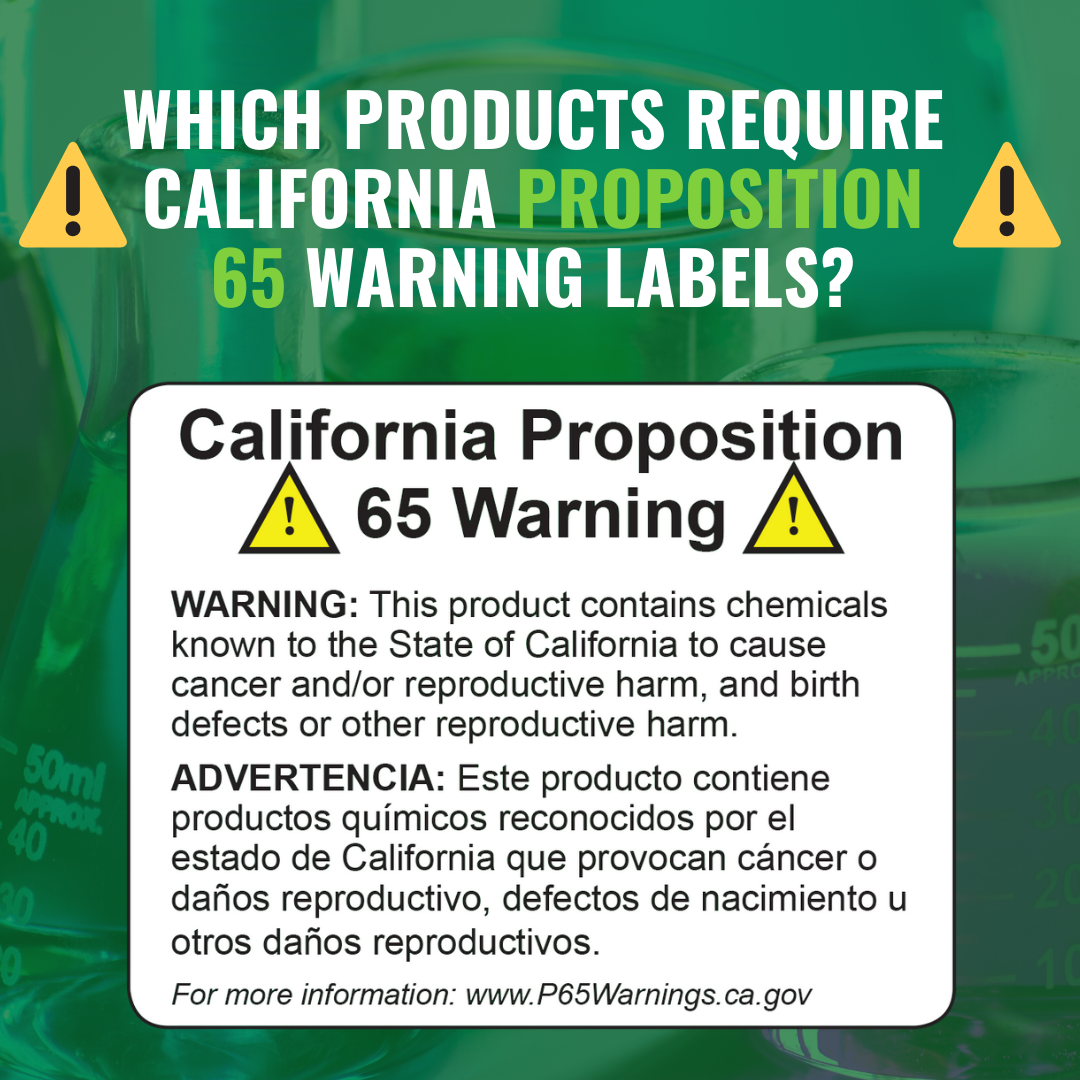
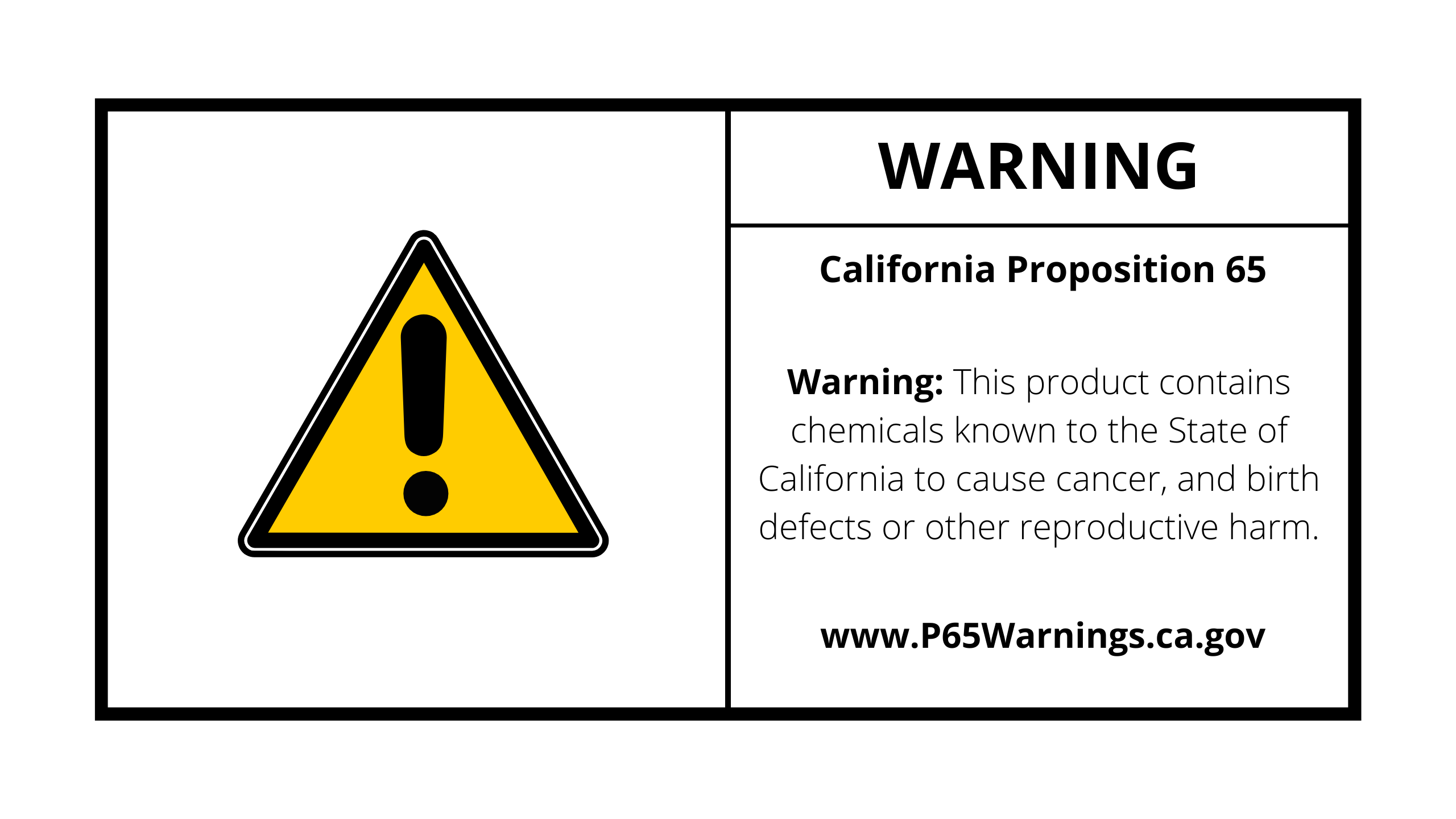
Labeling and Packaging Redesign: If a chemical requiring a warning is present above the “safe harbor” level, businesses must provide a “clear and reasonable” warning. This mandates redesigning product labels, packaging, and potentially even point-of-sale displays. The financial implications include graphic design fees, printing new packaging materials, managing inventory of old vs. new stock, and potential production line disruptions during the transition. For companies with diverse product lines or global distribution, this localized labeling requirement can introduce significant logistical complexity and cost.
-
Supply Chain Management and Reformulation: Compliance often extends beyond the finished product back into the supply chain. Businesses may incur costs in auditing their suppliers, requiring material certifications, or even seeking new suppliers whose ingredients or components are Prop 65-compliant. In some cases, to avoid warnings or reduce risk, companies may invest heavily in reformulating products, sourcing alternative materials, or modifying manufacturing processes. This can involve R&D expenses, new equipment, and potential increases in raw material costs, all aimed at reducing or eliminating listed chemicals.
-
Legal Counsel and Consulting Fees: Proactive legal advice is paramount to navigate the intricacies of Prop 65. Businesses incur costs for specialized environmental and regulatory lawyers who advise on compliance strategies, interpret evolving regulations, and assess risk. Furthermore, consultants specializing in chemical risk assessment or supply chain compliance may be brought in to develop robust compliance programs, adding another layer of financial commitment. These upfront legal and consulting investments are often seen as necessary to mitigate the far greater financial risk of a Prop 65 violation.
Indirect Financial Impacts and Operational Overhead
Beyond the direct cash outlays, Prop 65 imposes a range of indirect financial burdens and increases operational overheads that subtly erode profitability and efficiency.
-
Increased Administrative Burden: Compliance necessitates dedicated staff time for monitoring regulatory updates, managing testing schedules, maintaining documentation, and coordinating with legal and production teams. This administrative overhead, while not a direct product cost, diverts resources and talent, impacting overall productivity.
-
Reduced Market Access or Profitability: The high costs and complexity of compliance can deter some businesses, particularly smaller ones, from selling their products in California altogether. This loss of market access represents foregone revenue and missed growth opportunities. For those that do comply, the increased operational costs may necessitate raising product prices, potentially reducing competitiveness or profit margins in a price-sensitive market.
-
Risk Management and Insurance: The constant threat of Prop 65 lawsuits (discussed below) drives businesses to invest more in risk management strategies. This can include specialized insurance policies, internal audit programs to ensure continuous compliance, and contingency planning for potential legal challenges. These are all additional financial commitments driven by the unique regulatory environment of Prop 65.
Navigating the Minefield: Avoiding Costly Violations
The financial stakes are particularly high when it comes to Prop 65 violations. The Act’s structure incentivizes both government and private enforcement, transforming what might seem like a minor labeling oversight into a major financial liability.
The Cost of Non-Compliance: Penalties and Litigation
Ignoring or mismanaging Prop 65 compliance can lead to severe financial consequences that far outweigh the cost of proactive measures.
-
Steep Civil Penalties: The Act allows for civil penalties of up to $2,500 per day for each violation. Given the potential for a violation to affect thousands of products sold over an extended period, these penalties can quickly escalate into millions of dollars. For instance, a single product sold without an adequate warning over several months could trigger hundreds of thousands or even millions in fines, crippling a business.
-
Private Enforcement Actions (“Bounty Hunters”): A unique aspect of Prop 65 is its allowance for private citizens or groups to file lawsuits against companies for alleged violations. These “private enforcers” often issue 60-day notices of violation, giving businesses a short window to take corrective action. If the state Attorney General or a District Attorney does not prosecute within 60 days, the private party can pursue the lawsuit. The financial motivation for these private actions is substantial: successful lawsuits or settlements often include provisions for the plaintiff’s attorney fees and costs, which can be very high, alongside civil penalties. This system creates a cottage industry of Prop 65 litigation, making it a constant financial threat for businesses.
-
Settlement Costs and Reputational Damage: Most Prop 65 lawsuits are settled out of court. These settlements typically involve payments to the plaintiff (including attorney fees), civil penalties to the state, and commitments by the defendant business to change its practices (e.g., add warnings, reformulate products). Settlement amounts can range from tens of thousands to millions of dollars. Beyond direct financial outlays, businesses face significant reputational damage from being associated with products containing “toxic” chemicals, even if the actual risk is minimal. This can lead to decreased sales, loss of consumer trust, and long-term financial repercussions.
Strategic Investments in Compliance
To mitigate the enormous financial risks of non-compliance, businesses often make strategic investments in comprehensive compliance programs. These are not mere expenses but preventative financial measures.
-
Proactive Chemical Assessment Programs: Establishing internal systems for continuously monitoring chemical content in products, assessing potential exposures, and comparing them against Prop 65 lists and safe harbor levels. This involves investing in internal expertise, data management systems, and regular audits.
-
Implementing Robust Warning Protocols: Developing clear, consistent, and legally compliant warning labels and dissemination strategies across all sales channels (physical stores, e-commerce, catalogs). This includes training staff on warning requirements and ensuring proper placement and visibility.
-
Engaging Specialized Consultants and Legal Experts: Retaining ongoing legal counsel and compliance consultants acts as an insurance policy. Their expertise helps businesses stay ahead of regulatory changes, understand complex scientific interpretations, and develop sound legal defenses, thereby preventing costlier litigation down the line.
-
Technological Solutions for Compliance: Investing in software and digital tools that help track chemical data, manage supplier information, automate labeling processes, and monitor regulatory updates. These tools streamline compliance efforts, reduce human error, and ultimately offer a more cost-effective solution than manual processes for large operations.
Prop 65’s Ripple Effect on Consumer Finance
While businesses bear the direct costs of Prop 65 compliance, the financial impact inevitably trickles down to consumers, influencing product availability, pricing, and purchasing decisions.
Higher Product Costs and Limited Choices
Consumers in California (and often nationwide, as many manufacturers apply warnings broadly) frequently face higher prices for products due to Prop 65.
-
Passing on Compliance Costs: The expenses associated with testing, labeling, legal fees, and administrative overhead are ultimately incorporated into the cost of goods sold. Businesses pass these costs onto consumers through increased retail prices, making everything from coffee to household goods slightly more expensive.
-
Reduced Product Availability: For smaller businesses or those with very niche products, the cost and complexity of Prop 65 compliance can be too high. Rather than navigating the regulatory maze, some companies choose not to sell their products in California, or even withdraw from the state market entirely. This reduces consumer choice and limits access to certain goods for Californians.
-
Impact on Purchasing Decisions: Consumers are left to weigh the perceived risk associated with a Prop 65 warning against the cost of the product, or against potentially more expensive alternatives that carry no such warning. This can complicate buying decisions and may lead consumers to choose products they believe are safer, even if they come at a premium.
The Information Overload and “Warning Fatigue”
Paradoxically, Prop 65’s ubiquity can also create a form of “warning fatigue” that impacts consumers’ ability to make informed financial (and health) decisions.
-
Desensitization to Warnings: When warnings appear on a vast array of products – from furniture to parking garages, coffee shops, and even fresh produce – consumers can become desensitized. The constant stream of “known to cause cancer” alerts can make it difficult to differentiate between significant health risks and exposures to trace amounts of chemicals that are far below harmful levels. This desensitization undermines the warning’s purpose and can lead to consumers ignoring even critical information.
-
Difficulty in Making Informed Choices: When almost everything carries a warning, consumers struggle to identify which warnings genuinely warrant concern and which are overly cautious. This ambiguity can lead to confusion, frustration, and an inability to make clear financial trade-offs based on perceived risk. Should a consumer pay more for a similar product without a warning, even if the “warning-free” product might contain the same chemicals but is simply not sold in California or tested to Prop 65 standards? These are complex financial questions driven by the regulation.
Future Financial Trends and Policy Debates
The financial implications of Prop 65 are not static; they are continually shaped by evolving enforcement, scientific understanding, and ongoing policy debates.
Evolving Enforcement and Financial Burden
The financial burden on businesses is directly tied to how Prop 65 is enforced and how its guidelines evolve.
-
Dynamic Chemical List and Safe Harbor Levels: The list of chemicals under Prop 65 is constantly updated, with new substances added and safe harbor levels revised. Each change requires businesses to re-evaluate their products, potentially triggering new testing, labeling, and reformulation costs. This dynamic nature necessitates ongoing investment in monitoring and adaptation.
-
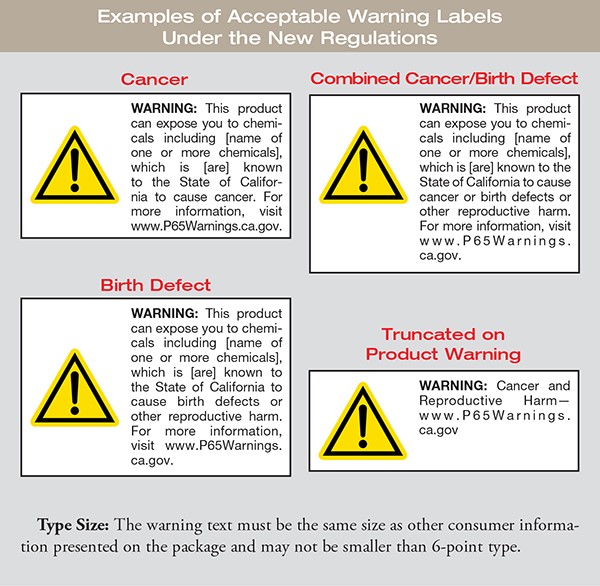
Debate Over “Clear and Reasonable” Standard: The interpretation of what constitutes a “clear and reasonable” warning continues to be debated and refined. Changes to these standards (e.g., specifying warning methods for internet sales, pictograms) can necessitate further investments in warning systems, digital infrastructure, and packaging redesign, adding to the financial load.
-
Increased Scrutiny on Specific Industries: Enforcement trends can shift, focusing on particular industries or types of products (e.g., food, dietary supplements, specific consumer goods). Businesses in these targeted sectors face heightened financial risk and may need to allocate more resources to compliance and legal defense.
Balancing Public Health and Economic Impact
Prop 65 embodies an inherent tension between its public health goals and its economic consequences, a tension that fuels ongoing policy discussions.
-
Impact on Small and Medium Enterprises (SMEs): The disproportionate financial burden on smaller businesses is a recurring theme. Unlike large corporations with dedicated compliance departments, SMEs often lack the resources to absorb high testing costs, legal fees, and administrative overhead, potentially limiting their growth or even forcing them out of the Californian market. Policy debates often center on how to alleviate this burden without compromising the Act’s intent.
-
Cost-Benefit Analysis and Effectiveness: Critics and proponents alike engage in discussions about the true cost-benefit ratio of Prop 65. Is the immense financial outlay by businesses and consumers genuinely leading to a proportional reduction in public health risk, or is it creating unnecessary economic friction? The search for more cost-effective compliance strategies that still achieve public health goals remains a central challenge.
-
Harmonization vs. Uniqueness: From a national and international business perspective, Prop 65 represents a unique regulatory challenge that often requires bespoke financial and operational strategies for the Californian market. There’s an ongoing debate about the potential for harmonization with other federal or international standards to reduce the financial complexities for businesses operating across multiple jurisdictions.
In conclusion, “what is California Prop 65” is far more than a simple regulatory query; it’s an inquiry into a complex financial ecosystem. From the direct compliance costs for businesses—encompassing testing, labeling, and legal fees—to the indirect burdens of administrative overhead and market limitations, Prop 65 demands substantial financial investment. The ever-present threat of costly litigation and escalating penalties underscores the critical need for proactive financial planning and strategic compliance. For consumers, this translates into potentially higher product costs, reduced choices, and the challenge of navigating an environment of ubiquitous warnings that can dilute their intended impact. As Prop 65 continues to evolve, its profound and intricate financial implications will remain a central consideration for businesses, policymakers, and consumers alike, shaping the economic landscape of California and beyond.
aViewFromTheCave is a participant in the Amazon Services LLC Associates Program, an affiliate advertising program designed to provide a means for sites to earn advertising fees by advertising and linking to Amazon.com. Amazon, the Amazon logo, AmazonSupply, and the AmazonSupply logo are trademarks of Amazon.com, Inc. or its affiliates. As an Amazon Associate we earn affiliate commissions from qualifying purchases.