
In an era defined by rapid technological advancement, the spotlight often falls on groundbreaking software, intelligent AI, and sleek new gadgets. Yet, beneath the surface of these digital marvels and sophisticated systems lies a world of foundational materials science, where substances often unseen play a critical role in enabling the very innovations we celebrate. Among these essential components is calcium silicate, a compound whose unassuming name belies its profound impact across various technological sectors. Far from being a mere industrial filler, calcium silicate stands as a robust enabler of modern infrastructure, a silent guardian of digital assets, and a key player in the ongoing pursuit of sustainable technological solutions. To truly grasp the future of tech, one must first understand the bedrock upon which it is built, and calcium silicate is undeniably part of that foundation.
This article delves into the essence of calcium silicate, exploring its fundamental properties and, more importantly, illuminating its diverse and critical applications within the technology landscape. From bolstering the resilience of data centers to advancing sustainable building practices and contributing to next-generation materials, calcium silicate is an unsung hero whose story is inextricably linked with the narrative of technological progress.
The Core Chemistry and Properties of Calcium Silicate
At its heart, calcium silicate is a chemical compound primarily composed of calcium, silicon, and oxygen. It is typically derived from natural raw materials such as lime (calcium oxide) and silica (silicon dioxide), which are combined and processed under controlled conditions, often involving high temperatures and hydration. This process results in a material characterized by its unique crystalline structure and a suite of properties that make it exceptionally valuable in demanding technological environments.
From Raw Materials to Industrial Applications
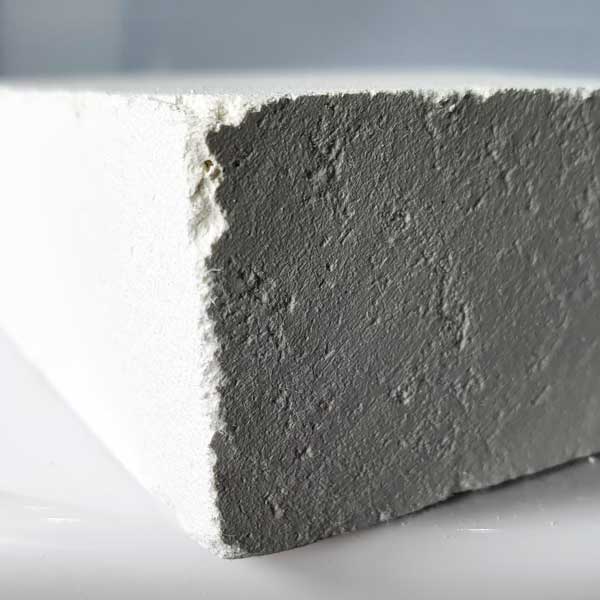
The journey of calcium silicate begins with readily available natural resources. Industrial production often involves the hydrothermal reaction of lime and silica in a slurry, forming various hydrous calcium silicates. The precise stoichiometry and processing conditions can yield different forms, each with slightly varied properties suited for specific applications. For example, hydrated calcium silicate (C-S-H) is a primary binding phase in cement, while other forms are processed into boards or insulation materials. Understanding this fundamental synthesis is crucial because it dictates the material’s structural integrity, porosity, and reactivity – all critical factors when considering its performance in technological contexts. Its lightweight nature combined with significant structural strength, particularly when formulated into boards or panels, makes it an attractive choice for applications where material mass is a concern without compromising durability.
Key Characteristics: Thermal Stability, Fire Resistance, and Insulation
The true value of calcium silicate in the tech sphere stems from its exceptional physical and chemical characteristics. Foremost among these are its remarkable thermal stability and inherent fire resistance. Unlike organic materials that combust or degrade rapidly under heat, calcium silicate can withstand extremely high temperatures, often exceeding 1000°C, without significant structural compromise or emitting toxic fumes. This non-combustible nature is not merely a safety feature but a performance attribute, providing critical protection for sensitive electronic components and digital infrastructure.
Furthermore, its excellent insulating properties are paramount. Calcium silicate products, especially in board or pipe insulation forms, exhibit low thermal conductivity. This means they are highly effective at preventing heat transfer, making them invaluable for thermal management in a multitude of tech-driven applications. Whether it’s maintaining optimal operating temperatures for server racks, insulating high-temperature industrial processes, or enhancing energy efficiency in smart buildings, calcium silicate acts as a crucial barrier against unwanted heat exchange. Its chemical inertness also contributes to its longevity and resistance to degradation from various environmental factors, ensuring sustained performance over time, which is a significant advantage in long-term technological deployments.
Calcium Silicate’s Pivotal Role in Modern Technology and Infrastructure
The unique attributes of calcium silicate translate into tangible benefits across several critical sectors of modern technology and infrastructure. Its role is often behind the scenes, yet indispensable for the safety, efficiency, and longevity of tech systems.
Enhancing Digital Security and Data Center Resilience
In the digital age, data centers are the pulsating heart of our interconnected world, housing the servers and networking equipment that power everything from cloud computing to AI algorithms. The security and uninterrupted operation of these facilities are paramount. Here, calcium silicate plays a vital role in enhancing fire protection and thermal management. Fire is one of the greatest threats to a data center, capable of causing catastrophic data loss and prolonged downtime. Calcium silicate boards are widely used in constructing fire-rated walls, ceilings, and cable enclosures within data centers. Their ability to resist extreme heat and prevent flame spread buys critical time for suppression systems to activate and personnel to respond, safeguarding invaluable hardware and data.
Beyond fire safety, calcium silicate contributes to thermal regulation. Its insulating properties help maintain the precise environmental conditions required for optimal server performance, preventing overheating and reducing the energy consumption associated with cooling systems. As AI and machine learning workloads demand increasingly powerful and dense server racks, effective thermal management becomes even more critical, cementing calcium silicate’s status as a key material in the foundational resilience of our digital infrastructure.
Driving Sustainable Tech: Energy Efficiency and Green Building Materials
The technology sector is increasingly focused on sustainability, aiming to reduce its environmental footprint and promote energy efficiency. Calcium silicate is a powerful ally in this endeavor, particularly within the realm of building technology and smart cities. Its superior insulating capabilities make it an ideal material for high-performance building envelopes, reducing the energy required for heating and cooling in residential, commercial, and industrial structures. By minimizing thermal leakage, calcium silicate-based insulation contributes directly to lower operational costs and a reduced carbon footprint, aligning perfectly with green building standards and net-zero energy goals.
Furthermore, the longevity and inertness of calcium silicate contribute to the durability of structures, reducing the need for frequent material replacement and thus conserving resources. As urban centers adopt smart building technologies that optimize energy usage and resource management, the foundational materials used in their construction, like calcium silicate, become just as important as the digital systems that control them. Its role in creating more sustainable and energy-efficient built environments underscores its contribution to a greener technological future.
Advanced Manufacturing and High-Performance Composites
While often associated with traditional construction, calcium silicate also finds application in more advanced manufacturing processes and as a component in high-performance composites. Its ability to withstand high temperatures makes it suitable for tooling in certain metal-forming processes or as an insulator in specialized industrial furnaces crucial for manufacturing various tech components. In some composite materials, fine particles of calcium silicate can be incorporated to enhance properties such as hardness, thermal stability, or abrasion resistance, contributing to the development of new materials with tailored characteristics for specific technological applications. Though not a primary component in semiconductors, its peripheral role in manufacturing processes and specialized equipment highlights its versatility across the tech supply chain.
Innovations and Future Trajectories for Calcium Silicate in Tech
The utility of calcium silicate is not static; ongoing research and development are continually uncovering new ways to leverage its inherent properties, pushing its boundaries within emerging technological domains.
Smart Materials and Sensor Integration
As the Internet of Things (IoT) expands and materials science advances, there’s growing interest in integrating functional capabilities directly into structural materials. While calcium silicate itself is not typically a “smart” material, its robust, stable, and insulative matrix makes it an excellent candidate for embedding sensors or conductive elements. Imagine fire-rated calcium silicate panels with integrated temperature or smoke sensors, providing real-time data to building management systems, or insulation materials that can monitor their own integrity and report potential breaches. This fusion of inert structural materials with active electronic components represents a frontier where calcium silicate could play a crucial supportive role, enabling more resilient and responsive smart infrastructure.
Next-Generation Insulation and Energy Storage Solutions
The demand for increasingly efficient insulation is relentless, driven by both energy costs and environmental concerns. Future innovations in calcium silicate could focus on developing even lighter-weight formulations with enhanced thermal performance, potentially through nanotechnology or advanced porous structures. Furthermore, its excellent thermal properties could see expanded roles in energy storage. While not a primary storage medium, it could be used in thermal energy storage systems, encapsulating heat for later release, or providing critical insulation for advanced battery technologies, ensuring stable operating temperatures and extending lifespan, particularly in large-scale grid storage or electric vehicle applications.
The Circular Economy and Sustainable Production
The push for a circular economy, where materials are reused, recycled, and repurposed, also impacts calcium silicate. Research into lower-energy production methods, the use of industrial waste streams as raw materials, and the recyclability of calcium silicate products after their service life are all active areas. Developing “green” calcium silicate production processes that minimize environmental impact and exploring its potential for integration into eco-friendly demolition and recycling loops will further cement its place as a sustainable material for future technological infrastructure.
Challenges and Considerations in Calcium Silicate Adoption
Despite its numerous advantages, the widespread adoption and optimized use of calcium silicate in tech-specific applications also come with considerations and challenges that drive ongoing innovation.
Material Handling and Environmental Footprint
While generally safe and non-toxic, industrial-scale production and processing of any material have environmental implications. Challenges include optimizing energy consumption during manufacturing and ensuring responsible dust management during installation, especially for fibrous forms of calcium silicate. As tech companies increasingly prioritize supply chain transparency and sustainable sourcing, addressing these aspects becomes crucial. Innovations focus on developing cleaner manufacturing processes, low-dust formulations, and efficient recycling strategies to minimize its overall environmental footprint.
Balancing Cost-Effectiveness with Performance Demands
For any material to gain widespread adoption in the tech sector, it must not only perform exceptionally but also be cost-effective. While calcium silicate offers a compelling balance of performance and value, ongoing efforts are directed at optimizing its production costs and installation efficiency. For specialized high-tech applications, the performance benefits often outweigh marginal cost differences, but for broader infrastructural use, a keen eye on economic viability is essential. This often involves finding synergies with other materials or developing modular solutions that reduce labor and time on site.

Conclusion: Calcium Silicate – An Unsung Hero in the Evolution of Technology
Calcium silicate, often perceived as a conventional industrial material, is anything but ordinary when viewed through the lens of modern technology. Its unique combination of thermal stability, fire resistance, and insulating properties makes it an indispensable component in safeguarding our digital world, building more sustainable infrastructure, and enabling advanced manufacturing. From the fire-protected walls of data centers to the energy-efficient envelopes of smart buildings and the specialized insulation in high-tech industrial processes, calcium silicate quietly underpins many of the innovations we rely on daily.
As the tech landscape continues to evolve, demanding greater resilience, efficiency, and sustainability, materials like calcium silicate will only grow in importance. Its journey from raw minerals to a critical enabler of high-tech applications is a testament to the fact that true innovation often rests on the reliable foundation of well-understood, yet continuously optimized, fundamental materials. Calcium silicate is, and will continue to be, an unsung hero, playing a crucial, foundational role in the ongoing evolution of technology.
aViewFromTheCave is a participant in the Amazon Services LLC Associates Program, an affiliate advertising program designed to provide a means for sites to earn advertising fees by advertising and linking to Amazon.com. Amazon, the Amazon logo, AmazonSupply, and the AmazonSupply logo are trademarks of Amazon.com, Inc. or its affiliates. As an Amazon Associate we earn affiliate commissions from qualifying purchases.