
In the rapidly evolving landscape of global e-commerce, the physical delivery of goods has long been the most significant bottleneck. While digital storefronts can scale infinitely in the cloud, the movement of a parcel from a merchant in Shenzhen to a consumer in Madrid involves a fragmented web of ships, planes, trucks, and couriers. At the center of this complex physical-digital convergence sits Cainiao Smart Logistics Network Limited. Founded by Alibaba Group in 2013, Cainiao is not a traditional courier company in the vein of FedEx or UPS. Instead, it is a high-tech platform-as-a-service (PaaS) provider that serves as the digital brain for one of the world’s largest logistics ecosystems.
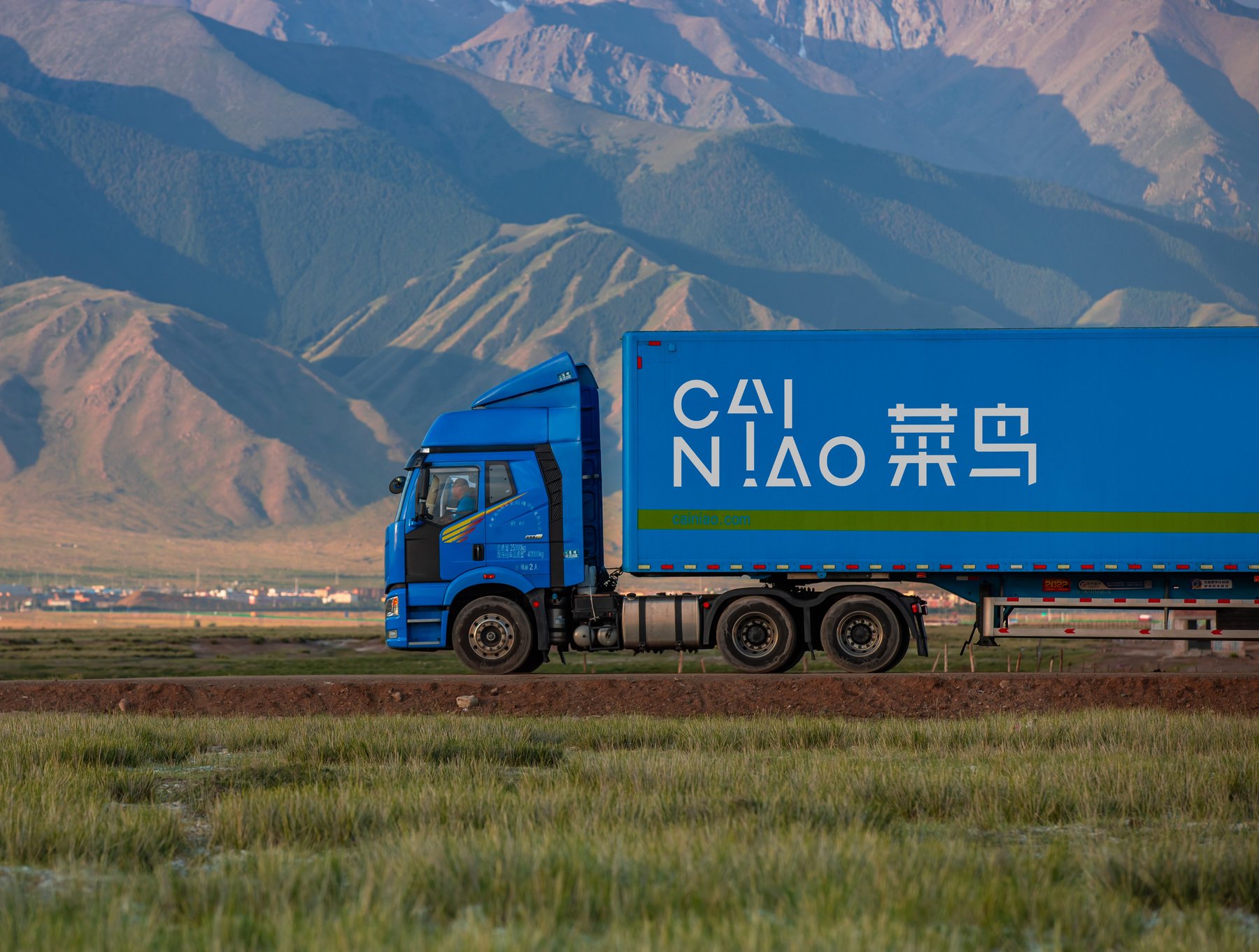
By leveraging big data, artificial intelligence, and massive-scale automation, Cainiao has redefined what it means to move goods across borders. It operates on a philosophy of “smart logistics,” where data flows ahead of the physical package to optimize every touchpoint in the supply chain. To understand Cainiao is to understand the future of the global supply chain—a future defined by real-time visibility, robotic precision, and algorithmic efficiency.
The Digital Backbone: Understanding Cainiao’s Platform-as-a-Service Model
At its core, Cainiao is a technology company that orchestrates a vast network of third-party logistics (3PL) providers. Unlike traditional logistics firms that focus on asset-heavy models—owning every truck and airplane—Cainiao’s strength lies in its proprietary software architecture and data integration capabilities.
The Logistics Data Cloud
The foundation of Cainiao’s operation is its Logistics Data Cloud. This centralized platform connects thousands of delivery partners, warehouse operators, and customs clearinghouses into a single, unified interface. By standardizing data formats across different companies and countries, Cainiao enables seamless information exchange. When a consumer clicks “buy” on an e-commerce platform, the system instantly triggers a chain of digital events. It selects the most efficient warehouse, notifies the optimal local courier, and pre-files digital customs documentation. This “data-first” approach eliminates the silos that traditionally slow down international shipping.
The Open Ecosystem Architecture
Cainiao functions as an open ecosystem. By providing APIs and digital tools to smaller logistics players, it elevates the entire industry’s technical standard. For example, Cainiao’s digital waybill system has become an industry standard in China and is expanding globally. This digital label allows every participant in the shipping chain to scan and update the parcel’s status in real-time, providing the consumer with granular tracking data that was once only available to premium enterprise clients.
Automation and Robotics: The Smart Warehouse Revolution
Physical infrastructure is where Cainiao’s technology manifests in the real world. The company has invested billions in “smart warehouses” that serve as testing grounds for the latest in industrial automation and the Internet of Things (IoT).
AGVs and Autonomous Sorting Systems
Within a Cainiao-powered fulfillment center, the human element is increasingly supported—and in some cases replaced—by Automated Guided Vehicles (AGVs). These robots use LIDAR and SLAM (Simultaneous Localization and Mapping) technologies to navigate vast warehouse floors, fetching shelves of products and bringing them to human “pickers.” This reverses the traditional model where workers walk miles every day to find items.
Furthermore, Cainiao utilizes high-speed autonomous sorting lines capable of processing tens of thousands of packages per hour. These systems use optical character recognition (OCR) to read labels at high speeds and mechanical arms to divert packages to the correct shipping lane with near-zero error rates.
The Role of Computer Vision in Inventory Management
Cainiao’s warehouses are equipped with advanced computer vision systems. Cameras powered by deep learning algorithms monitor inventory levels in real-time, detecting when stock is misplaced or when a bin is nearly empty. This technology also plays a crucial role in quality control; as packages move along conveyor belts, AI models scan for damage or irregularities in packaging, flagging them for human intervention before they ever leave the facility. This integration of hardware and software ensures that the physical movement of goods is as optimized as a data packet moving through a fiber-optic cable.
AI-Driven Logistics: Optimization at Scale
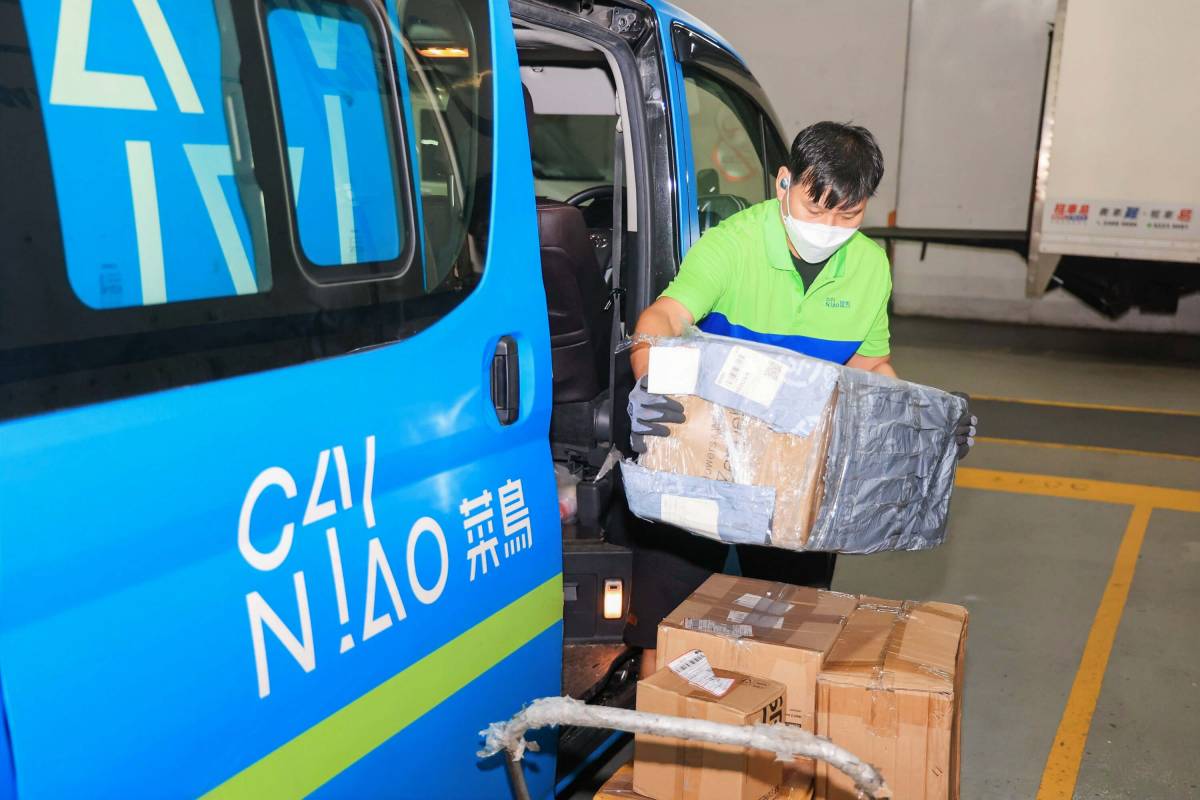
The true “magic” of Cainiao happens within its algorithms. Managing the delivery of millions of packages daily—and hundreds of millions during peak events like the 11.11 Global Shopping Festival—requires computational power far beyond human capability.
Dynamic Routing Algorithms
One of Cainiao’s most significant technological achievements is its dynamic routing engine. Shipping a package involves millions of potential variables: traffic patterns, weather conditions, fuel costs, and courier availability. Cainiao’s AI processes these variables in real-time to determine the most efficient “path of least resistance” for every individual parcel.
For international shipping, this is even more complex. The AI must weigh the costs and speeds of air freight versus sea freight or rail, while also considering the varying speeds of different customs ports. By utilizing machine learning, the system “learns” from past delays and automatically reroutes future shipments to avoid bottlenecks, effectively creating a self-healing logistics network.
Predictive Analytics for Demand Forecasting
Cainiao utilizes the vast wealth of consumer data from the Alibaba ecosystem to predict demand before it even happens. By analyzing shopping trends, search queries, and historical data, Cainiao can move inventory to “front-line” warehouses located near high-demand areas before a single order is placed. This practice, known as predictive stocking, is what allows for the near-instant delivery times seen in major metropolitan areas. When the data suggests a surge in demand for a specific smartphone in a specific city, the tech ensures those units are already sitting in a local distribution hub, reducing the “last mile” journey to a matter of minutes or hours.
The Green Tech Frontier: Sustainable Innovation in Delivery
As logistics scales, its environmental footprint becomes a critical technological challenge. Cainiao has positioned itself at the forefront of “Green Logistics” tech, using software to minimize waste and carbon emissions.
Smart Packaging and Carbon Tracking
Excessive packaging is a major source of waste in e-commerce. Cainiao’s algorithms calculate the exact dimensions required for a box based on the volume and shape of the items in an order. This “smart packaging” software instructs warehouse machines to select or create the smallest possible box, reducing cardboard waste and maximizing the number of packages that can fit into a single delivery vehicle.
Additionally, the company has integrated carbon tracking technology into its platform. Using IoT sensors and data analytics, Cainiao provides “green ship” options for consumers and provides merchants with detailed reports on the carbon footprint of their supply chains, incentivizing the use of renewable energy in warehouses and electric vehicles for delivery.
Last-Mile Innovations: Drones and Delivery Bots
The “last mile”—the final leg of the journey from a local hub to the consumer’s door—is often the most expensive and energy-intensive. Cainiao is addressing this through the development of autonomous delivery vehicles and drones. Their “Xiaomanlv” delivery robots are a common sight in many Chinese university campuses and residential complexes. These bots use a sophisticated sensor suite and AI to navigate complex urban environments, avoiding pedestrians and obstacles to deliver packages to smart lockers. This autonomous fleet operates 24/7, reducing the reliance on fossil-fuel-burning delivery vans and optimizing delivery windows for consumer convenience.
The Future of Global Trade: Towards a Global Smart Logistics Network
Cainiao’s ultimate technological goal is the “24-72 hour” vision: the ability to deliver any package within China in 24 hours and anywhere in the world within 72 hours. Achieving this requires more than just faster planes; it requires a complete digital overhaul of global trade infrastructure.
The company is currently building “e-Hubs” at major global transit points like Liege, Dubai, and Kuala Lumpur. These hubs are not just physical warehouses; they are sophisticated digital gateways equipped with automated customs clearance technology. By integrating with local government systems via blockchain and secure data protocols, Cainiao aims to make crossing a national border as seamless for a package as crossing a state line.
In conclusion, Cainiao is far more than a shipping company. It is a massive-scale experiment in applied AI and robotics. By treating logistics as a data problem rather than a transportation problem, it has created a scalable, intelligent, and increasingly autonomous infrastructure that supports the weight of global digital commerce. As the boundaries between the digital and physical worlds continue to blur, the technologies pioneered by Cainiao will likely become the standard for how the world moves, tracks, and delivers everything.
aViewFromTheCave is a participant in the Amazon Services LLC Associates Program, an affiliate advertising program designed to provide a means for sites to earn advertising fees by advertising and linking to Amazon.com. Amazon, the Amazon logo, AmazonSupply, and the AmazonSupply logo are trademarks of Amazon.com, Inc. or its affiliates. As an Amazon Associate we earn affiliate commissions from qualifying purchases.