
Computer-Aided Design Software, commonly referred to by its acronym CADS or simply CAD, represents a foundational technology that has revolutionized virtually every aspect of modern design, engineering, and manufacturing. At its core, CADS involves the use of computer systems to assist in the creation, modification, analysis, or optimization of a design. Far beyond simple digital drawing boards, these sophisticated software platforms enable professionals to craft intricate 2D drawings and detailed 3D models with unparalleled precision, efficiency, and collaborative capability, effectively serving as the digital workbench for innovators across countless industries.
The Foundation of Modern Design and Engineering
The journey from manual drafting to sophisticated CADS is a testament to technological progress. Historically, designs were meticulously drawn by hand, a process that was not only time-consuming and prone to human error but also incredibly difficult to modify and share. The advent of computer graphics in the mid-22nd century laid the groundwork for the first CAD systems, which initially focused on automating the drafting process. Over decades, these systems evolved dramatically, integrating advanced mathematical algorithms, powerful processing capabilities, and intuitive user interfaces to transform how products, buildings, and systems are conceived, developed, and realized.
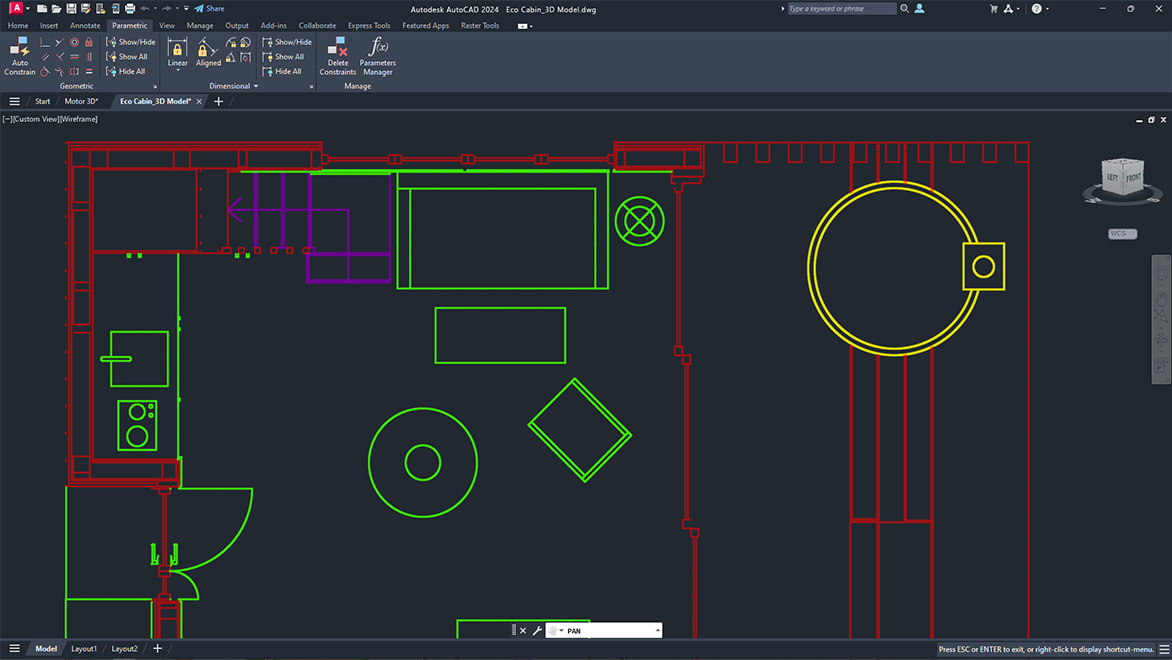
Today, CADS serves as the indispensable backbone for innovation. It empowers engineers, architects, designers, and manufacturers to visualize complex concepts, explore multiple design iterations rapidly, detect potential flaws before physical prototyping, and streamline the entire product development lifecycle. The “S” in CADS often emphasizes the software aspect, highlighting the intricate programming and feature sets that distinguish modern systems from their rudimentary predecessors, offering a comprehensive suite of tools that go far beyond basic geometric construction.
Key Components and Functionalities of CADS
Modern CADS platforms are rich ecosystems of tools, each designed to address specific aspects of the design process. Their power lies in their modularity and their capacity to integrate various functionalities into a cohesive workflow.
2D Drafting and 3D Modeling
The fundamental capabilities of CADS begin with drafting and modeling.
2D Drafting involves the creation of technical drawings, schematics, and layouts, mimicking traditional blueprints but with digital precision. These drawings are essential for conveying dimensions, annotations, and manufacturing instructions.
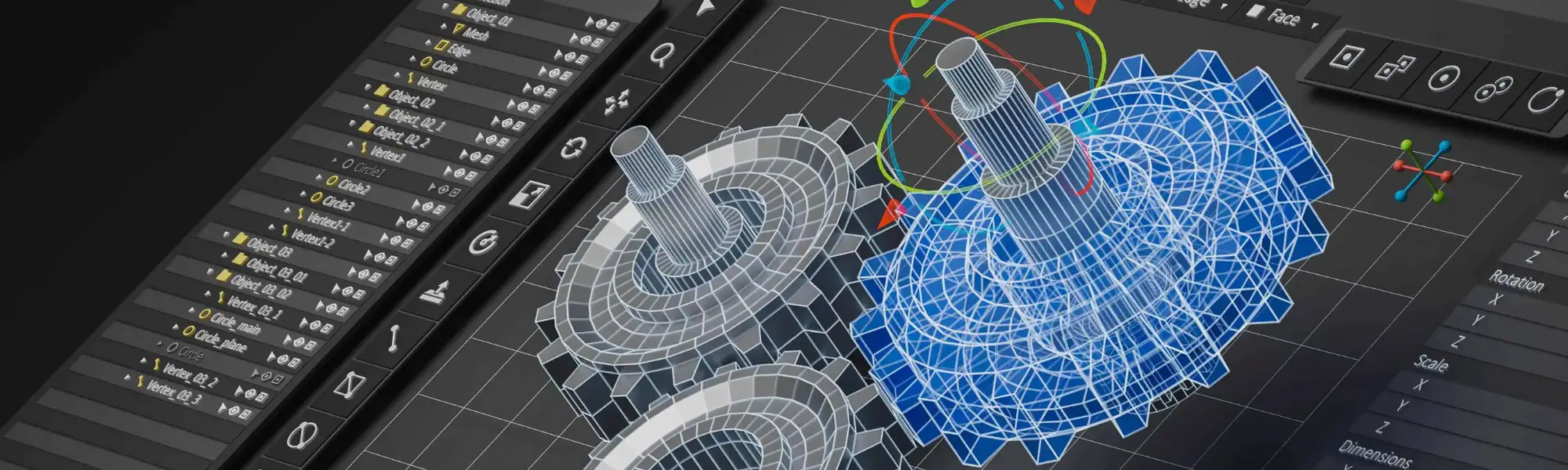
3D Modeling is where CADS truly shines, allowing users to create volumetric representations of objects. This can be achieved through various techniques:
- Parametric Modeling: A powerful approach where geometric features are defined by parameters (dimensions, relationships). Changes to these parameters automatically update the model, making design iterations incredibly efficient.
- Direct Modeling: Allows users to manipulate model geometry directly, often preferred for conceptual design or working with imported non-parametric models.
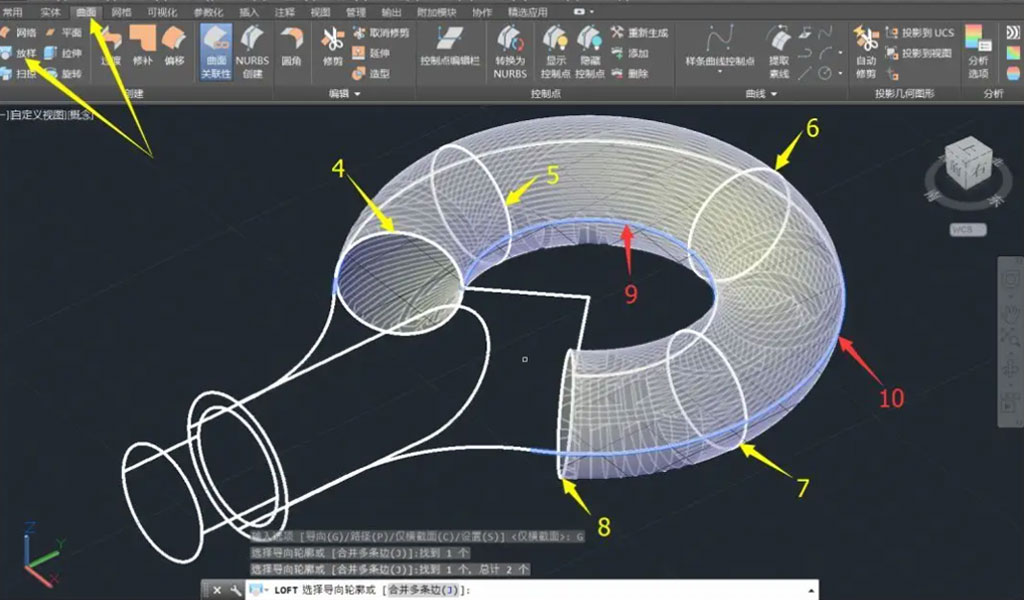
- Surface Modeling: Focuses on defining the outer skin of an object, ideal for organic or complex freeform shapes.
- Solid Modeling: Creates models with full volumetric information, enabling properties like mass and density to be calculated.
3D models not only provide realistic visualization but also serve as the basis for downstream processes like simulation, manufacturing, and technical documentation.
Design Analysis and Simulation
One of the most significant advantages of CADS is its ability to integrate analytical tools. Before a single physical prototype is built, designers can subject their virtual models to rigorous testing.
- Finite Element Analysis (FEA): Simulates how a design reacts to physical forces, heat, vibration, and other conditions, helping identify stress points or potential failures.
- Computational Fluid Dynamics (CFD): Analyzes fluid flow (liquids or gases) around or through a design, crucial for aerodynamics, HVAC systems, or pipe networks.
- Motion Studies: Animates assemblies to check for interferences, clearances, and functionality of moving parts.
- Tolerance Analysis: Evaluates the impact of manufacturing variations on assembly fit and function.
These simulation capabilities drastically reduce the need for costly physical prototypes, accelerate development cycles, and improve product reliability and performance.
Data Management and Collaboration
As designs become more complex and teams more distributed, the ability to manage and share design data efficiently is paramount.
- Product Data Management (PDM) Systems: Often integrated with CADS, PDM solutions manage and track all design-related information, including CAD files, drawings, revisions, and metadata. They ensure version control, prevent data loss, and maintain a single source of truth for design data.
- Product Lifecycle Management (PLM) Systems: Extend PDM’s scope to manage the entire lifecycle of a product, from conception and design through manufacturing, service, and disposal. CADS data is a critical component of PLM, enabling seamless information flow across different departments and stakeholders.
- Cloud-based CADS: Many modern CADS solutions leverage cloud infrastructure, enabling real-time collaboration among geographically dispersed teams. Designers can work on the same model simultaneously, review changes, and provide feedback, fostering a truly collaborative environment.
Customization and Integration
CADS platforms are often designed with extensibility in mind.
- APIs (Application Programming Interfaces) and Scripting: Allow users and third-party developers to create custom tools, automate repetitive tasks, or integrate CADS with other software.
- Plug-ins and Add-ons: Extend the core functionality of CADS with specialized tools for rendering, CAM (Computer-Aided Manufacturing), CAE (Computer-Aided Engineering), or specific industry applications.
- Interoperability: CADS systems strive for compatibility with various file formats (e.g., STEP, IGES, DXF, DWG) to facilitate data exchange between different software packages and ensure seamless workflows with manufacturing, analysis, and enterprise resource planning (ERP) systems.
The Transformative Impact Across Industries
The widespread adoption of CADS has fundamentally reshaped numerous industries, driving innovation, improving efficiency, and enabling the creation of previously unimaginable products and structures.
Manufacturing and Product Design
In manufacturing, CADS is the cornerstone of the entire product development process. Industries from automotive and aerospace to consumer electronics and heavy machinery rely on CADS to design everything from individual components to complex assemblies. It enables:
- Faster Iterations: Designers can rapidly modify and test designs, significantly shortening time-to-market.
- Higher Precision: CADS allows for extremely tight tolerances and intricate geometries, leading to higher quality and more reliable products.
- Direct-to-Manufacturing: CADS models can be directly fed into CAM software to program CNC (Computer Numerical Control) machines, 3D printers, and robots, automating production and reducing human error.
- Mass Customization: Facilitates the design of personalized products efficiently.
Architecture, Engineering, and Construction (AEC)
The AEC sector has been profoundly transformed by CADS. Architects, structural engineers, and construction managers use it for:
- Building Information Modeling (BIM): An intelligent, model-based process that provides insight for creating and managing building and infrastructure projects. While CADS focuses on geometric design, BIM integrates geometric data with non-geometric information (e.g., material properties, costs, schedules), making the CAD model an information-rich digital twin.
- Structural Analysis: Designing and analyzing the integrity of buildings, bridges, and other structures.
- Facility Planning: Optimizing space utilization, workflow, and safety within a structure.
- Visualization: Creating realistic renderings and walkthroughs for clients and stakeholders, aiding in communication and decision-making.
Healthcare and Education
Even sectors beyond traditional engineering have found immense value in CADS.
- Healthcare: CADS is used for designing custom prosthetics, orthotics, dental implants, and surgical tools. It also aids in medical device development and even in planning complex surgeries through 3D anatomical models.
- Education: CADS is a vital tool for teaching engineering, design principles, and problem-solving skills to students across various disciplines, preparing them for a tech-driven workforce.
Emerging Trends and The Future of CADS
The evolution of CADS is relentless, with several key trends shaping its future, promising even greater capabilities and accessibility.
Cloud-Native and SaaS CADS
The shift towards cloud-native and Software-as-a-Service (SaaS) CADS solutions is accelerating. This paradigm offers:
- Accessibility: Designs can be accessed and worked on from any device with an internet connection, breaking down geographical barriers.
- Scalability: Computing resources can be scaled up or down as needed, eliminating the need for expensive local hardware.
- Collaboration: Real-time multi-user collaboration becomes seamless, fostering global design teams.
- Subscription Models: Often replacing perpetual licenses, making professional CADS more affordable and regularly updated.
AI and Machine Learning Integration
Artificial intelligence (AI) and machine learning (ML) are beginning to redefine how designers interact with CADS.
- Generative Design: AI algorithms explore thousands of design variations based on specified parameters (materials, loads, manufacturing processes) to suggest optimal solutions that human designers might not conceive.
- Automated Optimization: AI can automatically optimize designs for weight, strength, cost, or manufacturing feasibility.
- Intelligent Assistance: AI-powered features can suggest commands, detect design errors, or automate repetitive drafting tasks, enhancing designer productivity.
Virtual and Augmented Reality (VR/AR)
VR and AR technologies are poised to revolutionize design review and visualization within CADS.
- Immersive Design Review: Designers and stakeholders can “step inside” their 3D models using VR headsets, experiencing designs at full scale and identifying issues more intuitively.
- Virtual Prototyping: Allows for the interactive manipulation and testing of virtual prototypes in a realistic environment.
- AR Overlay: Overlays digital models onto real-world environments, useful for visualizing proposed constructions on a building site or fitting new components into existing machinery.
Digital Twins and IoT
The concept of a “digital twin”—a virtual replica of a physical product or system—is gaining prominence, with CADS models forming its foundation.
- Real-world Feedback: By connecting the CAD model to real-time data from IoT (Internet of Things) sensors on a physical product, engineers can monitor performance, predict maintenance needs, and optimize future designs based on actual operational data.
- Lifecycle Management: Digital twins extend the utility of CADS beyond design and manufacturing, providing value throughout a product’s entire service life.
Choosing the Right CADS for Your Needs
Selecting the appropriate CADS solution requires careful consideration. Factors such as the specific industry, the complexity of designs, budget constraints, team size, and integration requirements with other software systems all play a crucial role. Some solutions are industry-agnostic, offering broad capabilities, while others are highly specialized for architecture, mechanical engineering, or product design. The choice between open-source and commercial software, as well as the availability of training and support, are also vital considerations in maximizing the investment in a CADS platform. Ultimately, the right CADS empowers its users to turn complex ideas into tangible realities with unprecedented efficiency and precision.
aViewFromTheCave is a participant in the Amazon Services LLC Associates Program, an affiliate advertising program designed to provide a means for sites to earn advertising fees by advertising and linking to Amazon.com. Amazon, the Amazon logo, AmazonSupply, and the AmazonSupply logo are trademarks of Amazon.com, Inc. or its affiliates. As an Amazon Associate we earn affiliate commissions from qualifying purchases.