
Cachaça, Brazil’s national spirit, often finds itself mistakenly categorized or oversimplified. To truly understand “what is cachaça alcohol,” one must delve beyond a mere definition and explore its profound identity, cultural embedding, and sophisticated brand positioning, both domestically and on the global stage. It is a spirit forged from specific raw materials and processes, but also by a rich history and a burgeoning ambition to stand as a distinct, premium category in the world of fine spirits.
The Definitive Identity of Cachaça: More Than Just Rum
At its core, understanding cachaça requires appreciating its unique attributes that separate it from other sugarcane-based spirits, particularly rum. This distinction is not merely semantic; it forms the bedrock of cachaça’s brand identity.
Origin and Protected Designation of Origin (PDO)
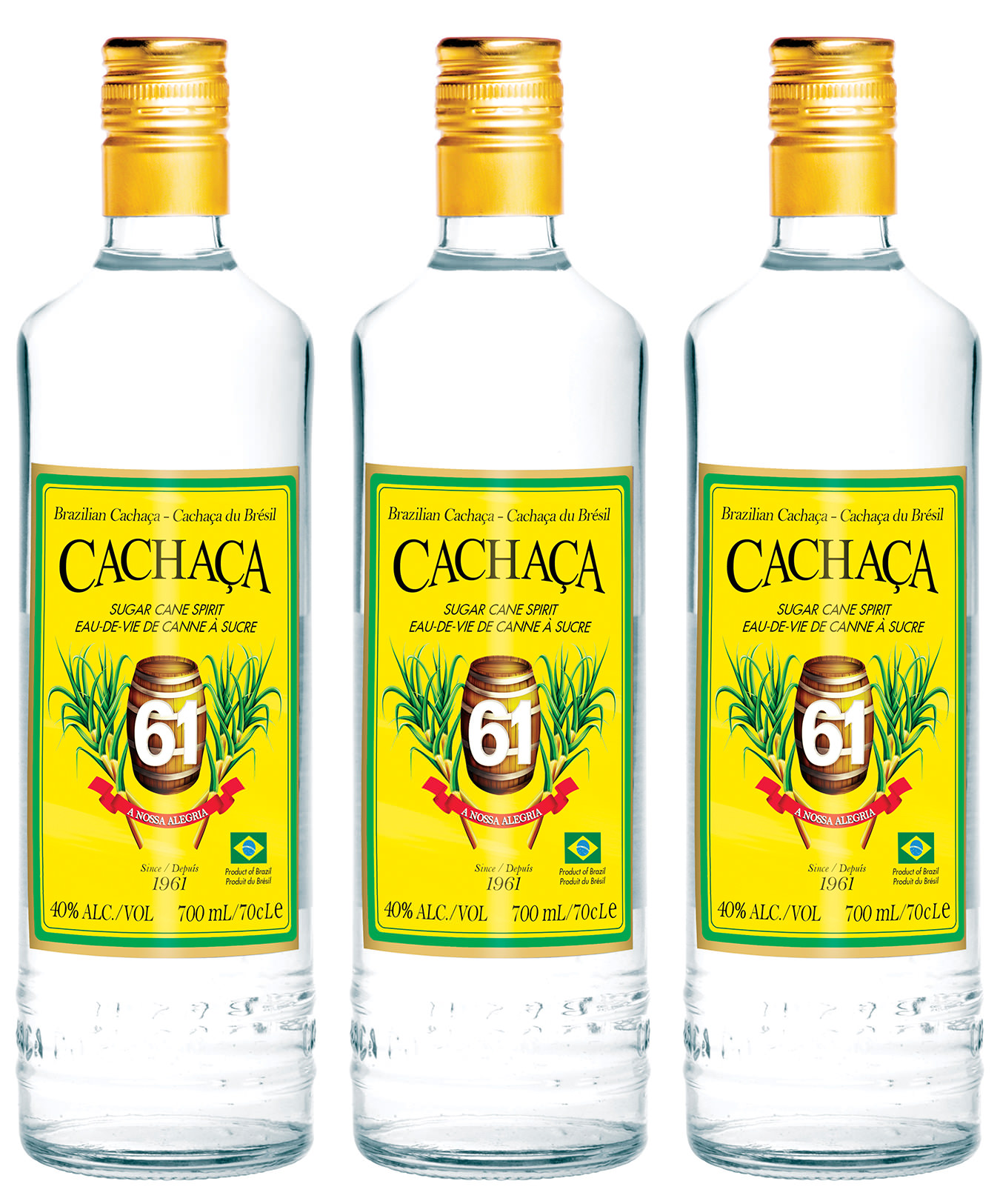
Cachaça’s identity is inextricably linked to its origin. By Brazilian law, cachaça is defined as a spirit distilled from fermented fresh sugarcane juice, produced exclusively in Brazil. This geographical exclusivity is paramount, serving as a form of Protected Designation of Origin (PDO) even before a formal international PDO is universally recognized and enforced. This national mandate fortifies cachaça’s authentic Brazilian brand, guaranteeing its provenance and preventing imitation. Unlike spirits that can be produced anywhere, cachaça’s “Brazilianness” is a non-negotiable aspect of its identity, imbuing it with a sense of place, tradition, and national pride that resonates with consumers seeking genuine experiences. This origin story is a powerful branding tool, conveying heritage and authenticity directly from the heart of Brazil.
Production Methods as a Brand Differentiator
The method of production is perhaps the most critical differentiator and a key element of cachaça’s distinct brand. Cachaça is made from the single distillation of fresh, fermented sugarcane juice. This contrasts sharply with most rums, which are typically made from molasses, a byproduct of sugar refining. This fundamental difference in raw material yields a spirit with a much fresher, often more herbaceous, and vibrant flavor profile directly reflecting the sugarcane itself.
Within cachaça production, two main styles emerge, creating distinct brand segments:
- Artisanal Cachaça (Cachaça de Alambique): Produced in small batches using copper pot stills, often aged in native Brazilian woods (such as Amburana, Balsam, Jequitibá, or Ipê), this category emphasizes craftsmanship, tradition, and terroir. These brands often command higher prices and appeal to connoisseurs seeking complex flavors and unique characteristics. Their branding focuses on heritage, limited production, and the nuanced impact of aging in diverse woods, offering a premium and exclusive experience.
- Industrial Cachaça (Cachaça de Coluna): Produced in larger volumes using continuous column stills, these are typically unaged or lightly aged in large stainless steel tanks or European oak. This category often targets a broader market, offering consistency and affordability. While perhaps lacking the artisanal allure, brands in this segment focus on reliability, accessibility, and their role as the perfect base for cocktails like the Caipirinha, serving as an entry point for many consumers.
These distinct production methods create tiered branding opportunities, allowing cachaça to cater to both mass-market appeal and high-end niche segments, showcasing its versatility and depth.
Crafting the Brand Story: Heritage, Culture, and Authenticity
Beyond its technical specifications, cachaça’s brand identity is deeply woven into the fabric of Brazilian culture, history, and social life. This rich narrative provides an authentic and compelling story that resonates with consumers globally.
Historical Roots and Cultural Significance
Cachaça’s history dates back to the 16th century, making it one of the oldest distilled spirits in the Americas. It originated on sugarcane plantations, initially consumed by enslaved people who discovered its intoxicating effects. Over centuries, it transcended its humble beginnings, becoming a symbol of Brazilian resistance, identity, and celebration. Its presence is ubiquitous in Brazilian festivities, folk traditions, and daily life. This deep cultural embedding provides cachaça brands with an invaluable narrative of authenticity and heritage. Marketing efforts frequently leverage this history, positioning cachaça not just as a drink, but as an experience deeply connected to the soul of Brazil – its passion, its joy, and its resilience. This cultural capital is a powerful differentiator in the crowded global spirits market.
The Caipirinha: A Global Brand Ambassador
The Caipirinha cocktail serves as cachaça’s undeniable global brand ambassador. Made with cachaça, lime, sugar, and ice, its refreshing simplicity and vibrant taste introduced millions worldwide to Brazil’s national spirit. The Caipirinha’s international popularity, particularly fueled by major events like the FIFA World Cup and the Olympic Games hosted in Brazil, has been instrumental in elevating cachaça’s profile. For many, the Caipirinha is their first and often most memorable encounter with cachaça.
This signature cocktail has become a powerful marketing tool for the entire cachaça category. It provides a readily accessible and enjoyable entry point for new consumers, stripping away any complexity around how to drink the spirit. Brands often use the Caipirinha in their marketing campaigns, educating consumers on its proper preparation and linking their specific cachaça to the quintessential Brazilian experience. The cocktail itself has become a sub-brand, synonymous with festive occasions and warm climates, further reinforcing cachaça’s positive associations.

Market Positioning and Brand Strategy in a Competitive Landscape
Cachaça faces the dual challenge of educating consumers about its unique identity while simultaneously competing for shelf space and mindshare against established spirit categories. Strategic brand positioning is crucial for its continued global growth.
Battling Misconceptions and Establishing Premium Positioning
Historically, cachaça has struggled with misconceptions, often being erroneously labeled as “Brazilian rum” or perceived as a lower-quality, inexpensive spirit. A significant part of cachaça’s brand strategy involves actively dispelling these myths and educating consumers, bartenders, and distributors about its distinct identity and superior quality.
Premium cachaça brands are working to reposition the spirit as a sophisticated choice for discerning drinkers. This involves:
- Highlighting unique aging processes: Emphasizing the use of indigenous Brazilian woods, which impart distinctive flavors not found in other spirits, creating a unique selling proposition.
- Focusing on terroir and single-estate production: Drawing parallels with wine or single malt scotch, where the specific origin and craftsmanship contribute to the spirit’s character and value.
- Showcasing versatility: Demonstrating cachaça’s potential beyond the Caipirinha, in a wide range of sophisticated cocktails or even as a sipping spirit, akin to fine whisky or aged rum.
This strategy aims to move cachaça from being perceived as a commodity to a premium, sought-after spirit, commanding higher prices and gaining respect within the global spirits industry.
Global Expansion and Niche Marketing
As cachaça expands its global footprint, brand strategies adapt to target specific markets and demographics.
- Craft Cocktail Movement: Cachaça has found a natural home within the craft cocktail scene, where bartenders are constantly seeking unique, authentic ingredients. Brands engage with the mixology community, showcasing cachaça’s versatility and unique flavor profile in innovative drink creations. This grassroots approach builds credibility and introduces cachaça to influential trendsetters.
- Consumer Education: Beyond cocktails, brands invest in educating consumers about cachaça’s history, production, and tasting notes through tastings, workshops, and digital content. This helps build a deeper appreciation for the spirit and fosters loyalty.
- Leveraging Sustainability and Fair Trade: Some brands differentiate themselves by emphasizing sustainable farming practices, organic certification, or fair trade initiatives. These narratives appeal to ethically conscious consumers, aligning cachaça with broader global trends in responsible consumption.
Individual Brand Differentiation within the Cachaça Category
While “cachaça” itself is a powerful national brand, individual producers also cultivate distinct brand identities to stand out. Brands like Leblon, Sagatiba, Avuá, and Novo Fogo each tell a unique story through their branding:
- Aging and Terroir: Some focus on specific wood types for aging, highlighting the unique flavors imparted (e.g., Amburana’s warm, spicy notes). Others emphasize their specific region or estate, akin to wine producers.
- Packaging and Design: Bottle design, labeling, and branding aesthetics play a crucial role in communicating quality, heritage, or modern sophistication. A sleek, minimalist bottle might appeal to a different segment than one with intricate, traditional designs.
- Marketing Storytelling: Brands develop compelling narratives around their founders, their production philosophy, or their commitment to social or environmental causes, creating an emotional connection with consumers.
These individual branding efforts collectively strengthen the overall perception of cachaça as a diverse and quality-driven spirit category.
The Future of Cachaça’s Brand Journey
Cachaça’s journey on the global stage is still evolving, with exciting opportunities and challenges ahead for its brand identity.
Innovation and Diversification
The future of cachaça’s brand will increasingly rely on innovation. This includes:
- New aging techniques: Experimenting with different wood types, barrel finishes, and aging durations to create novel flavor profiles.
- Flavored cachaças: While traditionalists might balk, introducing natural fruit-infused cachaças could broaden appeal and create new market segments.
- Ready-to-drink (RTD) cocktails: Capitalizing on the growing RTD market by offering convenient, pre-mixed Caipirinhas or other cachaça-based drinks.
- Beyond the Caipirinha: Continued efforts to popularize other cachaça cocktails and encourage sipping the spirit neat or on the rocks, further expanding its versatility and premium appeal.
Sustaining Authenticity While Globalizing
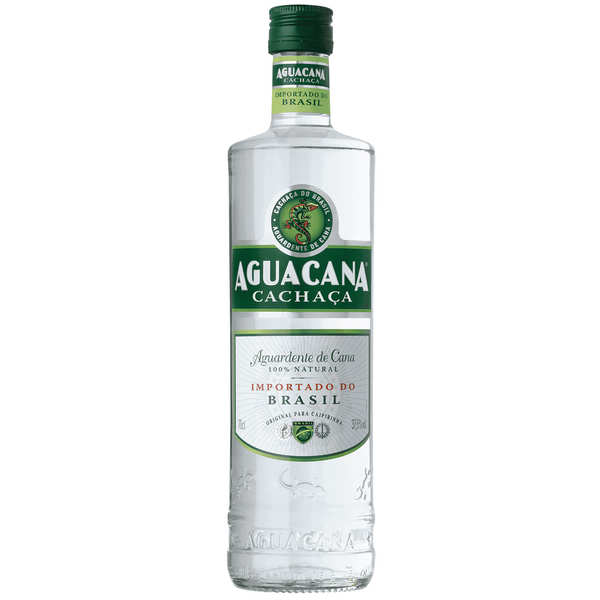
A critical challenge for cachaça’s brand journey is maintaining its core authenticity and Brazilian identity while appealing to diverse international palates. The balance between tradition and innovation, between national pride and global accessibility, will be key. Upholding the PDO, promoting sustainable practices, and continuing to tell the rich story of its origins will ensure that as cachaça’s brand grows, it remains true to its roots, cementing its place as a truly unique and cherished spirit from Brazil.
aViewFromTheCave is a participant in the Amazon Services LLC Associates Program, an affiliate advertising program designed to provide a means for sites to earn advertising fees by advertising and linking to Amazon.com. Amazon, the Amazon logo, AmazonSupply, and the AmazonSupply logo are trademarks of Amazon.com, Inc. or its affiliates. As an Amazon Associate we earn affiliate commissions from qualifying purchases.