
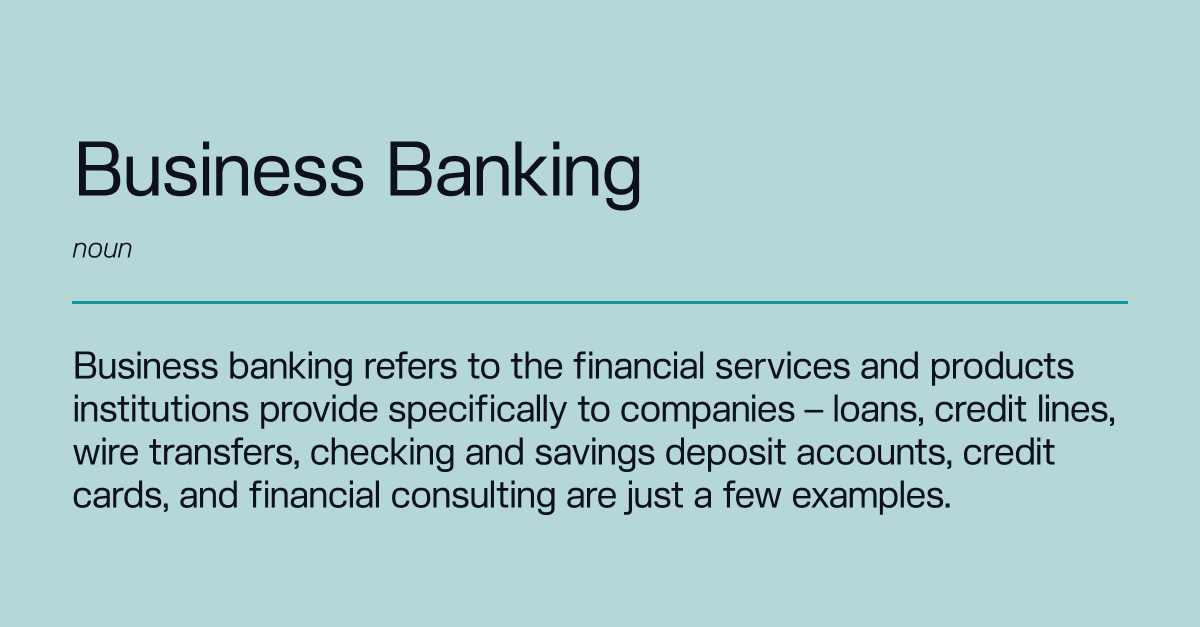
Business banking refers to a specialized suite of financial services and products designed to meet the distinct operational and growth needs of businesses, ranging from sole proprietorships and small startups to large corporations. Unlike personal banking, which focuses on individual financial management, business banking provides tools for managing cash flow, processing transactions, securing financing, and optimizing financial operations critical to a company’s survival and expansion. It serves as the financial backbone for any enterprise, ensuring smooth daily operations, compliance, and strategic financial planning. Understanding its intricacies is paramount for entrepreneurs and business leaders aiming for sustainable success and robust financial health.

The Core Components of Business Banking
At its heart, business banking offers a fundamental set of services that form the bedrock of financial management for any enterprise. These services are tailored to handle the higher transaction volumes, more complex financial requirements, and distinct regulatory landscape that businesses face compared to individual consumers.
Business Checking Accounts
A business checking account is the most fundamental tool in business banking. It serves as the operational hub for a company’s finances, facilitating daily transactions, managing incoming revenues, and outgoing expenses. Unlike personal checking accounts, business accounts often come with higher transaction limits, more sophisticated reporting features, and integration capabilities with accounting software. They are crucial for maintaining a clear distinction between personal and business finances, which is vital for legal protection, accounting accuracy, and tax purposes. Many banks offer different tiers of business checking accounts, often categorized by transaction volume, monthly balance requirements, and included services, allowing businesses to choose an option that aligns with their operational scale and financial activity.
Business Savings Accounts
While checking accounts handle daily liquidity, business savings accounts are designed for accumulating reserves, holding emergency funds, or saving for future investments and expansion projects. These accounts typically offer a modest interest rate, allowing a business’s idle cash to grow over time. They provide a secure place to store profits not immediately needed for operations, acting as a buffer against unforeseen circumstances or a dedicated fund for long-term strategic goals like purchasing new equipment, expanding facilities, or entering new markets. Effective management of a business savings account demonstrates prudent financial planning and contributes to overall financial stability.
Business Credit Cards
Business credit cards are indispensable tools for managing expenses, building business credit, and providing working capital. They enable companies to make purchases, pay for services, and cover unexpected costs while separating business expenditures from personal ones. Beyond mere purchasing power, business credit cards often come with features like expense tracking, employee cards with spending limits, and rewards programs tailored to business needs (e.g., cashback on office supplies, travel points). Building a strong business credit history through responsible credit card usage can be vital for securing larger loans or lines of credit in the future, facilitating greater financial flexibility and growth opportunities.
Loans and Lines of Credit
Access to capital is often the engine of business growth, and business banking provides various financing options to fuel this engine. Loans and lines of credit are critical for funding everything from day-to-day operations to major expansion projects. Term loans provide a lump sum of money that is repaid over a fixed period with interest, suitable for equipment purchases, real estate, or significant capital investments. Lines of credit offer flexible access to funds up to a certain limit, which can be drawn upon, repaid, and re-drawn as needed, making them ideal for managing working capital, bridging cash flow gaps, or handling seasonal fluctuations. Banks also offer specialized financing such as Small Business Administration (SBA) loans, which are government-backed and often have more favorable terms, or commercial mortgages for purchasing property.
Advanced Services and Financial Tools for Businesses
Beyond the foundational services, business banking extends to a sophisticated array of advanced tools and services designed to streamline operations, enhance efficiency, and mitigate financial risks, especially for growing and complex enterprises. These services empower businesses to optimize their financial processes and focus more on core business activities.
Merchant Services
In today’s economy, accepting diverse forms of payment is crucial for any business. Merchant services enable companies to process customer payments securely and efficiently, including credit and debit cards, online payments, and mobile transactions. This involves providing point-of-sale (POS) systems, payment gateways for e-commerce, and mobile card readers. Robust merchant services not only facilitate sales but also often include features for fraud prevention, chargeback management, and detailed transaction reporting, helping businesses to better understand their sales patterns and protect their revenue. The ability to offer convenient payment options directly impacts customer satisfaction and sales volume.
Treasury Management
Treasury management services are tailored for businesses with complex cash flow needs, aiming to optimize liquidity, manage financial risk, and maximize returns on cash assets. These services encompass a wide range of tools, including automated clearing house (ACH) services for efficient bulk payments and direct deposits, wire transfers for rapid and secure high-value transactions, and remote deposit capture, which allows businesses to deposit checks electronically without visiting a branch. Additionally, services like sweep accounts automatically transfer excess funds between checking and savings or investment accounts, ensuring that cash is always working for the business while maintaining necessary liquidity. Effective treasury management is pivotal for large organizations to maintain financial stability and strategic control over their capital.
Payroll Services
Managing payroll can be a time-consuming and complex task, fraught with compliance risks. Many business banks offer comprehensive payroll services that simplify this process significantly. These services handle everything from calculating employee wages, deductions, and taxes to processing direct deposits and filing necessary tax forms with government agencies. By outsourcing payroll to a banking partner, businesses can ensure accuracy, compliance with ever-changing tax laws, and timely employee payments, freeing up internal resources to focus on other critical business functions. This also minimizes the risk of penalties associated with incorrect tax filings.
International Banking

For businesses engaged in global trade, import/export, or international expansion, international banking services are indispensable. These specialized services facilitate cross-border transactions, manage foreign currency risks, and provide financing solutions for international trade. Key offerings include foreign exchange (forex) services for converting currencies at competitive rates, international wire transfers for sending and receiving funds globally, and trade finance solutions such as letters of credit and documentary collections, which reduce payment risk in international transactions. Access to robust international banking capabilities is crucial for companies looking to expand their reach and compete effectively in the global marketplace.
Why Business Banking is Crucial for Success
The strategic importance of business banking extends far beyond mere transaction processing. It is a fundamental pillar supporting legal integrity, financial stability, and the growth trajectory of any enterprise. Ignoring or mismanaging business banking relationships can lead to significant operational hurdles and even jeopardize the future of a company.
Legal and Financial Separation
One of the most critical reasons for establishing dedicated business banking accounts is to maintain a clear legal and financial separation between the business and its owners. For sole proprietorships, partnerships, LLCs, and corporations, this separation is paramount for protecting personal assets from business liabilities. In the event of legal action or bankruptcy against the business, having distinct accounts helps shield an owner’s personal savings, home, and other assets. Furthermore, it simplifies accounting, makes tax preparation significantly easier, and is often a legal requirement for certain business structures, helping to uphold the “corporate veil” that protects owners.
Professional Credibility and Record-Keeping
Operating with dedicated business bank accounts projects an image of professionalism and legitimacy to customers, suppliers, investors, and lenders. It signals that a business is serious and well-organized. From a practical standpoint, business banking provides meticulously detailed transaction records, making financial tracking, reconciliation, and auditing far more efficient. Accurate and easily accessible financial records are essential for understanding a company’s financial health, identifying trends, managing cash flow, and making informed strategic decisions. This organized record-keeping also vastly simplifies the process of preparing financial statements and filing taxes, reducing the likelihood of errors and potential penalties.
Access to Funding and Growth Opportunities
A strong relationship with a business bank is often a prerequisite for securing financing vital for growth. Banks prefer to lend to businesses with a clear financial history and established banking relationship. Over time, consistent use of business banking services, including managing checking, savings, and credit, builds a credit profile for the business itself, separate from the owner’s personal credit. This business creditworthiness is crucial for qualifying for larger loans, lines of credit, or other financing options needed to fund expansion, purchase assets, or invest in new ventures. Without dedicated business banking, access to institutional capital becomes significantly more challenging, stifling growth potential.
Risk Management and Security
Business banks offer advanced security features and protocols designed to protect a company’s financial assets from fraud, cyber threats, and unauthorized access. These include multi-factor authentication, fraud monitoring services, encrypted online platforms, and expert advice on financial security best practices. By leveraging these protections, businesses can mitigate financial risks, protect their sensitive data, and ensure the integrity of their transactions. Moreover, banks act as trusted advisors, offering insights into market conditions, regulatory changes, and strategies for managing financial risks effectively, adding another layer of security and guidance to a company’s operations.
Choosing the Right Business Banking Partner
Selecting the appropriate business banking partner is a strategic decision that can significantly impact a company’s operational efficiency, financial health, and growth potential. It’s not merely about finding a bank; it’s about establishing a relationship with a financial institution that understands and can support your specific business journey.
Assessing Your Business Needs
Before approaching banks, thoroughly assess your business’s current and future financial requirements. Consider your average monthly transaction volume, whether you need to process international payments, your growth projections, and specific industry needs (e.g., specialized lending for healthcare or agriculture). Do you require frequent cash deposits? Will you need multiple employee cards? Do you anticipate needing substantial loans in the near future? Understanding these needs will help you filter through potential banking partners and identify those best equipped to serve your enterprise. A small startup might prioritize low fees and basic digital tools, while a growing company might need advanced treasury management and international services.
Key Factors to Consider
When evaluating potential banking partners, several critical factors should guide your decision. Fees and service charges are paramount; scrutinize monthly maintenance fees, transaction fees, ATM fees, wire transfer costs, and any minimum balance requirements. High fees can quickly erode profits. Interest rates on savings accounts and loans are also significant. Evaluate the bank’s digital banking capabilities, including online and mobile banking apps, integration with accounting software, and remote deposit options, as these can drastically improve operational efficiency. Customer service and support quality is crucial—will you have a dedicated relationship manager? How accessible and responsive are they? Finally, consider the branch network if in-person services are important, and the bank’s overall reputation and expertise in your industry.
The Importance of a Relationship Manager
For many businesses, particularly those experiencing growth or with complex financial structures, having a dedicated relationship manager is an invaluable asset. A good relationship manager acts as a primary point of contact, understanding your business goals and challenges, and proactively offering tailored financial solutions. They can provide personalized advice on everything from cash flow optimization to financing strategies, help navigate complex banking products, and connect you with other specialists within the bank (e.g., for wealth management, international trade, or payroll services). This personalized partnership transforms the banking relationship from a transactional one into a strategic alliance, providing expert guidance and support as your business evolves.
Conclusion
Business banking is far more than just a place to keep your money; it is a vital, dynamic ecosystem of financial services and strategic tools essential for the establishment, operation, and growth of any enterprise. From the foundational aspects of managing daily transactions and securing initial funding to advanced services like treasury management and international trade finance, a robust business banking relationship underpins every facet of a company’s financial health. By understanding its core components, leveraging specialized tools, and meticulously choosing the right banking partner, businesses can fortify their legal standing, enhance their credibility, ensure access to crucial capital, and effectively manage risks. Ultimately, business banking serves as a strategic ally, empowering entrepreneurs and organizations to navigate the complexities of the financial landscape and achieve sustained success.
aViewFromTheCave is a participant in the Amazon Services LLC Associates Program, an affiliate advertising program designed to provide a means for sites to earn advertising fees by advertising and linking to Amazon.com. Amazon, the Amazon logo, AmazonSupply, and the AmazonSupply logo are trademarks of Amazon.com, Inc. or its affiliates. As an Amazon Associate we earn affiliate commissions from qualifying purchases.