
In an increasingly digital world, abbreviations often serve as shorthand for complex concepts, and “BTC” is perhaps one of the most significant in modern finance. Far more than just a three-letter acronym, BTC stands for Bitcoin, the pioneering cryptocurrency that emerged from the shadows of the 2008 financial crisis to challenge conventional notions of money, banking, and economic control. Its inception marked a pivotal moment, introducing a decentralized digital currency designed to operate without the need for intermediaries like banks or governments. Understanding what BTC means, therefore, is not merely about decoding an abbreviation; it is about grasping the foundational principles of a revolutionary financial technology that continues to reshape investment strategies, payment systems, and the very architecture of global economics.
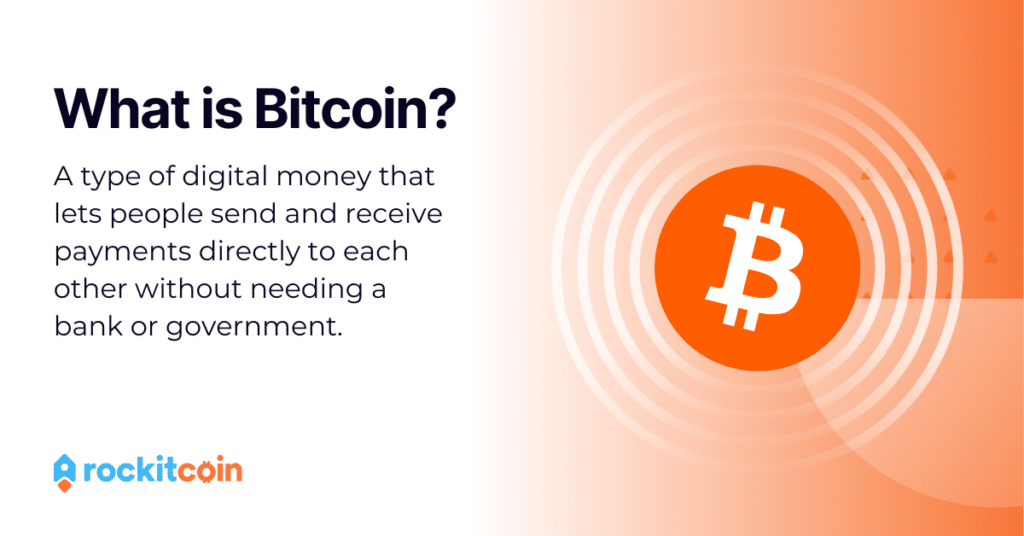
Bitcoin represents a paradigm shift, offering a peer-to-peer electronic cash system where transactions are recorded on a public ledger called a blockchain, secured by cryptography. This innovative design promises transparency, security, and immutability, features that have captivated a diverse audience, from individual investors seeking alternative assets to institutional players exploring new frontiers in wealth management. For anyone navigating the complexities of personal finance, investing, or the broader economic landscape, delving into the meaning of BTC is essential. It provides insights into a market that has generated unprecedented wealth, sparked intense debate, and continues to evolve at a blistering pace, offering both immense opportunities and significant considerations for financial stakeholders worldwide.
Unpacking the Abbreviation: Bitcoin’s Core Identity
At its heart, BTC is the ticker symbol for Bitcoin, much like “USD” represents the U.S. Dollar or “GOOG” symbolizes Alphabet Inc.’s stock. This seemingly simple abbreviation, however, unlocks a universe of financial innovation. Bitcoin was introduced to the world in 2008 by an anonymous entity or group known as Satoshi Nakamoto, with its whitepaper detailing “Bitcoin: A Peer-to-Peer Electronic Cash System.” The timing of its emergence, amidst a global financial meltdown, underscored a perceived need for a monetary system independent of traditional financial institutions and governmental oversight, which were seen by many as having failed.
The Genesis of Bitcoin
The core philosophy behind Bitcoin’s creation was to establish a digital currency that could facilitate direct transactions between parties without the need for a trusted third party. This was a radical departure from conventional financial systems, where banks and payment processors play crucial intermediary roles, verifying transactions and maintaining ledgers. Satoshi Nakamoto envisioned a system where trust was distributed across a network, maintained by cryptographic proof and consensus mechanisms, rather than centralized authority. This concept laid the groundwork for what would become the world’s first successful cryptocurrency, setting the stage for thousands of subsequent digital assets.
Bitcoin as a Digital Currency
As a digital currency, BTC exists purely in electronic form. It has no physical manifestation like coins or banknotes. Instead, ownership is recorded on a distributed public ledger, the blockchain, which is maintained by a network of computers (nodes) across the globe. When a Bitcoin transaction occurs, it is broadcast to the network, verified by these nodes, and then added as a new “block” to the chain of previous transactions. This process, known as mining, not only validates transactions but also introduces new Bitcoins into circulation, up to a predetermined limit. Its digital nature allows for transactions to be conducted swiftly across international borders, often with lower fees than traditional remittance services, making it an attractive option for cross-border payments and digital commerce.
Decentralization: The Game Changer
Perhaps the most revolutionary aspect of Bitcoin, and by extension, what BTC fundamentally represents, is its decentralization. Unlike fiat currencies issued by central banks, no single entity controls Bitcoin. The network is maintained by participants globally, meaning decisions regarding its protocol and operations are made through a consensus mechanism rather than by a governing body. This decentralized structure offers several key advantages from a financial perspective: it mitigates the risk of single points of failure, reduces the potential for censorship or seizure of funds by authorities, and theoretically makes the network more resilient against manipulation. This autonomy from governmental and banking control is a cornerstone of Bitcoin’s appeal, particularly for those concerned about inflation, monetary policy, or privacy in financial transactions.
Bitcoin’s Role in the Modern Financial Landscape
Understanding what BTC means also requires an appreciation of its evolving position within the broader financial ecosystem. What began as an experimental digital currency has matured into a significant asset class, drawing attention from individual investors, corporations, and even nation-states. Bitcoin’s financial footprint extends across investment portfolios, payment systems, and global economic discourse, challenging traditional finance to adapt and innovate. Its unique characteristics have positioned it as both a speculative asset and a potential hedge against traditional market volatility.
An Alternative Investment Asset
For many, BTC primarily represents an alternative investment asset. Its emergence has provided investors with an entirely new avenue for capital deployment, distinct from stocks, bonds, or real estate. The allure of Bitcoin stems from its historical performance, which has seen periods of explosive growth, offering returns that have dwarfed traditional investments. This potential for high returns, however, comes hand-in-hand with significant volatility, making it a high-risk, high-reward proposition. Institutional investors have increasingly begun to allocate small percentages of their portfolios to Bitcoin, viewing it as a diversification tool and a hedge against macroeconomic uncertainties. This growing institutional adoption further legitimizes BTC’s role as a staple in the modern investment landscape.
Store of Value: Digital Gold?
One of the most compelling narratives surrounding BTC is its potential to serve as a “digital gold.” Historically, gold has been revered as a safe-haven asset, maintaining its value during economic downturns due to its scarcity and universally recognized worth. Proponents argue that Bitcoin shares many of these characteristics: it is scarce (capped at 21 million coins), divisible, durable, and easily verifiable. In an era of aggressive quantitative easing and rising inflation concerns in traditional economies, Bitcoin offers a finite, censorship-resistant alternative for preserving wealth. This “store of value” hypothesis positions BTC as a hedge against inflation and a protector of purchasing power, attracting investors concerned about the long-term stability of fiat currencies. While the comparison to gold is still debated, Bitcoin’s increasing acceptance in this role highlights a profound shift in how investors perceive and manage financial risk.
Medium of Exchange: Practical Applications
While its primary use case for many might be as an investment, BTC’s original intent as a “peer-to-peer electronic cash system” continues to be relevant. A growing number of merchants, both online and brick-and-mortar, now accept Bitcoin as a form of payment. This includes major corporations, small businesses, and various service providers. The advantages of using BTC as a medium of exchange include potentially lower transaction fees compared to credit card processors, faster settlement times for international transfers, and enhanced privacy for users. In regions with unstable economies or limited access to traditional banking services, Bitcoin offers a robust alternative for financial inclusion and cross-border remittances. Its utility in facilitating direct, secure, and permissionless transactions underscores its practical value beyond mere speculation, showcasing its potential to revolutionize how individuals and businesses conduct financial operations globally.
Understanding Bitcoin’s Economic Principles
To truly grasp what BTC means, one must delve into the fundamental economic principles that govern its existence and value. Unlike traditional currencies whose supply can be influenced by central banks, Bitcoin operates on a predetermined, transparent, and immutable monetary policy embedded within its code. This unique economic model creates a distinct set of market dynamics that investors and financial analysts constantly monitor. The scarcity, predictable supply issuance, and market-driven price discovery mechanism are all critical components defining BTC’s financial essence.

Scarcity and Supply Cap (21 Million Coins)
One of the most crucial economic principles underpinning Bitcoin’s value is its absolute scarcity. The Bitcoin protocol dictates that there will only ever be a maximum of 21 million Bitcoins created. This fixed supply cap stands in stark contrast to fiat currencies, which can be printed in unlimited quantities by central banks, often leading to inflation and devaluation over time. The finite nature of BTC is a powerful driver of its appeal as a store of value, drawing parallels to precious metals like gold, whose value is also largely derived from their limited availability. As demand for Bitcoin grows against a permanently capped supply, the principles of supply and demand suggest that its value should appreciate over the long term, assuming continued utility and adoption.
Halving Events and Their Impact
Another critical economic mechanism built into Bitcoin’s protocol is the “halving” event. Approximately every four years, or specifically after every 210,000 blocks are mined, the reward that miners receive for validating transactions and adding new blocks to the blockchain is cut in half. This process effectively reduces the rate at which new Bitcoins are introduced into circulation, further reinforcing its scarcity. Halving events are significant because they reduce the new supply of BTC, historically leading to periods of increased price appreciation as the supply shock interacts with existing or growing demand. These pre-programmed supply shocks are a unique feature of Bitcoin’s monetary policy, differentiating it from any other currency or commodity and creating predictable cycles that shape its market dynamics and investor sentiment.
Price Volatility and Market Dynamics
Despite its inherent scarcity and predictable supply schedule, BTC is renowned for its significant price volatility. This volatility is a function of several factors, including its relatively young market, limited liquidity compared to traditional asset classes, speculative trading, regulatory uncertainties, and macroeconomic events. Unlike established financial markets with decades or centuries of data, Bitcoin’s market is still maturing, making it susceptible to rapid price swings driven by news, sentiment, and large institutional movements. Understanding these market dynamics is crucial for any investor considering BTC. While volatility presents risks, it also creates opportunities for traders and long-term investors alike, emphasizing the need for robust risk management strategies and a thorough understanding of market cycles when engaging with this digital asset.
How to Engage with Bitcoin (From a Financial Perspective)
For those looking to interact with BTC beyond theoretical understanding, there are clear financial pathways to acquisition, investment, and management. Engaging with Bitcoin from a financial perspective involves understanding the practical steps of acquiring it, the different investment strategies one might employ, and the inherent risks and considerations that accompany this innovative asset. As with any financial endeavor, due diligence and a clear understanding of personal financial goals are paramount.
Acquiring BTC: Exchanges and Wallets
The primary method for acquiring BTC is through cryptocurrency exchanges. These platforms, akin to online brokerages, allow users to buy, sell, and trade Bitcoin using fiat currencies (like USD, EUR) or other cryptocurrencies. Popular exchanges include Coinbase, Binance, Kraken, and Gemini, among others. When choosing an exchange, factors like security, fees, liquidity, and regulatory compliance are crucial. Once acquired, BTC needs to be stored securely. This is done in “wallets,” which are digital tools that allow users to manage their Bitcoin holdings. Walals come in various forms: “hot wallets” (online, connected to the internet, e.g., exchange wallets, mobile apps) offer convenience but higher risk of hacks, while “cold wallets” (offline, e.g., hardware wallets, paper wallets) offer greater security but less immediate accessibility. Proper wallet management is fundamental to protecting one’s investment.
Investing Strategies: Long-Term vs. Short-Term
Investing in BTC can broadly be categorized into long-term (HODLing) and short-term (trading) strategies. “HODL” is a popular term in the crypto community, originating from a misspelling of “hold,” which refers to the strategy of buying and holding Bitcoin for extended periods, often years, with the expectation of significant price appreciation. This strategy is based on the belief in Bitcoin’s long-term growth potential due to its scarcity and increasing adoption. Short-term trading, on the other hand, involves buying and selling BTC frequently to profit from its price volatility. This requires active market analysis, technical trading skills, and a higher tolerance for risk. Investors might also consider dollar-cost averaging (DCA), which involves investing a fixed amount of money into BTC at regular intervals, regardless of its price. This strategy helps mitigate the impact of volatility by averaging out the purchase price over time.
Risks and Considerations for Investors
Investing in BTC comes with a unique set of risks and considerations that investors must be aware of. Firstly, market volatility is significant; prices can fluctuate dramatically in short periods, leading to substantial gains or losses. Secondly, regulatory uncertainty remains a key concern. Governments worldwide are still developing frameworks for cryptocurrencies, and potential regulations could impact Bitcoin’s value and usability. Thirdly, security risks, such as exchange hacks, phishing scams, and loss of private keys, can lead to irreversible loss of funds. Investors must prioritize strong passwords, two-factor authentication, and secure wallet practices. Lastly, the absence of a central authority means there are fewer consumer protections compared to traditional financial systems. Given these factors, investors should only invest what they can afford to lose and consider consulting with a financial advisor who understands digital assets.
The Future of Bitcoin and Its Financial Implications
The journey of BTC from an obscure internet phenomenon to a global financial asset has been extraordinary, but its story is far from over. The future holds immense potential for Bitcoin to further entrench itself within the financial fabric of the world, driven by technological advancements, increasing institutional participation, and evolving regulatory landscapes. Understanding these future trajectories is crucial for grasping the enduring financial implications of what BTC truly means. Its continued evolution promises to reshape everything from individual wealth management to international financial systems, demanding ongoing attention from anyone engaged in the world of money.
Institutional Adoption and Mainstream Integration
A key indicator of Bitcoin’s financial future is the accelerating pace of institutional adoption and its subsequent integration into mainstream finance. Major corporations, asset managers, and even public companies are increasingly adding BTC to their balance sheets or offering Bitcoin-related financial products, such as exchange-traded funds (ETFs) and custodial services. This institutional embrace brings greater liquidity, legitimacy, and stability to the Bitcoin market, making it more accessible to a broader range of investors. As more traditional financial services integrate Bitcoin, its role as a viable asset class strengthens, potentially reducing volatility and increasing its acceptance as a standard component of diversified investment portfolios. This integration signifies a crucial step toward BTC’s full maturation as a global financial instrument.
Regulatory Landscape and Evolution
The regulatory landscape surrounding Bitcoin is perhaps one of the most dynamic and impactful factors influencing its future. Governments and financial authorities worldwide are grappling with how to classify, regulate, and oversee cryptocurrencies. While some jurisdictions have adopted progressive stances, fostering innovation, others remain cautious or even restrictive. The evolution of regulation will significantly determine BTC’s accessibility, usability, and stability. Clear and consistent regulatory frameworks could provide investor protection, reduce illicit activities, and facilitate wider adoption by institutional players who require legal certainty. Conversely, overly restrictive regulations could stifle innovation or push Bitcoin activity into less transparent corners of the market. The balance struck by global regulators will be pivotal in shaping Bitcoin’s long-term trajectory and its ultimate role in the financial system.

Bitcoin’s Potential to Reshape Global Finance
Ultimately, what BTC means for the future is its profound potential to reshape global finance. By offering a decentralized, transparent, and immutable financial system, Bitcoin challenges the monopolistic power of traditional banks and government-controlled currencies. It presents an alternative where financial transactions are peer-to-peer, censorship-resistant, and potentially more efficient. This could lead to a more inclusive global financial system, providing banking services to the unbanked and underbanked populations worldwide. Furthermore, Bitcoin’s underlying blockchain technology could inspire innovations in cross-border payments, digital identity, and asset tokenization, fundamentally altering how value is transferred, stored, and managed. While significant hurdles remain, BTC stands as a testament to financial innovation, continually pushing the boundaries of what is possible and offering a glimpse into a future where money is truly digital and globally accessible.
aViewFromTheCave is a participant in the Amazon Services LLC Associates Program, an affiliate advertising program designed to provide a means for sites to earn advertising fees by advertising and linking to Amazon.com. Amazon, the Amazon logo, AmazonSupply, and the AmazonSupply logo are trademarks of Amazon.com, Inc. or its affiliates. As an Amazon Associate we earn affiliate commissions from qualifying purchases.