
When a user asks, “What is Bridgerton on?” the immediate, literal answer is Netflix. However, from a technical perspective, the answer is far more complex than a simple streaming service name. The existence of a global phenomenon like Bridgerton relies on a sophisticated stack of cloud computing, content delivery networks (CDNs), data science, and high-end video encoding technologies.
To understand what Bridgerton is truly “on,” we must look past the Regency-era gowns and delve into the 21st-century digital infrastructure that allows millions of viewers to stream 4K content simultaneously across the globe without a hint of lag.
The Foundation: Cloud Infrastructure and Content Delivery Networks
The show does not sit on a single hard drive in a basement; it is distributed across a massive, decentralized network designed for maximum availability and minimum latency.
Netflix Open Connect: The Custom CDN
While many companies use third-party providers for their data needs, Netflix built its own purpose-built Content Delivery Network called Open Connect. This is the physical “where” of Bridgerton. Open Connect consists of thousands of appliances (physical servers) that Netflix provides for free to Internet Service Providers (ISPs) around the world.
By placing these servers deep within the networks of ISPs, the data for Bridgerton travels a shorter physical distance to reach the end-user. This reduces network congestion and ensures that when a viewer hits “play,” the video starts almost instantly. These servers are optimized for high-throughput video delivery, capable of handling the massive traffic spikes that occur the moment a new season drops.
AWS and the Control Plane
While the actual video files (the “data plane”) live on Open Connect, the “logic” of the application lives on Amazon Web Services (AWS). Every time you browse the Bridgerton interface, look at a preview, or read a synopsis, you are interacting with microservices running on AWS. This cloud-based architecture allows for horizontal scaling—meaning the system can automatically add more computing power as millions of users login to watch the latest scandals of the Ton.
High-Definition Aesthetics: The Tech of 4K and Dolby Vision
The visual appeal of Bridgerton is a core component of its brand. Maintaining that visual fidelity across varying internet speeds requires a suite of advanced video processing technologies.
Adaptive Bitrate Streaming (ABS)
One of the most critical technologies “under the hood” of Bridgerton is Adaptive Bitrate Streaming. The show is not a single file; it is a collection of hundreds of different versions of the same episode, encoded at various resolutions and bitrates.
As you watch, a client-side algorithm constantly monitors your internet speed and device processing power. If your Wi-Fi signal drops, the technology seamlessly switches you to a lower-bitrate version of the video. This prevents the dreaded “buffering” wheel. The goal of this tech is to ensure that the opulent colors of the Featherington house remain as vibrant as possible, regardless of the user’s bandwidth constraints.
The HDR and Dolby Vision Pipeline
To achieve its signature look, Bridgerton utilizes High Dynamic Range (HDR), specifically Dolby Vision. This technology allows for a much wider range of colors and higher contrast ratios compared to standard digital video.
Technically, this involves “dynamic metadata” that tells your smart TV exactly how to adjust its brightness and color settings for every single frame. This ensures that the dark, moody interiors of a London club and the bright, sun-drenched gardens of a country estate are rendered with lifelike precision. The tech infrastructure must support the high data overhead that HDR metadata requires, ensuring that the metadata remains perfectly synced with the video stream.
AI and the Discovery Engine: Why Bridgerton is on Your Screen

When someone asks “What is Bridgerton on?”, they are often prompted to ask because the show appeared prominently on their homepage. This is not a coincidence; it is the result of one of the world’s most advanced machine learning ecosystems.
The Personalization Algorithm
The reason Bridgerton is “on” your specific home screen is due to a series of reinforcement learning models. Netflix’s recommendation engine analyzes billions of data points: what you’ve watched, what you’ve hovered over, and even the time of day you consume content.
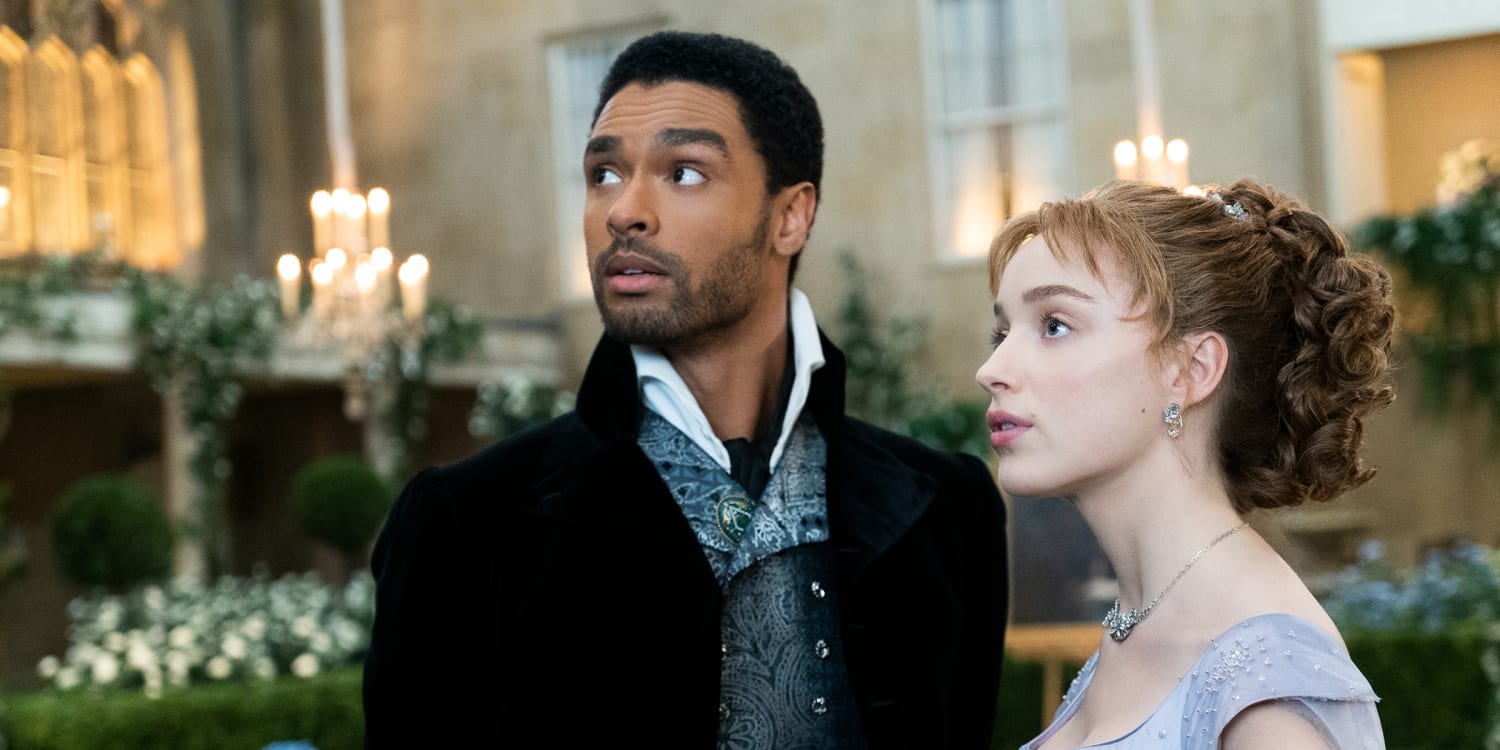
The tech goes deeper than just suggesting the show. It uses “Aesthetic Visual Analysis” to choose which thumbnail image you see. If you typically watch romantic dramas, you might see a thumbnail of the lead couple. If you prefer historical documentaries, you might see an image focusing on the period-accurate architecture or costumes. The platform is essentially “re-branding” the show in real-time for every individual user through AI.
Metadata and Knowledge Graphs
To categorize Bridgerton accurately, the tech stack employs extensive metadata tagging. This isn’t just “Drama” or “Romance.” Internal systems use thousands of tags—ranging from “Strong Female Lead” to “Steamy Period Piece”—to build a knowledge graph. This graph allows the system to understand the relationship between Bridgerton and other content, ensuring it reaches the audience most likely to engage with it, thereby maximizing the “hit” potential of the IP.
Security and Global Distribution: DRM and Geo-Optimization
Because Bridgerton is a high-value intellectual property, the technology used to protect and distribute it globally is highly regulated and technologically complex.
Digital Rights Management (DRM)
To prevent piracy and unauthorized redistribution, the show is wrapped in multiple layers of Digital Rights Management (DRM). Technologies like Google’s Widevine, Apple’s FairPlay, and Microsoft’s PlayReady are integrated into the streaming player.
These systems handle the decryption of the video stream in real-time. When you press play, your device must exchange a set of “keys” with a license server to prove you have a valid subscription. This process happens in milliseconds, ensuring security without compromising the user experience.
Global Localization and Subtitling Tech
Bridgerton is a global hit, which means it must be “on” in hundreds of countries simultaneously. This requires a massive localization infrastructure. Netflix utilizes a proprietary toolset for “timed text” (subtitles) and dubbing management.
The technology ensures that the audio tracks for different languages are perfectly synced with the video frames. Furthermore, the UI itself must be localized, adapting the text direction (for languages like Arabic) and character sets (for languages like Japanese), all while maintaining the “Bridgerton” aesthetic across different devices and regions.
The Future of Viewing: Beyond Traditional Streaming
As we look at what Bridgerton is “on,” we must also consider the emerging technologies that are changing how we interact with such content.
Social Streaming and Ecosystem Integration
The “what” is increasingly becoming an ecosystem. While the show is on Netflix, the experience is distributed across social tech platforms. Netflix has experimented with “Watch Party” features and deep integration with mobile devices to allow for synchronized viewing.
Moreover, the technology of “second screen” experiences—where metadata about the music being played or the actors on screen is delivered to a mobile device in real-time—is becoming more prevalent. This creates a multi-channel technical environment where the show isn’t just on your TV, but is integrated into your entire digital life.
The Role of Edge Computing
As streaming quality pushes toward 8K and beyond, the industry is moving toward edge computing. By processing data at the “edge” of the network—closer to the user than even a standard CDN—the latency for interactive features or ultra-high-definition streaming will decrease further. In the near future, the answer to “what is Bridgerton on” might include immersive VR environments or interactive “choose-your-own-adventure” modules, all powered by low-latency edge nodes.
In conclusion, Bridgerton is much more than a television show; it is a showcase for the pinnacle of modern streaming technology. From the physical silicon of the Open Connect servers to the complex neural networks that predict your favorite tropes, the show exists at the intersection of high art and high tech. Understanding the infrastructure behind the screen reveals the true magnitude of what it takes to bring the 19th century into the digital age.
aViewFromTheCave is a participant in the Amazon Services LLC Associates Program, an affiliate advertising program designed to provide a means for sites to earn advertising fees by advertising and linking to Amazon.com. Amazon, the Amazon logo, AmazonSupply, and the AmazonSupply logo are trademarks of Amazon.com, Inc. or its affiliates. As an Amazon Associate we earn affiliate commissions from qualifying purchases.