
In the saturated world of the global beverage industry, few products have managed to achieve the level of organic growth and cultural penetration seen by “Brazilian Lemonade.” While the name suggests a simple variation of a classic summer staple, the phenomenon surrounding this drink offers a profound case study in brand strategy, market positioning, and the power of sensory marketing. To understand what Brazilian Lemonade is, one must look beyond the limes and condensed milk and examine how a traditional regional recipe transformed into a global brand powerhouse.
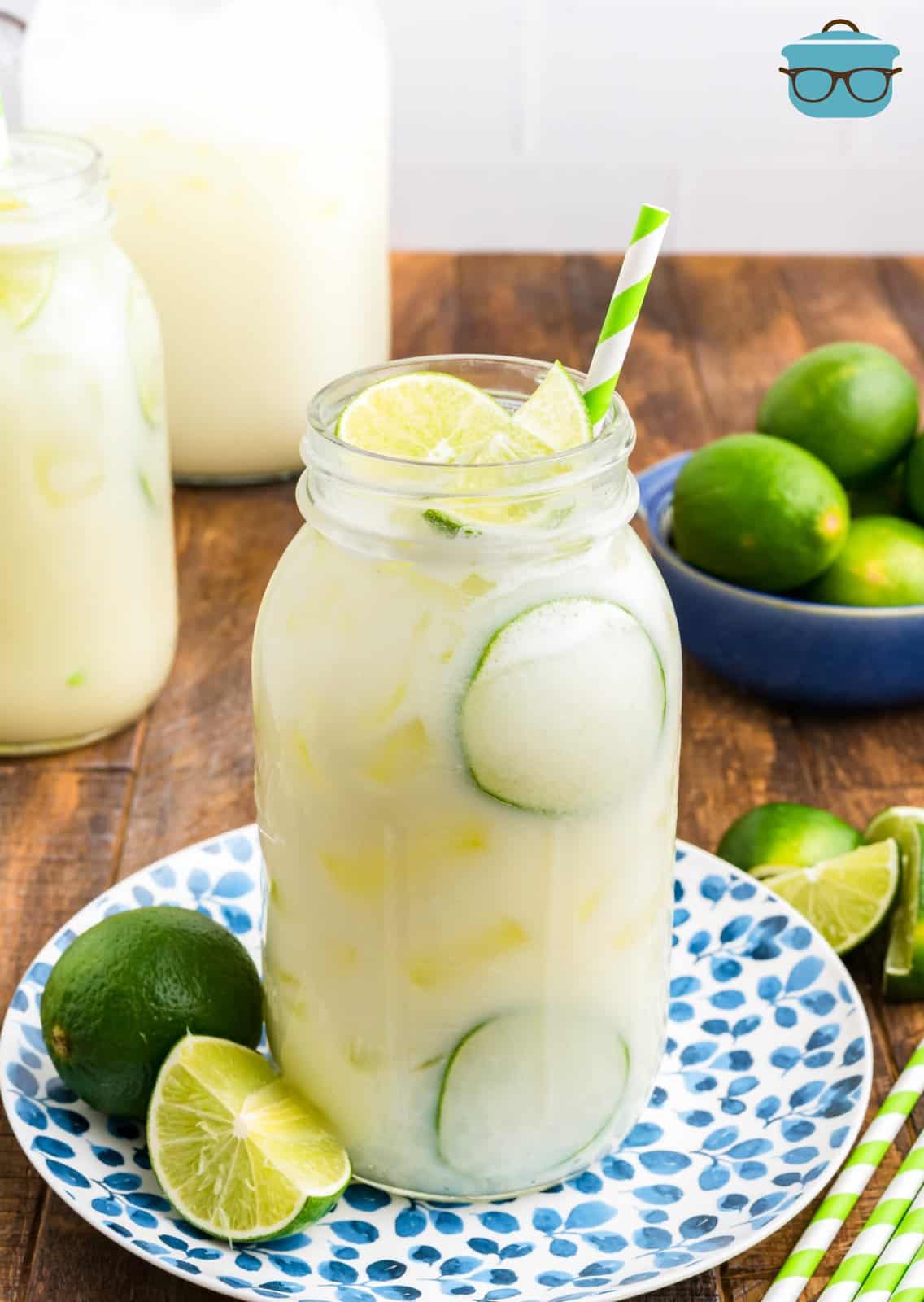
At its core, Brazilian Lemonade—or Limonada Suíça—represents a disruption of the “lemonade” category. In branding terms, it is a textbook example of “Category Innovation.” It takes a familiar concept (lemonade) and introduces a radical twist (the use of whole limes and sweetened condensed milk), creating a new sub-category that challenges consumer expectations. This creates a psychological “pattern interrupt” that is essential for any brand attempting to gain traction in a crowded marketplace.
The Anatomy of a Viral Product: Redefining Category Expectations
The first lesson in brand strategy offered by Brazilian Lemonade is the power of the misnomer as a marketing tool. Interestingly, the drink uses limes rather than lemons, and in Brazil, it is often referred to as “Swiss Lemonade.” From a brand identity perspective, this naming creates a sense of intrigue. Why is it called lemonade? Why is it called Swiss? These questions drive consumer engagement and search engine curiosity, effectively lowering the cost of customer acquisition through organic discovery.
The Role of Sensory Branding
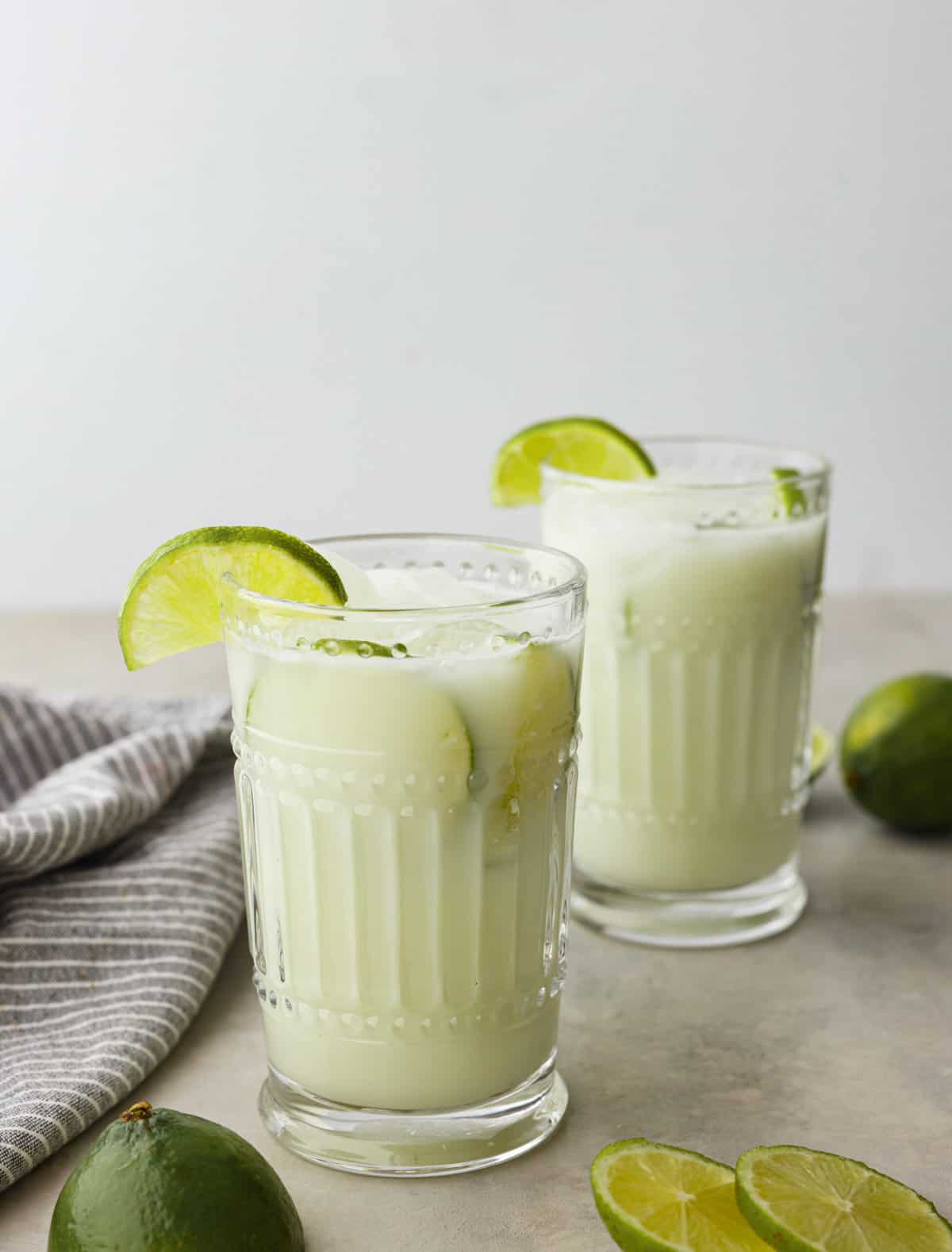
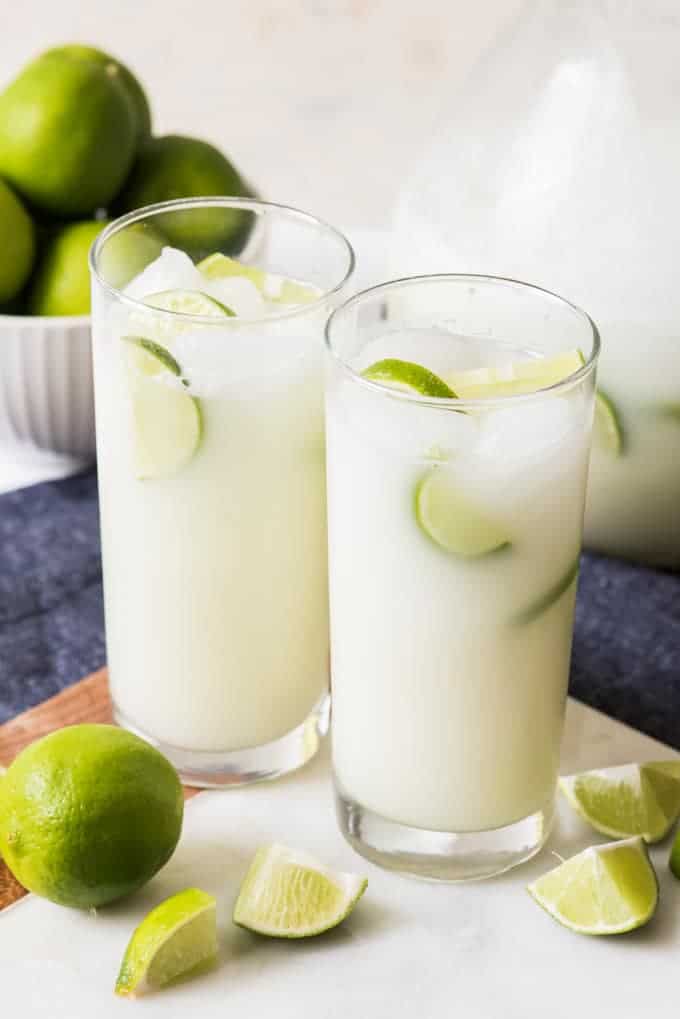
Successful brands are not just seen; they are felt and tasted. Brazilian Lemonade excels in sensory branding. Unlike traditional clear or yellow lemonades, this version is opaque, creamy, and frothy. This visual differentiation is crucial for “Instagrammable” or “viral” marketing. When a consumer sees a glass of Brazilian Lemonade, it is immediately distinguishable from any other beverage. This visual signature acts as a silent logo, communicating the brand’s identity without the need for text.
Disrupting the Flavor Profile
In brand positioning, “different is better than better.” While many beverage brands compete to be the “freshest” or the “sweetest,” Brazilian Lemonade creates a unique flavor profile that balances acidity, creaminess, and a subtle bitterness from the lime zest. This complexity creates a “signature experience.” In the world of corporate identity, a signature experience is a unique interaction that a customer has with a product that they cannot get anywhere else. By incorporating the whole lime—including the peel—the drink provides a depth of flavor that traditional lemonades lack, securing its place as a premium alternative in the consumer’s mind.
Psychological Triggers: Why Brazilian Lemonade Dominates Digital Mindshare
The global rise of Brazilian Lemonade can be attributed to its alignment with modern digital marketing trends. It is a product perfectly designed for the “Attention Economy.” In an era where brand strategy is dictated by short-form video content, the process of making Brazilian Lemonade serves as a compelling narrative.
The “Secret Ingredient” Strategy
One of the oldest tricks in brand strategy is the “secret ingredient.” For many global consumers, the addition of sweetened condensed milk to a citrus drink was a revelation. This ingredient acts as the “hero” of the brand story. When influencers and marketers showcase the thick, white ribbons of condensed milk swirling into a bright green lime mixture, they are utilizing high-contrast visuals to trigger a dopamine response in the viewer. This is not just a recipe; it is a visual hook that anchors the brand in the viewer’s memory.
Friction as a Brand Asset
Interestingly, the preparation of Brazilian Lemonade involves a specific technique: blending whole limes briefly and straining them immediately to prevent bitterness. This “ritual” adds a layer of exclusivity and craft to the brand identity. In luxury branding, the “difficulty” of a process often adds to the perceived value of the product. By requiring a specific method of preparation, the drink moves from being a simple commodity to a “crafted experience.” This allows brands that serve it to justify a higher price point, positioning it as a premium offering compared to standard soft drinks.
Strategic Brand Positioning: From Local Tradition to Global Commodity
To understand the business potential of Brazilian Lemonade, we must look at how it has transitioned from a niche cultural beverage to a global trend. This transition is a masterclass in “Market Expansion Strategy.”
Leveraging Cultural Authenticity
In the modern market, authenticity is a high-value currency. Brazilian Lemonade carries with it the “halo effect” of Brazilian culture—vibrant, tropical, and refreshing. For a brand, leveraging a specific cultural origin can provide an immediate sense of heritage and soul. This is particularly effective in the food and beverage industry, where consumers are increasingly looking for “global flavors” and “authentic experiences.” By branding the drink specifically as Brazilian, marketers tap into a pre-existing set of positive cultural associations.
The “Halo Effect” of the Name
The decision of international brands to retain the “Brazilian” moniker rather than rebranding it as “Creamy Limeade” is a strategic one. The word “Brazilian” functions as a premium descriptor. It suggests an exotic quality that “Creamy Limeade” lacks. In marketing, the adjectives we use to describe a product often do more work than the product itself. The geographic anchor provides a story, and in the world of brand strategy, the best story wins.
Scalability and Adaptation
From a corporate strategy perspective, the “ingredients list” of Brazilian Lemonade is remarkably simple: limes, water, sugar, and condensed milk. This simplicity makes it infinitely scalable. Whether it is a small café or a global fast-food chain, the low complexity of the supply chain required to produce this “premium” beverage makes it an attractive addition to any menu. The ability to offer a high-margin, high-perceived-value product using common ingredients is the “holy grail” of business finance and brand expansion.
Brand Resilience and the Power of the “Signature Experience”
What makes a brand last? In the case of Brazilian Lemonade, it is the ability to adapt while maintaining a core identity. As the drink has traveled globally, we have seen the emergence of “Brand Extensions”—versions with coconut milk for the vegan market, or versions infused with passion fruit or mint.
Building a Community Around a Taste
The most successful brands are those that foster a sense of community. The “DIY” nature of Brazilian Lemonade has turned consumers into brand ambassadors. Every time a user shares their attempt at making the drink on social media, they are contributing to the “Earned Media” of the Brazilian Lemonade brand. This decentralized marketing is far more powerful than any paid advertising campaign because it relies on social proof. When consumers see their peers enjoying a product, the “Trust Gap” is bridged instantly.
Intellectual Property and the Commodity Trap
One challenge in branding a recipe is that it cannot be patented. Anyone can make “Brazilian Lemonade.” Therefore, the brand strategy must shift from protecting the product to owning the experience. This is where corporate identity comes into play. Businesses that succeed with this beverage do so by creating a unique environment, a specific glass shape, or a proprietary garnish that makes their Brazilian Lemonade the definitive version. This is the same strategy used by Coca-Cola or Starbucks; they do not just sell a liquid; they sell a consistent, branded experience.
The Future of the Brazilian Lemonade Brand
As we look toward the future of beverage trends, Brazilian Lemonade stands as a testament to the power of reimagining the ordinary. It proves that even the most basic categories—like lemonade—are ripe for disruption if one can apply the right brand strategy.
For brand builders and marketers, the takeaway is clear:
- Look for the “Unfair Advantage”: What ingredient or process can you introduce to an existing category to make it unrecognizable yet familiar?
- Utilize Visual Contrast: In a digital-first world, how does your product look in a three-second video?
- Capitalize on Naming: Does your product name spark curiosity or tell a story?
- Simplify the Supply Chain: Can you create a premium experience using accessible components?
In conclusion, Brazilian Lemonade is more than just a refreshing summer drink. It is a sophisticated example of how cultural heritage, sensory marketing, and digital virality can converge to create a global brand phenomenon. It challenges our perceptions of what a “lemonade” can be and sets a new standard for how regional products can achieve international market dominance through strategic positioning and a relentless focus on the consumer experience. Whether you are a small business owner or a corporate brand strategist, the lessons hidden within the frothy layers of a Brazilian Lemonade are as potent as the drink itself. It is a reminder that in the world of branding, the most powerful tool you have is the ability to take something universal and make it feel entirely new.
aViewFromTheCave is a participant in the Amazon Services LLC Associates Program, an affiliate advertising program designed to provide a means for sites to earn advertising fees by advertising and linking to Amazon.com. Amazon, the Amazon logo, AmazonSupply, and the AmazonSupply logo are trademarks of Amazon.com, Inc. or its affiliates. As an Amazon Associate we earn affiliate commissions from qualifying purchases.