
Unveiling the Technology Behind Esophageal pH Monitoring
In the intricate landscape of medical diagnostics, technological innovation frequently paves the way for more accurate, less invasive, and ultimately, more patient-friendly procedures. One such advancement, often referred to as the Bravo Test, stands as a testament to the power of miniaturization and wireless communication in clinical applications. At its core, the Bravo Test is a sophisticated system designed to measure and record pH levels in the esophagus over an extended period, providing critical data for diagnosing conditions such as Gastroesophageal Reflux Disease (GERD). While its ultimate purpose is medical, understanding the Bravo Test fundamentally requires an exploration of the advanced technological components that make its diagnostic capabilities possible, moving far beyond traditional, cumbersome methods.
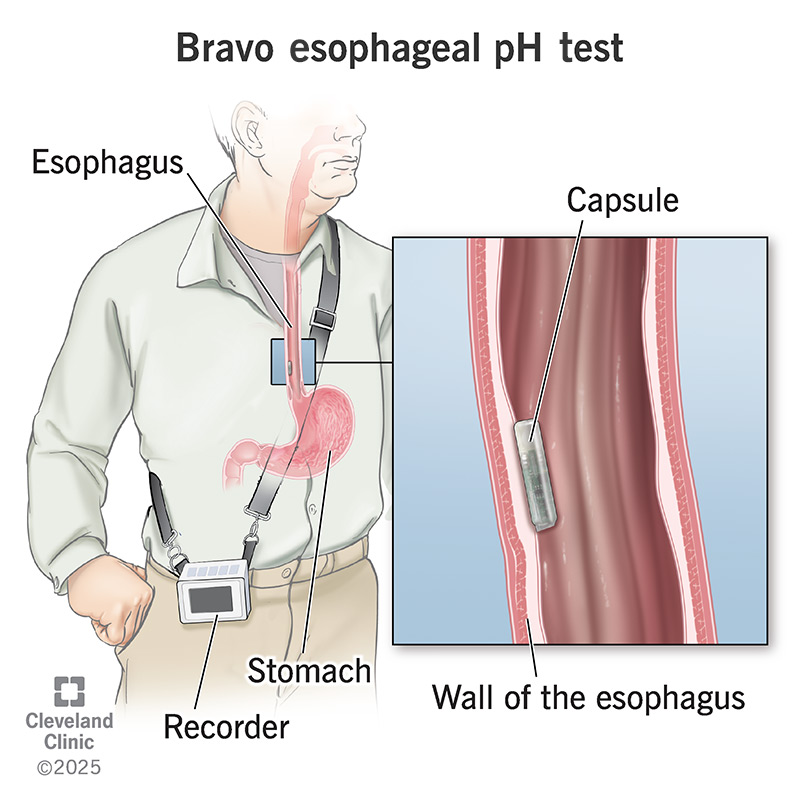
Traditional esophageal pH monitoring often involved a catheter threaded through the nose into the esophagus, an uncomfortable and restrictive setup for patients over a 24-hour period. The Bravo Test, however, represents a significant leap forward by employing a small, capsule-based device that wirelessly transmits data, revolutionizing both the precision of data collection and the patient experience. This technological shift addresses longstanding challenges in diagnostic accuracy, particularly concerning intermittent or atypical reflux symptoms that might be missed during shorter observation windows or under stress from an intrusive device. By integrating advanced sensor technology with robust wireless communication protocols and sophisticated data analysis software, the Bravo system provides an insightful window into esophageal physiology, all while minimizing disruption to a patient’s daily life.
The Miniature Marvel: Bravo Capsule Design and Functionality
The cornerstone of the Bravo Test system is the Bravo capsule itself—a marvel of biomedical engineering. This miniature device, roughly the size of a gel cap, integrates several complex technological features into an incredibly compact form factor, enabling its unique capabilities.
Encapsulated Innovation
The Bravo capsule’s design is a triumph of miniaturization. Crafted from biocompatible materials, it is engineered to be temporarily affixed to the esophageal lining during an endoscopic procedure. Its small, streamlined shape is crucial for patient comfort and ensures that once attached, it remains largely imperceptible. The attachment mechanism, typically a small suction cup, is designed for secure, temporary adherence, allowing the capsule to naturally detach and pass through the digestive system after its monitoring period, usually within 5 to 7 days. This innovative deployment and self-disposal mechanism eliminates the need for any subsequent removal procedure, a significant advantage over catheter-based systems.
pH Sensor Technology
At the heart of the Bravo capsule lies its highly sensitive and precise pH sensor. This sensor is typically an antimony electrode or utilizes similar electrochemical principles to accurately measure the hydrogen ion concentration in the esophagus, which directly correlates to its acidity. The sensor is strategically positioned on the capsule to ensure reliable contact with the esophageal mucosa. Its design ensures robust performance in a dynamic biological environment, providing accurate readings even in the presence of various fluids and tissues. The sensor’s ability to discriminate subtle changes in pH is critical for identifying reflux episodes, including those that might not produce overt symptoms. Calibration and baseline stability are key technical considerations, ensuring the integrity of the data collected over the entire monitoring period.
Wireless Transmission System
Perhaps the most defining technological feature of the Bravo capsule is its integrated wireless transmission system. Once activated and affixed, the capsule continuously measures esophageal pH and transmits this data via radiofrequency (RF) signals to an external, pager-sized receiver worn by the patient. This wireless capability is a game-changer, allowing patients to maintain their normal daily activities without the physical constraints of a wired system. The RF technology operates on specific, low-power frequency bands, ensuring efficient data transfer while minimizing power consumption from the capsule’s internal, miniaturized battery. The system is designed to provide a consistent and reliable signal range, ensuring that data is captured accurately even when the receiver is not in immediate proximity to the capsule. The robust encoding and transmission protocols are engineered to prevent data loss or interference, ensuring the integrity of the critical pH readings.
Data Collection and Digital Processing: From Body to Cloud
The raw data generated by the Bravo capsule undergoes a sophisticated journey, from its origin in the esophagus to its transformation into actionable diagnostic insights through digital processing and analysis.
Receiver Unit Intelligence
The external receiver unit plays a pivotal role in this data pipeline. This portable device is not merely a passive signal collector; it is an intelligent component equipped with internal memory, a clock, and processing capabilities. As it receives pH data wirelessly from the capsule, it precisely timestamps each reading, ensuring chronological accuracy. The receiver’s internal logic can often perform initial data filtering or aggregation, reducing the volume of raw data while preserving critical information. Its robust design accounts for battery life, ensuring it can operate reliably for the entire monitoring duration, and it often includes a user interface that allows patients to log symptomatic events (e.g., heartburn, regurgitation) by pressing a dedicated button. This manual input is timestamped and integrated with the pH data, creating a holistic dataset that correlates physiological events with patient-reported symptoms.
Software Integration and Analysis Platforms
Once the monitoring period concludes, the data stored on the receiver unit is transferred to a computer workstation, typically via a USB connection or, in more advanced systems, wirelessly. This is where proprietary software takes over, serving as the analytical engine of the Bravo Test. This specialized software platform is designed to visualize the voluminous pH data in an intuitive graphical format, allowing clinicians to quickly identify trends, specific reflux episodes, and their duration and severity. Algorithms embedded within the software automatically process the raw pH values, calculate key metrics (e.g., number of reflux events, percentage of time pH is below a certain threshold, DeMeester score), and cross-reference them with the patient’s logged symptoms. The software generates comprehensive reports, complete with statistical summaries and visual graphs, which are crucial for accurate diagnosis and treatment planning. The integrity of these algorithms and the user-friendliness of the interface are paramount to leveraging the full potential of the collected data.
Connectivity and Data Transfer

The process of moving data from the receiver to the analytical software highlights the critical role of connectivity and digital security. Modern systems may employ secure Bluetooth or Wi-Fi protocols for wireless data transfer, enhancing convenience and efficiency. Regardless of the method, robust data encryption and compliance with healthcare data privacy regulations (e.g., HIPAA) are non-negotiable. The digital infrastructure must ensure that sensitive patient data remains protected throughout the transfer, storage, and analysis phases. Cloud-based solutions are increasingly being explored, allowing for more flexible access to data and potentially facilitating remote consultations, further integrating the Bravo Test within a broader telemedicine framework.
Technological Advancements and User Experience
The technological prowess embedded in the Bravo Test extends beyond mere data collection; it profoundly impacts the patient experience and clinical utility, representing a significant advancement over its predecessors.
Minimally Invasive Design
The shift from a transnasal catheter to a small, endoscopic-deployed capsule dramatically elevates the patient experience. The catheter, with its external tubing and constant presence, significantly restricts a patient’s diet, activity, and sleep, often leading to abnormal data due to the discomfort. The Bravo capsule, being internal and wireless, allows patients to eat, sleep, and engage in their regular activities with minimal disruption. This “physiological freedom” is a crucial technological advantage, as it enables the collection of pH data under real-life conditions, which is essential for an accurate diagnosis, particularly for patients with intermittent or subtle reflux symptoms. The less invasive nature means less psychological burden and greater compliance, directly contributing to more representative and reliable diagnostic outcomes.
Extended Monitoring Capabilities
The advanced battery technology and power management within the Bravo capsule enable extended monitoring periods, typically 48 to 96 hours, a substantial improvement over the traditional 24-hour catheter-based studies. This extended duration is a critical technological advantage because many reflux episodes are intermittent or occur infrequently. A longer monitoring window significantly increases the probability of capturing these events, providing a more comprehensive and accurate picture of a patient’s reflux burden. This capability is particularly beneficial for diagnosing patients whose symptoms are not daily or whose reflux patterns might be influenced by specific activities or dietary choices over several days. The robust internal memory of the receiver further supports this extended data capture, ensuring no critical information is lost.
Event Logging and Correlation
A key feature enhancing the utility of the Bravo system is the integration of patient-logged symptoms with the objective pH data. The external receiver unit includes dedicated buttons that patients can press to indicate when they experience symptoms such as heartburn, regurgitation, or chest pain, or when they consume meals or lie down. These timestamps are precisely correlated with the continuously recorded pH data by the analysis software. This technological synergy allows clinicians to objectively determine if a patient’s subjective symptoms are, in fact, correlated with episodes of acid reflux. This level of correlation is vital for differentiating acid-related symptoms from other esophageal issues, thereby guiding more targeted and effective treatment strategies. It bridges the gap between patient perception and physiological reality, powered by intelligent data synchronization.
The Future of Wireless Diagnostic Technologies
The Bravo Test, while a significant achievement, also serves as a blueprint for the future direction of wireless diagnostic technologies, hinting at an era of even more sophisticated and integrated health monitoring.
Miniaturization and Power Efficiency
The relentless pursuit of miniaturization will continue, pushing the boundaries of how small and discreet these devices can become. Future iterations may feature even smaller capsules that are easier to deploy and even less noticeable. Concurrently, advancements in battery technology and ultra-low-power electronics will extend monitoring durations far beyond the current capabilities, potentially enabling weeks or even months of continuous physiological data collection from a single swallowed or affixed device. This will be critical for diagnosing chronic, episodic conditions and for long-term therapeutic monitoring.
Enhanced Sensor Arrays
The current Bravo capsule primarily measures pH. However, the future could see the integration of multi-sensor arrays into similar wireless capsules. Imagine devices capable of simultaneously measuring pH, impedance (to detect non-acid reflux and liquid/gas movement), temperature, pressure, and even early biomarkers for various conditions. Such comprehensive data streams would provide an unprecedented depth of insight into gastrointestinal function, enabling more precise diagnoses and personalized treatment plans, moving beyond the current focus on acidity alone.
AI and Machine Learning in Data Analysis
The sheer volume of data generated by extended and multi-sensor monitoring will necessitate advanced analytical tools. Artificial intelligence (AI) and machine learning (ML) algorithms are poised to play a transformative role. These technologies can process vast datasets, identify subtle patterns, automatically detect and classify reflux events, and even predict patient responses to different therapies with greater accuracy than human analysis alone. AI could also personalize diagnostic thresholds, moving away from generalized norms to patient-specific physiological profiles, significantly enhancing diagnostic precision and clinical workflow efficiency.

Telemedicine Integration
Wireless diagnostic devices like the Bravo Test are inherently suited for integration into telemedicine and remote patient monitoring platforms. The ability to collect and transmit data from a patient in their home environment, without the need for frequent clinic visits, aligns perfectly with the evolving landscape of decentralized healthcare. Future systems will likely feature seamless, secure cloud integration for data upload and analysis, enabling clinicians to remotely monitor patients, review results, and adjust treatment plans, making specialized diagnostics more accessible to a broader population, regardless of geographical location.
aViewFromTheCave is a participant in the Amazon Services LLC Associates Program, an affiliate advertising program designed to provide a means for sites to earn advertising fees by advertising and linking to Amazon.com. Amazon, the Amazon logo, AmazonSupply, and the AmazonSupply logo are trademarks of Amazon.com, Inc. or its affiliates. As an Amazon Associate we earn affiliate commissions from qualifying purchases.