
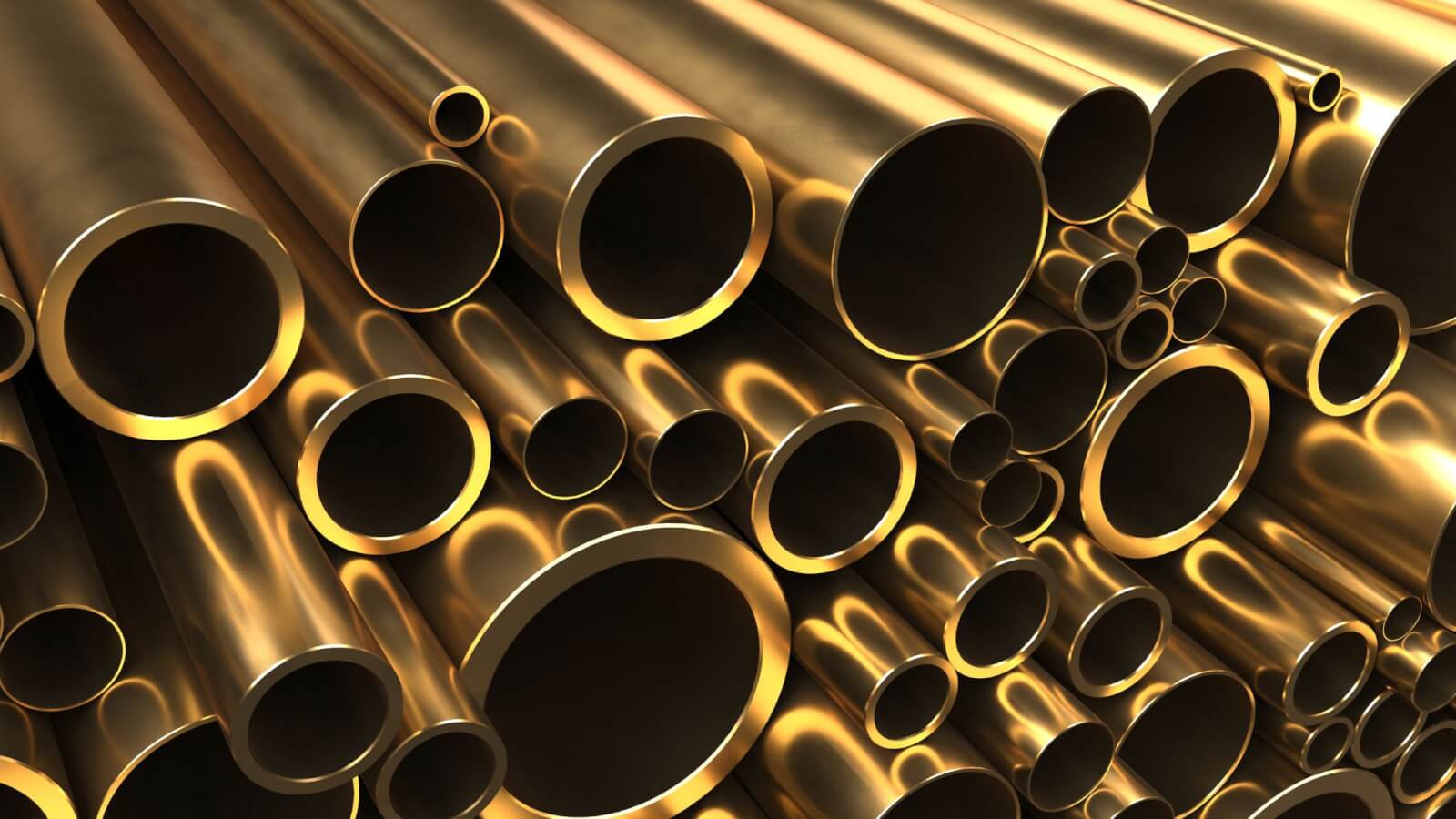
To understand the financial viability and industrial necessity of brass, one must first look at its chemical DNA. Brass is a non-ferrous, yellow-hued metal that is not a primary element found on the periodic table; rather, it is a versatile alloy composed primarily of copper and zinc. For investors, manufacturers, and financial analysts, the specific ratio of these two base metals determines not only the physical properties of the alloy but also its market value, volatility, and strategic importance in global trade.
Because brass is a “substitutional alloy”—where atoms of the two constituents can replace each other within the same crystal structure—it offers a level of customization that few other metals can match. This flexibility has turned brass into a cornerstone of the global commodities market. By adjusting the percentages of copper and zinc, producers create materials tailored for everything from high-end architectural finishes to precision-engineered components in the renewable energy sector.
Understanding the Composition: Copper, Zinc, and Market Valuation
The fundamental answer to what brass is an alloy of is a mixture of copper (Cu) and zinc (Zn). However, in the world of business finance and commodity trading, the proportions are what define the asset’s liquidity and utility.
The Fundamental Ratio
Most commercial brass is composed of 60% to 70% copper and 30% to 40% zinc. In the commodities market, copper is often viewed as a bellwether for economic health—frequently referred to as “Dr. Copper” for its ability to predict turning points in the global economy. Zinc, meanwhile, is the world’s fourth most consumed metal, primarily used for galvanizing steel.
When the price of copper rises, the cost of producing brass spikes proportionately. Conversely, when zinc supplies are constrained due to refinery shutdowns or mining strikes, the “alloy surcharge” on brass products increases. Investors who track the LME (London Metal Exchange) monitor these two parent metals closely, as their price correlation dictates the profit margins for brass foundries and manufacturers worldwide.
Trace Elements and Specialty Alloys
While copper and zinc are the primary ingredients, modern metallurgy often introduces secondary elements to enhance specific properties, which in turn creates niche markets for specialized brass alloys:
- Lead: Often added in small amounts (1-3%) to improve machinability. Lead-leaching regulations in the plumbing industry have led to the rise of “no-lead” brass, which commands a higher price point due to the complex manufacturing processes required.
- Tin: Added to create “Admiralty Brass,” which prevents corrosion in seawater. This is a vital material for the maritime shipping industry and offshore oil and gas infrastructure.
- Aluminum and Manganese: These elements increase strength and wear resistance, making the alloy suitable for heavy-duty industrial gears and aerospace components.
For a business looking at procurement or an investor looking at industrial stocks, understanding these sub-categories is essential. A shift toward green energy, for example, increases the demand for high-conductivity brass, which requires a higher copper-to-zinc ratio.
The Economic Value of Brass in Global Trade
Brass is more than just a decorative metal; it is a high-utility asset that powers several multi-billion dollar industries. Its economic value is driven by its unique combination of thermal conductivity, corrosion resistance, and low friction.
Industrial Demand Drivers
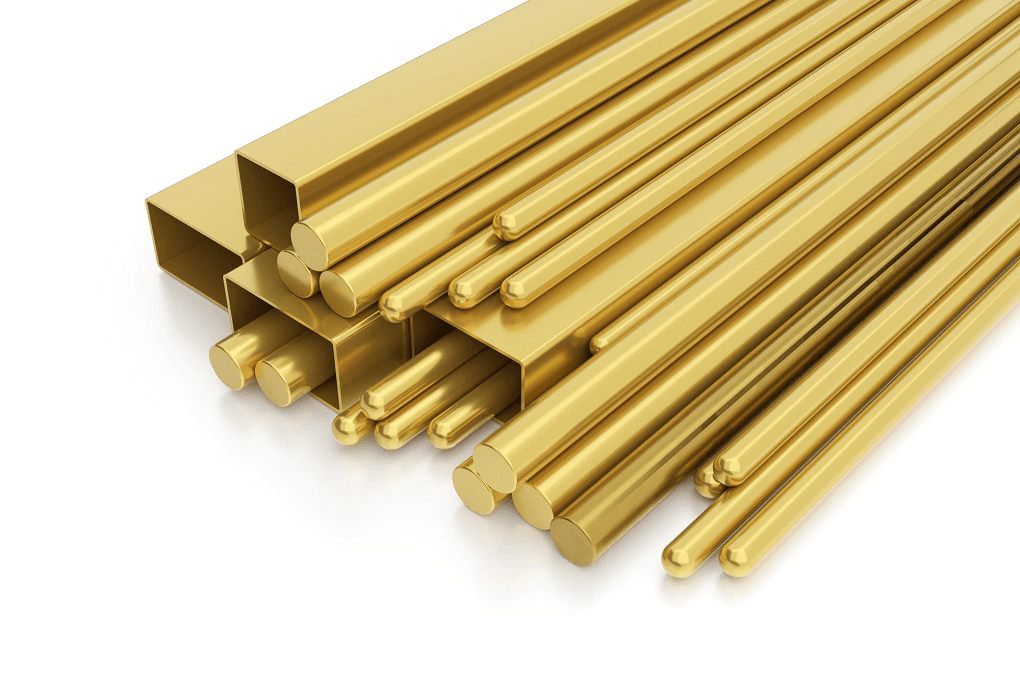
The construction sector remains the largest consumer of brass. From valve bodies and heat exchangers to electrical connectors and decorative hardware, brass is integrated into the infrastructure of every modern city. When housing starts are high, brass demand—and by extension, the demand for copper and zinc—surges.
Furthermore, the electronics industry relies heavily on brass for connectors, terminals, and switchgear. As the world moves toward 5G infrastructure and increased automation, the precision engineering required for these components keeps the brass market buoyant. Unlike some plastics or cheaper composites, brass maintains its integrity under high temperatures and repeated mechanical stress, ensuring its place in the supply chain for high-end tech hardware.
Correlation with Copper and Zinc Prices
Because brass is an alloy, it does not have a single “spot price” on a global exchange like gold or silver. Instead, its price is a “calculated value” based on the weighted average of its components plus the cost of fabrication (known as the “make-up”).
For those managing business finance or corporate hedging strategies, this means brass prices are doubly exposed. A spike in copper due to Chilean mining disruptions or a surge in zinc due to high energy costs in European smelters will both impact the bottom line. Smart procurement officers often use copper futures as a hedge to lock in pricing for their brass-reliant components months in advance.
Investing in Brass: Commodities, Futures, and Physical Assets
Investing in the brass market requires a nuanced approach because, unlike copper, there is no “Brass Future” contract on the COMEX or LME. Instead, exposure is gained through the components or the companies that process them.
Direct vs. Indirect Exposure
Investors seeking to capitalize on the brass market typically take one of three paths:
- Base Metal Futures: By trading copper and zinc futures, investors can profit from the underlying price movements that govern brass valuation.
- Equity in Mining and Manufacturing: Investing in companies like Freeport-McMoRan (copper mining) or companies that specialize in brass extrusion and casting.
- Physical Scrap Metal: For small-scale investors or local businesses, the physical trade of brass scrap is a lucrative “side hustle” or a primary business model. Brass is one of the most recycled metals in the world.
The Role of Scrap and Recycling in the Circular Economy
One of the most compelling financial aspects of brass is its recyclability. Brass is almost 100% recyclable, and its value as scrap is significantly higher than that of ferrous metals (iron and steel). In the scrap market, brass is often categorized as “Yellow Brass” (higher zinc) or “Red Brass” (higher copper), with red brass commanding a premium.
For a manufacturing business, the ability to collect and sell “turnings” or “chips” (the waste produced during machining) back to the foundry creates a “circular economy” that offsets raw material costs. This high salvage value makes brass a more sustainable financial choice over the long term compared to cheaper materials that cannot be easily reclaimed.
Risk Factors and Future Outlook for Brass Producers
While the demand for brass is consistent, the market is not without its risks. For those involved in the financial side of the metals industry, several headwinds must be managed.
Geopolitical Influence on Supply Chains
Since brass is an alloy of copper and zinc, it is at the mercy of geopolitical stability in key mining regions. Massive copper deposits are concentrated in South America (Chile and Peru), while zinc production is heavily influenced by Chinese refining capacity. Trade wars, export bans, or localized civil unrest in these regions can lead to immediate price shocks in the brass market. Businesses must diversify their supplier base to mitigate the risk of being caught in a supply-side squeeze.
Technological Substitutes and Market Shifts
Innovation is a double-edged sword for the brass market. In some sectors, like automotive cooling, aluminum has replaced brass because it is lighter and currently cheaper. However, in the realm of high-performance electronics and the burgeoning “smart home” hardware market, the demand for the specific conductive and antimicrobial properties of brass is growing.
The rise of ESG (Environmental, Social, and Governance) investing is also forcing the brass industry to evolve. Foundries are now being pressured to reduce their carbon footprint, leading to investments in electric arc furnaces and more efficient recycling technologies. For the investor, companies that lead the way in “green brass” production may hold a competitive advantage in a future where carbon taxes are integrated into the cost of goods sold.
Conclusion: The Strategic Importance of the Copper-Zinc Alloy
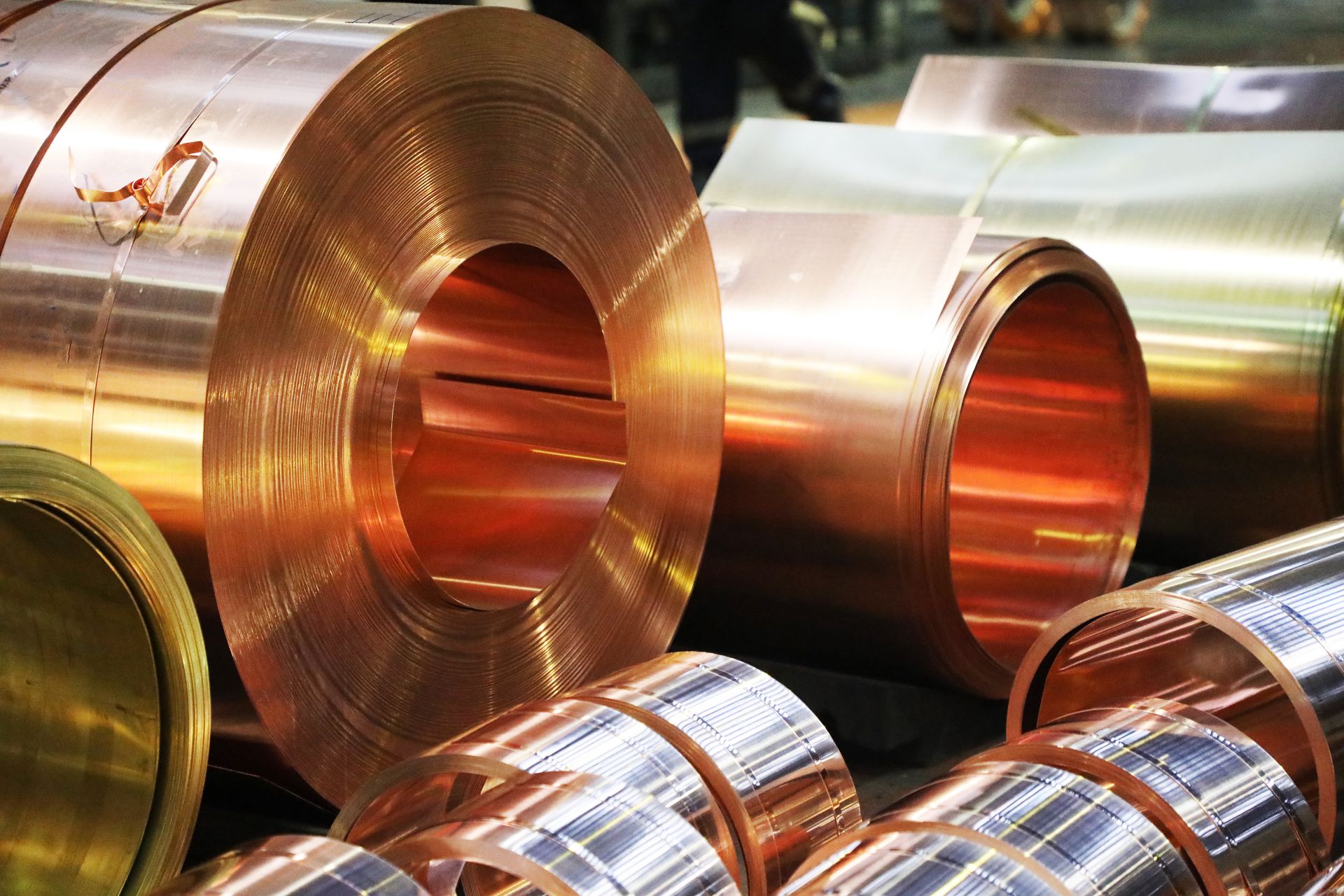
In summary, when we ask “what is brass an alloy of,” we are uncovering a complex relationship between copper and zinc that serves as a pillar of the global industrial economy. From a money and investment perspective, brass is a high-value asset that offers a unique window into the health of the manufacturing and construction sectors.
Whether you are an investor looking at commodity correlations, a business owner managing procurement costs, or a scrap dealer leveraging the high resale value of non-ferrous metals, brass represents a stable yet dynamic opportunity. Its composition allows for endless adaptation, ensuring that as technology and industry evolve, the demand for this ancient yet essential alloy will continue to provide significant financial returns. Understanding the chemistry behind the alloy is the first step; mastering the market dynamics of its components is the key to financial success in the world of industrial metals.
aViewFromTheCave is a participant in the Amazon Services LLC Associates Program, an affiliate advertising program designed to provide a means for sites to earn advertising fees by advertising and linking to Amazon.com. Amazon, the Amazon logo, AmazonSupply, and the AmazonSupply logo are trademarks of Amazon.com, Inc. or its affiliates. As an Amazon Associate we earn affiliate commissions from qualifying purchases.