
The human brain is a metabolically demanding organ, accounting for approximately 20% of the body’s total oxygen consumption despite representing only about 2% of total body weight. This constant requirement for oxygen is non-negotiable; even a momentary cessation of supply can trigger a cascade of cellular events that threaten cognitive function, neural integrity, and life itself. Brain hypoxia, characterized by an inadequate supply of oxygen to the brain, is a critical medical condition that demands a nuanced understanding of its mechanisms, clinical manifestations, and the technological landscape currently shaping its diagnosis and management.
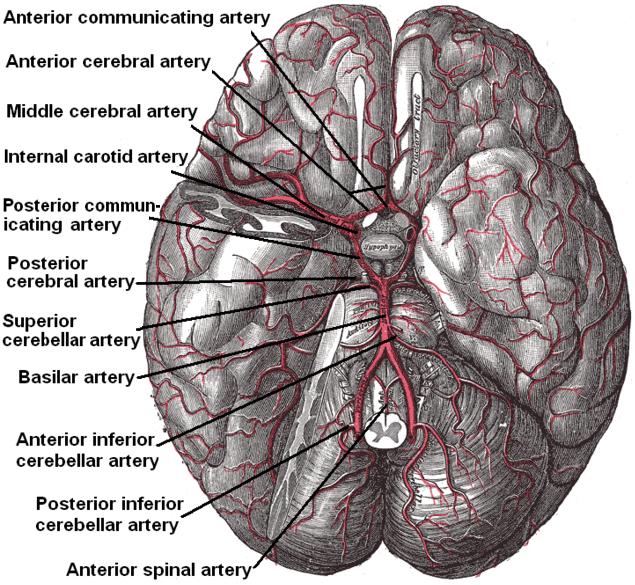
The Pathophysiology of Cerebral Oxygen Deprivation
At the core of brain hypoxia is the disruption of the delicate balance between oxygen delivery and cellular metabolic demand. When neurons are deprived of oxygen, they are unable to sustain the aerobic respiration necessary to generate adenosine triphosphate (ATP), the primary energy currency of the cell.
Cellular Energy Failure and Excitotoxicity
Once oxygen levels drop below a critical threshold, the brain’s ion pumps—specifically the sodium-potassium pumps—begin to fail. As these pumps falter, electrochemical gradients dissipate. This leads to a massive influx of sodium and water into the neurons, causing cellular swelling (edema). Simultaneously, the depolarization of neurons results in the excessive release of excitatory neurotransmitters like glutamate. This phenomenon, known as excitotoxicity, floods the synaptic clefts, overstimulating adjacent neurons and leading to a secondary wave of calcium influx that activates destructive enzymes, effectively digesting the cell from the inside.
The Spectrum of Hypoxic Severity
Not all hypoxic events are equal. Clinical presentations vary based on the duration and severity of the oxygen deficit:
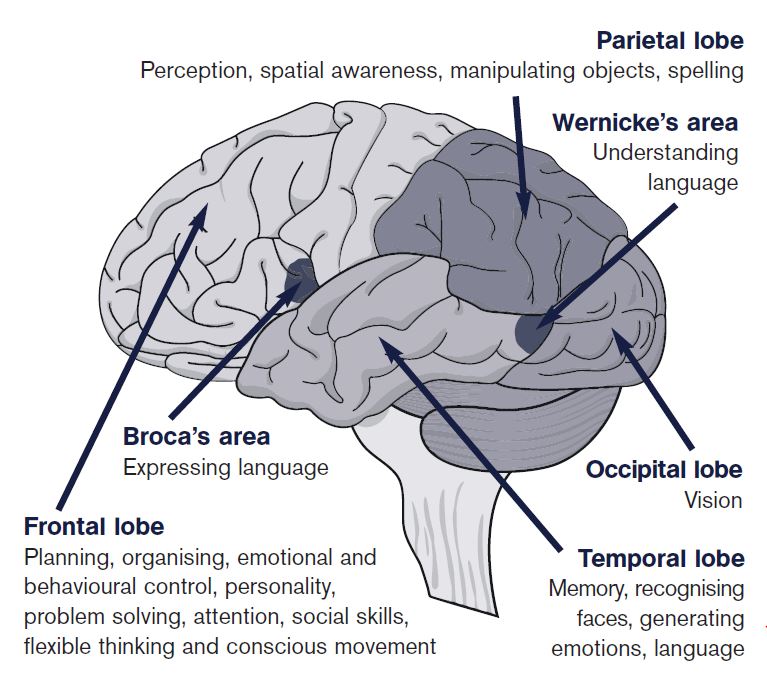
- Diffuse Hypoxic-Ischemic Injury: Often associated with cardiac arrest, this involves global hypoperfusion where sensitive regions like the hippocampus, basal ganglia, and cerebellum are disproportionately affected.
- Focal Hypoxia: Generally localized to specific vascular territories, often caused by arterial occlusion or intracranial pressure, leading to localized infarctions.
- Chronic Hypoxia: Occurs over prolonged periods due to conditions like severe anemia, high-altitude exposure, or chronic obstructive pulmonary disease, which can lead to progressive cognitive decline and neurodegeneration.
Diagnostic Technologies and Clinical Assessment
Modern medicine relies on a sophisticated array of diagnostic tools to identify the extent and location of brain hypoxia. Integrating these technologies allows clinicians to differentiate between transient ischemic attacks and permanent structural damage.
Advanced Neuroimaging Protocols
Magnetic Resonance Imaging (MRI) remains the gold standard for assessing hypoxic injury. Diffusion-Weighted Imaging (DWI) is particularly potent, as it can detect the microscopic movement of water molecules—the hallmark of cellular edema—within minutes of a hypoxic event. By tracking the “apparent diffusion coefficient” (ADC), radiologists can delineate the penumbra: the area of tissue that is currently hypoxic but potentially salvageable if oxygenation is restored promptly.
Monitoring Oxygenation at the Bedside
In the intensive care unit (ICU), real-time monitoring is imperative. Near-Infrared Spectroscopy (NIRS) has emerged as a vital non-invasive tool. By emitting light through the skull, NIRS measures the oxygen saturation of the blood within the cerebral cortex. This allows for continuous monitoring of regional oxygenation, enabling clinicians to titrate ventilation and hemodynamics to support brain oxygen levels dynamically. Additionally, intracranial pressure (ICP) monitors and brain tissue oxygen tension ($PbtO_2$) probes provide invasive but highly precise data points that dictate the course of neuroprotective strategies.

Therapeutic Interventions and Neuroprotection
The primary objective in managing brain hypoxia is the rapid restoration of oxygen delivery, followed by the mitigation of secondary injury pathways. Technological advancements in hardware and pharmacological research are expanding the window of opportunity for intervention.
Hemodynamic and Respiratory Optimization
The immediate clinical response focuses on the “three pillars of resuscitation”: oxygenation, ventilation, and perfusion. Maintaining mean arterial pressure is critical to ensuring cerebral perfusion pressure (CPP). Advanced automated infusion systems now allow for the precise titration of vasopressors to maintain an optimal CPP, ensuring that even under systemic stress, the pressure gradient driving blood flow into the cranium remains sufficient.
Targeted Temperature Management (TTM)
Hypothermia has long been studied for its neuroprotective properties. By cooling the brain, medical professionals can decrease the metabolic rate of neurons, effectively lowering their oxygen demand and slowing the cascade of excitotoxicity. Modern TTM systems utilize closed-loop feedback, where endovascular cooling catheters monitor blood temperature in real-time, adjusting the cooling intensity to maintain a steady state of hypothermia for hours or days post-hypoxic insult. This technology has significantly improved outcomes for survivors of out-of-hospital cardiac arrest by preventing the secondary “reperfusion injury” that occurs when oxygenated blood returns to damaged tissue.
The Future of Brain Hypoxia Management
As we look toward the future, the integration of artificial intelligence and neuro-restorative engineering promises to revolutionize how we manage cerebral oxygenation.
AI in Neuro-Prognostication
Predicting neurological recovery following a hypoxic event has historically been a challenge for clinicians. However, machine learning algorithms are now being trained on vast datasets of physiological monitors and neuroimaging scans. These AI models can identify subtle patterns in electroencephalography (EEG) signals that signify a high probability of recovery, allowing families and physicians to make evidence-based decisions regarding long-term care plans.
Neuro-Regenerative Research and Digital Health
Beyond acute care, there is a growing focus on the recovery phase. Neuro-rehabilitation is increasingly utilizing digital health platforms—such as Brain-Computer Interfaces (BCI)—to assist patients who have suffered cognitive deficits due to hypoxia. By bypassing damaged pathways and providing sensory feedback, these technologies help “rewire” the brain, tapping into the inherent plasticity of neural circuits. Furthermore, regenerative medicine is exploring the use of targeted neurotrophic factors that could be delivered via nanocarriers to promote the repair of neurons damaged by hypoxic stress.
The Role of Preventive Analytics
In the realm of chronic hypoxia, wearable technology is playing an increasingly preventative role. For patients with high-risk cardiovascular conditions, smart sensors that monitor oxygen saturation levels alongside heart rate variability can alert users and clinicians to early signs of systemic hypoxia before it reaches the threshold of symptomatic brain injury. This proactive monitoring shifts the paradigm from reactionary emergency medicine to a model of continuous, data-driven optimization of oxygen homeostasis.
In conclusion, brain hypoxia is a multifaceted challenge that bridges biology, engineering, and data science. While the underlying pathology of cell death remains a formidable opponent, our ability to visualize, monitor, and treat these events is advancing at an unprecedented pace. Through the integration of advanced neuro-imaging, precision hemodynamic control, and AI-driven prognostic tools, the medical community continues to push the boundaries of what is possible in the preservation and restoration of brain function following oxygen deprivation. The goal is no longer merely survival, but the comprehensive preservation of the complex cognitive architecture that defines human consciousness.
aViewFromTheCave is a participant in the Amazon Services LLC Associates Program, an affiliate advertising program designed to provide a means for sites to earn advertising fees by advertising and linking to Amazon.com. Amazon, the Amazon logo, AmazonSupply, and the AmazonSupply logo are trademarks of Amazon.com, Inc. or its affiliates. As an Amazon Associate we earn affiliate commissions from qualifying purchases.