
As tax season approaches, the Form W-2 becomes the most critical document in a professional’s financial portfolio. While most people immediately look at Box 1 for their total taxable wages, the “hidden” information in the sub-sections often holds the key to a more sophisticated understanding of one’s personal finances. Among these, Box 12 is perhaps the most nuanced. Specifically, if you see a “Code D” in Box 12, you are looking at one of the most powerful tools in your wealth-building arsenal: your elective deferrals to a 401(k) plan.
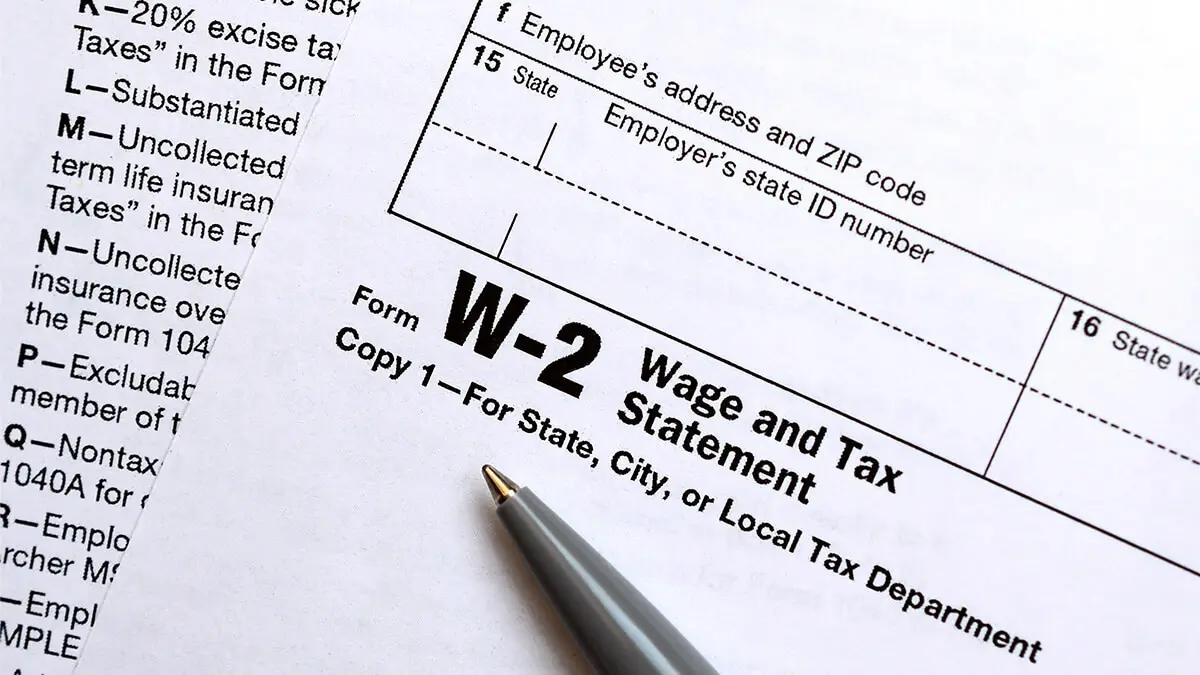
Understanding Box 12 Code D is not just about filing your taxes correctly; it is about auditing your retirement strategy, maximizing your tax efficiency, and ensuring you are leaving no money on the table. This guide will break down the financial implications of this specific code and how it integrates into your broader money management goals.
Decoding the W-2: What Exactly is Box 12 Code D?
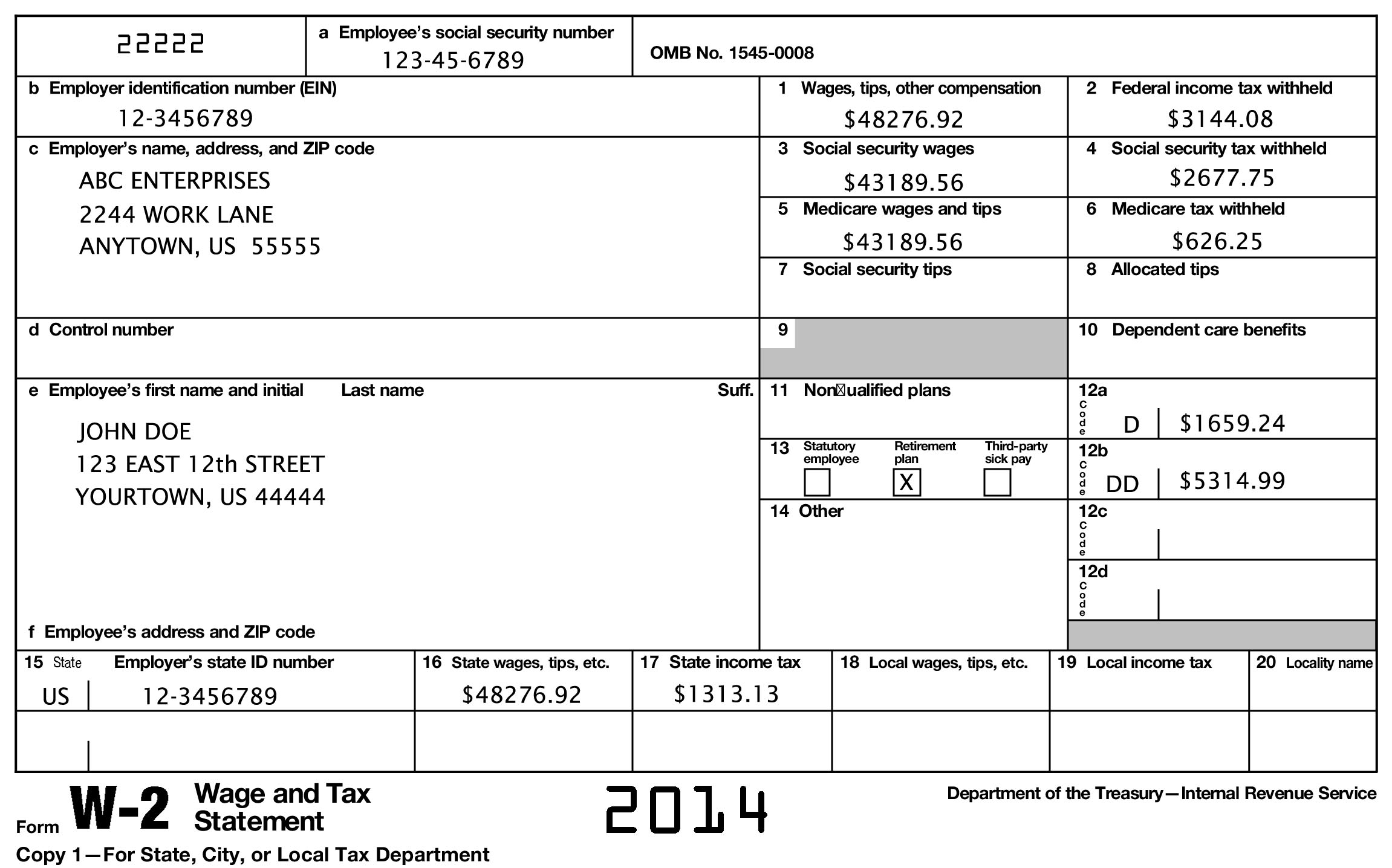
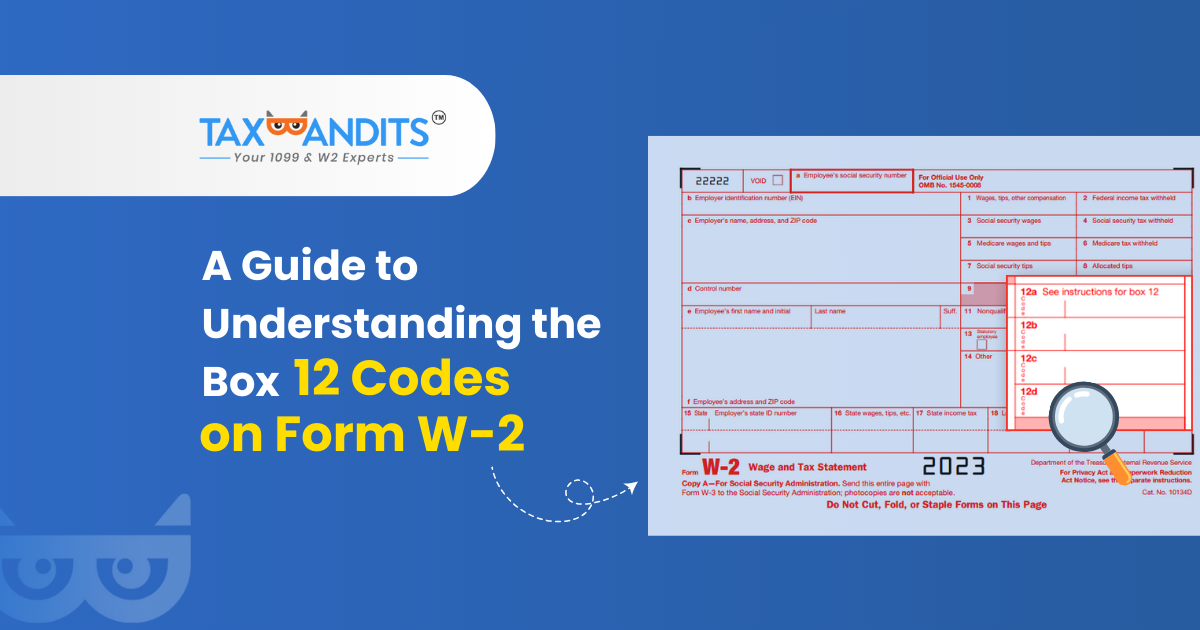
The W-2 form is structured to provide the IRS with a comprehensive snapshot of your annual compensation. Box 12 itself is a multi-purpose field used to report various types of compensation and benefits, identified by specific letter codes. When “D” is listed next to a dollar amount in Box 12, it signifies “Elective deferrals to a section 401(k) cash or deferred arrangement.”
The Mechanics of Elective Deferrals
An elective deferral is a portion of your gross salary that you have chosen to set aside before taxes are applied. Instead of receiving this money in your paycheck, it is sent directly to your employer-sponsored 401(k) account. For many, this happens automatically through payroll deductions, making it a “set-it-and-forget-it” method of investing. Code D captures the cumulative total of these contributions for the entire calendar year.
Why Code D Matters for Your Financial Health
Seeing a significant number next to Code D is generally a sign of healthy financial habits. It represents your commitment to your future self. However, from a technical standpoint, this number is vital because it explains the discrepancy between your gross pay and your taxable pay. If you have ever wondered why Box 1 (Wages, tips, other compensation) is lower than your actual salary, Box 12 Code D is usually the primary reason.
Differentiating Code D from Other Box 12 Codes
It is important not to confuse Code D with its “cousins.” For example, Code E refers to 403(b) plans (typically for non-profits or schools), and Code AA refers to Roth 401(k) contributions. Unlike Roth contributions, the amount in Code D is specifically for traditional, pre-tax 401(k) contributions. This distinction is the cornerstone of your immediate tax savings.
The Financial Impact: How Code D Affects Your Taxable Income
One of the most effective ways to build wealth is to minimize the amount of money lost to taxation. Box 12 Code D is the primary vehicle through which most Americans achieve this. By contributing to a traditional 401(k), you are effectively lowering the amount of income the IRS can touch in the current year.
Lowering Your Adjusted Gross Income (AGI)
The figure reported in Box 12 Code D is subtracted from your total earnings before your income is reported in Box 1. This reduction in your Adjusted Gross Income (AGI) is a powerful financial lever. A lower AGI can potentially drop you into a lower tax bracket, reducing the percentage of tax you pay on every dollar you earn. Furthermore, a lower AGI can make you eligible for other tax credits and deductions that have income phase-out limits, such as student loan interest deductions or child tax credits.
The Power of Pre-Tax Growth
By using the amount listed in Code D, you are investing “full strength” dollars. If you are in a 24% tax bracket, every $1,000 you contribute to your 401(k) only reduces your take-home pay by $760. The other $240 is money that would have gone to the IRS but is instead staying in your account to grow through compound interest. Over a 30-year career, this tax arbitrage can result in hundreds of thousands of dollars in additional wealth.
Leveraging the Saver’s Credit
For low-to-moderate-income earners, the amount in Box 12 Code D can unlock the Retirement Savings Contributions Credit, commonly known as the “Saver’s Credit.” Depending on your income level, you may be able to claim a credit for 10%, 20%, or even 50% of your first $2,000 in contributions. This is a “double win”: you reduce your taxable income through the contribution itself and then receive a direct credit against your tax bill.
Maximizing Your Retirement Strategy: IRS Limits and Rules
While the IRS encourages saving through 401(k) plans, they also set strict limits on how much you can shield from taxes. Your Box 12 Code D amount is the definitive record of whether you have stayed within these legal boundaries.
Annual Contribution Limits
The IRS adjusts 401(k) contribution limits periodically to account for inflation. For 2023, the limit was $22,500, and for 2024, it rose to $23,000. If your Box 12 Code D shows an amount higher than these limits (without being eligible for catch-up contributions), you may face significant tax penalties. Monitoring this number is essential for high-income earners who aim to “max out” their plans early in the year.
The Benefit of Catch-Up Contributions
If you are age 50 or older, the IRS allows for “catch-up contributions.” This means your Code D total can legally exceed the standard limit. For 2023 and 2024, the catch-up limit is an additional $7,500. For seasoned professionals, utilizing this extra room is a critical step in aggressive wealth accumulation during their peak earning years.
Highly Compensated Employees (HCE) Restrictions
For those in the upper echelons of management or ownership, the amount in Box 12 Code D might be restricted by “non-discrimination testing.” If a company’s 401(k) plan is found to benefit high earners significantly more than rank-and-file employees, HCEs may have their contributions capped or even returned to them as taxable income. If you find your Code D amount is lower than you expected, it may be due to these complex IRS compliance rules.
Beyond the Numbers: The Role of Employer Matching and Vesting
It is a common misconception that Box 12 Code D includes your employer’s matching contributions. It does not. Code D represents only your personal elective deferrals. However, this number is the gateway to “free money” in the form of company matches.
Evaluating the Match Efficiency
Most employers offer a match—for example, 50% of your contributions up to 6% of your salary. To maximize your “total compensation,” your Box 12 Code D should at the very least reflect the amount required to trigger the full employer match. If your Code D total is $5,000, but your employer was willing to match up to $7,000, you have essentially declined a portion of your salary.
The Vesting Variable
While Code D shows what you put in, your true net worth is influenced by the vesting schedule of the employer’s portion. Understanding that your Code D contributions are always 100% yours, whereas the employer’s match may take 3 to 5 years to “vest,” is vital for career planning. When considering a new job offer, compare your current Code D benefits and matching structure against the new firm’s policy to ensure a net positive financial move.
401(k) Loans and Box 12
It is also worth noting that if you take a loan from your 401(k), the repayments are usually made with after-tax dollars and do not appear in Box 12 Code D. Only your original elective deferrals are tracked here. This is why financial advisors often discourage 401(k) loans; you lose the tax advantage on the money used for repayment, which can hinder your long-term capital growth.
Troubleshooting Common Box 12 Code D Discrepancies
What happens if the number in Box 12 Code D looks wrong? Since this number directly impacts your tax liability, even a small error can lead to an IRS audit or a surprise tax bill.
Identifying Over-contributions
If you worked two jobs in one year, your total Code D amounts across both W-2s must not exceed the annual IRS limit. If they do, you have an “excess deferral.” You must contact your plan administrator to request a “distribution of excess deferral” before the tax filing deadline. Failure to do so means you will be taxed twice on that money—once in the year you earned it and again when you eventually withdraw it in retirement.
Discrepancies with Pay Stubs
Always cross-reference your final pay stub of the year with your W-2. If your year-to-date (YTD) 401(k) deductions on your pay stub do not match Box 12 Code D, it could be a clerical error by the payroll department. Common causes include “fringe benefits” being miscoded or timing issues with the final paycheck of the year. If a discrepancy exists, request a corrected W-2 (Form W-2c) immediately.
Understanding the Impact on Social Security and Medicare
One nuance of Box 12 Code D is that while it reduces your federal income tax (Box 1), it does not reduce your Social Security or Medicare wages (Boxes 3 and 5). Your elective deferrals are still subject to FICA taxes. Therefore, don’t be alarmed if the amounts in Boxes 3 and 5 are higher than the amount in Box 1; this is the standard and correct way to report retirement savings.
In conclusion, Box 12 Code D is more than just a line item on a tax form. It is a reflection of your financial discipline and a roadmap for your future security. By understanding how this number interacts with your taxable income, IRS limits, and employer benefits, you can move from simply “filing taxes” to strategically managing your wealth. Whether you are aiming to lower your tax bill today or build a multi-million dollar nest egg for tomorrow, Code D is your most valuable ally in the quest for financial independence.
aViewFromTheCave is a participant in the Amazon Services LLC Associates Program, an affiliate advertising program designed to provide a means for sites to earn advertising fees by advertising and linking to Amazon.com. Amazon, the Amazon logo, AmazonSupply, and the AmazonSupply logo are trademarks of Amazon.com, Inc. or its affiliates. As an Amazon Associate we earn affiliate commissions from qualifying purchases.