
In the rapidly evolving landscape of health technology, data is often harvested from the most unexpected places. While traditionally viewed through a purely clinical or biological lens, “bowel gas” has emerged as a significant frontier in the “Internet of Bodies” (IoB). For tech innovators, software developers, and bio-metric analysts, bowel gas—specifically its composition, frequency, and chemical signature—is no longer just a byproduct of digestion. It is a sophisticated data stream that, when captured by cutting-edge sensors and interpreted by machine learning algorithms, offers a window into the human microbiome and overall metabolic health.

The transition from viewing gastrointestinal (GI) health as a manual, symptom-based field to a data-driven technological discipline marks a shift in how we approach wellness. This article explores the technology behind gas-sensing wearables, the software ecosystems managing digestive data, and the future of AI in precision gastroenterology.
The Evolution of Bio-Sensing Hardware: From Clinics to Ingestibles
For decades, the primary method for analyzing bowel gas was the breath test, a clunky, manual process conducted in clinical settings to detect hydrogen or methane levels. However, the tech industry has revolutionized this through the miniaturization of sensors and the development of “Smart Pills.”
Ingestible Sensors and Electronic Noses
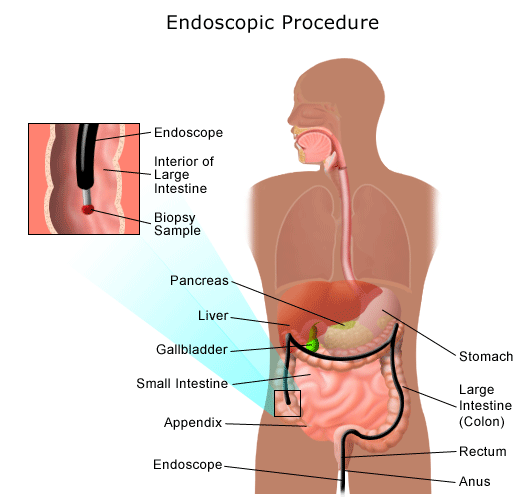
At the forefront of this tech niche are gas-sensing capsules—miniature laboratories that patients swallow. These devices are equipped with oxygen, hydrogen, and carbon dioxide sensors, along with a tiny transmitter. As the capsule moves through the digestive tract, it transmits real-time data to a smartphone via Bluetooth. Unlike external monitors, these ingestible sensors provide localized data from within the gut, allowing for a high-resolution map of the fermentation process. This is the hardware realization of “What is bowel gas?”—a localized, chemical data packet sent from the body’s interior.
Wearable and Handheld Detection Tools
Beyond ingestibles, handheld “electronic noses” have entered the consumer market. These devices, connected to companion apps, allow users to track their fermentation levels by analyzing their breath. The hardware utilizes metal-oxide-semiconductor (MOS) sensors that can detect trace amounts of volatile organic compounds (VOCs). For the tech-savvy consumer, this transforms a physiological occurrence into a quantifiable metric that can be tracked over time, much like heart rate or sleep stages.
Software Ecosystems and AI-Driven Diagnostics
Hardware is only as powerful as the software that interprets it. The true value of bowel gas data lies in its integration into broader health-tech ecosystems. Software platforms are now being built to correlate gas data with dietary intake, stress levels, and activity patterns.
Machine Learning and Predictive Analytics
The complexity of the gut microbiome means that raw data on bowel gas is often “noisy.” Machine learning (ML) models are essential for filtering this noise. By processing thousands of data points from diverse user bases, AI tools can identify patterns that precede symptoms of Irritable Bowel Syndrome (IBS) or Small Intestinal Bacterial Overgrowth (SIBO). These predictive analytics allow the software to provide “pre-emptive” health alerts, suggesting dietary adjustments before the user even experiences discomfort.
Personalization Through Large Language Models (LLMs)
New iterations of health apps are integrating LLM-based interfaces to act as “gut health coaches.” By feeding gas-metric data into a fine-tuned AI model, users can receive natural-language explanations of their bio-metrics. For example, instead of seeing a raw graph of methane spikes, a user might receive a notification saying: “Your methane levels suggest that the complex carbohydrates consumed at 2:00 PM are not being fully processed. Consider adjusting your fiber intake tomorrow.” This represents a shift from raw data to actionable intelligence.

Data Security and Privacy in the Digestive Tech Niche
As with any technology that collects biological data, the digitization of gastrointestinal information raises significant concerns regarding digital security and data ethics. Bowel gas composition is highly individualistic; in fact, some researchers argue that gut microbiome profiles could potentially serve as a secondary form of bio-metric identification.
Protecting Sensitive Bio-Metric Data
Health-tech companies are under increasing pressure to implement robust encryption for “gut data.” Since this data can reveal underlying chronic conditions or even dietary habits that a user might wish to keep private, end-to-end encryption between the ingestible sensor and the mobile device is mandatory. Furthermore, as these devices become more common, they become targets for digital intrusions. Securing the firmware of a “smart pill” is a unique challenge for developers, requiring a balance between low power consumption and high-security protocols.
The Rise of Decentralized Health Records
To combat the risks of centralized data breaches, some startups are exploring blockchain technology for storing digestive bio-metrics. By using decentralized identifiers (DIDs), users can maintain ownership of their gas-profile data, granting temporary access to healthcare providers or researchers without relinquishing control to a central corporate server. This tech-forward approach ensures that the most intimate data generated by the body remains under the user’s sovereign control.
The Economic Impact and Future of the GI-Tech Market
The “What is bowel gas?” question is also driving a multi-billion dollar tech market. Venture capital is pouring into “Gut-Tech” as investors realize that non-invasive diagnostic tools are the future of preventative medicine.
Scaling the Internet of Bodies (IoB)
The integration of digestive data into the broader IoB ecosystem is the ultimate goal for many tech giants. We are moving toward a future where your smart fridge might communicate with your ingestible sensor’s software. If the sensor detects a specific gas signature indicating inflammation, the fridge could automatically suggest (or order) anti-inflammatory foods. This level of automation relies on the seamless integration of APIs across different tech sectors—from health-tech to fintech and smart-home automation.
Reducing Diagnostic Bottlenecks with Remote Monitoring
From a business and software perspective, the ability to monitor bowel gas remotely significantly reduces the burden on healthcare infrastructure. Telehealth platforms are integrating gas-sensing data to allow gastroenterologists to monitor patients in real-time. This “Software as a Service” (SaaS) model for GI health allows for continuous monitoring rather than episodic testing, leading to better patient outcomes and lower costs for insurers. It is a prime example of how digital tools are streamlining traditional medical pathways.
Conclusion: The Digitization of the Gut
Bowel gas is no longer a topic confined to biology textbooks or clinical waiting rooms. In the hands of engineers, data scientists, and software developers, it has been reimagined as a vital bio-metric stream. Through the development of ingestible hardware, AI-driven diagnostic software, and secure data protocols, the tech industry is providing a new answer to the question “What is bowel gas?”
It is a data set. It is a diagnostic tool. It is a growing market. As we move further into the decade, the ability to decode the chemical signals of our own bodies using technology will become as common as tracking steps on a smartwatch. The digitization of the gut is not just a trend; it is the next logical step in our journey toward a fully quantified and technologically optimized human experience.
aViewFromTheCave is a participant in the Amazon Services LLC Associates Program, an affiliate advertising program designed to provide a means for sites to earn advertising fees by advertising and linking to Amazon.com. Amazon, the Amazon logo, AmazonSupply, and the AmazonSupply logo are trademarks of Amazon.com, Inc. or its affiliates. As an Amazon Associate we earn affiliate commissions from qualifying purchases.