
In the realm of global technology, few names carry as much weight as Boeing. While often summarized simply as an “airplane manufacturer,” Boeing represents a massive ecosystem of aerospace engineering, digital systems integration, and advanced materials science. To understand what Boeing is in the 21st century is to understand the cutting edge of human mobility and the complex technological infrastructure that keeps the world connected. This article explores Boeing through a purely technological lens, examining its contributions to aviation engineering, its digital evolution, and its pioneering role in space and defense.
The Engineering Backbone: Pioneering Commercial Aviation Tech
At its core, Boeing is an engineering powerhouse that has consistently pushed the boundaries of what is physically possible in the atmosphere. The company’s history is a timeline of technological breakthroughs that have transitioned from experimental concepts to global standards.
The 787 Dreamliner: A Masterclass in Composite Materials
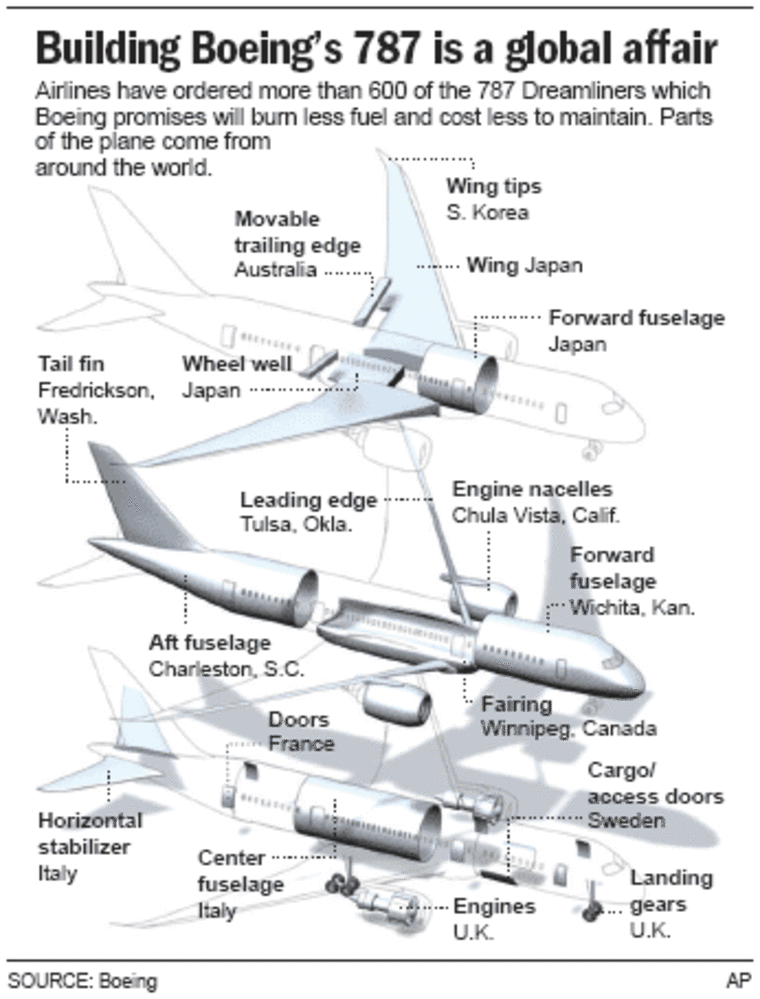
Perhaps the most significant technological leap in modern commercial aviation is the Boeing 787 Dreamliner. Before the 787, commercial aircraft were primarily constructed from aluminum sheets fastened with rivets. Boeing revolutionized this by utilizing carbon-fiber reinforced polymers (CFRP) for the majority of the airframe.
This shift in material science was not merely cosmetic. Composites offer a higher strength-to-weight ratio than traditional metals, allowing Boeing to design wings with higher aspect ratios for better lift and lower drag. Furthermore, because composites are less susceptible to fatigue and corrosion, the 787 can maintain higher cabin humidity and lower cabin altitude pressures, significantly reducing “jet lag” for passengers. This technological shift forced the entire industry to rethink how aircraft are built, sparking a new era of materials research in aerospace.
Aerodynamic Innovation and the Winglet Revolution
Boeing’s commitment to tech is also visible in its aerodynamic refinements. The development of “raked wingtips” and advanced blended winglets are prime examples of how computational fluid dynamics (CFD) are applied to maximize efficiency. These technologies reduce the wingtip vortices that create drag, allowing aircraft to burn less fuel and travel further. Every millimeter of a Boeing wing is a result of millions of hours of supercomputer simulations designed to optimize airflow, illustrating the company’s role as a leader in fluid dynamics technology.
Software and Systems: The Digital Evolution of Flight
As aviation moved into the 21st century, the focus shifted from mechanical hardware to sophisticated software. Boeing has been at the forefront of this digital transformation, moving toward “software-defined” aircraft where the pilot’s inputs are interpreted by complex algorithms before being translated into mechanical movement.
Fly-by-Wire Systems and Cockpit Integration
Boeing’s implementation of Fly-by-Wire (FBW) technology—particularly starting with the 777—represented a monumental shift in avionics. In a FBW system, traditional manual flight controls are replaced by an electronic interface. The movements of the pilot’s controls are converted to electronic signals transmitted by wires, and flight control computers determine how to move the actuators at each control surface.
This technology allows for “envelope protection,” a software layer that prevents the pilot from making maneuvers that would exceed the structural limits of the aircraft or cause a stall. Boeing’s philosophy has historically differed from its competitors by allowing the pilot ultimate authority to override these systems, a technological choice that highlights the ongoing debate between human intuition and machine precision in the tech world.
Lessons in Software Safety: The Digital Architecture of Modern Jets
The integration of software also brings immense challenges, as seen with the development of the 737 MAX and its Maneuvering Characteristics Augmentation System (MCAS). This period in Boeing’s history served as a critical case study for the global tech community on the importance of redundancy and sensor fusion.
In response, Boeing has overhauled its digital architecture, moving toward more robust “fail-safe” software protocols. This involves better integration of Angle of Attack (AOA) sensors and more transparent logic gates in the flight control computers. For tech enthusiasts and engineers, Boeing’s evolution here represents the broader tech industry’s struggle with balancing automation with safety and transparency.
Defense and Space: Pushing the Boundaries of Autonomous Technology
Boeing’s technological reach extends far beyond the troposphere. Through its Defense, Space & Security (BDS) division, the company develops some of the most advanced autonomous systems and space exploration hardware in existence.
Unmanned Systems and AI in Modern Defense
One of the most exciting frontiers for Boeing is the development of autonomous “loyal wingman” technology, exemplified by the MQ-28 Ghost Bat. This is an uncrewed aircraft designed to use artificial intelligence to fly alongside manned fighter jets.
The tech behind the Ghost Bat involves advanced machine learning algorithms that allow the drone to perform tactical maneuvers, conduct surveillance, and provide electronic warfare support without direct human intervention for every movement. This marks Boeing’s transition from a manufacturer of manned vehicles to a developer of sophisticated AI-driven platforms. These systems require petabytes of data processing and real-time decision-making capabilities that rival the most advanced consumer AI tools.
The Starliner and the Future of Low Earth Orbit
In the space sector, Boeing’s CST-100 Starliner represents the next generation of spacecraft technology. Unlike the Apollo capsules of the past, the Starliner is a highly automated, reusable vessel designed for transport to the International Space Station (ISS).
The Starliner features “fly-by-wire” controls adapted for the vacuum of space, wireless internet for crew communications, and a sophisticated tablet-based interface for the astronauts. It also utilizes innovative “weld-less” spinning technology for the pressure vessel, which reduces weight and potential points of failure. Boeing’s work in this niche is essential for the future of the “low earth orbit economy,” providing the technological bus that enables microgravity research and satellite deployment.
The Next Frontier: Sustainable Aviation and Electric Propulsion
As the global tech landscape shifts toward sustainability, Boeing is investing heavily in the “greening” of aerospace. This isn’t just about PR; it’s about a fundamental technological shift in how engines are powered and how airframes are shaped.
Hydrogen Fuel Cells and Net-Zero Aspirations
Boeing is actively researching Hydrogen-powered flight and Sustainable Aviation Fuels (SAF). The technological hurdle here is immense: hydrogen requires significantly more storage volume than traditional kerosene and must be kept at cryogenic temperatures. Boeing’s research into “cryogenic tanks” and hydrogen combustion engines is at the absolute bleeding edge of chemical engineering.
The company has already conducted test flights using 100% SAF, proving that the existing turbine technology can be adapted to handle different chemical compositions. This transition is arguably the largest technological challenge the company has faced since the dawn of the jet age, requiring a total rethink of the aircraft’s fuel delivery systems and thermal management.
The X-66A: Redefining Aerodynamic Efficiency
In partnership with NASA, Boeing is developing the X-66A, an experimental aircraft designed to test the Transonic Truss-Braced Wing (TTBW) concept. This design features exceptionally long, thin wings supported by aerodynamic trusses.
The tech behind the X-66A aims to reduce fuel consumption and emissions by up to 30% compared to today’s best-in-class aircraft. To make such thin wings stable, Boeing must utilize advanced computational modeling to prevent “flutter”—a destructive vibration that occurs at high speeds. This project is a testament to Boeing’s role as a primary investigator in the “Applied Physics” of the future, using experimental hardware to validate the digital models of tomorrow.
Conclusion
So, what is Boeing? From a technological perspective, it is a massive systems integrator that sits at the intersection of physics, digital logic, and materials science. It is a company that takes the most advanced concepts from the lab—be it carbon fiber composites, autonomous AI, or cryogenic hydrogen storage—and scales them into reliable machines that operate in the most unforgiving environments on Earth and beyond.
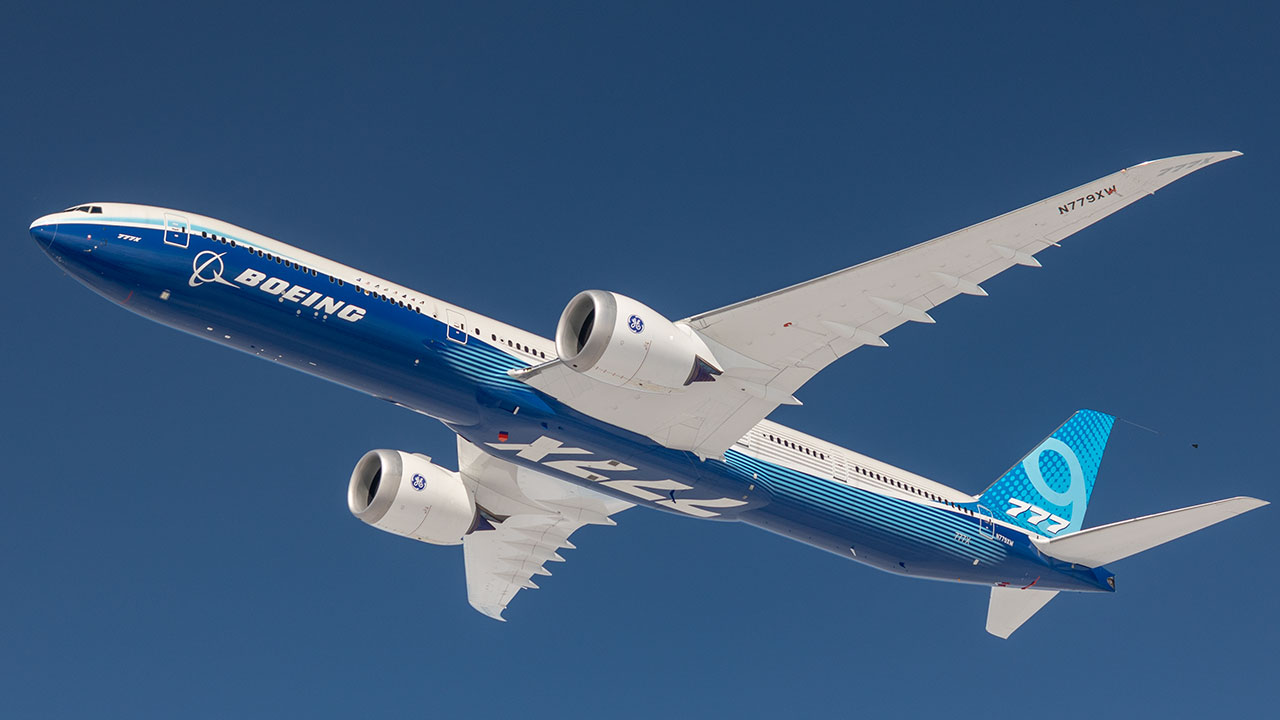
While Boeing faces the challenges inherent in managing such immense complexity, its role as a driver of technological progress is undeniable. Whether it is the code running the flight control computers of a 777X or the heat shield tiles on a space capsule, Boeing’s “tech” is what facilitates the modern world’s ability to transcend geographical boundaries. As we look toward an era of sustainable flight and deep-space exploration, Boeing remains a central protagonist in the story of human innovation.
aViewFromTheCave is a participant in the Amazon Services LLC Associates Program, an affiliate advertising program designed to provide a means for sites to earn advertising fees by advertising and linking to Amazon.com. Amazon, the Amazon logo, AmazonSupply, and the AmazonSupply logo are trademarks of Amazon.com, Inc. or its affiliates. As an Amazon Associate we earn affiliate commissions from qualifying purchases.