
Bluetooth technology stands as a cornerstone of modern wireless connectivity, enabling seamless communication between a vast array of devices over short distances. Conceived as a replacement for cumbersome cables, this ubiquitous standard facilitates everything from hands-free audio and data transfer to the intricate networks powering the Internet of Things (IoT). At its heart, Bluetooth operates on a sophisticated set of protocols that leverage radio waves to establish secure and efficient connections, transforming how we interact with our digital world.
The Foundation of Wireless Personal Area Networks (WPANs)
Bluetooth is an open wireless technology standard for exchanging data over short distances using short-wavelength UHF radio waves in the industrial, scientific, and medical (ISM) band from 2.402 GHz to 2.480 GHz. Its primary objective is to create personal area networks (PANs) with high data transmission rates while consuming minimal power. The technology was first conceptualized in 1994 by Ericsson Mobile Communications as a wireless alternative to RS-232 data cables. The name “Bluetooth” itself is a nod to Harald “Blåtand” Gormsson, a 10th-century Viking king who united disparate Danish tribes into a single kingdom, mirroring Bluetooth’s ambition to unite various communication protocols.
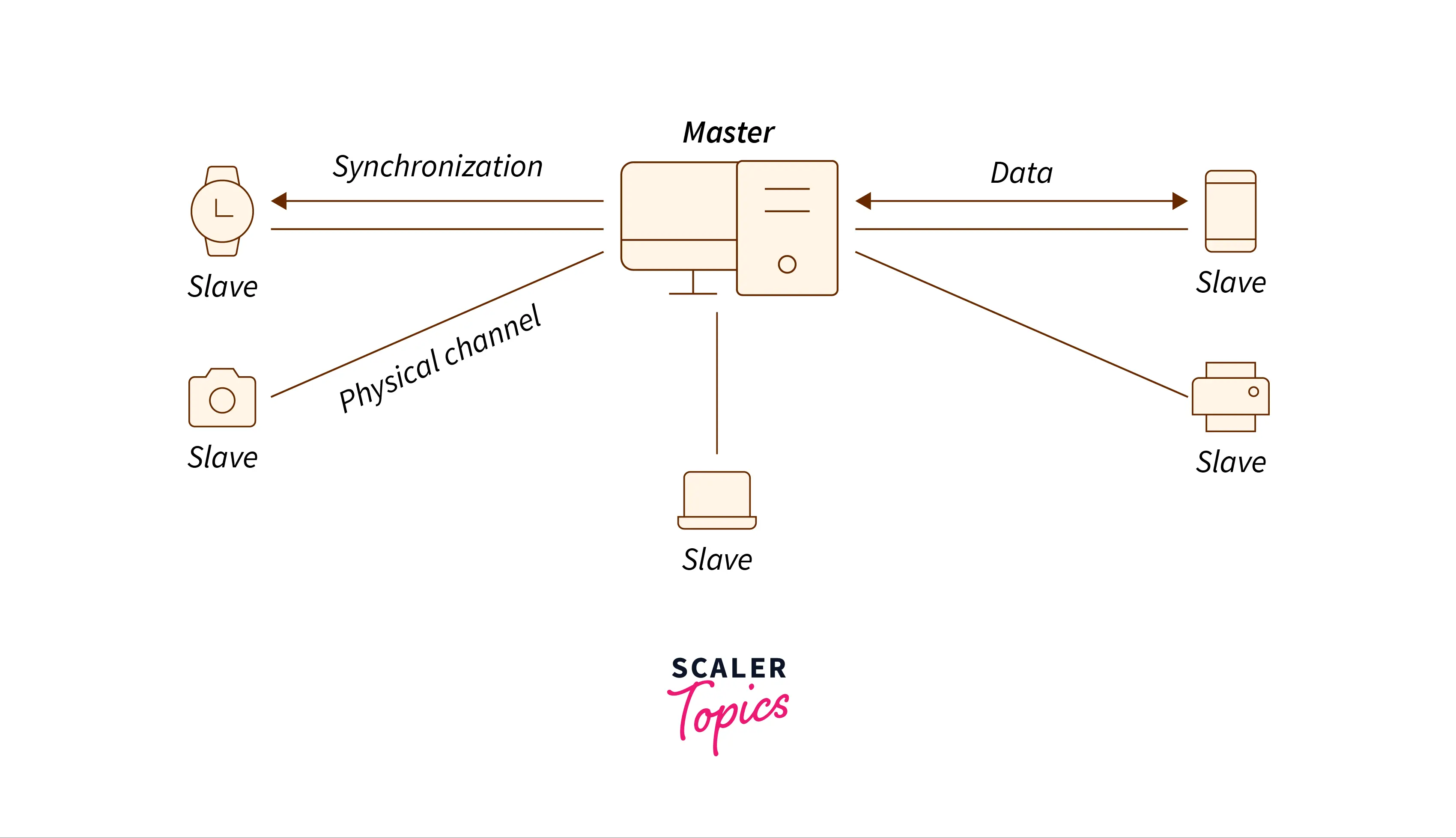
The original vision for Bluetooth was to connect a mobile phone with a hands-free headset, a concept that rapidly expanded to include laptops, printers, cameras, and a growing ecosystem of digital devices. What sets Bluetooth apart is its commitment to an open standard, managed by the Bluetooth Special Interest Group (SIG), an organization comprising over 30,000 member companies worldwide. This collaborative approach ensures interoperability and continuous innovation, allowing devices from different manufacturers to communicate flawlessly. Its low power consumption makes it ideal for battery-operated devices, while its robust design addresses potential interference issues, ensuring reliable connections in congested radio environments.
The Mechanics Behind Bluetooth Connectivity
Understanding how Bluetooth works involves delving into its unique technical architecture, which orchestrates wireless communication with precision and resilience. The core of its operation relies on radio frequency transmissions, sophisticated frequency hopping, and the dynamic formation of device networks.
Radio Frequency Transmission
Bluetooth operates in the 2.4 GHz ISM (Industrial, Scientific, and Medical) band. This unlicensed frequency spectrum is globally available, making it a convenient choice for widespread adoption. However, it is also shared with other wireless technologies like Wi-Fi, cordless phones, and microwave ovens, which presents a potential for interference. To mitigate this, Bluetooth employs a crucial technique called Frequency-Hopping Spread Spectrum (FHSS).
Frequency-Hopping Spread Spectrum (FHSS)
FHSS is the cornerstone of Bluetooth’s robustness. Instead of transmitting data on a single frequency, a Bluetooth device rapidly hops between 79 distinct frequencies (channels) within the 2.4 GHz band, changing frequencies up to 1,600 times per second. This rapid hopping pattern, pseudo-randomized and known only to the connected devices, serves multiple critical purposes. Firstly, it significantly reduces the likelihood of interference from other devices operating in the same band, as any brief interference on one channel will only affect a tiny fraction of the transmitted data. Secondly, it enhances security by making it difficult for unauthorized devices to intercept the entire data stream.
Piconets and Scatternets
When two or more Bluetooth-enabled devices connect, they form a “piconet.” In a piconet, one device acts as the “master” and can connect to up to seven “slave” devices. The master dictates the frequency hopping sequence, and all slave devices synchronize their hopping patterns with the master. All communication within a piconet occurs between the master and one or more slaves. A more complex network structure, called a “scatternet,” can be formed when a device acts as a master in one piconet and a slave in another, allowing for interconnected networks of Bluetooth devices. This architecture enables flexible and scalable communication scenarios.
The Pairing Process
Before devices can communicate, they must go through a process called “pairing” or “bonding.” This involves discovering each other, exchanging security keys, and establishing a trusted relationship.
- Discovery: One device (e.g., a smartphone) enters a discoverable mode, broadcasting its presence. Another device (e.g., a headset) scans for available Bluetooth devices.
- Authentication: Once discovered, the devices authenticate each other. This often involves a user inputting a PIN or passkey, confirming a displayed code, or simply agreeing to connect. Modern Bluetooth versions often use more sophisticated out-of-band methods or Secure Simple Pairing (SSP) for enhanced security and user convenience.
- Bonding: After successful authentication, the devices exchange and store cryptographic keys. This “bonding” means they remember each other, and subsequent connections between them can be established much faster without requiring re-authentication, unless one device forgets the other or they are manually unpaired.
- Connection Establishment: With bonding complete, the devices can establish a connection whenever they are within range and need to communicate, leveraging the stored keys for secure and efficient data exchange.
Bluetooth Profiles
Bluetooth’s versatility comes from its use of “profiles,” which are specifications that define how different types of devices should interact for specific applications. A profile ensures interoperability by specifying the protocols and features a device must support to perform a particular function. For example:
- A2DP (Advanced Audio Distribution Profile): Enables high-quality audio streaming from a source device (e.g., smartphone) to a receiver (e.g., Bluetooth headphones).
- HFP (Hands-Free Profile): Facilitates voice communication, primarily used for hands-free car kits and headsets.
- HID (Human Interface Device Profile): Allows devices like keyboards, mice, and game controllers to connect to computers or other hosts.
- SPP (Serial Port Profile): Emulates a serial cable connection, commonly used for data transfer between legacy devices or in industrial applications.
- GATT (Generic Attribute Profile): A fundamental profile for Bluetooth Low Energy (BLE), defining how data is organized and exchanged between devices, crucial for IoT sensors and wearables.
These profiles ensure that when you connect a Bluetooth headset, your phone knows to use the A2DP and HFP profiles to manage audio and calls, rather than attempting to transfer files or act as a keyboard.
Bluetooth’s Evolution and Versatility Across Devices
Bluetooth has undergone continuous evolution since its inception, with each new version bringing significant enhancements in speed, range, power efficiency, and capabilities. This iterative development has been crucial in maintaining its relevance in an increasingly connected world, expanding its utility across a vast ecosystem of devices.
Evolution of Standards
Early versions like Bluetooth 1.x laid the groundwork for basic connectivity but were limited in speed and efficiency. Bluetooth 2.0+EDR introduced Enhanced Data Rate, boosting theoretical speeds up to 3 Mbps. Bluetooth 3.0+HS (High Speed) pushed data transfer rates further by cleverly leveraging Wi-Fi radio for bulk data transfers, while keeping Bluetooth’s low-power radio for connection management.
A pivotal shift arrived with Bluetooth Low Energy (BLE), introduced as part of the Bluetooth 4.0 specification (often marketed as Bluetooth Smart). Unlike “Classic” Bluetooth, which is designed for continuous, high-bandwidth data streaming (like audio), BLE is optimized for periodic, low-bandwidth data exchange with ultra-low power consumption. This innovation was a game-changer for the burgeoning Internet of Things (IoT), enabling devices like fitness trackers, smart sensors, and beacons to operate for months or even years on a coin-cell battery. BLE’s architecture is streamlined, featuring quicker connection times and simpler pairing, making it ideal for devices that only need to send small packets of data intermittently.

Subsequent versions, like Bluetooth 5.0 and beyond, have dramatically expanded Bluetooth’s capabilities. Bluetooth 5.0 quadrupled the range and doubled the speed of BLE connections, while also increasing broadcast messaging capacity eight-fold. This made it far more suitable for whole-home coverage in smart homes and for advanced location services. Bluetooth 5.1 introduced “Direction Finding” (AoA/AoD – Angle of Arrival/Angle of Departure) for highly accurate indoor positioning. Later versions (5.2, 5.3, 5.4) have continued to refine efficiency and capabilities, particularly in preparation for LE Audio and improved IoT functionalities.
Ubiquitous Applications
The adaptability of Bluetooth technology has led to its integration into an astonishingly diverse range of products and services:
- Audio Devices: This remains one of Bluetooth’s most prominent applications. Wireless headphones, earbuds, portable speakers, and car infotainment systems leverage Bluetooth for seamless audio streaming and hands-free communication.
- Input Devices: Keyboards, mice, game controllers, and styluses connect wirelessly via Bluetooth, offering decluttered workspaces and greater user freedom.
- File Transfer: While less common for large files than Wi-Fi Direct, Bluetooth still serves as a convenient method for sharing small files (photos, contacts) between smartphones and other portable devices.
- Healthcare and Fitness: Wearable devices like smartwatches, fitness trackers, and continuous glucose monitors utilize BLE to transmit health data to smartphones or cloud services with minimal power drain.
- Smart Home Ecosystems: Bluetooth, particularly BLE and Bluetooth Mesh, plays a vital role in smart lighting, smart locks, thermostats, and other connected home devices, forming robust and energy-efficient networks.
- Location Services: Bluetooth beacons are widely used in retail for proximity marketing, in museums for interactive guides, and in industrial settings for asset tracking and indoor navigation, especially with the enhanced accuracy offered by Bluetooth 5.1’s Direction Finding.
From personal entertainment to industrial automation, Bluetooth’s ongoing evolution ensures its place as an indispensable technology, constantly adapting to new demands and opening up possibilities for innovative applications.
Ensuring Secure and Efficient Bluetooth Interactions
While Bluetooth offers unparalleled convenience, its wireless nature necessitates robust security mechanisms and efficient power management. Both aspects are critical for reliable, trustworthy, and long-lasting device interactions.
Security Mechanisms
Bluetooth incorporates several layers of security to protect data integrity, confidentiality, and device authentication:
- Authentication: This process verifies the identity of devices attempting to connect. During the initial pairing phase, devices exchange link keys, often involving a PIN or passkey. Secure Simple Pairing (SSP), introduced in Bluetooth 2.1, simplified this process while enhancing security against passive eavesdropping and man-in-the-middle attacks.
- Encryption: Once authenticated, data transmitted over a Bluetooth connection is encrypted. This scrambles the data, making it unreadable to unauthorized parties who might intercept the radio signals. The encryption keys are derived from the link keys established during bonding.
- Authorization: Beyond authentication, authorization mechanisms ensure that a connected device is permitted to access specific services or data on another device, preventing unauthorized control or data extraction.
- Link Key Generation: The secure generation and exchange of link keys are fundamental. These keys are used for subsequent connections and form the basis for encryption. Modern Bluetooth specifications employ stronger cryptographic algorithms and key management techniques.
Despite these measures, Bluetooth technology has, like any wireless standard, faced security challenges. Vulnerabilities such as “Bluesnarfing” (unauthorized access to data) and “Bluejacking” (sending unsolicited messages) were early concerns. More sophisticated attacks, like man-in-the-middle (MITM) attacks where an attacker intercepts and relays communications, or various zero-day exploits, necessitate continuous vigilance.
Best Practices for Users: To enhance Bluetooth security, users should always keep device firmware updated, disable Bluetooth when not in use, avoid pairing with unknown devices, and use strong passkeys when prompted. Enterprises deploying Bluetooth solutions must implement robust security policies, including network segmentation and regular security audits.
Power Management
One of Bluetooth’s core design principles is low power consumption, especially critical for battery-operated devices.
- Classic vs. BLE Power Profiles: Classic Bluetooth connections typically consume more power, as they are designed for continuous data streams like audio. However, even Classic Bluetooth employs power-saving modes:
- Sniff Mode: Devices periodically check for data, reducing the frequency of active listening.
- Hold Mode: A device enters a low-power state for a defined period, waking up only to check for incoming data.
- Park Mode: A device remains connected but mostly inactive, periodically checking in with the master.
- Bluetooth Low Energy (BLE): BLE revolutionized power efficiency. It’s designed for short, bursty data transmissions, spending most of its time in a low-power “sleep” state. Its shorter connection intervals, optimized advertising and scanning procedures, and simplified protocol stack significantly reduce energy drain. BLE devices can advertise their presence for very short periods and then return to sleep, leading to months or even years of battery life on a small cell.
- Energy Efficiency Improvements: Newer Bluetooth versions continuously introduce advancements to further reduce power consumption. These include more efficient data packet structures, adaptive frequency hopping (which avoids known congested channels), and improved algorithms for connection management, all contributing to longer battery life for connected devices across the ecosystem.
The balance between robust security and optimal power efficiency is paramount to Bluetooth’s continued success, enabling reliable and convenient wireless interactions without compromising user data or device longevity.
The Future Trajectory of Bluetooth Technology
Bluetooth technology is not static; it is a continuously evolving standard, constantly adapting to the demands of a hyper-connected world. The future promises even more sophisticated capabilities, particularly in the realms of audio, location services, and the ever-expanding Internet of Things.
Bluetooth LE Audio
One of the most anticipated advancements is Bluetooth LE Audio, poised to redefine wireless audio. Moving beyond the Classic Bluetooth’s A2DP profile, LE Audio leverages the power-efficient Bluetooth Low Energy radio. Key features include:
- LC3 Codec: A new, high-quality, low-power audio codec (Low Complexity Communication Codec) that delivers improved audio quality even at lower bitrates, enhancing listening experiences while conserving battery life.
- Auracast Broadcast Audio: This revolutionary feature allows an audio source (e.g., a smartphone, TV, or public address system) to broadcast audio to an unlimited number of nearby LE Audio-enabled receiving devices. This opens up possibilities for personal listening in public spaces (e.g., airports, gyms), shared viewing experiences, and enhanced accessibility for hearing aids.
- Multi-Stream Audio: Enables the transmission of multiple independent, synchronized audio streams between a source and one or more audio sink devices. This is crucial for truly wireless earbuds, allowing each earbud to receive its own stream directly, rather than one acting as a relay.
- Enhanced Hearing Aid Support: LE Audio provides a native, high-quality, and power-efficient audio standard for hearing aids, improving their functionality and connectivity.
Advanced Location Services
Bluetooth’s capabilities in location services are set for significant enhancement, building on the Direction Finding feature introduced in Bluetooth 5.1.
- Increased Accuracy: By leveraging Angle of Arrival (AoA) and Angle of Departure (AoD) techniques, Bluetooth can pinpoint the location of devices with centimeter-level accuracy, vastly improving upon traditional proximity-based estimations.
- Real-Time Locating Systems (RTLS): This will drive more precise asset tracking in industrial environments, enhance indoor navigation systems in complex buildings, and enable more granular proximity-based marketing experiences.
- Intelligent Spaces: Expect Bluetooth to play a larger role in creating smart environments where devices can accurately determine their position and orientation relative to others, enabling highly responsive and automated interactions.
IoT Expansion with Mesh Networking
The Internet of Things remains a key growth area for Bluetooth.
- Bluetooth Mesh: This networking topology allows thousands of devices to communicate with each other in a many-to-many relationship, extending the range and reliability of smart home, smart building, and industrial IoT applications. Devices can relay messages to other devices, effectively forming a self-healing network that can cover large areas.
- Direct-to-Cloud Connectivity: Future iterations may see more direct integration capabilities for Bluetooth IoT devices to connect to cloud services without requiring a separate gateway, simplifying deployment and management.
- Sensor Networks: Bluetooth’s low-energy profile is ideal for vast networks of environmental, health, and industrial sensors, providing continuous data collection with minimal power requirements.

Enhanced Interoperability and User Experience
The Bluetooth SIG continues to focus on improving interoperability with other wireless standards and enhancing the overall user experience. This includes faster, more reliable connections, even more intuitive pairing processes, and a continued commitment to robust security. As digital ecosystems become more complex, Bluetooth aims to remain the go-to standard for personal wireless communication, ensuring seamless and efficient interactions across all our devices. The ongoing innovations ensure Bluetooth will continue to be a foundational technology driving the next wave of wireless connectivity and intelligent interactions.
aViewFromTheCave is a participant in the Amazon Services LLC Associates Program, an affiliate advertising program designed to provide a means for sites to earn advertising fees by advertising and linking to Amazon.com. Amazon, the Amazon logo, AmazonSupply, and the AmazonSupply logo are trademarks of Amazon.com, Inc. or its affiliates. As an Amazon Associate we earn affiliate commissions from qualifying purchases.