
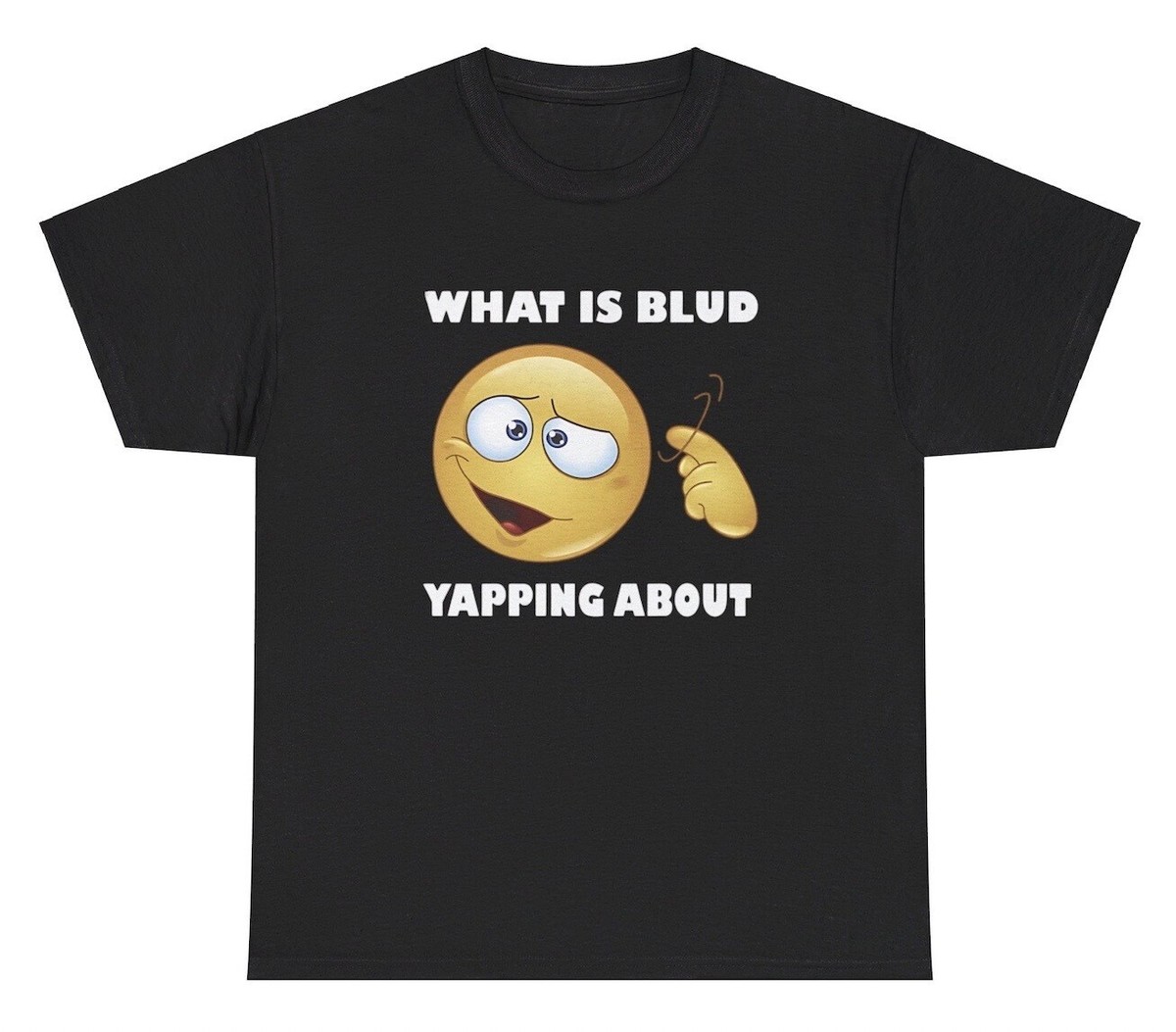
In the fast-paced ecosystem of digital discourse, vernacular shifts with alarming velocity. Phrases that once belonged to insular subcultures are now propelled into the mainstream by algorithmic amplification. Among the most pervasive of these is the rhetorical challenge, “What is blud yapping about?” While it may appear to be merely a flippant dismissal of an individual’s opinion, it serves as a fascinating case study in modern brand strategy, audience reception, and the delicate art of digital communication. For personal brands and corporate entities alike, understanding the subtext of this expression is essential to navigating the treacherous waters of internet engagement.
The Semantics of Dismissal: Deconstructing Modern Discourse
To understand why a phrase like “what is blud yapping about” gains traction, we must first analyze its function. It is a linguistic tool of invalidation. In the context of branding and public relations, it represents the ultimate critique of a message that fails to resonate, lacks substance, or is perceived as overly performative.
The Anatomy of Yapping
“Yapping” implies a persistent, high-frequency, but low-value stream of content. It is the antithesis of the “thought leader” persona that brands strive to cultivate. When an audience member asks what someone is “yapping” about, they are signaling a cognitive disconnect. The message is being received as noise rather than signal. From a branding perspective, this is a crisis of relevance. If your content is consistently met with this sentiment, it suggests that your messaging is not providing utility, entertainment, or genuine value to your target demographic.
The Rise of the “Blud” Persona
The term “blud” acts as a distancing mechanism. It strips the communicator of authority and reduces them to a generic, often laughable, caricature. This is the danger of personal branding in the age of social media. When the audience stops seeing a brand as a partner or an authority figure and starts seeing them as “blud”—someone who is just talking for the sake of hearing their own voice—the brand equity evaporates instantly.
The Branding Cost of Inauthentic Engagement
Brand strategy thrives on consistency and alignment. When a brand deviates from its core identity—or worse, attempts to “keep up” with trends by adopting a voice that is not its own—it invites the “yapping” label. The digital audience is hyper-sensitive to inauthenticity. They possess an uncanny ability to sniff out performative activism, hollow corporate synergy, or influencers who are merely filling content quotas.
The Trap of Performative Content
Many organizations fall into the trap of increasing content volume at the expense of content quality. The logic is that constant output keeps the brand top-of-mind. However, if the output is filler, the audience quickly pivots to the “yapping” critique. When you are just producing content to appease an algorithm, you are not building a brand; you are merely increasing the white noise of the internet. A strong strategy focuses on depth over frequency. Every post, article, or video should justify its own existence by solving a problem or providing a unique perspective.

Audience Disconnect and the Echo Chamber
Sometimes, what is perceived as “yapping” is actually a failure of context. A brand might be speaking to an audience that is not ready for that specific level of technical or strategic discourse. Or, conversely, the brand may be talking down to an audience that is already highly sophisticated. Understanding your target persona is the only antidote. If your audience is asking “what are you yapping about,” it is a direct request for you to define your value proposition more clearly or to bridge the gap between your brand’s internal goals and the audience’s external needs.
Mastering the Art of Signal-to-Noise Ratio
To move away from the “yapping” label and toward “thought leadership,” a brand must focus on optimizing its signal-to-noise ratio. This involves a rigorous audit of the content strategy to ensure that every piece of communication contributes to a broader, coherent narrative.
Defining Your Value Proposition
What is the specific utility you provide? Are you educating, entertaining, or inspiring? If you cannot answer this for a specific campaign or post, do not publish it. The most successful personal and corporate brands are those that view their communication as a service to their audience. When you provide actual value, you aren’t “yapping”—you are consulting, mentoring, or entertaining.
Strategic Silence and Curated Output
One of the most counterintuitive aspects of modern branding is the power of selective silence. By choosing not to jump on every micro-trend or weigh in on every ephemeral controversy, a brand establishes a reputation for thoughtful, deliberate contribution. When a brand that typically remains quiet speaks, people listen. They don’t wonder what the brand is “yapping” about because the brand has established a track record of only contributing when it has something meaningful to say. This scarcity model increases the perceived value of your insights.
Future-Proofing Your Brand Voice
As digital communication continues to evolve, the tools of discourse will change, but the fundamental requirement of effective branding remains static: respect for the audience’s attention. “What is blud yapping about” is merely the current iteration of the classic “TL;DR” (Too Long; Didn’t Read). Both are reactions to a lack of perceived value.
Humanizing the Corporate Voice
The trend toward humanizing brands has led many companies to adopt a more casual, colloquial tone. While this can increase engagement, it also increases the risk of being perceived as insincere. To avoid the “yapping” trap, companies must ensure their casual tone is backed by institutional expertise. You can use slang or casual language, but the underlying substance must be rigorous and authoritative. If the “voice” is casual but the “knowledge” is amateur, you will inevitably be dismissed.
Feedback Loops and Audience Listening
The most effective way to ensure your message is landing is to build robust feedback loops. Don’t just broadcast; listen. Use sentiment analysis, monitor comment sections, and track engagement depth. If you see recurring questions or dismissive remarks, treat them as market research. The audience is telling you exactly where your message is failing. Are they confused by your jargon? Are they bored by your repetition? Are they annoyed by your lack of focus? By adjusting your strategy based on these signals, you transform from a brand that is just “yapping” into a brand that is actively listening to its market.

Conclusion: From Noise to Nuance
In the digital economy, attention is the scarcest currency. Whether you are building a personal brand to drive consulting leads or a corporate entity trying to cement its market position, you are in constant competition with millions of other voices. The difference between being heard and being silenced with a dismissive comment lies in your ability to offer clarity, authenticity, and consistent value. Don’t be the brand that is just filling space. Be the brand that provides the answers your audience is actively seeking. When your communication is intentional, precise, and deeply connected to your audience’s core needs, there will be no question as to what you are talking about—only respect for the value you provide.
aViewFromTheCave is a participant in the Amazon Services LLC Associates Program, an affiliate advertising program designed to provide a means for sites to earn advertising fees by advertising and linking to Amazon.com. Amazon, the Amazon logo, AmazonSupply, and the AmazonSupply logo are trademarks of Amazon.com, Inc. or its affiliates. As an Amazon Associate we earn affiliate commissions from qualifying purchases.