
In the modern digital economy, few industries have witnessed a transformation as rapid or as culturally significant as telehealth. While traditional pharmaceutical giants have long dominated the landscape of men’s health, a new wave of direct-to-consumer (DTC) brands has fundamentally altered how medical services are marketed, perceived, and consumed. At the forefront of this shift is BlueChew.
To the casual observer, BlueChew is a telemedicine service providing chewable tablets for erectile dysfunction (ED). However, from a brand strategy perspective, BlueChew represents a masterclass in corporate identity, market positioning, and the destigmatization of sensitive health issues. By analyzing the “what” and “how” of BlueChew, we uncover a blueprint for how modern brands can disrupt legacy industries through intentional design and aggressive, unconventional marketing.
1. Defining the Brand Identity: From Clinical to Lifestyle
The primary challenge for any brand operating in the erectile dysfunction space is the inherent stigma associated with the condition. Traditionally, pharmaceutical companies utilized a clinical, often somber tone in their advertising—think of the “sunset and bathtubs” imagery of the early 2000s. BlueChew took a radically different approach, pivoting away from the “patient” persona toward a “lifestyle” persona.
The Psychology of Visual Identity
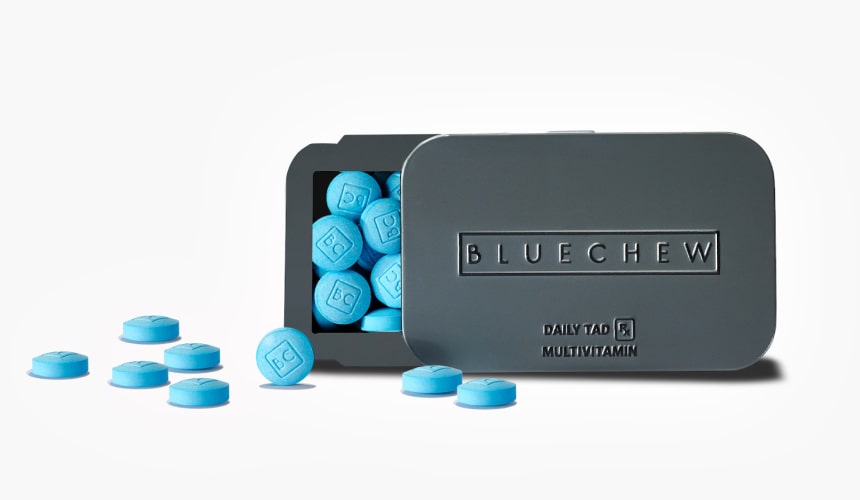
The brand’s name and visual language are the first points of differentiation. The name “BlueChew” is descriptive yet punchy. It leverages the color blue—long associated with the original “little blue pill”—to create immediate cognitive resonance with efficacy, while the word “Chew” highlights a unique product feature (chewable form) that differentiates it from traditional swallowable pills.
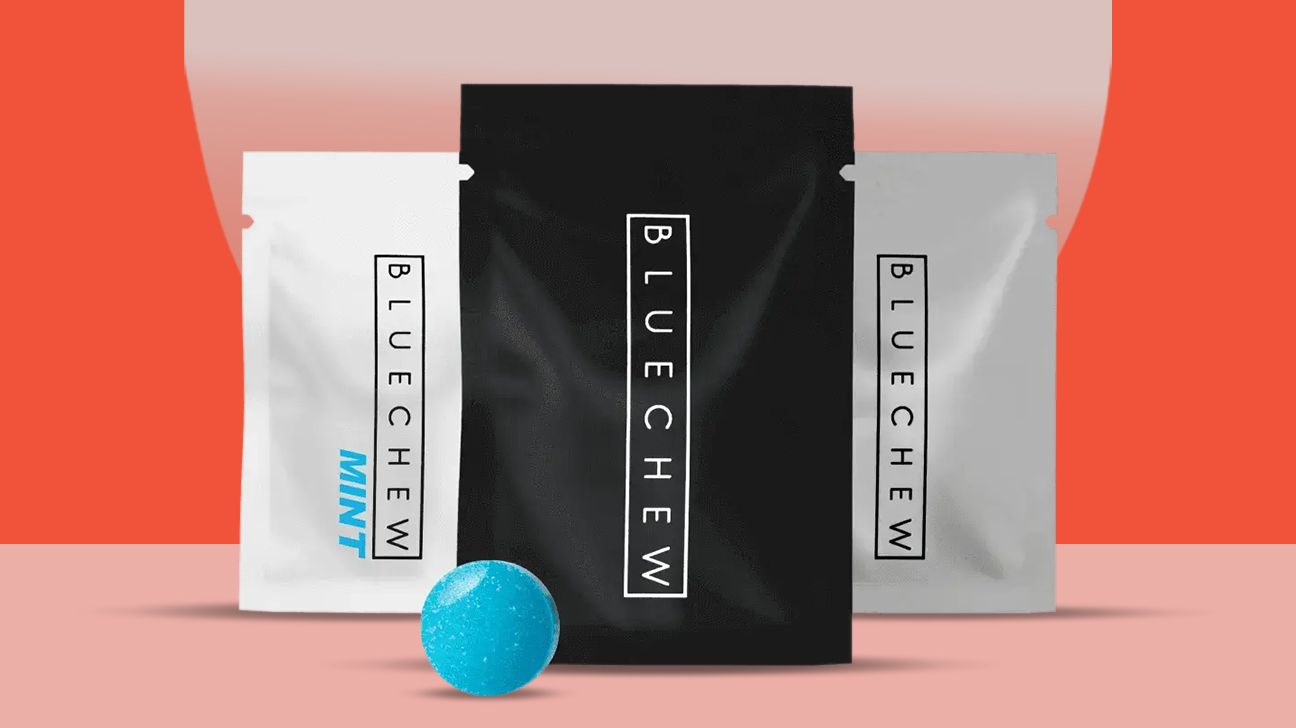
Visually, BlueChew avoids the sterile whites and clinical greens of a doctor’s office. Instead, it utilizes a bold, digital-first aesthetic. The packaging is discreet, modern, and looks more like a high-end supplement or a tech accessory than a prescription medication. This visual shift is crucial; it moves the product out of the medicine cabinet and into the realm of modern lifestyle essentials.
Crafting a Relatable Voice
While legacy brands spoke to their audience with a paternalistic, medical authority, BlueChew adopted a voice that is conversational, confident, and slightly irreverent. This “everyman” tone is designed to lower the barrier to entry. By speaking like a friend rather than a physician, the brand builds a sense of community and trust, making the act of seeking help feel like a proactive performance upgrade rather than a reactive medical necessity.
2. Disruptive Marketing: The Podcast King and Content Integration
BlueChew’s meteoric rise can be largely attributed to its unconventional marketing channels. While competitors were spending millions on traditional television spots, BlueChew identified a highly engaged, captive audience in the podcasting world.
The Power of Host-Read Ads
BlueChew became synonymous with some of the largest podcasts in the world, particularly those with male-leaning demographics. The strategy was simple but brilliant: utilize host-read advertisements. When a trusted podcast host discusses BlueChew, they aren’t just reading a script; they are often sharing a personalized (or at least highly relatable) endorsement.
This strategy effectively bypassed the “spam” filter that many consumers have for traditional ads. By integrating the brand into long-form conversations, BlueChew humanized the product. The ads often lean into humor, which serves a dual purpose: it entertains the listener and further chips away at the embarrassment typically associated with ED.
Leveraging the Influencer Ecosystem
Beyond podcasts, BlueChew’s brand strategy extends into the world of digital influencers and niche communities. By partnering with creators who have high levels of trust with their followers, BlueChew positioned itself as a modern tool for the “optimized male.” This is not just marketing a pill; it is marketing the concept of peak performance. The brand doesn’t just promise to fix a problem; it promises to enhance an experience, a subtle but vital distinction in their market positioning.
3. The Direct-to-Consumer (DTC) Advantage and Brand Loyalty

In the realm of brand strategy, the “customer journey” is just as important as the logo or the slogan. BlueChew’s success is built upon a friction-less, digital-native user experience that prioritizes privacy and convenience.
Removing the Gatekeepers
The traditional path to obtaining ED medication involved a physical doctor’s visit, a trip to a public pharmacy, and often uncomfortable face-to-face interactions. BlueChew’s brand promise is built on the removal of these obstacles. By integrating the medical consultation into their own digital platform, they control the entire brand experience from the first click to the delivery of the package.
This end-to-end control allows for a consistent brand voice at every touchpoint. The online medical profile, the consultation process, and the subscription management are all housed within a sleek, user-friendly interface. This “Tech-Health” hybrid model reinforces the idea that BlueChew is a modern solution for a modern man.
Building a Subscription-Based Community
BlueChew’s business model is rooted in the subscription economy. From a brand perspective, this creates a recurring relationship with the customer. Instead of a one-off transaction, the brand becomes a reliable partner in the user’s life.
To maintain this relationship, BlueChew focuses heavily on retention through streamlined logistics and discreet shipping. The “BlueChew Experience” is defined by its invisibility to the outside world—plain packaging ensures privacy, which is the ultimate value proposition for their target demographic. By consistently delivering on this promise of privacy and reliability, the brand fosters a high degree of customer loyalty.
4. Brand Positioning in a Competitive Landscape
As the telehealth market has matured, BlueChew has had to defend its territory against well-funded competitors like Hims and Roman. The brand’s ability to maintain its identity in a crowded market offers significant insights into successful niche positioning.
Differentiation Through Product Specialization
While competitors like Hims have expanded into a “one-stop-shop” for men’s wellness—offering everything from hair loss treatments to skincare and mental health services—BlueChew has largely stayed focused on its core offering. This specialization has allowed them to own the “chewable” niche. In branding, being the “first” or the “best” at one specific thing is often more valuable than being “okay” at many things. BlueChew’s brand is synonymous with the chewable form factor, making it the top-of-mind choice for consumers who prefer that specific delivery method.
The “Edgy” Brand Moat
BlueChew’s willingness to be “edgier” than its competitors has created a unique brand moat. While Hims and Roman have moved toward a more sophisticated, “preppy” aesthetic to appeal to a broad urban demographic, BlueChew has maintained its gritty, relatable, and sometimes humorous edge. This allows them to resonate with a segment of the market that might find the more “polished” brands to be elitist or out of touch.
5. The Future of Health Branding: Destigmatization as a Service
The ultimate legacy of the BlueChew brand strategy is its role in the cultural shift surrounding men’s health. By treating ED medication with the same branding rigor as a tech startup or a fashion label, they have moved the conversation into the mainstream.
Normalizing the Conversation
BlueChew’s aggressive presence in popular media has forced a level of normalization that was unthinkable twenty years ago. When a brand becomes a household name through comedy podcasts and social media, the underlying “shame” associated with the product begins to evaporate. This is the “halo effect” of strong branding: it doesn’t just sell a product; it changes the cultural context in which that product exists.
Scalability and Brand Evolution
Looking forward, the challenge for BlueChew will be how to evolve without losing the “scrappy disruptor” identity that made it successful. As the telehealth regulatory environment changes, the brand must leverage its high name recognition to expand into adjacent categories while maintaining its core promise of simplicity and discretion.
In conclusion, BlueChew is far more than a pharmaceutical provider. It is a benchmark for modern brand strategy. By understanding its audience, utilizing unconventional marketing channels, and creating a seamless, lifestyle-oriented user experience, BlueChew has successfully rebranded a medical condition into a consumer choice. It serves as a powerful reminder that in the digital age, how you sell is just as important as what you sell. For businesses looking to disrupt traditional industries, the BlueChew blueprint offers a clear lesson: find the stigma, apply great design, speak the language of your customer, and never be afraid to be the loudest voice in the room.
aViewFromTheCave is a participant in the Amazon Services LLC Associates Program, an affiliate advertising program designed to provide a means for sites to earn advertising fees by advertising and linking to Amazon.com. Amazon, the Amazon logo, AmazonSupply, and the AmazonSupply logo are trademarks of Amazon.com, Inc. or its affiliates. As an Amazon Associate we earn affiliate commissions from qualifying purchases.