
While seemingly a simple question, delving into “what is a blouse” reveals a surprisingly rich tapestry of sartorial history, evolving design, and significant implications within the fashion industry, particularly from a Brand perspective. More than just a piece of clothing, a blouse represents a powerful tool for self-expression, a canvas for brand identity, and a driver of market trends. This article will explore the multifaceted nature of the blouse, examining its definition, its evolution, its role in brand storytelling, and its impact on the contemporary fashion landscape.
The Enduring Definition and Evolution of the Blouse
At its core, a blouse is a garment traditionally worn by women, covering the upper body and extending from the neck to the waist. However, this foundational definition belies the vast diversity of styles, fabrics, and silhouettes that fall under its umbrella. Understanding the blouse requires appreciating its historical trajectory and how it has adapted to changing societal norms and aesthetic preferences.
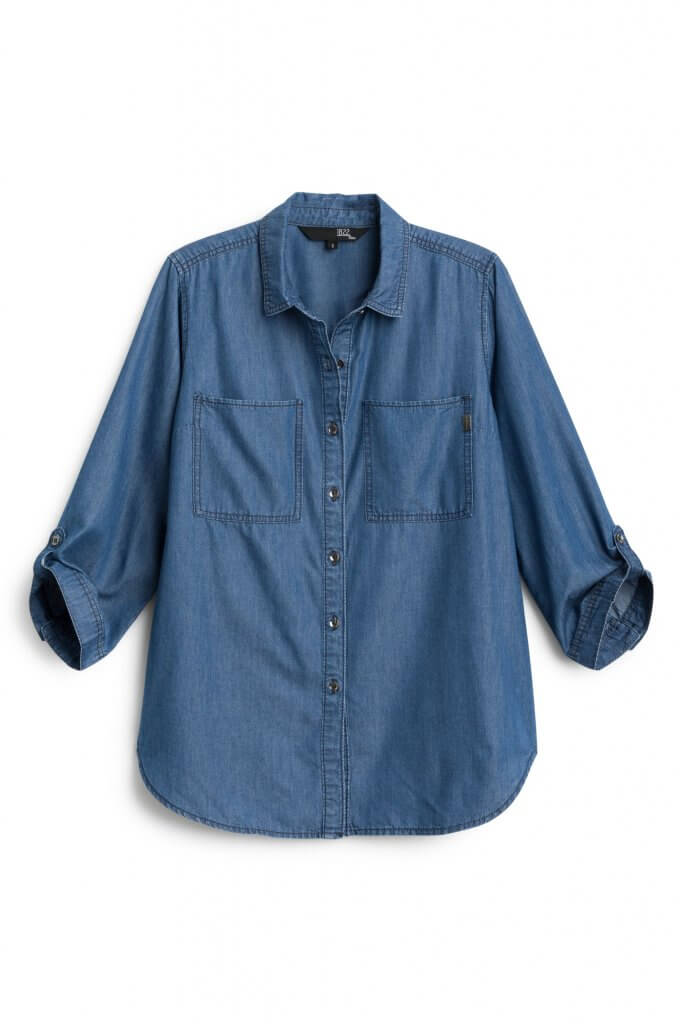
Historical Roots and the Democratization of Style
The etymology of the word “blouse” itself offers clues to its origins. It is believed to have derived from the French word “bliaut,” a tunic worn by medieval workers. Over time, this practical garment evolved. In the 19th century, the blouse began to emerge as a distinct feminine garment, often associated with working-class women who wore simpler, more practical versions compared to the elaborate dresses of the upper classes. However, the early 20th century saw a significant shift.
As women entered the workforce and adopted more active lifestyles, the blouse became a staple of modern dressing. Designers began to differentiate blouses from more formal tops and corseted undergarments, focusing on comfort, versatility, and aesthetic appeal. This period marked a crucial step in democratizing fashion, making stylish and appropriate attire accessible to a broader segment of society. The blouse, in its various iterations – from crisp cotton button-downs to softer, more flowing styles – became a symbol of this burgeoning freedom and individuality.
Key Differentiating Characteristics: Beyond the Basic Shirt
While often confused with shirts, blouses possess distinct characteristics that set them apart. The primary difference lies in their fabrication and intended stylistic outcome.
- Fabrication: Blouses are typically crafted from lighter, more fluid fabrics than traditional shirts. Silks, chiffans, satins, rayons, and fine cotton voiles are common choices, lending themselves to draping, gathering, and softer silhouettes. Shirts, conversely, often use heavier cottons, linens, or blends, emphasizing structure and durability, and are more commonly associated with menswear or casual wear.
- Silhouette and Design Details: Blouses often feature more intricate design elements. This can include ruffles, lace detailing, voluminous sleeves (puff sleeves, bishop sleeves, bell sleeves), intricate collars (pussy-bow, Peter Pan, ruffled), and varied necklines (V-neck, scoop neck, sweetheart). While shirts can have some detailing, their aesthetic is generally more streamlined and utilitarian.
- Styling and Occasion: Blouses are frequently associated with more formal or semi-formal occasions, offering a polished yet feminine aesthetic. They can be dressed up with skirts or tailored trousers for work or evening events, or dressed down with jeans for a chic casual look. Shirts, while versatile, often lean towards casual or professional settings, with a strong emphasis on a more buttoned-up presentation.
The distinction, though subtle at times, is crucial for understanding the intended market and brand positioning of such garments. A brand aiming for luxury and sophistication will meticulously select fabrics and design details for its blouses that evoke elegance, while a brand focused on casual everyday wear might offer more relaxed, shirt-like “blouses” that blur the lines for wider appeal.
The Blouse as a Canvas for Brand Identity and Storytelling
In the realm of fashion, a garment is rarely just a garment. It is a vehicle for communication, a reflection of a brand’s ethos, and a vital element in its overall identity. The blouse, with its inherent versatility and potential for stylistic expression, serves as an exceptionally powerful canvas for brands to weave their narratives and connect with their target audiences.
Crafting a Brand’s Aesthetic Through Blouse Design
A brand’s approach to blouse design speaks volumes about its core identity. Whether a brand champions minimalist chic, bohemian freedom, or bold avant-garde statements, the blouse can be meticulously tailored to embody these characteristics.
- Minimalist Brands: These brands might focus on clean lines, impeccable tailoring, and luxurious, understated fabrics like silk crepe de chine or fine cotton poplin. Their blouses would feature simple V-necks, classic button-downs with hidden plackets, or elegant boat necks, emphasizing quality and timelessness. Think of brands that prioritize subtle sophistication and a “less is more” philosophy. The brand’s story here is one of understated elegance, quality craftsmanship, and enduring style.
- Bohemian Brands: For brands rooted in a free-spirited, artisanal aesthetic, blouses would likely feature flowing silhouettes, natural fabrics like linen and organic cotton, and intricate details such as embroidery, artisanal prints, and peasant-style necklines. These blouses tell a story of wanderlust, craftsmanship, and a connection to nature. The brand’s identity is built around a sense of freedom, creativity, and authenticity.
- Luxury and Couture Brands: These brands will elevate the blouse to an art form. They might experiment with innovative fabrications, elaborate embellishments like intricate beading or opulent lace, and dramatic silhouettes. The blouse becomes a statement piece, showcasing the brand’s commitment to unparalleled craftsmanship, exclusivity, and cutting-edge design. The brand’s narrative here is one of aspiration, artistry, and unparalleled luxury.
- Contemporary and Trend-Driven Brands: These brands will leverage blouses to reflect current fashion movements. They might focus on on-trend colors, updated silhouettes like oversized puff sleeves or dramatic cut-outs, and innovative fabric blends. Their blouses tell a story of being current, dynamic, and relevant to the modern fashion landscape.
The choice of fabric, color palette, silhouette, and detailing are all deliberate decisions that contribute to the overall brand image. A brand’s consistent use of certain blouse styles or design motifs can become a recognizable signature, reinforcing its identity in the minds of consumers.

The Blouse as a Storytelling Device: From Marketing to Personal Branding
Beyond design, blouses play a significant role in marketing campaigns and even in the concept of personal branding.
- Marketing Campaigns: A well-chosen blouse can become a focal point in a brand’s visual storytelling. In a campaign, a model wearing a specific blouse might evoke a particular mood or lifestyle. A flowing silk blouse photographed against a scenic backdrop can communicate travel and freedom, while a crisp, tailored blouse worn in an office setting can convey professionalism and ambition. These visual narratives are carefully crafted to resonate with the aspirations of the target consumer.
- Personal Branding: For individuals, the blouse is a powerful tool for constructing their personal brand. A professional seeking to project an image of competence and authority might opt for a sharp, well-fitting button-down blouse in a neutral tone. An artist or creative individual might choose a blouse with unique patterns or textures to express their individuality. The blouse becomes a silent communicator of one’s personality, professional aspirations, and overall style. It’s about making a deliberate choice that aligns with the image one wishes to project.
When a brand consistently offers blouses that align with its overarching message, it builds brand loyalty and recognition. Consumers begin to associate specific styles and aesthetics with that brand, creating an expectation and a desire for their offerings. This consistent storytelling through design is a cornerstone of successful brand building.
The Blouse in the Contemporary Fashion Ecosystem: Trends and Market Dynamics
The blouse, far from being a static garment, is in constant flux, adapting to evolving consumer desires, technological advancements in textile production, and the overarching trends shaping the fashion industry. Understanding these dynamics is crucial for brands seeking to remain relevant and competitive.
Embracing Sustainability and Ethical Production
The modern consumer is increasingly conscious of the environmental and social impact of their purchasing decisions. This has placed a significant emphasis on sustainability and ethical production within the fashion industry, and the blouse is no exception.
- Sustainable Materials: Brands are actively exploring and incorporating eco-friendly fabrics such as organic cotton, Tencel Lyocell, recycled polyester, and linen. These materials not only reduce environmental impact but also offer unique textural qualities that can enhance the appeal of blouses.
- Ethical Manufacturing: Transparency in the supply chain and fair labor practices are becoming paramount. Brands are being held accountable for ensuring safe working conditions and fair wages for the individuals who create their garments. This commitment to ethical production is increasingly becoming a core component of a brand’s narrative and a key differentiator in the market.
- Circular Fashion Initiatives: The concept of a circular economy is gaining traction, with brands exploring ways to extend the lifecycle of garments. This can include offering repair services, implementing take-back programs for old garments, or designing blouses with longevity and recyclability in mind.
Brands that effectively communicate their commitment to sustainability and ethical practices through their blouse collections can forge deeper connections with consumers who share these values, building brand loyalty and a positive reputation.
The Influence of Digitalization and E-commerce
The rise of e-commerce and digital platforms has profoundly reshaped how blouses are designed, marketed, and sold.
- Online Visual Merchandising: High-quality product photography, detailed descriptions, and virtual try-on technologies are essential for showcasing the nuances of blouse designs online. Brands must invest in compelling visual content to convey the fabric texture, drape, and fit of their blouses, compensating for the inability of customers to physically interact with the garments.
- Influencer Marketing and Social Media: Social media platforms have become powerful tools for brands to showcase their blouse collections and reach wider audiences. Collaborations with fashion influencers allow brands to tap into established communities and leverage trusted voices to promote their products. The visual nature of platforms like Instagram and TikTok is particularly well-suited for highlighting the aesthetic appeal of blouses.
- Personalization and Customization: Digital technologies are enabling brands to offer greater personalization and customization options for blouses. This can range from allowing customers to choose specific fabric colors or sleeve lengths to offering bespoke design services. This trend caters to the growing consumer desire for unique and personalized fashion experiences.
The ability of brands to navigate the digital landscape effectively, utilizing social media, e-commerce platforms, and influencer collaborations, is critical to the success of their blouse offerings. It allows them to not only reach but also engage with a global customer base.

The Evolving Silhouette: Trends and Adaptations
The silhouette of the blouse is constantly being reinterpreted, reflecting contemporary aesthetics and the evolving needs of consumers.
- Volume and Exaggeration: In recent seasons, there has been a notable trend towards voluminous sleeves – puff sleeves, bishop sleeves, and balloon sleeves – adding a dramatic and feminine flair to blouses. This trend showcases a willingness from both brands and consumers to embrace more expressive and statement-making designs.
- Oversized and Relaxed Fits: Counterbalancing the volume, oversized and relaxed-fit blouses are also popular, offering a sense of comfort and effortless chic. These styles often prioritize flowing fabrics and understated detailing, appealing to a desire for casual yet refined dressing.
- Deconstructed and Asymmetrical Designs: Avant-garde and experimental brands are pushing the boundaries with deconstructed silhouettes, asymmetrical hemlines, and unexpected cut-outs. These designs challenge traditional notions of the blouse, appealing to a more fashion-forward and daring consumer.
- The Blouse as a Versatile Staple: Despite these trends, the enduring appeal of the classic blouse – the crisp button-down, the elegant silk shell, the pussy-bow blouse – remains strong. These timeless pieces continue to be a foundation for many wardrobes, demonstrating their inherent versatility and lasting design.
By understanding these shifting trends and adapting their designs accordingly, brands can ensure their blouse collections remain relevant, desirable, and a significant contributor to their overall market success. The blouse, in its many forms, continues to be a vital and dynamic component of the fashion landscape, offering brands a rich platform for expression, storytelling, and commercial achievement.
aViewFromTheCave is a participant in the Amazon Services LLC Associates Program, an affiliate advertising program designed to provide a means for sites to earn advertising fees by advertising and linking to Amazon.com. Amazon, the Amazon logo, AmazonSupply, and the AmazonSupply logo are trademarks of Amazon.com, Inc. or its affiliates. As an Amazon Associate we earn affiliate commissions from qualifying purchases.