
In the modern medical landscape, the ABO blood group system is no longer viewed merely through the lens of basic biology. While discovered over a century ago, the classification of human blood into types A, B, AB, and O has become a cornerstone of high-tech medical informatics, biotechnology, and data-driven healthcare. As we move deeper into the era of personalized medicine, the “tech” behind ABO typing is undergoing a radical transformation, shifting from manual laboratory slides to sophisticated genomic sequencing and AI-driven supply chain management.
Understanding the ABO system through a technological framework reveals how software, hardware, and data science intersect to save lives. This article explores the evolution of blood typing technology, the role of artificial intelligence in hematology, and the futuristic bio-tech innovations that aim to redefine our biological limitations.

The Technological Foundations of ABO Classification
For decades, blood typing was a manual, visual process. Today, it is a highly automated field reliant on precision engineering and complex software. The transition from “wet lab” techniques to digital diagnostics has drastically reduced human error and increased the speed of critical care interventions.
Genomic Sequencing and Molecular Typing
Traditional serology—testing how blood reacts to specific antibodies—remains the gold standard for routine checks. However, the rise of molecular diagnostics has introduced a new layer of technological precision. Scientists now use Polymerase Chain Reaction (PCR) and Next-Generation Sequencing (NGS) to look directly at the ABO gene located on chromosome 9.
By sequencing the DNA responsible for blood type, technologists can identify rare subgroups and “weak” expressions of antigens that traditional liquid testing might miss. This digital mapping of the genome allows for a level of specificity that is crucial in complex cases, such as multi-organ transplants or bone marrow grafting, where a perfect genetic match is more important than a simple ABO grouping.
High-Throughput Screening in Modern Laboratories
In large-scale medical centers, the process of identifying blood types is handled by massive, automated analyzers. These machines are marvels of robotics and optical technology. They utilize microplate technology and sophisticated imaging software to interpret agglutination patterns. These systems are integrated into Hospital Information Systems (HIS) via cloud-based APIs, ensuring that a patient’s blood type is instantly updated across all digital platforms, reducing the risk of “wrong-blood-in-tube” (WBIT) errors—a classic example of how software protocols act as a fail-safe for human fallibility.
AI and Machine Learning in Blood Management Systems
The ABO blood type system represents a massive logistical challenge. Blood is a perishable resource with a short shelf life. Managing this inventory requires more than just refrigerators; it requires advanced predictive analytics and machine learning algorithms.
Predictive Analytics for Inventory Management
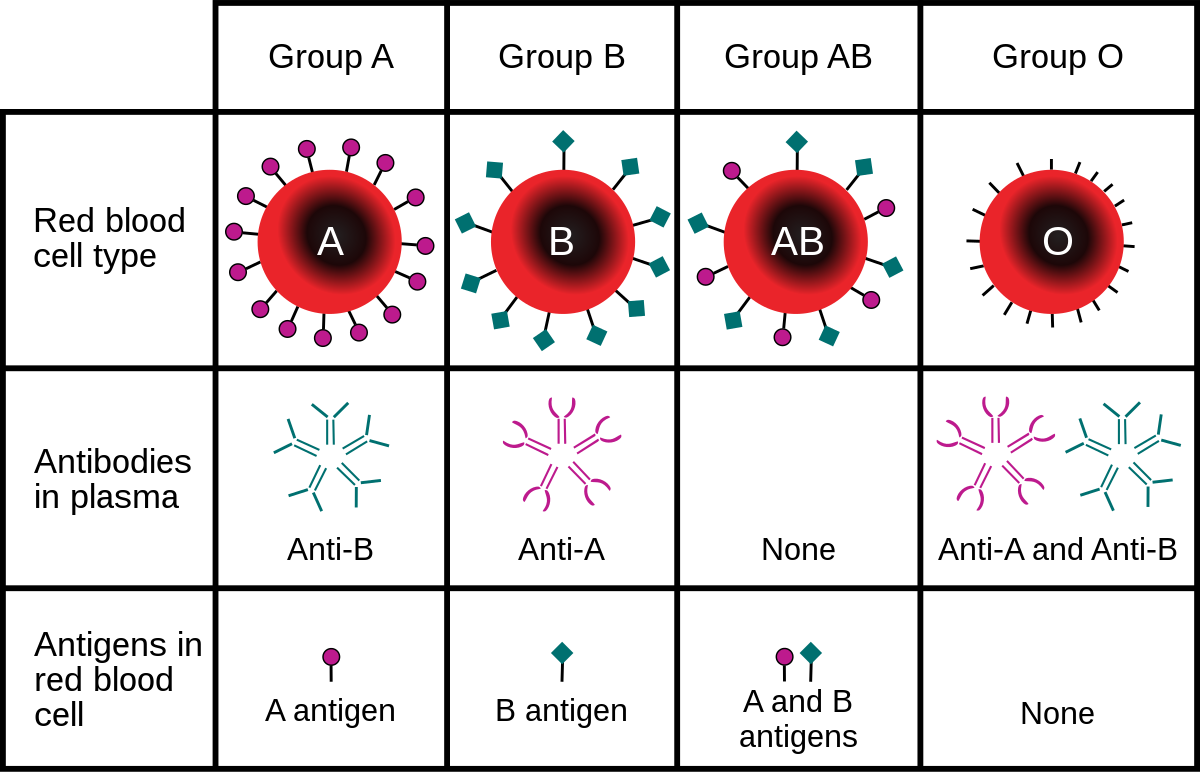
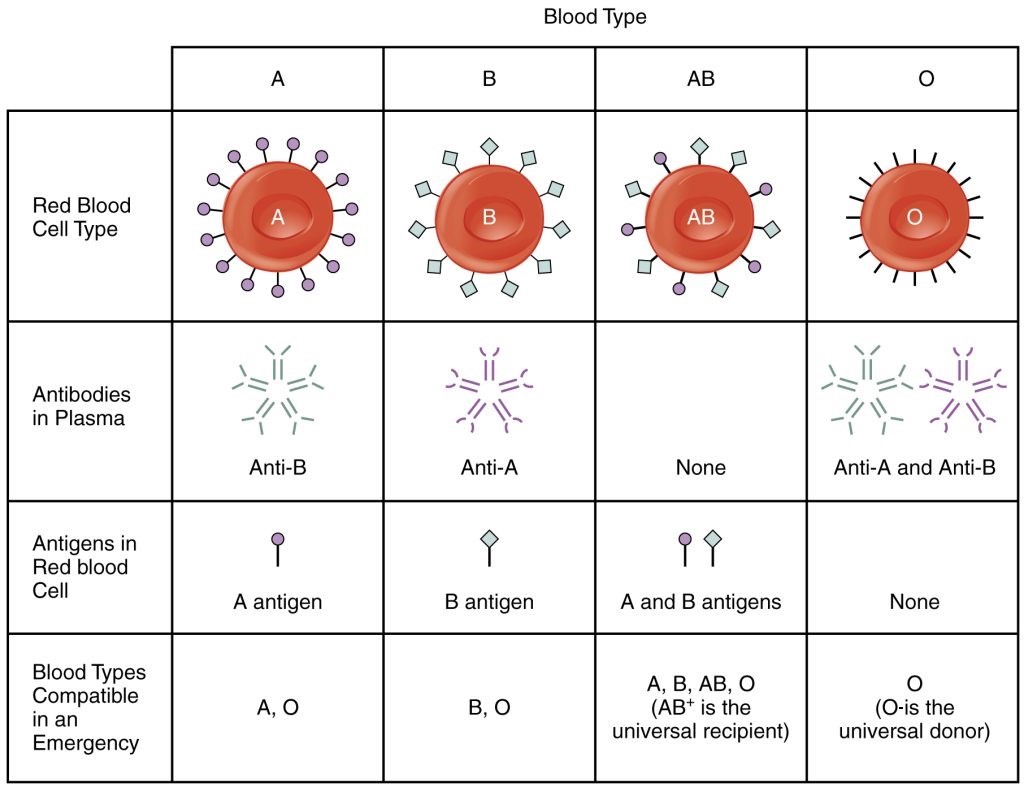
One of the most significant tech trends in healthcare is the use of AI to predict blood demand. Using historical data, seasonal trends, and real-time trauma reports, AI tools can forecast which ABO types will be in highest demand in specific geographic regions. For instance, if a major storm is predicted in a certain area, algorithms can automatically trigger the redistribution of Type O-negative blood (the universal donor) to that region’s trauma centers.
These platforms optimize the “Cold Chain”—the tech-heavy logistics network that keeps blood at precise temperatures. IoT (Internet of Things) sensors on blood storage units transmit real-time data to a central dashboard, alerting technicians if a temperature deviation occurs that might compromise the integrity of the antigens.
Algorithmic Matching for Complex Transfusions
Beyond simple A-to-A matching, complex surgeries often require “cross-matching” that involves dozens of secondary antigens. Software developers have created sophisticated matching algorithms that function similarly to search engine ranking systems. These algorithms scan donor databases containing millions of entries to find the “best fit” for a patient with a rare phenotype. By calculating the probability of a negative reaction before the blood even leaves the lab, these digital tools have significantly increased the safety of modern transfusions.
The Future of Blood Tech: Synthetic Blood and CRISPR
Perhaps the most exciting intersection of technology and the ABO system lies in bio-engineering. We are no longer content with just categorizing blood; we are now using technology to change it.
Gene Editing to Create “Universal” Donor Cells
CRISPR-Cas9, the revolutionary gene-editing tool, is being applied to the ABO system with startling results. Researchers are experimenting with “molecular scissors” to strip the A and B antigens from the surface of red blood cells. By essentially “deleting” the identifying markers that trigger an immune response, scientists aim to use tech to convert Type A or B blood into Type O.
This process, often referred to as “enzymatic conversion,” relies on computational biology to identify the exact bacterial enzymes capable of cleaving sugar molecules from blood cells. If successfully scaled via automated bio-reactors, this technology could effectively end blood shortages by making every pint of blood compatible with every patient.
Lab-Grown Blood and Bioprinting
The ultimate goal of medical technology is to move away from donor dependency entirely. Synthetic biology startups are currently working on “in vitro” erythropoiesis—the process of growing red blood cells in a laboratory setting. Using bioreactors and specialized growth mediums, tech companies are attempting to manufacture “Type O” blood on demand.
Furthermore, 3D bioprinting technology is being explored to create vascularized tissues. While we are still far from “printing” a pint of blood, the software used to map the intricate networks of veins and arteries relies on the same ABO data sets to ensure that any printed biological material is immunologically compatible with the recipient.
Digital Security and the Blockchain of Blood
As blood type information becomes part of a larger digital health identity, the technology used to protect this data is becoming as important as the medical tech itself. Your ABO type is a permanent piece of your biological data, and its integration into digital records brings both opportunities and risks.
Protecting Sensitive Genetic Data
With the shift toward “Digital Health Passports,” a patient’s blood type and genetic markers are stored in centralized databases. Cybersecurity in this sector is paramount. Encryption technologies ensure that this sensitive information cannot be used for “genetic profiling” by insurance companies or other third parties. Modern HealthTech platforms use end-to-end encryption to facilitate the secure transfer of blood data between hospitals, ensuring that when a patient is moved, their critical ABO information arrives before they do.
Supply Chain Transparency through Distributed Ledgers
Blockchain technology is finding a unique niche in the blood supply chain. Because blood is a high-value, life-saving commodity, ensuring its “provenance” (origin) is vital. A blockchain-based ledger can track a unit of Type B+ blood from the moment it is drawn from a donor’s arm, through testing, processing, and finally to the bedside of a recipient.
This “Digital Ledger of Blood” prevents the entry of counterfeit or improperly tested blood into the system. Every scan of the barcode on a blood bag creates an immutable record on the blockchain, providing a transparent, unhackable history of its temperature, age, and ABO verification.
Conclusion: The Convergence of Biology and Bits
The question of “what is blood type ABO” can no longer be answered solely by a biologist. In the 21st century, the answer is equally found in the lines of code that run hospital analyzers, the algorithms that predict donor shortages, and the CRISPR sequences that seek to edit our very cells.
Technology has transformed the ABO system from a biological constraint into a manageable data set. As we look toward the future, the integration of AI, blockchain, and gene editing promises a world where blood type is no longer a barrier to emergency care, but a seamlessly integrated component of a high-tech, global health ecosystem. Through the lens of technology, the ABO system is a prime example of how human innovation can take the most basic elements of our existence and optimize them for the digital age.
aViewFromTheCave is a participant in the Amazon Services LLC Associates Program, an affiliate advertising program designed to provide a means for sites to earn advertising fees by advertising and linking to Amazon.com. Amazon, the Amazon logo, AmazonSupply, and the AmazonSupply logo are trademarks of Amazon.com, Inc. or its affiliates. As an Amazon Associate we earn affiliate commissions from qualifying purchases.