
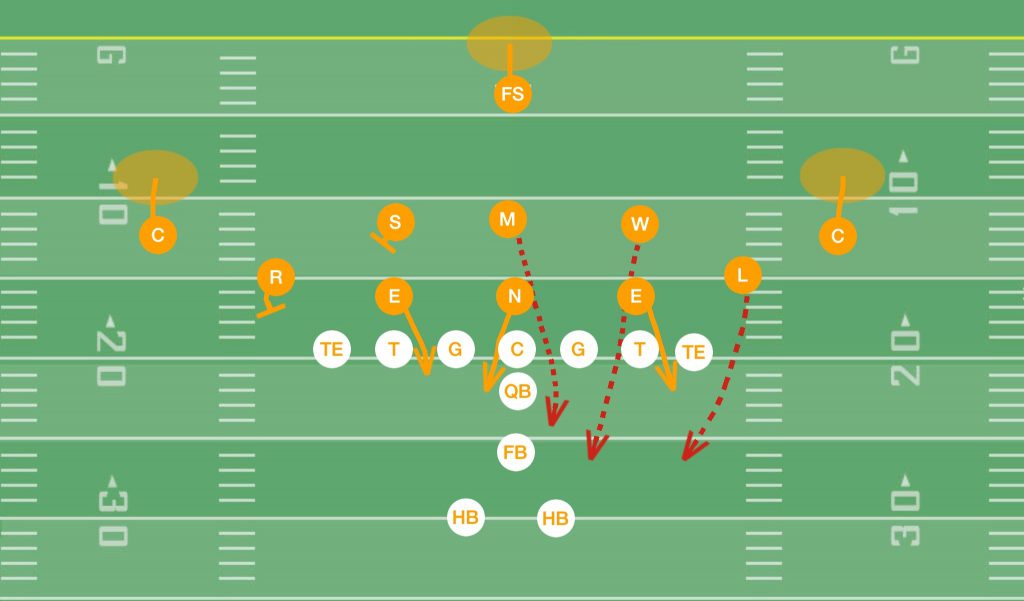
Blitzing in American football refers to a defensive strategy where a team sends more pass rushers than usual to disrupt the opposing quarterback and passing game. Typically, defenses send four players to rush the passer, while dropping seven players into coverage. A blitz, however, involves sending five, six, or even more players from the defensive line and/or linebackers to pressure the quarterback. The primary goal of a blitz is to create immediate pressure, forcing the quarterback to make a quick decision, potentially leading to an interception, sack, or incompletion.
The Strategic Imperative of Blitzing
Blitzing is not merely a chaotic rush of defenders; it’s a calculated gamble designed to gain a tactical advantage. The decision to blitz stems from a variety of strategic considerations, all aimed at disrupting the opponent’s offensive rhythm and forcing errors. Understanding the “why” behind a blitz is as crucial as understanding the “how.”
Disrupting Offensive Flow and Rhythm
Offenses in football are built on timing, rhythm, and predictable patterns. Quarterbacks rely on their offensive line to provide adequate protection, allowing them time to read the defense, identify open receivers, and deliver accurate passes. A well-executed blitz shatters this established rhythm. By sending extra rushers, the defense aims to overwhelm the offensive line’s ability to block effectively. This forces the quarterback out of their comfort zone, disrupting their internal clock and making it difficult to execute pre-snap reads or on-the-fly adjustments. The pressure can lead to hurried throws, inaccurate passes, or even a complete breakdown in the play.
Forcing Mistakes and Generating Turnovers
The ultimate goal of many defensive schemes is to create turnovers. Blitzing is a direct pathway to achieving this. When a quarterback is under duress, they are more prone to making poor decisions. This can manifest in several ways:
- Interceptions: A hurried throw can be easily picked off by a defensive back who has been afforded extra time to cover a receiver due to fewer players dropping into traditional coverage. The quarterback might try to force a ball into a tight window or throw it off-balance, increasing the likelihood of an interception.
- Sacks: The increased pressure aims to sack the quarterback behind the line of scrimmage. A sack results in a loss of yardage and can significantly impact a team’s ability to gain first downs or score. It also drains their momentum.
- Fumbles: While less common than sacks or interceptions directly from a blitz, a quarterback under immense pressure might fumble the ball while trying to escape, throw it away under duress, or be hit as they are throwing.
Creating Mismatches in Coverage
When a defense blitzes, it typically sacrifices a defender who would otherwise be in coverage to add an extra pass rusher. This creates a numerical disadvantage in coverage. However, the intent is often to create favorable matchups for the blitzing players against offensive linemen or running backs tasked with blocking. More significantly, the extra pressure can force the quarterback to look for shorter, quicker routes, potentially leading to tighter coverage downfield as receivers are forced to release the ball quickly. Alternatively, if the blitz is accounted for by the offensive line and running backs, the defense might gain a numerical advantage on the defensive line or at linebacker, allowing them to create pressure with their primary rushers.
The Mechanics of a Defensive Blitz
A blitz is characterized by its deviation from standard defensive alignments and pressures. The execution involves a coordinated movement of players, aiming to create confusion and overwhelm the offense. Understanding the different types of blitzes and how they are deployed reveals the strategic depth of this tactic.
Types of Blitzes: Identifying the Variations
Blitzes are not monolithic; they come in various forms, each with its own strengths and tactical nuances. The nomenclature often describes the players involved or the direction of the pressure.
- Zone Blitz: In a zone blitz, a defender who normally rushes the passer drops back into a zone coverage to defend a specific area of the field. This is a strategic trade-off, aiming to confuse the quarterback by showing pressure but then dropping a player into coverage, potentially creating an interception opportunity if the quarterback misreads the coverage.
- Man Blitz: This involves sending additional rushers while the remaining defenders play man-to-man coverage. The idea here is to create overwhelming pressure on the quarterback while ensuring that receivers are tightly covered. If the blitzers are successful, the quarterback has very little time to find an open receiver, even if they are covered man-to-man.
- Corner Blitz: A cornerback, often from the slot or a wider alignment, rushes the passer. This can be particularly effective as cornerbacks are often fast and agile, capable of quickly closing the distance to the quarterback.
- Linebacker Blitz: This is perhaps the most common type of blitz, where one or more linebackers deviate from their typical assignments to rush the passer. Linebackers are often in a prime position to attack the quarterback, especially if they are aligned inside or near the line of scrimmage.
- Safety Blitz: Safeties, particularly strong safeties, can also be used to blitz. Their ability to cover significant ground and deliver a hard hit makes them a dangerous weapon when sent on a blitz. This often occurs on third-down or obvious passing situations.
- A-Gap Blitz: This refers to a blitz that attacks the “A-gap,” the space directly between the center and the guards. This is a critical area for offensive line protection, and a successful A-gap blitz can lead to immediate pressure on the quarterback.
The Role of Deception and Misdirection
Effective blitzing relies heavily on deception. The defense wants to disguise their intentions to prevent the offense from identifying and counteracting the blitz before it materializes. This often involves:
- Showing Pressure, Delivering Elsewhere: Defenders might line up in a way that suggests a blitz is coming from a particular direction or from certain players. However, the actual blitz might originate from a different area or involve different players.
- “Stunts” and “Twists”: These are common defensive line techniques where players loop around each other to confuse the blocking assignments of the offensive line. A stunt can create an opening for a blitzing player by drawing offensive linemen out of position.
- “Red Dogging”: This is a term for a defender who appears to be blitzing but then drops back into coverage at the last moment. This can be used to confuse the quarterback and create opportunities for interceptions.
- “Showing the Blitz” and then “Playing Coverage”: Sometimes, a defense will conspicuously show their blitz intent, only to pull back and drop into a standard zone or man coverage. This can create uncertainty for the quarterback, making them hesitant to commit to a particular play.
Counteracting the Blitz: Offensive Strategies and Adjustments
While blitzing is a potent weapon, offenses are not defenseless against it. Teams spend significant time practicing how to identify and neutralize blitzes, employing various adjustments and strategies to protect their quarterback and maintain offensive efficiency.
Identifying the Blitz Pre-Snap
The first line of defense against a blitz is recognizing it before the snap of the ball. This involves:
- Reading Formations and Player Alignment: Coaches teach quarterbacks and offensive linemen to look for tell-tale signs. This includes the number of defenders showing up near the line of scrimmage, the positioning of linebackers and safeties, and whether certain players are lined up in unusual positions.
- “Counting the Rushers”: Quarterbacks are trained to quickly count the number of players they believe will rush the passer. If this number exceeds the number of offensive linemen and designated blockers (like running backs or tight ends), a blitz is likely.
- Communication: Offensive linemen are crucial in identifying blitzers. They must communicate effectively to ensure that all potential rushers are accounted for and blocked. This often involves verbal calls and physical cues.
Offensive Line Protection Schemes
The offensive line is the primary bulwark against the blitz. They employ various protection schemes to mitigate the extra pressure.
- “Man” Protection: In this scheme, each offensive lineman is responsible for blocking a specific defender. This is often used against blitzes where the number of rushers is predictable.
- “Slide” or “Zone” Protection: In this approach, the offensive line moves as a unit to protect a particular side or area. This can be effective against overwhelming pressure from one direction, as the entire line shifts to reinforce that area.
- “Max” Protection: This is a more aggressive form of protection where all eligible offensive linemen and often the running back and/or tight ends are tasked with blocking. This leaves very few players available for receiving routes, but it provides the quarterback with maximum time to throw.
Quarterback Adjustments and Audibles
The quarterback plays a pivotal role in countering the blitz. Beyond identifying the blitz, they have the authority to change the play at the line of scrimmage.
- Audibles: If a quarterback identifies a blitz, they can “audible” to a different play, often one designed to exploit the blitz. This might be a quick pass designed to get the ball out before the rush arrives or a run play that takes advantage of the offensive line’s potential advantage in blocking if the blitzers are predictable.
- “Hot Routes”: Quarterbacks can sometimes direct receivers to run specific “hot routes” designed to get the ball out quickly against an anticipated blitz. These routes often involve getting the ball to the flat or to a receiver running a quick out.
- Identifying the “Mike” Blitzer: In many blitz packages, one defender is designated as the primary blitzer. The quarterback’s ability to identify this “Mike” blitzer and communicate their intention to block them is crucial.
The Impact of Blitzing on Game Dynamics
Blitzing is more than just a tactical maneuver; it has a profound impact on the overall flow and psychology of a football game. Its strategic deployment can swing momentum, dictate offensive play-calling, and create memorable moments.
Momentum Swings and Psychological Warfare
A successful blitz can be a significant momentum shifter. When a defense consistently pressures the quarterback, sacks them, or forces turnovers, it can demoralize the offense and energize the defense. This psychological advantage can be as impactful as the tangible gains on the scoreboard. Conversely, a failed blitz, where the quarterback escapes the pressure and completes a long pass, can be equally damaging to the defense’s confidence and morale. Blitzing, therefore, becomes a form of psychological warfare, a constant test of wills between the offense and defense.
Dictating Offensive Play-Calling
The threat of a blitz can heavily influence an offensive coordinator’s play-calling decisions. If a team is known for its aggressive blitzing schemes, offenses might lean more towards quick passes, screen plays, and runs to counteract the pressure. This can limit the offensive playbook and make them more predictable. Conversely, if an offense has successfully neutralized a blitzing defense, the defense might be forced to dial back their blitzes, allowing the offense to open up their playbook.

High-Risk, High-Reward Situations
Blitzing is inherently a high-risk, high-reward strategy. The potential rewards—sacks, turnovers, and disruption of the passing game—are significant. However, the risks are also substantial. If the blitz is picked up by the offense, the defense can find itself with fewer players in coverage, leaving receivers open for large gains. This is why blitzes are often employed on third downs, where the stakes are higher and the potential reward of stopping the drive is worth the increased risk. Coaches must carefully weigh the probabilities and potential outcomes before deciding to send extra pressure.
In conclusion, blitzing is a multifaceted and dynamic aspect of American football. It is a strategic tool that, when executed effectively, can dramatically alter the course of a game. Understanding the intentions behind a blitz, the various ways it can be deployed, and the offensive strategies designed to counter it provides a deeper appreciation for the intricate chess match that unfolds on the gridiron.
aViewFromTheCave is a participant in the Amazon Services LLC Associates Program, an affiliate advertising program designed to provide a means for sites to earn advertising fees by advertising and linking to Amazon.com. Amazon, the Amazon logo, AmazonSupply, and the AmazonSupply logo are trademarks of Amazon.com, Inc. or its affiliates. As an Amazon Associate we earn affiliate commissions from qualifying purchases.