
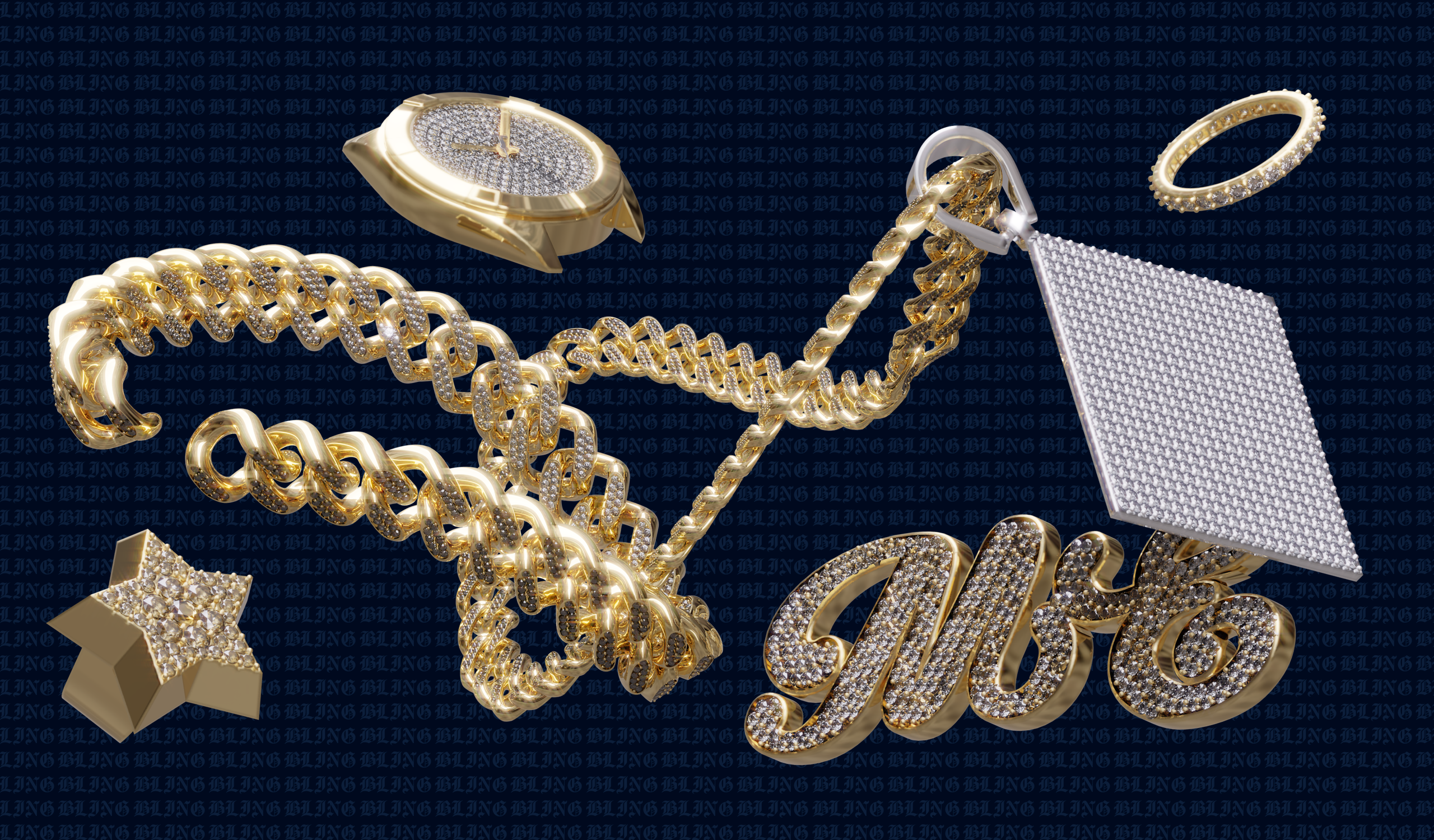
Bling, a term that surged into popular lexicon in the late 20th and early 21st centuries, refers to ostentatious, often expensive jewelry and accessories. More than just an array of diamonds, gold, and precious stones, bling functions as a powerful, non-verbal communication tool, deeply intertwined with personal and corporate branding, cultural identity, and the marketing of desire. It’s a visual shorthand, a statement of success, belonging, and aspiration, evolving from niche subcultures to mainstream fashion and luxury markets. Understanding bling requires dissecting its semiotic significance, its role in crafting identity, and its pervasive influence on consumer culture and brand perception.
The Semiotics of Shine: Bling as a Status Symbol
At its core, bling is a semiotic device, a system of signs and symbols used to convey meaning. It operates within a complex web of cultural codes, where the size, gleam, and perceived value of an adornment instantly communicate messages about the wearer’s status, wealth, and often, their alignment with particular cultural movements. It’s a performative display, an outward manifestation of an internal narrative of achievement or aspiration.
Communicating Wealth and Success
Historically, conspicuous consumption of precious metals and gemstones has been a universal indicator of wealth and power. From ancient pharaohs adorned with gold to European royalty dripping in jewels, the ability to possess rare and expensive items has always signified dominion and prosperity. Bling continues this tradition in a contemporary context. A diamond-encrusted watch, a heavy gold chain, or an elaborate grill (dental jewelry) are not merely decorative; they are tangible proof of disposable income, successful ventures, or influential connections. In many social circles, particularly those emerging from or aspiring to overcome economic hardship, the display of bling serves as a powerful testament to having “made it.” It communicates a triumph over adversity, a tangible reward for hard work or strategic acumen, effectively acting as a highly visible personal balance sheet. This makes it a crucial element in personal branding, where an individual seeks to project an image of success and influence. For artists, athletes, and entrepreneurs, it’s often an integral part of their public persona, reinforcing their brand message of being at the top of their game.
Cultural Contexts and Evolution
While the concept of ostentatious display is ancient, the term “bling” and its specific aesthetic have strong roots in hip-hop culture of the 1990s. Emerging from communities where traditional avenues of wealth display were less accessible or culturally relevant, hip-hop artists adopted and transformed luxury items into a distinct visual language. This specific cultural origin imbued bling with connotations of authenticity, rebellion, and a celebration of success achieved against odds. Over time, as hip-hop permeated global mainstream culture, so too did its aesthetic markers. Bling transcended its origins, influencing high fashion, celebrity culture, and broader consumer trends. Today, while still deeply connected to its roots, the interpretation of bling can vary significantly across different demographics and regions. For some, it maintains its original subversive edge; for others, it’s simply a fashion statement or a luxury purchase. This evolution highlights how a specific cultural brand can expand its influence, leading to diverse interpretations and adoptions.
Personal Branding in Precious Metals: Crafting Identity
Bling is an exceptionally potent tool for personal branding, allowing individuals to project a carefully curated image to the world. It’s a deliberate choice in self-expression, often reflecting not just wealth but also personality, affiliation, and ambition.
From Street Style to Red Carpet: Diverse Expressions
The versatility of bling in personal branding is evident in its varied manifestations. On the street, a carefully chosen pendant or a pair of earrings can signify allegiance to a particular style tribe or subculture, conveying a sense of belonging and identity. It might be understated yet recognizably high-end, or overtly flashy and attention-grabbing. For celebrities walking the red carpet, bling serves a different purpose. Here, it is often about aligning with established luxury brands, showcasing borrowed pieces that emphasize opulence and high fashion, thereby reinforcing their status as an icon or tastemaker. An actor might wear a million-dollar necklace to amplify their image as an A-lister, while a music mogul might sport custom pieces that tell a personal story or celebrate a milestone. Each choice contributes to their individual brand narrative, whether it’s about edgy individualism, classic elegance, or audacious success. This demonstrates how bling can be strategically deployed to shape public perception and consolidate a desired brand identity.
Authenticity Versus Ostentation
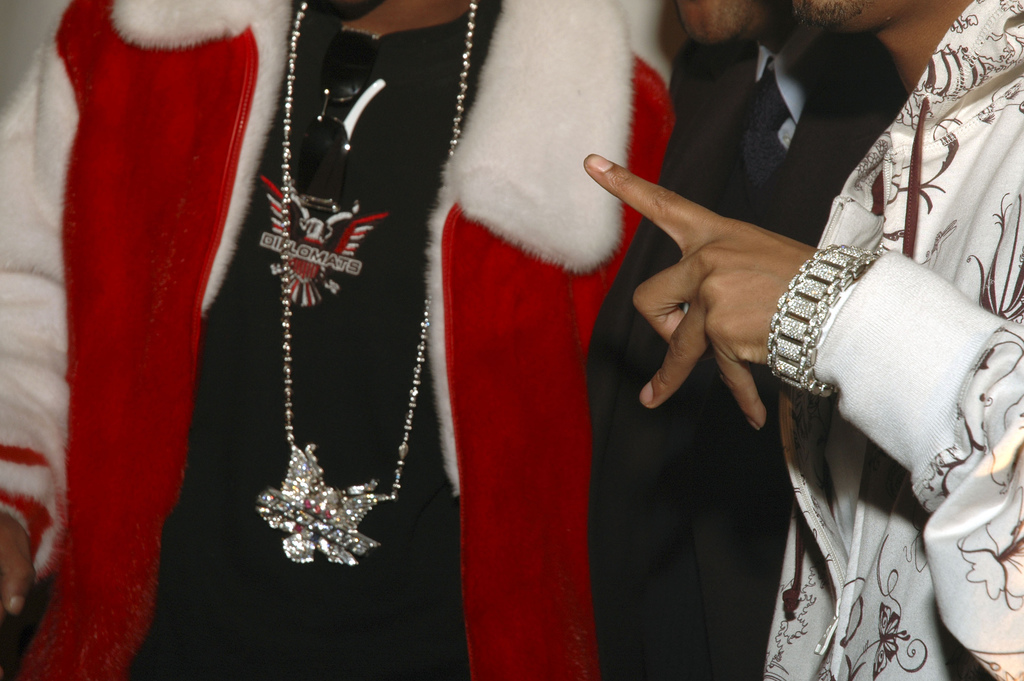
A critical aspect of using bling in personal branding is navigating the fine line between authenticity and mere ostentation. For bling to be an effective branding tool, it must feel genuine to the individual and their projected image. If a person’s entire persona is built around understated elegance, a sudden, dramatic display of excessive bling might be perceived as incongruous or inauthentic, potentially undermining their established brand. Conversely, for someone whose brand is built on lavishness and unapologetic success, a lack of bling might be seen as a deviation from their expected image. The most successful personal brands integrate bling seamlessly into their overall identity, making it feel like a natural extension of who they are and what they represent. This requires an understanding of one’s target audience and the message one wishes to convey. Is the bling meant to intimidate, inspire, or simply celebrate? The answer defines its effectiveness as a branding element, ensuring it enhances rather than detracts from the individual’s narrative.
Corporate Identity and the Lure of Luxury
Beyond individual expression, bling also plays a significant role in corporate branding, particularly within the luxury goods sector. Companies leverage the allure and cultural connotations of bling to market their products, forge brand associations, and cultivate a desired image.
Brand Association and Endorsement
Luxury watchmakers, high-end jewelers, and fashion houses intrinsically deal in “bling.” Their entire business model is predicated on creating items that embody opulence, exclusivity, and status. For these brands, bling is not just a product; it is their core identity. They market the dream of acquiring such items, associating their brand with success, sophistication, and desirability. Moreover, corporate brands often strategically align themselves with individuals known for their bling. Celebrity endorsements, where a famous personality sports a particular brand’s jewelry or watch, create powerful associations. When a renowned athlete wears a specific luxury timepiece, it lends credibility and aspiration to that brand, suggesting that their product is synonymous with achievement and an elite lifestyle. This form of co-branding allows luxury companies to tap into the cultural capital of individuals who exemplify the “bling” lifestyle, expanding their reach and reinforcing their brand narrative of excellence and exclusivity.
The Marketing of Desire
The marketing of bling by corporate entities is fundamentally about selling desire. It’s not merely about the intrinsic value of gold or diamonds; it’s about the perceived value, the emotional connection, and the social statement these items enable. Advertising campaigns for luxury jewelry often feature aspirational imagery: elegant individuals in opulent settings, celebrating milestones, or exuding confidence. The messaging emphasizes heritage, craftsmanship, rarity, and the transformative power of wearing something truly exceptional. These campaigns are designed to evoke an emotional response, making consumers associate the brand with personal success, love, celebration, and self-worth. The “bling” factor becomes a key differentiator in a crowded market, allowing brands to command premium prices by selling not just an object, but a feeling, a status, and a piece of a coveted lifestyle. This strategic marketing ensures that the desire for bling continues to drive a significant segment of the luxury market.
The Psychology of Adornment: Beyond Material Value
The enduring appeal and branding power of bling also stem from deep-seated psychological motivations, tapping into primal human desires for recognition, self-expression, and connection. It’s a testament to the fact that adornment, in its most extravagant forms, serves more than just an aesthetic purpose.
Emotional Connection and Self-Expression
For many, bling carries immense emotional weight. It might be a gift marking a significant achievement, an heirloom symbolizing family legacy, or a personal indulgence celebrating a hard-won victory. These items become imbued with personal stories and meaning, making them far more valuable than their material cost suggests. Wearing such pieces can evoke feelings of pride, confidence, and empowerment, reinforcing a positive self-image. This emotional connection makes bling a powerful tool for self-expression, allowing individuals to communicate aspects of their personality, their journey, or their values without uttering a single word. It can be a form of self-love, a way to visually affirm one’s identity and accomplishments in a world that often demands outward validation.
The Aspiration Economy
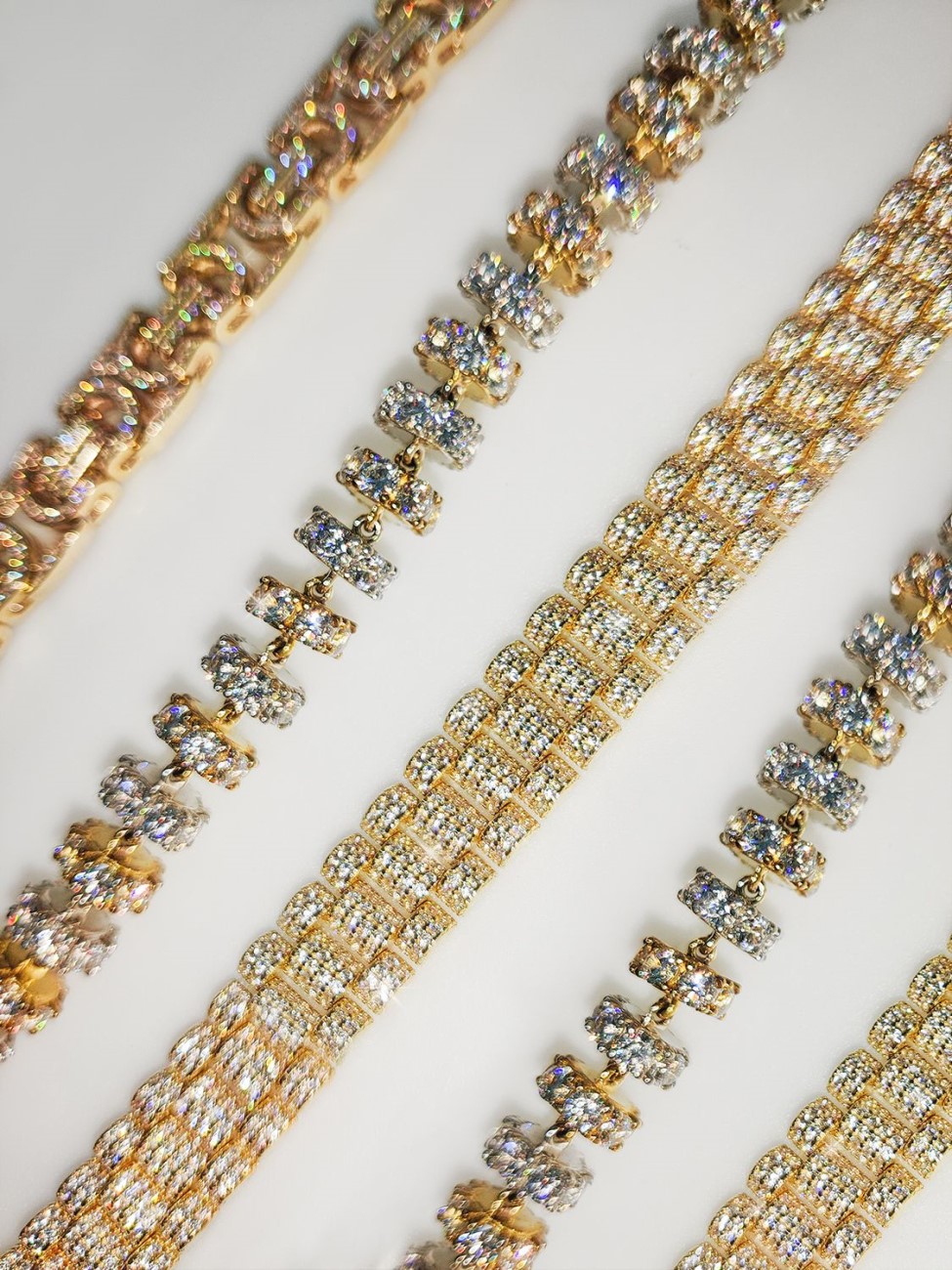
Bling thrives within what can be termed the “aspiration economy.” It represents goals achieved or goals yet to be attained. The desire for a particular piece of jewelry can motivate individuals, serving as a tangible reward for future success. Brands adeptly tap into this by creating desirable items that become symbols of aspiration. Owning a piece of bling from a renowned luxury brand is not just about the object itself, but about buying into the brand’s narrative of excellence, exclusivity, and success. It’s a way for consumers to signal their ambitions and to align themselves with a desired future self. In this context, bling transcends its role as a mere accessory to become a powerful marker in one’s personal and professional journey, deeply integrated into the fabric of identity and the ongoing process of brand building.
aViewFromTheCave is a participant in the Amazon Services LLC Associates Program, an affiliate advertising program designed to provide a means for sites to earn advertising fees by advertising and linking to Amazon.com. Amazon, the Amazon logo, AmazonSupply, and the AmazonSupply logo are trademarks of Amazon.com, Inc. or its affiliates. As an Amazon Associate we earn affiliate commissions from qualifying purchases.