
In the complex landscape of high-stakes finance and public service, the term “blind trust” frequently surfaces as a gold standard for ethical asset management. While the average investor may be familiar with traditional brokerage accounts or standard living trusts, a blind trust is a sophisticated financial instrument designed with one primary goal: to eliminate the potential for conflicts of interest. By voluntarily severing the link between the owner’s knowledge and their investment decisions, the blind trust ensures that professional or political actions are not influenced by personal financial gain.

Understanding the mechanics, benefits, and limitations of a blind trust is essential for corporate executives, public officials, and high-net-worth individuals who must navigate the intersection of personal wealth and professional responsibility. This article explores the nuances of blind trusts within the “Money” niche, providing a roadmap for those considering this rigorous approach to wealth management.
Understanding the Fundamentals of a Blind Trust
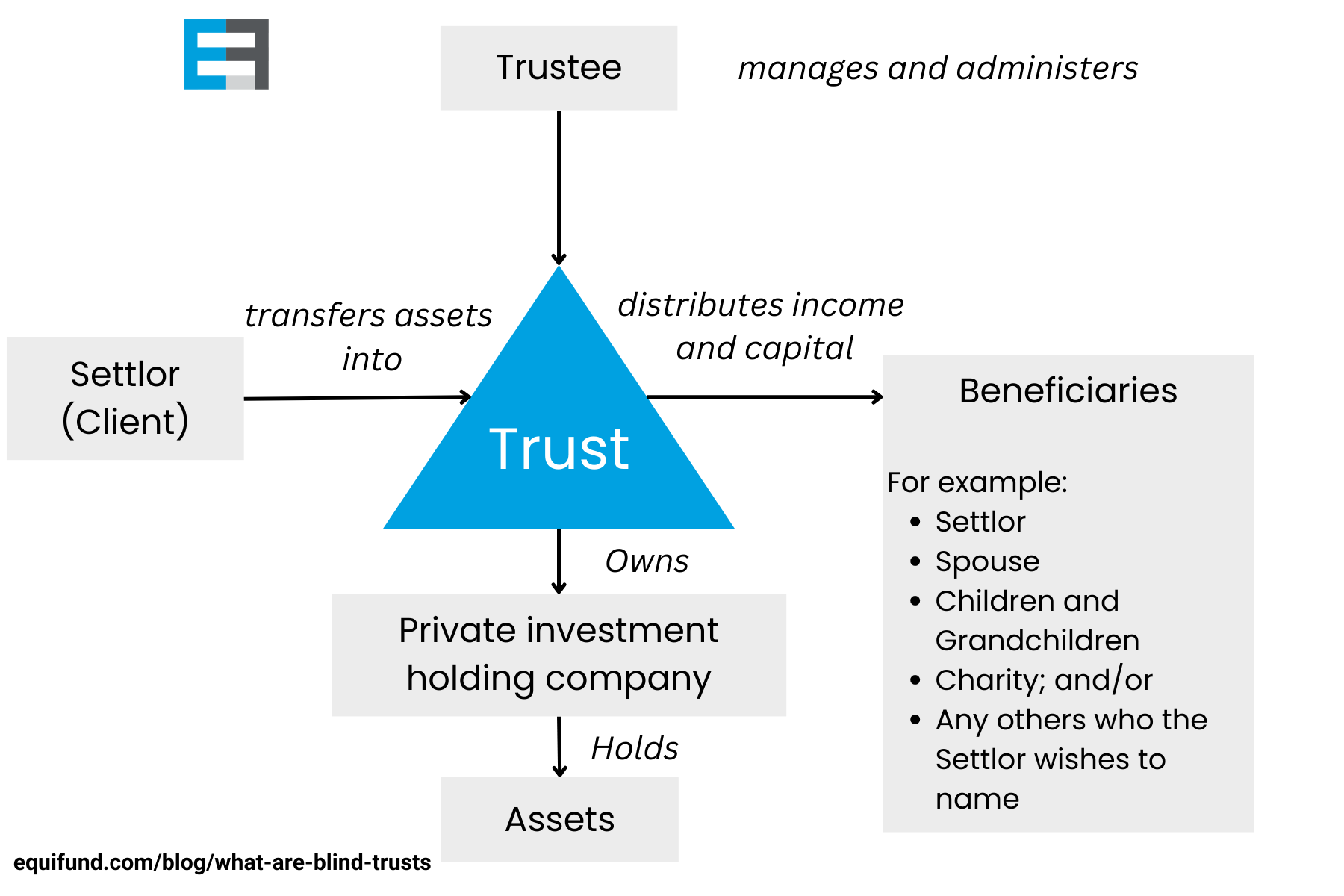
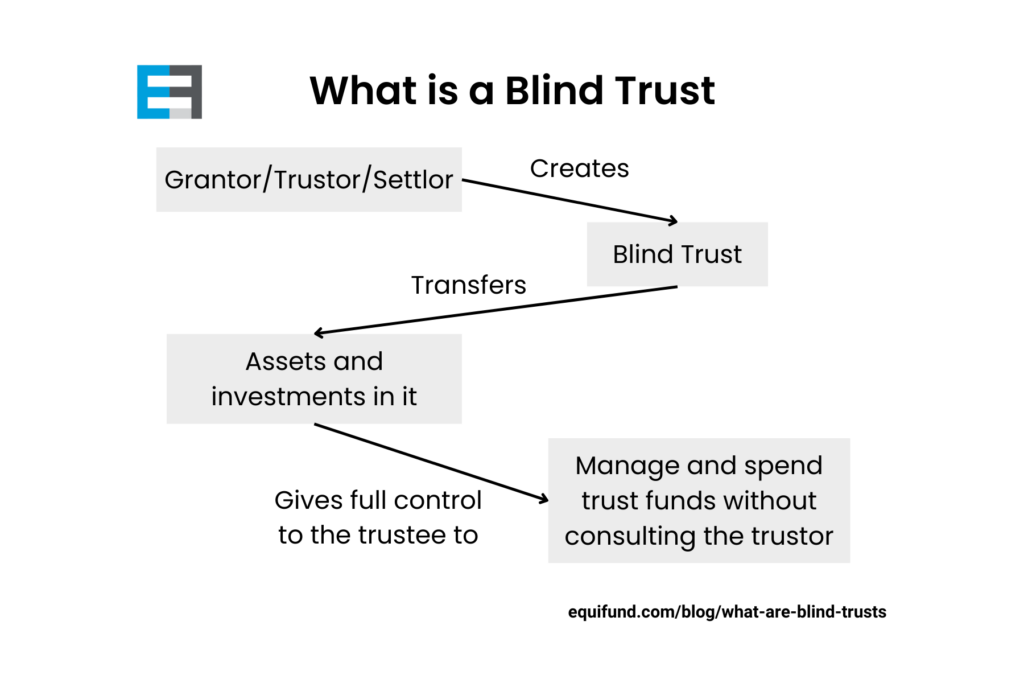
At its core, a blind trust is a legal arrangement where a trustor (the person who creates the trust) grants full control of their assets to an independent trustee. The defining characteristic of this arrangement—the “blind” aspect—is that the trustor has no knowledge of how the assets are being managed, traded, or reinvested once they are placed into the trust.
Definition and Core Mechanics
In a typical investment scenario, an individual remains the captain of their financial ship. They decide when to buy tech stocks, when to sell real estate, and how to diversify their portfolio. In a blind trust, however, the trustor hands over the keys to a qualified third party. Once the initial assets are transferred, the trustee has the sole discretion to sell those assets and replace them with new investments.
Crucially, the trustee is prohibited from communicating with the trustor about the specific holdings within the portfolio. The trustor receives periodic reports on the total value of the trust for tax and accounting purposes, but these reports do not disclose which specific companies, funds, or properties the trust currently owns. This separation creates a “firewall” between the individual’s private wealth and their external duties.
The Role of the Independent Trustee
The integrity of a blind trust hinges entirely on the independence of the trustee. To qualify as a truly blind trust—especially under regulatory or governmental scrutiny—the trustee cannot be a family member, a close business associate, or a personal friend. Typically, professional fiduciaries, such as institutional wealth management firms, private banks, or specialized law firms, fulfill this role.
The trustee’s fiduciary duty is to manage the assets in the best interest of the trustor while strictly adhering to the “blind” protocols. They must navigate market volatility and seek growth or preservation according to a pre-defined investment policy statement, all while operating in a vacuum of communication with the beneficiary.
Why Investors and Public Figures Use Blind Trusts
The primary motivation for establishing a blind trust is rarely just about financial returns; it is about reputation management and ethical safeguarding. For individuals in positions of power, even the appearance of a conflict of interest can be professionally or legally devastating.
Eliminating Conflicts of Interest
The most common use of a blind trust is to prevent “insider” influence. For example, if a government official oversees the regulation of the energy sector, owning significant shares in an oil company could lead to accusations that their policy decisions are motivated by a desire to see their stock price rise. By placing their assets in a blind trust, the official can truthfully state that they do not know if they own energy stocks or not. If they don’t know what they own, they cannot intentionally craft policy to benefit their specific portfolio.
Maintaining Privacy in High-Net-Worth Portfolio Management
Beyond ethics, blind trusts offer a layer of extreme financial privacy. High-net-worth individuals often find themselves under a microscope. By utilizing a blind trust, an investor can prevent the public or competitors from tracking their every financial move. This is particularly valuable for corporate executives who may want to diversify their holdings away from their own company’s stock without triggering market panic or signaling a lack of confidence in their firm.
Legal Compliance for Corporate Executives and Politicians
In many jurisdictions, blind trusts are not just a choice; they are a recommended or required path for compliance with ethics laws. The Ethics in Government Act in the United States, for instance, provides specific frameworks for “Qualified Blind Trusts.” For corporate leaders, using such a mechanism can provide a “safe harbor” against allegations of insider trading under SEC regulations. It allows for the liquidation of concentrated positions over time through a neutral third party, rather than through direct, timed trades by the executive.
The Structure and Legal Requirements
Setting up a blind trust is a rigorous legal process that requires precise drafting to ensure it meets both financial goals and ethical standards. It is not a “set it and forget it” tool, but rather a structured legal entity.
Revocable vs. Irrevocable Blind Trusts
Most blind trusts are structured as irrevocable for the duration of the trustor’s tenure in a specific role. An irrevocable trust cannot be easily modified or terminated by the trustor, which adds a layer of credibility to the claim that the owner has truly relinquished control. However, some arrangements allow the trust to become revocable once the individual leaves the position that necessitated the trust in the first place, allowing them to regain transparency and control over their remaining wealth.
The “Wall of Silence”: Communication Constraints
The legal documents governing a blind trust must explicitly forbid certain types of communication. The trustor may provide the trustee with general investment goals—such as “long-term capital appreciation” or “low-risk income generation”—at the inception of the trust. However, once the assets are transferred, the trustor cannot suggest specific trades or inquire about the status of a particular asset. Any breach of this “wall” can invalidate the trust’s status and expose the individual to the very conflicts they were trying to avoid.
Pros and Cons: Is a Blind Trust Right for Your Financial Strategy?
While blind trusts offer significant protection, they are not suitable for every investor. The decision to go “blind” involves weighing peace of mind against the loss of autonomy.
The Benefits of Hands-Off Management
The most significant advantage is the total removal of the burden of management. For a busy CEO or a high-ranking politician, the day-to-day fluctuations of the stock market can be a distraction. Entrusting a professional with these decisions ensures that the portfolio is managed with professional discipline, free from the emotional biases or the “noise” of the trustor’s daily life. Furthermore, it provides an unassailable ethical shield that can protect one’s legacy and career.
Potential Drawbacks: Costs and Lack of Control
The primary downside is the loss of agency. If a trustee makes a series of poor investment decisions, the trustor may not realize the extent of the damage until it is reflected in the total value reports, at which point it might be too late to pivot. Additionally, blind trusts are expensive to maintain. The fees for professional trustees, legal compliance, and independent auditing can be substantial, often making them impractical for portfolios under several million dollars.
Moreover, there is the “capital gains” problem. To truly make a trust blind, a trustee will often sell the original assets (the ones the trustor knows about) and buy new ones. This mass liquidation can trigger significant capital gains tax liabilities in the first year of the trust’s operation.
How to Establish a Blind Trust
If the benefits outweigh the costs, the process of establishing a blind trust requires a team of financial and legal experts. It is a meticulous process that leaves no room for ambiguity.
Selecting a Qualified Trustee
The choice of trustee is the most critical decision in the process. You are essentially handing over your financial future to this entity. It is vital to select a firm with a proven track record in fiduciary management and specific experience with the compliance requirements of blind trusts. They must have the institutional infrastructure to maintain the necessary secrecy and the investment expertise to manage the assets effectively.
Drafting the Trust Agreement
The trust agreement must be drafted by specialized legal counsel. This document will outline the scope of the trustee’s power, the general investment guidelines, the reporting schedule (usually quarterly or annually), and the conditions under which the trust will be dissolved. If the trust is being created to satisfy government ethics requirements, the document must often be reviewed and approved by an ethics office or a regulatory body to ensure it meets all statutory criteria.
In conclusion, a blind trust is a powerful tool for those who operate at the pinnacle of business and governance. By prioritizing ethical clarity over direct control, individuals can navigate their professional responsibilities with the assurance that their personal wealth is being managed independently. While it requires a significant sacrifice of transparency and carries high administrative costs, the “blind trust” remains an essential instrument for maintaining public confidence and personal integrity in the world of high finance.
aViewFromTheCave is a participant in the Amazon Services LLC Associates Program, an affiliate advertising program designed to provide a means for sites to earn advertising fees by advertising and linking to Amazon.com. Amazon, the Amazon logo, AmazonSupply, and the AmazonSupply logo are trademarks of Amazon.com, Inc. or its affiliates. As an Amazon Associate we earn affiliate commissions from qualifying purchases.