
Blaxploitation, a portmanteau of “Black” and “exploitation,” refers to a distinct genre of films that emerged in the United States in the early 1970s. Far more than just a series of movies, blaxploitation was a potent cultural phenomenon, a commercial enterprise, and a complex brand that redefined Black representation in cinema, albeit with significant controversy. Born from a unique confluence of social shifts, economic imperatives, and cinematic experimentation, this genre offered Black audiences a reflection of themselves, even if often distorted, while simultaneously carving out a highly profitable niche within the film industry. Understanding blaxploitation requires examining it not only as a film movement but as a carefully constructed and marketed brand identity that left an indelible mark on Hollywood, pop culture, and the ongoing dialogue surrounding race, power, and representation.

The Emergence of a Niche Brand Identity
The rise of blaxploitation was no accident; it was a strategic response to an underserved market and a cultural moment ripe for change. By the late 1960s and early 1970s, the Civil Rights Movement had empowered Black communities, fostering a growing demand for media that genuinely reflected their experiences and aspirations, rather than the often subservient or stereotypical roles previously relegated to Black actors. Hollywood, ever-sensitive to the bottom line, recognized this void and saw an opportunity to tap into a substantial, previously ignored consumer base.
Identifying the Market Gap: A New Audience, A New Demand
Before blaxploitation, mainstream cinema largely ignored or misrepresented Black audiences. Roles for Black actors were scarce, often secondary, and frequently adhered to outdated tropes. However, the burgeoning Black consciousness and economic power post-Civil Rights created a demographic hungry for heroes, narratives, and images that resonated with their reality. This wasn’t merely a desire for representation; it was a demand for agency and visibility. Studios like MGM, Warner Bros., and American International Pictures (AIP) began to perceive this overlooked segment as a viable and potentially lucrative market. They understood that by creating content specifically tailored to this audience, they could generate significant returns on relatively low-cost productions. This strategic pivot marked the initial phase of crafting the blaxploitation brand – a brand built on the premise of delivering entertainment directly to a community that felt marginalized by mainstream offerings.
Crafting a Distinct Aesthetic and Narrative Brand
Once the market gap was identified, the next step was to define the brand identity of blaxploitation itself. This involved developing a unique aesthetic and narrative framework that would instantly differentiate these films. Visually, blaxploitation films often featured vibrant, urban settings, flashy costumes, and a gritty, street-level realism that contrasted sharply with the polished glamour of traditional Hollywood. The musical brand was equally crucial; funk and soul soundtracks, often performed by iconic Black artists like Isaac Hayes (“Shaft”) and Curtis Mayfield (“Super Fly”), became synonymous with the genre, not just as background music but as integral components of the films’ identities and commercial appeal.
Narratively, the brand diverged significantly. Blaxploitation protagonists were predominantly Black, often anti-heroes or vigilantes operating outside the established system. They were drug dealers, pimps, detectives, and martial arts experts – figures of power and resistance, even if morally ambiguous. This was a radical departure from past portrayals, offering a sense of empowerment through characters who were strong, independent, and capable of taking control of their own destinies, even if those destinies were fraught with violence and crime. This distinct set of visual, auditory, and narrative elements coalesced to form a recognizable and highly marketable brand.
Marketing and Corporate Strategy: Selling the Blaxploitation Brand
The success of blaxploitation wasn’t just about making films; it was fundamentally about effective marketing and a shrewd corporate strategy to sell a new brand of entertainment to its target demographic. Studios recognized that conventional advertising wouldn’t suffice; they needed to connect directly with the cultural pulse of their intended audience.
Targeting Demographics and Promotional Tactics
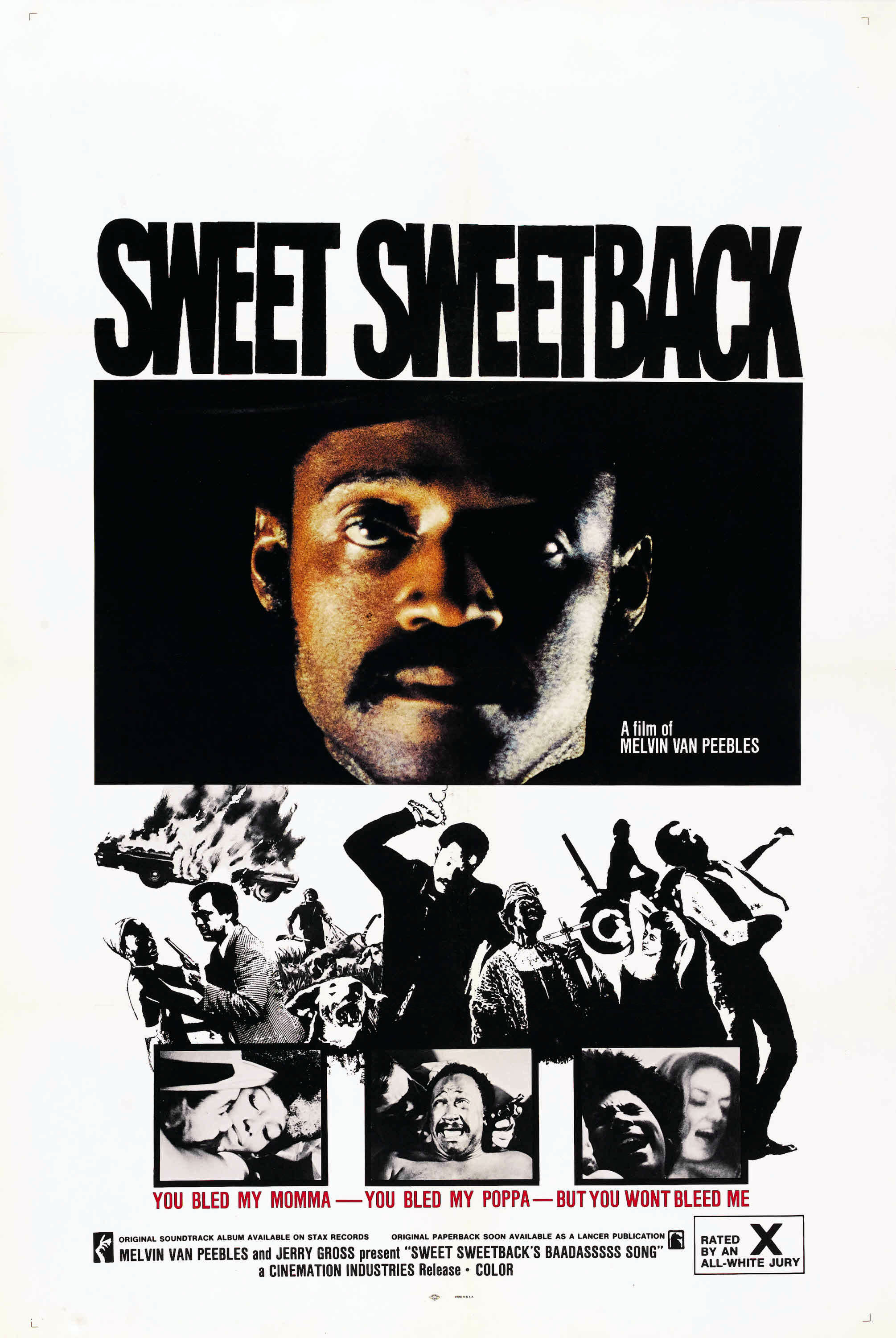
The marketing strategy for blaxploitation films was intensely focused on their urban Black audience. Promotional materials, particularly movie posters, were designed to be bold, dynamic, and instantly recognizable. They prominently featured Black actors in powerful, often confrontational poses, showcasing the action, sex appeal, and rebellious spirit of the films. Taglines were punchy and direct, promising excitement, revenge, and a celebration of Black power. Advertising was placed strategically in Black-owned newspapers, radio stations, and within urban communities. Word-of-mouth played a pivotal role, with audiences eager to share their experiences of seeing themselves reflected on screen in ways previously unseen.
Beyond traditional advertising, the films themselves became cultural touchstones, with their distinctive music, fashion, and slang becoming part of a broader cultural conversation. The brand was not just sold through advertisements; it was embedded in the very fabric of urban Black culture, creating a strong sense of ownership and loyalty among its consumers. This targeted approach bypassed mainstream critics who often dismissed the genre, proving that a direct connection with the demographic was paramount to the brand’s commercial triumph.
The Business Model: Low Budget, High Return
From a corporate strategy perspective, blaxploitation films were a masterclass in maximizing profit from minimal investment. Most blaxploitation movies were produced on relatively low budgets, often between $100,000 and $500,000. This lean production model allowed studios to take greater risks and achieve significant returns even with moderate box office success. The films often featured emerging Black talent, who, while capable, commanded lower salaries than established stars, further keeping production costs down.
This low-budget, high-return business model was crucial to the proliferation of the blaxploitation brand. If a film like “Shaft” (1971), made for around $500,000, grossed over $12 million, it signaled a clear path to profitability. This demonstrated that there was a viable commercial market for Black-centered narratives, directly influencing corporate decisions to greenlight more such projects. The rapid turnaround time for production also meant studios could capitalize quickly on trends and audience appetites, sustaining the genre’s momentum for several years. This economic underpinning reinforced blaxploitation as a successful brand strategy for Hollywood.

Personal Branding and Iconography: The Faces of Blaxploitation
A powerful brand needs recognizable faces, and blaxploitation cultivated a pantheon of stars whose personal brands became synonymous with the genre itself. These actors, often denied leading roles in mainstream Hollywood, found their niche and built iconic careers within blaxploitation, solidifying the genre’s cultural impact and commercial appeal.
Stars as Brand Ambassadors
Actors like Pam Grier, Richard Roundtree, Fred Williamson, and Tamara Dobson became the quintessential brand ambassadors for blaxploitation. Pam Grier, starring in films like “Coffy” (1973) and “Foxy Brown” (1974), redefined the action heroine with her fierce independence, intelligence, and physical prowess. She projected an image of powerful Black womanhood that was unprecedented in cinema, forging a personal brand synonymous with strength and retribution. Richard Roundtree became the epitome of cool as John Shaft, the slick, street-smart private detective whose iconic leather coat and confident swagger made him an instant cultural touchstone. Fred Williamson, a former NFL star, brought a tough, no-nonsense masculinity to roles in films like “Black Caesar” (1973).
These actors weren’t just playing characters; they were embodying the very spirit of the blaxploitation brand – autonomy, defiance, and a rejection of traditional power structures. Their distinct styles, attitudes, and performances created an immediate connection with audiences, solidifying their status as genre icons and giving the brand a tangible, human face.
Iconic Characters and Their Lasting Brand Impact
Beyond the actors themselves, the characters they portrayed developed their own lasting brand impact. John Shaft, Foxy Brown, Super Fly, and Cleopatra Jones transcended the confines of their individual films to become cultural archetypes. These characters were aspirational for many within the Black community, representing figures who navigated and often triumphed over systemic oppression, even if through morally ambiguous means. Shaft’s theme song, Foxy Brown’s take-no-prisoners attitude, and Super Fly’s sharp style became part of the cultural lexicon.
These characters’ brand identities were so strong that they spawned sequels, imitators, and an enduring legacy in popular culture. They proved that Black heroes and anti-heroes could captivate audiences and drive commercial success, fundamentally altering perceptions of who could lead a blockbuster film. Their iconography continues to resonate, influencing subsequent generations of filmmakers, musicians, and artists, testifying to the powerful and lasting brand these characters established.
The Evolving Brand Legacy and Critical Reception
The blaxploitation brand is undeniably complex, marked by both celebration and condemnation. Its legacy continues to be debated, reflecting a duality that encapsulates both empowerment and the perpetuation of stereotypes. This nuanced reception is integral to understanding the full scope of blaxploitation’s brand story.
Brand Empowerment vs. Brand Stereotype
On one hand, blaxploitation represented a significant step forward in brand empowerment for Black audiences and creatives. It provided Black actors with leading roles, Black directors and screenwriters with opportunities, and Black musicians with platforms. It presented characters who were assertive, stylish, and in control, offering a powerful counter-narrative to decades of marginalized portrayals. For many, seeing strong Black protagonists fighting “the man” or navigating complex urban landscapes was empowering and validating. It allowed audiences to see themselves as heroes, even flawed ones.
However, this empowerment was often tempered by the genre’s reliance on familiar, often problematic, brand stereotypes. Critics, including prominent civil rights organizations like the NAACP and the Congress of Racial Equality (CORE), decried the films for often glorifying violence, drug dealing, prostitution, and criminality. They argued that while the heroes were Black, the narratives often reinforced negative images of Black communities, reducing complex social issues to sensationalized entertainment. This tension between celebrating Black agency and critiquing the narrow, often exploitative, framing of that agency remains a central paradox of the blaxploitation brand.
Enduring Influence and Rebranding in Popular Culture
Despite the controversies, the blaxploitation brand has proven remarkably resilient and influential. Its aesthetic, narrative tropes, and musical stylings have been reinterpreted and celebrated across various forms of popular culture. Directors like Quentin Tarantino have openly acknowledged blaxploitation as a major influence, paying homage to its style, characters, and actors (most notably Pam Grier in “Jackie Brown”). The genre’s distinctive funk and soul soundtracks have been heavily sampled in hip-hop, ensuring its musical legacy lives on. Fashion designers and artists have also drawn inspiration from the bold, unapologetic style of blaxploitation characters.
In this sense, blaxploitation has undergone a form of cultural rebranding. While the original films faced criticism for their potentially detrimental stereotypes, contemporary reinterpretations often celebrate their defiant spirit, unique aesthetics, and pioneering representation of Black power on screen. This ongoing dialogue ensures that the brand of blaxploitation, in all its complexity, remains a relevant and potent force in discussions about race, media, and cultural identity. It stands as a testament to the power of a distinct brand to ignite a cultural conversation, even decades after its initial emergence.
In conclusion, blaxploitation was far more than just a passing cinematic trend. It was a powerfully marketed and strategically developed brand that filled a significant void in the entertainment landscape. From its distinct aesthetic and narrative identity to its shrewd corporate strategy and iconic stars, blaxploitation carved out a unique space in film history. While its legacy is debated due to its dual impact of empowerment and stereotype, its enduring influence on cinema, music, and fashion confirms its status as a multifaceted brand that continues to shape and inform popular culture.
aViewFromTheCave is a participant in the Amazon Services LLC Associates Program, an affiliate advertising program designed to provide a means for sites to earn advertising fees by advertising and linking to Amazon.com. Amazon, the Amazon logo, AmazonSupply, and the AmazonSupply logo are trademarks of Amazon.com, Inc. or its affiliates. As an Amazon Associate we earn affiliate commissions from qualifying purchases.