
The evocative scent and taste of blackcurrant are instantly recognizable to many, a complex symphony of tartness, sweetness, and an almost earthy, herbaceous undertone. But what exactly is blackcurrant flavor? While its origins are rooted in the natural world, understanding and replicating this distinctive profile involves a fascinating interplay of chemistry, sensory perception, and even a touch of marketing savvy. For those in the business of creating compelling products, whether it’s a new beverage, a sophisticated fragrance, or a digital experience, appreciating the nuances of flavor is paramount.
This exploration delves into the multifaceted nature of blackcurrant flavor, examining its chemical underpinnings, how our senses interpret it, and how this understanding can be leveraged within the realms of technology, branding, and even finance. We’ll uncover how the science behind a simple berry can inform broader strategies in innovation and consumer engagement.
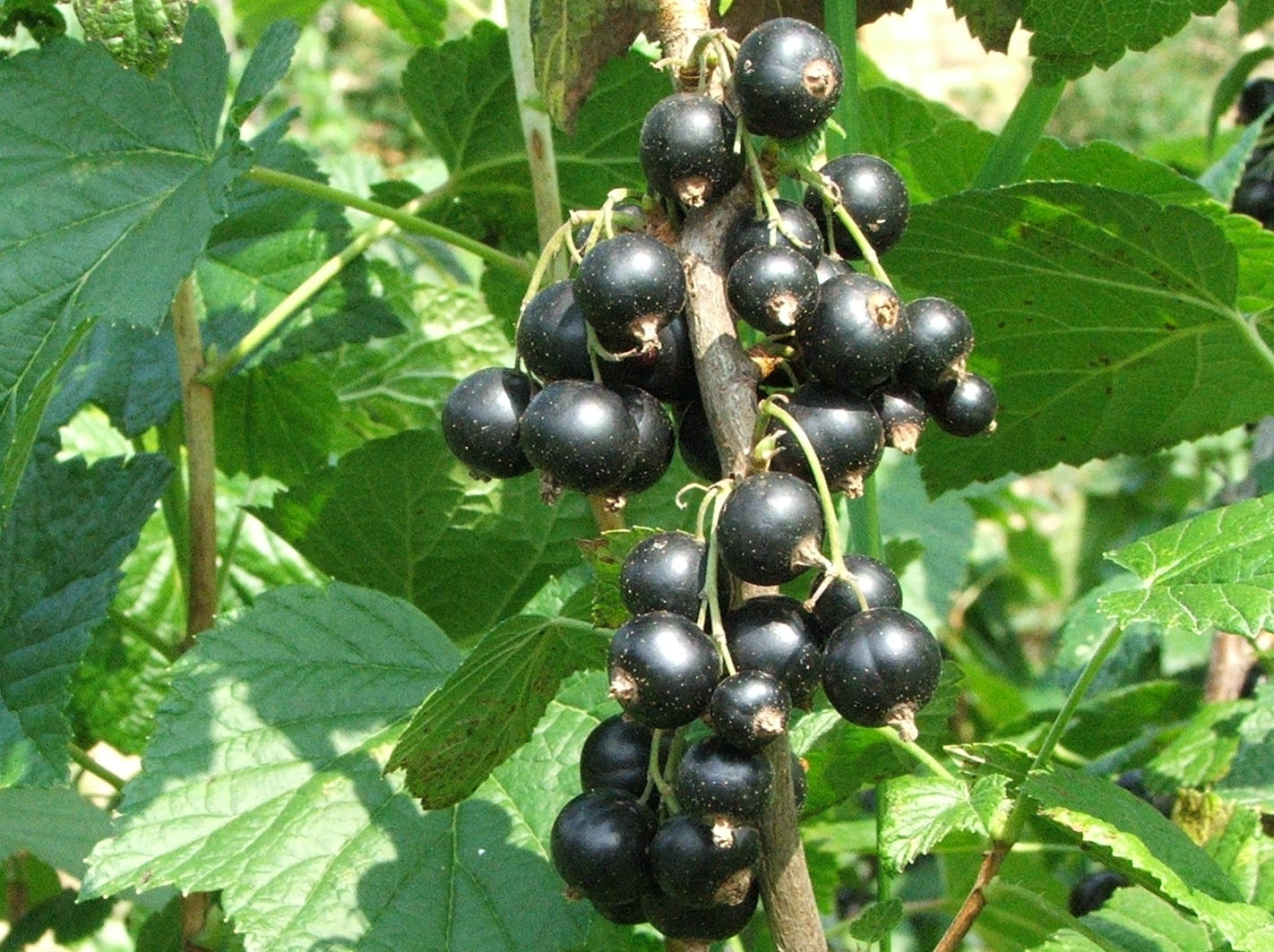
The Chemical Symphony: Unpacking the Blackcurrant Profile
At its core, flavor is a chemical phenomenon. The distinct taste and aroma of blackcurrant are not the result of a single molecule, but rather a complex blend of volatile organic compounds. Understanding these components is the first step to truly grasping what makes blackcurrant, blackcurrant.
The Volatile Symphony: Key Aroma Compounds
The characteristic aroma of blackcurrant is largely attributed to a group of compounds known as norisoprenoids. These are oxygenated derivatives of carotenoids, pigments found in plants. In blackcurrants, several norisoprenoids play significant roles:
- 3-oxo-α-ionol and 3-hydroxy-α-ionol: These are potent aroma contributors, lending a characteristic “blackcurranty” note, often described as slightly floral, woody, or even reminiscent of wine.
- β-damascenone: This compound is a powerhouse of aroma, present in very low concentrations but with an incredibly low odor threshold. It contributes intensely fruity, rose-like, and sometimes even tobacco-like notes.
- Rotundone: While more famously associated with black pepper, rotundone is also found in blackcurrants and contributes to their peppery, herbaceous, and slightly spicy character.
Beyond norisoprenoids, other compounds contribute to the overall olfactory experience:
- Esters: These are common in fruits and contribute sweet, fruity notes. While not as defining as the norisoprenoids, they add to the overall complexity and sweetness of blackcurrant aroma.
- Alcohols and Aldehydes: These can contribute a range of fruity and green notes, adding freshness and a sense of ripeness to the profile.
The precise balance and concentration of these volatile compounds can vary significantly depending on factors like the specific blackcurrant cultivar, growing conditions, ripeness, and processing methods. This variability is precisely what makes the flavor so intriguing and challenging to perfectly replicate.
The Taste Trio: Sweetness, Acidity, and Bitterness
While aroma contributes significantly to our perception of flavor, the taste receptors on our tongue also play a crucial role. Blackcurrants are known for their unique balance of:
- Acidity: High levels of malic acid and citric acid contribute to the characteristic tartness of blackcurrants. This acidity is essential for their refreshing quality and also plays a role in balancing the sweetness.
- Sweetness: Sugars, primarily sucrose, glucose, and fructose, provide the inherent sweetness. However, the tartness of blackcurrants often masks their true sugar content, leading to a perception of less sweetness than in other berries.
- Bitterness and Astringency: The presence of tannins, particularly anthocyanins (which also give blackcurrants their deep color), contributes to a mild bitterness and astringency. This adds a layer of complexity and depth, preventing the flavor from becoming overly simple or cloying.
This interplay of sweet, sour, and slightly bitter/astringent components is what gives blackcurrant its distinctive “zing” and makes it so versatile in various applications.
Sensory Perception: How We Experience Blackcurrant
Understanding the chemical compounds is only half the story. How our brains interpret these signals is equally critical. Flavor is not just about what’s in the fruit; it’s about our personal experiences, cultural backgrounds, and even our current physiological state.
The Aroma-Taste Connection: Where Science Meets Experience
The perceived flavor of blackcurrant is a synergistic effect of olfaction (smell) and gustation (taste). Our nasal passages detect volatile compounds, sending signals to the olfactory bulb, which then communicates with the brain’s gustatory cortex. This integration allows us to experience a complex flavor profile rather than just distinct tastes and smells.
- Retronasal Olfaction: When we chew and swallow, aromas are released from the food and travel up through the back of our throat to our nasal cavity. This “retronasal” pathway is crucial for experiencing the full richness of a flavor, including the nuanced notes of blackcurrant. The floral, woody, and peppery elements are particularly pronounced through this route.
- The “Blackcurranty” Essence: While individual aroma compounds can be identified, the unique “blackcurranty” essence is a gestalt – a whole that is greater than the sum of its parts. It’s the specific combination and interaction of these molecules that our brains recognize as belonging to blackcurrant.
Beyond the Basics: Factors Influencing Perception
Our individual perception of blackcurrant flavor can be influenced by a multitude of factors:
- Genetics: Some individuals may have a higher or lower sensitivity to specific aroma compounds, leading to slight variations in how they perceive the flavor.
- Experience and Memory: Our past experiences with blackcurrant-flavored products, or even with the berries themselves, shape our expectations and interpretations. A childhood memory of a blackcurrant jam might evoke a different response than someone encountering it for the first time in a sophisticated cocktail.
- Cultural Context: In some cultures, blackcurrant is a very common and beloved flavor, while in others, it might be more niche. This can influence its perceived desirability and the expectations associated with it.
- Context of Consumption: The way blackcurrant flavor is presented can significantly alter perception. Is it a standalone product, part of a blend, or an accent note? The accompanying flavors, textures, and even visual cues all play a role. For instance, the tartness of blackcurrant might be perceived as refreshing in a sorbet but might be an unwelcome surprise in a dessert intended to be purely sweet.
Leveraging Blackcurrant Flavor: Applications Across Industries
The distinctive and complex profile of blackcurrant flavor makes it a highly sought-after ingredient across various industries. Understanding its components and how it’s perceived allows for strategic application in product development, marketing, and even technological innovation.

The Power of Palate: Food and Beverage Innovation
In the food and beverage sector, blackcurrant flavor is a chameleon. Its tartness can cut through richness, its sweetness can add depth, and its complex aromatic profile can elevate simple ingredients.
- Beverages: From sparkling juices and artisanal sodas to liqueurs and craft beers, blackcurrant provides a vibrant and refreshing character. It pairs exceptionally well with other fruits, herbs, and even spices. In alcoholic beverages, its tartness can balance sweetness, making for more sophisticated and less cloying profiles.
- Confectionery: Blackcurrant candies, gummies, and chocolates offer a burst of tart-sweetness. The deep purple hue also contributes to its visual appeal, hinting at the intense flavor within.
- Dairy and Desserts: Blackcurrant jams, yogurts, ice creams, and sorbets are classic examples of its use. Its acidity helps to balance the richness of dairy and fat, creating a more palate-cleansing experience.
- Savory Applications: While less common, blackcurrant can be used in savory sauces, marinades, and glazes, particularly for game meats, where its acidity and fruitiness can complement rich flavors.
Beyond the Bite: Fragrance and Personal Care
The complex aroma of blackcurrant has also found a place in the world of perfumery and personal care products.
- Fragrances: Perfumers often use blackcurrant notes to add a vibrant, fruity, and slightly tart opening to a fragrance. It can lend a modern, energetic, and somewhat mysterious quality. It’s frequently blended with floral notes, citrus, or woody accords to create unique olfactory experiences. The herbaceous undertones can also add an intriguing natural dimension.
- Personal Care: In soaps, lotions, and body washes, blackcurrant scent provides a refreshing and uplifting aroma. Its association with natural ingredients and vibrant fruitiness makes it a popular choice for products aiming to evoke a sense of well-being and vitality.
The Digital Palate: Translating Sensory Experience
While blackcurrant flavor is a tangible sensory experience, the principles of understanding and leveraging complex profiles have parallels in the digital and technological spheres.
- AI and Flavor Prediction: Advanced AI tools are being developed to analyze the chemical composition of ingredients and predict their flavor profiles. By understanding the key volatile compounds and their interactions, AI can assist food scientists and flavorists in creating new and innovative flavors, or even in identifying novel applications for existing ones. This involves crunching vast datasets of chemical structures and sensory descriptions.
- Personalized Digital Experiences: Just as individuals have unique perceptions of blackcurrant flavor, users interact with technology in distinct ways. Understanding user preferences, behaviors, and even emotional responses is akin to understanding sensory perception. Brands can leverage this data to personalize digital interfaces, content delivery, and product recommendations. For example, an app might learn a user’s preference for tart, invigorating experiences and suggest content or features that align with this.
- Gamification and Sensory Engagement: Incorporating elements that stimulate sensory responses, even in a digital environment, can enhance user engagement. This could involve visually rich interfaces that evoke certain moods, sound design that mimics natural textures, or interactive elements that provide immediate feedback, akin to the satisfying tartness of a blackcurrant.
Building Brands with Berry Essence: Strategy and Identity
The distinctiveness of blackcurrant flavor provides a powerful foundation for branding. Its inherent characteristics can be translated into compelling brand narratives and identities.
Crafting a Distinctive Identity: From Fruit to Brand Equity
The unique selling proposition (USP) of blackcurrant flavor lies in its balance of tartness, sweetness, and complexity. This can inform brand strategy in several ways:
- Targeting the Adventurous Consumer: The slightly unusual and sophisticated nature of blackcurrant can appeal to consumers seeking something beyond the ordinary. Brands can position themselves as offering a more refined or adventurous choice.
- Evoking Natural Freshness and Vitality: The association with fruit and vibrant color naturally lends itself to brands emphasizing health, natural ingredients, and energetic lifestyles.
- Communicating Complexity and Depth: For brands aiming for a more premium or artisanal image, the intricate chemical profile of blackcurrant can be a metaphor for the meticulous craftsmanship and depth of their offerings.
Marketing the “Blackcurranty” Experience: Case Studies and Reputation
Effective marketing goes beyond simply stating a product contains blackcurrant. It’s about conveying the experience of that flavor.
- Sensory Marketing: Employing visuals that highlight the deep purple hue, using evocative language that describes the tartness and sweetness, and even incorporating ambient sounds in advertising can all contribute to a richer sensory marketing campaign.
- Storytelling: Brands can build narratives around the origins of the blackcurrant, the journey from farm to product, or the inspiration behind a specific flavor creation. This humanizes the product and creates an emotional connection with consumers.
- Reputation Management: Consistent quality and authentic representation of the blackcurrant flavor are crucial for building a positive brand reputation. Negative experiences with a poorly formulated or artificial blackcurrant flavor can quickly damage consumer trust. Brands that excel in delivering a true-to-nature, nuanced blackcurrant taste will foster loyalty and positive word-of-mouth.
The Bottom Line: Financial Value in Flavor
While the direct monetary value of a single blackcurrant might be small, the economic impact of its flavor is substantial. Understanding and effectively utilizing this sensory asset can lead to significant financial returns.
Monetizing the Palate: Online Income and Side Hustles
The demand for unique and high-quality flavor profiles translates into numerous opportunities for generating income.
- Flavor Creation and Consultancy: Skilled flavorists, armed with knowledge of compounds like norisoprenoids and esters, can work for large corporations or offer freelance services to smaller businesses looking to develop unique products. This requires a deep understanding of chemistry and sensory science, but the market for innovative flavors is robust.
- Specialty Food Product Development: Entrepreneurs can create and sell niche blackcurrant-flavored products online – artisanal jams, bespoke beverages, or even flavored extracts for home bakers. Platforms like Etsy or dedicated e-commerce sites allow for direct access to a global market.
- Content Creation and Education: For those with a passion for food science and flavor, creating online courses, e-books, or blog content explaining the intricacies of flavors like blackcurrant can be a lucrative side hustle or even a full-time business. This appeals to both aspiring chefs and curious consumers.

Business Finance: The Cost and Value of Flavor Innovation
For larger businesses, investing in flavor research and development is a strategic financial decision.
- R&D Investment: Companies that invest in understanding and replicating complex flavors like blackcurrant can gain a significant competitive advantage. This involves investment in analytical equipment, skilled personnel, and extensive consumer testing.
- Product Differentiation: A truly unique and appealing blackcurrant flavor can differentiate a product from its competitors, justifying a premium price point and leading to higher profit margins. It’s not just about selling a product; it’s about selling an experience.
- Supply Chain Optimization: Understanding the factors that influence blackcurrant flavor, such as growing conditions and harvesting times, can also inform supply chain decisions, ensuring consistent quality and managing costs effectively.
In conclusion, “blackcurrant flavor” is far more than just the taste of a berry. It’s a sophisticated interplay of chemistry, sensory perception, and strategic application. From the volatile compounds that dance on our olfactory senses to the brands that leverage its unique character, and the financial opportunities it presents, the world of blackcurrant flavor offers a rich tapestry of insights applicable across technology, branding, and finance. Understanding these intricate connections allows us to appreciate not just the taste, but the profound value and potential inherent in this captivating fruit.
aViewFromTheCave is a participant in the Amazon Services LLC Associates Program, an affiliate advertising program designed to provide a means for sites to earn advertising fees by advertising and linking to Amazon.com. Amazon, the Amazon logo, AmazonSupply, and the AmazonSupply logo are trademarks of Amazon.com, Inc. or its affiliates. As an Amazon Associate we earn affiliate commissions from qualifying purchases.