
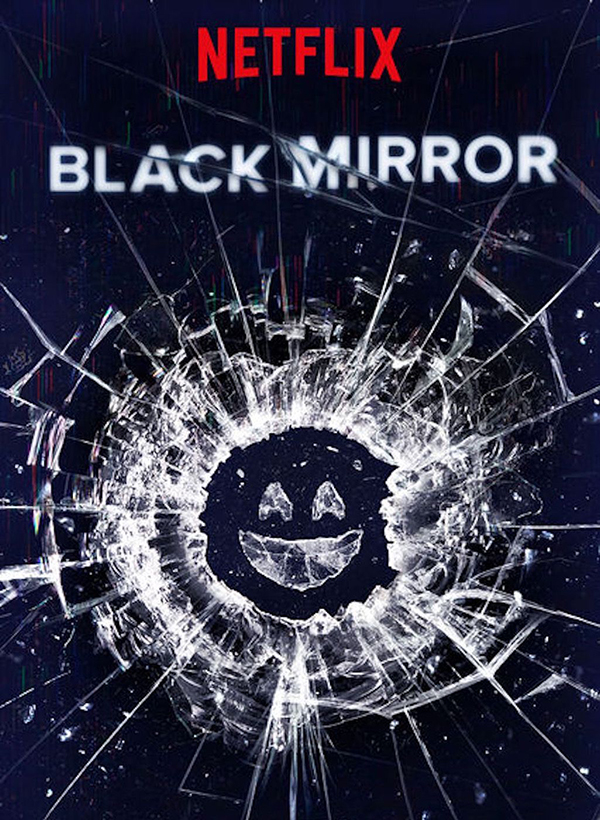
Since its debut and subsequent acquisition by Netflix, Black Mirror has transcended the boundaries of a standard science-fiction anthology to become a cultural shorthand for the anxieties of the digital age. The title itself refers to the cold, dark reflection of a smartphone, tablet, or television screen when it is turned off—a literal “black mirror” that stares back at the user. However, the show’s deeper significance lies in its exploration of technology trends, software ethics, and the potential for digital tools to reshape the human experience in ways we are not yet prepared to handle.

By examining the series through a technological lens, we can see it as a speculative roadmap of where our current advancements in AI, neural interfaces, and surveillance might lead. It is not just a show about “bad tech”; it is a sophisticated critique of how humanity interacts with its own inventions.
The Intersection of Fiction and Reality: The Evolution of Speculative Tech
Black Mirror functions as a laboratory for speculative technology. Unlike traditional sci-fi that relies on faster-than-light travel or alien invasions, this series focuses on “five minutes into the future” tech—innovations that feel like they are currently in beta testing.
The Philosophy of Speculative Tech
The core of Black Mirror is the exploration of the “unintended consequence.” In the tech industry, developers often launch software with a “move fast and break things” mentality. The show serves as a narrative cautionary tale for this ethos. It asks: what happens when a tool designed for connection is used for isolation? What happens when a tool designed for justice is used for vengeance? By pushing modern trends like the Internet of Things (IoT) and ubiquitous connectivity to their logical extremes, the show challenges us to look beyond the user interface and consider the underlying societal impact.
How Netflix Revitalized the Sci-Fi Anthology
When Netflix took over the production of Black Mirror, the scale of its technological world-building expanded significantly. With a larger budget and a global platform, the show began to explore more complex software ecosystems. Episodes like “Bandersnatch” even utilized Netflix’s own streaming technology to create an interactive “choose-your-own-adventure” experience, blurring the line between the viewer and the software. This move turned the platform itself into a piece of the narrative, demonstrating the power of algorithmic storytelling and personalized media delivery.
Artificial Intelligence and the Consciousness Dilemma
Artificial Intelligence is perhaps the most recurring theme in the series, mirroring the real-world explosion of Large Language Models (LLMs) and generative AI. Black Mirror delves into the ethics of “digital consciousness”—the idea that software could one day mimic or even host a human personality.
From Large Language Models to Digital Twins
In the episode “Be Right Back,” a grieving woman uses a service that scrapes a deceased person’s social media, emails, and messages to create a chatbot that sounds exactly like them. Today, we see the early stages of this with “deadbots” and AI tools designed to replicate the writing styles of historical figures or lost loved ones. The technological trend here is the “Digital Twin”—a virtual model that mirrors a physical entity. While industry uses digital twins for urban planning or engine maintenance, Black Mirror warns of the psychological toll when we apply this technology to the human soul.
The Ethical Risks of Re-creating the Dead
The software behind these AI recreations relies on massive datasets. This raises a critical question in digital security and ethics: who owns your data after you die? If an AI can perfectly simulate your voice and logic based on your digital footprint, the potential for identity theft and emotional manipulation is staggering. The show highlights that while the AI tool itself might be neutral, the human need for closure can lead to a dangerous dependency on a simulated reality, eventually eroding the value of authentic human interaction.
Surveillance Capitalism and the Social Credit Nightmare
The digital economy is built on data, and Black Mirror frequently explores how the gamification of social interactions can lead to a dystopian surveillance state. This is most famously depicted in the episode “Nosedive,” where every social interaction is rated on a five-star scale, and these ratings determine a person’s socio-economic status.
Gamification of Social Interaction
We already live in a world of Uber ratings, LinkedIn endorsements, and Instagram “likes.” These are not just vanity metrics; they are the foundation of modern reputation management software. In “Nosedive,” the tech is an integrated augmented reality (AR) app that allows users to see each other’s scores in real-time. This represents the ultimate convergence of social media and credit scoring. When software dictates your ability to rent an apartment, access healthcare, or travel, the “user experience” becomes a matter of survival.
Data Privacy and the Erosion of Anonymity
The technological infrastructure required for such a system involves constant surveillance and real-time data processing. This reflects the real-world trend of “Surveillance Capitalism,” where personal data is the primary commodity. As we integrate more gadgets—smart glasses, wearables, and IoT sensors—into our lives, our “anonymity” becomes a relic of the past. Black Mirror illustrates that when digital security is sacrificed for convenience or social standing, the individual loses the right to a private life, creating a society of performance rather than existence.
Neurotechnology and the Future of Human Connection
Perhaps the most haunting episodes of Black Mirror are those that involve Direct Neural Interfaces (DNI) or Brain-Computer Interfaces (BCI). This tech allows software to interact directly with the human brain, bypassing screens and keyboards entirely.
Brain-Computer Interfaces (BCI)
Current tech leaders like Elon Musk with Neuralink are already working on high-bandwidth BCI to treat neurological conditions. However, Black Mirror looks at the consumer-grade applications of such hardware. In “The Entire History of You,” characters have a “Grain” implanted behind their ear that records everything they see and hear, allowing them to “re-do” memories on a screen. This is the logical evolution of the wearable tech trend. While the hardware seems revolutionary, the software—the ability to pause, rewind, and zoom in on your own life—proves to be a destructive tool for the human psyche.
The Fragility of Memory and Recorded Experience
When our memories are stored as digital files, they become subject to the same vulnerabilities as any other data: hacking, corruption, and manipulation. The show highlights a terrifying tech reality: if our internal experiences can be digitized, they can be controlled. “San Junipero” offers a more optimistic view, where the elderly can upload their consciousness into a cloud-based virtual reality. Yet, even this raises questions about server maintenance, digital eternity, and the “Terms of Service” of the afterlife. It forces us to ask: if your consciousness exists on a corporate server, do you still have free will, or are you merely a line of code in a proprietary simulation?

Conclusion: Navigating a Black Mirror World
What Black Mirror is ultimately “about” on Netflix is the mirror it holds up to our rapid technological progress. It is not an anti-tech manifesto, but rather a sophisticated analysis of the digital tools we are currently building. From AI-driven chatbots and social credit apps to neural implants and immersive VR, the series maps the potential pitfalls of the software and gadgets that define our era.
As we move forward, the lessons of the series are clear:
- Ethics Must Precede Innovation: Software should not be released without a deep dive into its potential for abuse.
- Digital Security is Personal Security: As our lives become more integrated with tech, our data becomes our identity.
- Humanity Over Hardware: Technology should serve the human experience, not dictate it.
By watching Black Mirror through a tech-centric lens, we can better understand the responsibilities that come with our digital tools. We are the architects of the “black mirrors” in our pockets; it is up to us to ensure that the reflection we see is one of progress and empowerment, rather than a dark reflection of our own worst impulses. In the age of AI and hyper-connectivity, the most important “update” we can install is a robust sense of technological literacy and ethical caution.
aViewFromTheCave is a participant in the Amazon Services LLC Associates Program, an affiliate advertising program designed to provide a means for sites to earn advertising fees by advertising and linking to Amazon.com. Amazon, the Amazon logo, AmazonSupply, and the AmazonSupply logo are trademarks of Amazon.com, Inc. or its affiliates. As an Amazon Associate we earn affiliate commissions from qualifying purchases.