
Black Hills Gold jewelry represents a unique intersection of American craftsmanship, regional heritage, and a distinct aesthetic tradition that has endured for over a century. Unlike mass-produced modern jewelry, authentic Black Hills Gold is defined by a specific set of visual characteristics and strict geographical origins. For the discerning investor or the avid collector, understanding the distinction between generic gold and this iconic, tri-colored regional art form is essential. By examining the brand strategy, the craftsmanship involved, and the market positioning of this jewelry, we can better understand why it remains a durable niche within the broader luxury and accessory market.
The Origins and Corporate Identity of Black Hills Gold
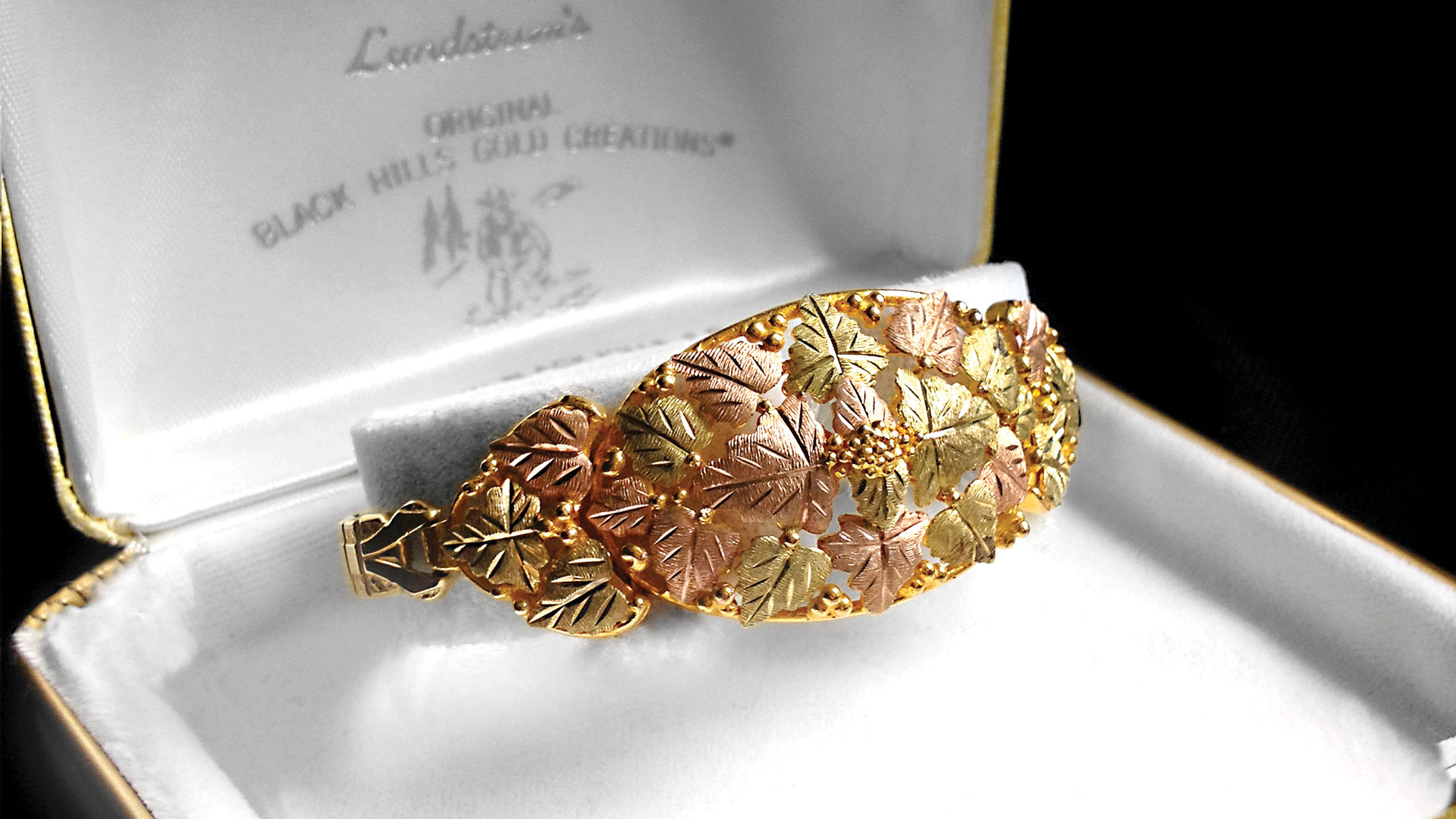
The story of Black Hills Gold is inseparable from the South Dakota gold rush of the 1870s. As prospectors scoured the Black Hills region for precious metals, a specific aesthetic began to emerge from the local silversmiths and goldsmiths. The legendary narrative often centers on Henri LeBeau, a French goldsmith who allegedly fell asleep in the hills while starving, dreaming of grapevines and leaves, and awoke to find them growing nearby. This vision became the signature motif that defines the industry to this day: the grape leaf, the vine, and the bunch of grapes.
From a branding perspective, Black Hills Gold is a masterclass in regional identity. The term is not merely a description of where the gold was found; it is a protected designation. To be considered authentic, the jewelry must be manufactured in the Black Hills of South Dakota. This strict adherence to location acts as a geographic brand anchor, ensuring that the reputation of the craftsmanship remains localized and controlled. Unlike global luxury brands that outsource labor to reduce costs, the Black Hills Gold industry has historically maintained a localized corporate identity that prioritizes heritage over mass-market scalability.
The brand strategy of Black Hills Gold relies heavily on storytelling. By tying the product to the frontier spirit, the American West, and the specific mythological origin of the “grape leaf design,” companies within this niche have successfully built a moat around their products. Consumers are not just buying a gold necklace or ring; they are purchasing a piece of American frontier history. This emotional connection is a powerful tool in personal branding and consumer loyalty, as it transcends the intrinsic value of the metal itself and attaches a “story premium” to the price point.
Defining the Aesthetic: Craftsmanship and Design Standards
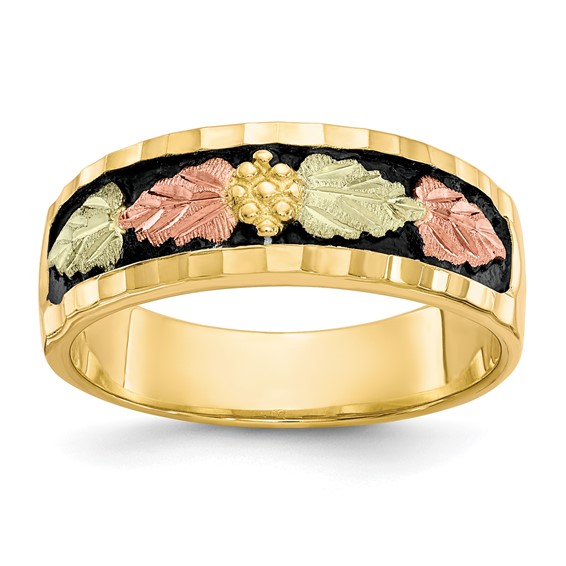
What truly sets Black Hills Gold apart from standard jewelry is its tri-colored composition. An authentic piece typically features three distinct shades of gold: yellow, pink, and green. This specific combination is achieved through a meticulous metallurgical process where varying amounts of copper and silver are alloyed with pure 24-karat gold.
The Science of Tri-Color Alloying
The yellow gold typically remains standard, providing the base for the intricate designs. The pink gold is created by adding a higher concentration of copper to the gold, which imparts a warm, rosy hue. The most distinctive color, however, is the green gold, which is achieved by adding silver to the gold alloy. This process requires precise environmental controls and high-level craftsmanship to ensure the colors are distinct and durable. The artistic application of these three colors creates a three-dimensional effect that is immediately recognizable to those familiar with the style.
The Signature Motif
The grape leaf design is the hallmark of the industry. These leaves are hand-engraved, often featuring deep cuts that allow the light to reflect off the metal, giving the jewelry a vibrant, sparkling appearance. In the modern era, while some processes have been mechanized, the best examples of Black Hills Gold continue to honor the “hand-finished” aspect of the craft. From a business and design standpoint, maintaining this hand-engraving tradition serves as a competitive advantage. It differentiates the product from the stamped, mass-produced jewelry found in big-box retail stores.

This commitment to design consistency is a key component of the brand strategy. If a manufacturer were to move away from the traditional grape motif, they would risk alienating their core demographic—those who value the heritage and the specific aesthetic standards that have been cultivated over several generations.
Market Positioning and Business Finance Considerations
For those viewing Black Hills Gold as a component of a collection or a tangible asset, it is important to analyze its market positioning. In the world of business finance, commodities like gold are often viewed for their raw value, but Black Hills Gold occupies a “value-add” category. The price of an authentic piece is determined by three factors: the weight of the gold, the complexity of the craftsmanship, and the branding equity associated with the Black Hills origin.
Investment vs. Consumption
Investors should be aware that Black Hills Gold is primarily a decorative asset rather than a liquid bullion investment. While the gold itself holds intrinsic market value that tracks with commodity prices, the cost of manufacturing and the retail markup often exceed the spot price of the metal. Therefore, when purchasing this jewelry, one is paying for the artistry and the brand narrative. For individuals looking to build a portfolio of “wearable assets,” these pieces offer a unique stability. They are not subject to the rapid fluctuations of speculative tech stocks or volatile crypto assets; instead, they function more like art or collectable antiques, holding value through cultural recognition and aesthetic demand.
The Role of Authentication
In the business of jewelry, authentication is the highest priority. There have been many “look-alike” products produced in places like the Far East that attempt to mimic the tri-color leaf design without being manufactured in the Black Hills. These items are often plated rather than solid alloyed gold, and they lack the rigorous quality control standards of the South Dakota-based companies.
From a marketing strategy perspective, the industry has responded by focusing heavily on hallmarks and warranties. Authentic Black Hills Gold manufacturers typically stamp their jewelry with a trademark or a specific hallmark that serves as a guarantee of authenticity. Protecting this intellectual property is vital to the industry’s business finance model. Without the ability to distinguish authentic pieces from cheaper imitations, the brand equity would rapidly erode. For the consumer, verifying these markings is the equivalent of “due diligence” in a financial transaction.
The Future of the Industry: Branding for New Generations
As the market shifts, the challenge for the Black Hills Gold industry is to maintain its traditional brand identity while appealing to a younger, more modern demographic. This requires a careful balance of brand preservation and innovation. Traditional marketing focused on the heritage of the American West is powerful, but modern branding also requires a digital-first approach.
The industry is currently navigating the transition from physical storefronts to e-commerce, which introduces new opportunities for storytelling. Digital platforms allow these companies to showcase the microscopic detail of the grape leaves and the labor-intensive alloying process to a global audience. By utilizing high-quality content marketing—such as behind-the-scenes videos of the goldsmiths at work—these brands are able to justify their price points to a new generation of buyers who value craftsmanship, transparency, and authentic business practices.
Furthermore, the focus on “slow luxury”—a growing trend in personal branding and consumer behavior—fits perfectly with the Black Hills Gold ethos. In an era of disposable fashion and rapid consumption, jewelry that is made to last for decades, and that carries a rich historical narrative, is increasingly appealing. This shift in the global luxury market provides a significant tailwind for the Black Hills Gold brand. By positioning the jewelry as a timeless, heirloom-quality accessory, the industry can transcend the “souvenir” label it was sometimes tagged with in the past and instead occupy a space as a respected, niche player in the luxury jewelry market.
Ultimately, Black Hills Gold is far more than a collection of metallic accessories. It is a robust example of a regional brand that has successfully leveraged its geographic origin and a unique, proprietary design aesthetic to build a lasting business legacy. Whether evaluated through the lens of aesthetic design, historical significance, or the economics of niche manufacturing, it remains a fascinating case study in how branding and identity can elevate a tangible asset into something truly collectable and enduring. As the industry continues to evolve, its core strength—the refusal to compromise on its unique tri-color, hand-finished tradition—will remain the foundation of its continued market presence.
aViewFromTheCave is a participant in the Amazon Services LLC Associates Program, an affiliate advertising program designed to provide a means for sites to earn advertising fees by advertising and linking to Amazon.com. Amazon, the Amazon logo, AmazonSupply, and the AmazonSupply logo are trademarks of Amazon.com, Inc. or its affiliates. As an Amazon Associate we earn affiliate commissions from qualifying purchases.