
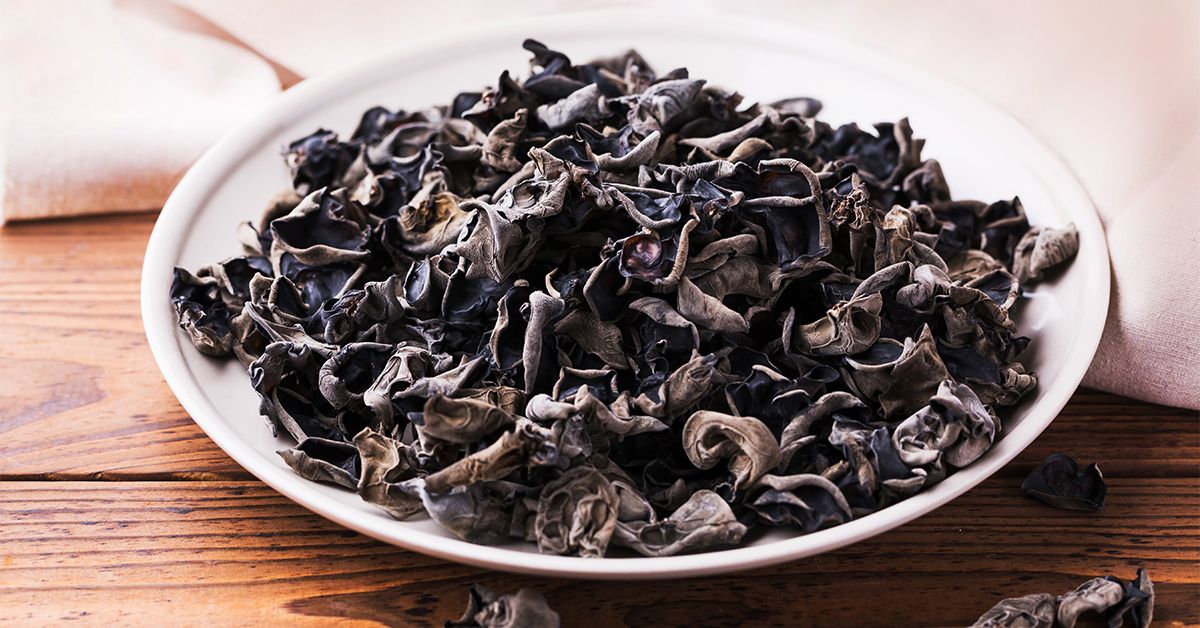
The global food landscape is undergoing a radical transformation, driven by a convergence of health-conscious consumerism and the search for sustainable, high-yield agricultural commodities. Among the most intriguing players in this shift is Auricularia heimuer, more commonly known as “Black Fungus” or “Wood Ear.” While traditionally viewed through a culinary lens in East Asian markets, the financial world is beginning to recognize black fungus not just as an ingredient, but as a high-value asset class within the broader “functional food” sector.
For investors, entrepreneurs, and those looking to diversify their portfolios within the agrotech and wellness industries, understanding the economic ecosystem of black fungus is essential. This article explores the market dynamics, investment potential, and business strategies surrounding this resilient and profitable commodity.
1. The Global Mushroom Market: Why Black Fungus is a Growing Asset
To understand the financial viability of black fungus, one must look at the macro trends of the global mushroom market. Valued at over $50 billion and projected to grow at a compound annual growth rate (CAGR) of nearly 10% over the next decade, the mushroom industry is no longer a niche agricultural sub-sector. Black fungus, in particular, represents a significant portion of this growth due to its dual utility as a culinary staple and a medicinal powerhouse.
The Shift from Culinary Staple to Pharmaceutical Commodity
The primary driver behind the rising valuation of black fungus is its transition from a simple food item to a “functional food.” In the investment world, functional foods—those that provide health benefits beyond basic nutrition—command higher margins and enjoy more stable demand. Black fungus is rich in polysaccharides, fiber, and iron, making it a focal point for the “food as medicine” movement.
As healthcare costs rise globally, consumers are shifting spending toward preventative wellness. This has created a massive secondary market for black fungus extracts in the form of supplements and nutraceuticals. For the business-minded individual, this means the product is no longer beholden to the volatility of fresh produce markets; instead, it can be processed into shelf-stable, high-markup powders and capsules, significantly increasing the potential for return on investment (ROI).
Market Valuation and Geopolitical Influence
Currently, China dominates over 90% of the global production of black fungus. However, as supply chains seek to diversify to mitigate geopolitical risks and reduce transportation costs, new markets in Southeast Asia, North America, and Europe are beginning to emerge. This creates a “first-mover” advantage for investors willing to fund local production facilities in regions where demand for organic, exotic fungi is outstripping supply. The scarcity of high-quality, certified organic black fungus in Western markets presents a lucrative gap for private equity and venture capital.
2. Business Models in the Black Fungus Sector
The beauty of the black fungus industry lies in its scalability. Whether you are looking for a high-margin side hustle or a large-scale industrial venture, the biological characteristics of the fungus allow for various entry points.
Small-Scale Cultivation as a Profitable Side Hustle
For individuals looking to generate online income or launch a small business, black fungus cultivation offers one of the lowest barriers to entry in the agricultural world. Unlike traditional livestock or row crops, mushrooms require minimal land. Using vertical farming techniques, a small warehouse or even a controlled basement environment can produce hundreds of pounds of black fungus per month.
The economics are favorable: the “substrate” (the material on which the fungus grows, such as sawdust or agricultural waste) is inexpensive, often sourced for free from timber mills. The high protein-to-cost ratio makes it a premium product for local farmers’ markets, specialty grocery stores, and direct-to-consumer e-commerce platforms. By leveraging platforms like Shopify or Etsy, small-scale producers can bypass traditional wholesalers and capture the full retail margin.
Large-Scale Industrial Production and Supply Chain Finance
On the corporate level, the business model shifts toward automation and supply chain integration. Large-scale black fungus operations utilize climate-controlled “smart farms” that use AI to optimize humidity and temperature, maximizing yield while minimizing labor costs.
From a business finance perspective, these operations are highly attractive because they align with Environmental, Social, and Governance (ESG) investing criteria. Black fungus grows on waste products and has a significantly lower carbon footprint than meat production. Institutional investors are increasingly funneling capital into these sustainable protein sources, providing the necessary liquidity for rapid industrial expansion.

3. Risk Management and Market Volatility
No investment is without risk, and the black fungus market carries unique challenges that require sophisticated management strategies. Investors must look beyond the growth charts to understand the operational hurdles of the mycology business.
Quality Control Standards and Export Barriers
One of the most significant risks in the international trade of black fungus is the stringent regulatory landscape. Different countries have varying standards regarding pesticide residues, heavy metal content, and biological purity. For a business to be profitable on a global scale, it must invest heavily in testing and certification (such as USDA Organic or EU Bio).
A failure in quality control can lead to entire shipments being seized or destroyed, resulting in catastrophic financial loss. Therefore, savvy investors prioritize companies that have integrated “track-and-trace” technology, often using blockchain, to verify the origin and safety of their products from spore to shelf.
Climate Change and Resource Allocation in Mycology
While black fungus is grown in controlled environments, the raw materials for its substrate—wood chips and agricultural residues—are subject to climate-related supply shocks. A drought that affects timber production or grain harvests can indirectly drive up the cost of mushroom cultivation.
Furthermore, the energy costs associated with maintaining the precise climate needed for industrial-scale growth can eat into profit margins, especially in a volatile energy market. Forward-thinking companies are mitigating this risk by investing in renewable energy microgrids (solar or biomass) to power their facilities, effectively “locking in” their operational costs and protecting their bottom line.
4. Diversifying Your Portfolio with “Food as Medicine” Stocks
For those who prefer the liquidity of the stock market over direct agricultural investment, the rise of the “fungi-economy” offers several avenues for portfolio diversification.
Publicly Traded Agrotech and Biotech Companies
While there are few “pure-play” black fungus stocks on major exchanges, many diversified agrotech companies are expanding their mushroom divisions. These firms focus on the biotechnological aspect—extracting active compounds for use in pharmaceuticals and skin care. Investing in these companies allows for exposure to the black fungus market’s upside while benefiting from the stability of a larger corporate structure.
Additionally, keep an eye on the burgeoning field of “mycomaterials.” Some companies are using the mycelium of fungi like black fungus to create biodegradable packaging and sustainable leather alternatives. This represents a massive untapped market, as global brands look to divest from plastics and animal products.
Direct Investment in Sustainable Agriculture
For high-net-worth individuals, private placements in sustainable agriculture funds offer a way to gain direct exposure to the infrastructure of the black fungus trade. These funds often invest in the cold-chain logistics, processing plants, and distribution networks required to bring exotic fungi to global markets.
By investing in the “shovels” of the mushroom gold rush—the processing and distribution technology—investors can insulate themselves from the specific biological risks of farming while still reaping the rewards of the industry’s overall growth.

The Bottom Line: Is Black Fungus a Sound Investment?
The question “what is black fungus food” is rapidly evolving into “how do we capitalize on the black fungus market?” From a financial perspective, this humble organism represents a perfect storm of opportunity: it is a sustainable protein source, a functional health product, and a high-yield agricultural commodity.
As the global economy moves toward more resilient and health-focused supply chains, the black fungus industry is poised for significant capital inflow. Whether through a home-based cultivation side hustle, a large-scale industrial venture, or strategic stock market positioning, the economic potential of this “black gold” is undeniable. For the professional investor, the time to study the mycelial networks of the market is now, before the sector reaches full maturity and peak valuation.
aViewFromTheCave is a participant in the Amazon Services LLC Associates Program, an affiliate advertising program designed to provide a means for sites to earn advertising fees by advertising and linking to Amazon.com. Amazon, the Amazon logo, AmazonSupply, and the AmazonSupply logo are trademarks of Amazon.com, Inc. or its affiliates. As an Amazon Associate we earn affiliate commissions from qualifying purchases.