
In the competitive landscape of the global beauty and wellness industry, few products have undergone a more significant brand transformation than black castor oil. Once a traditional household staple within specific cultural enclaves, it has evolved into a powerhouse commodity that sits at the center of the “Clean Beauty” and “Natural Hair” movements. This evolution is not merely a result of the oil’s chemical properties, but rather a masterclass in brand strategy, heritage marketing, and the leveraging of cultural identity to create a high-value niche in a crowded marketplace.
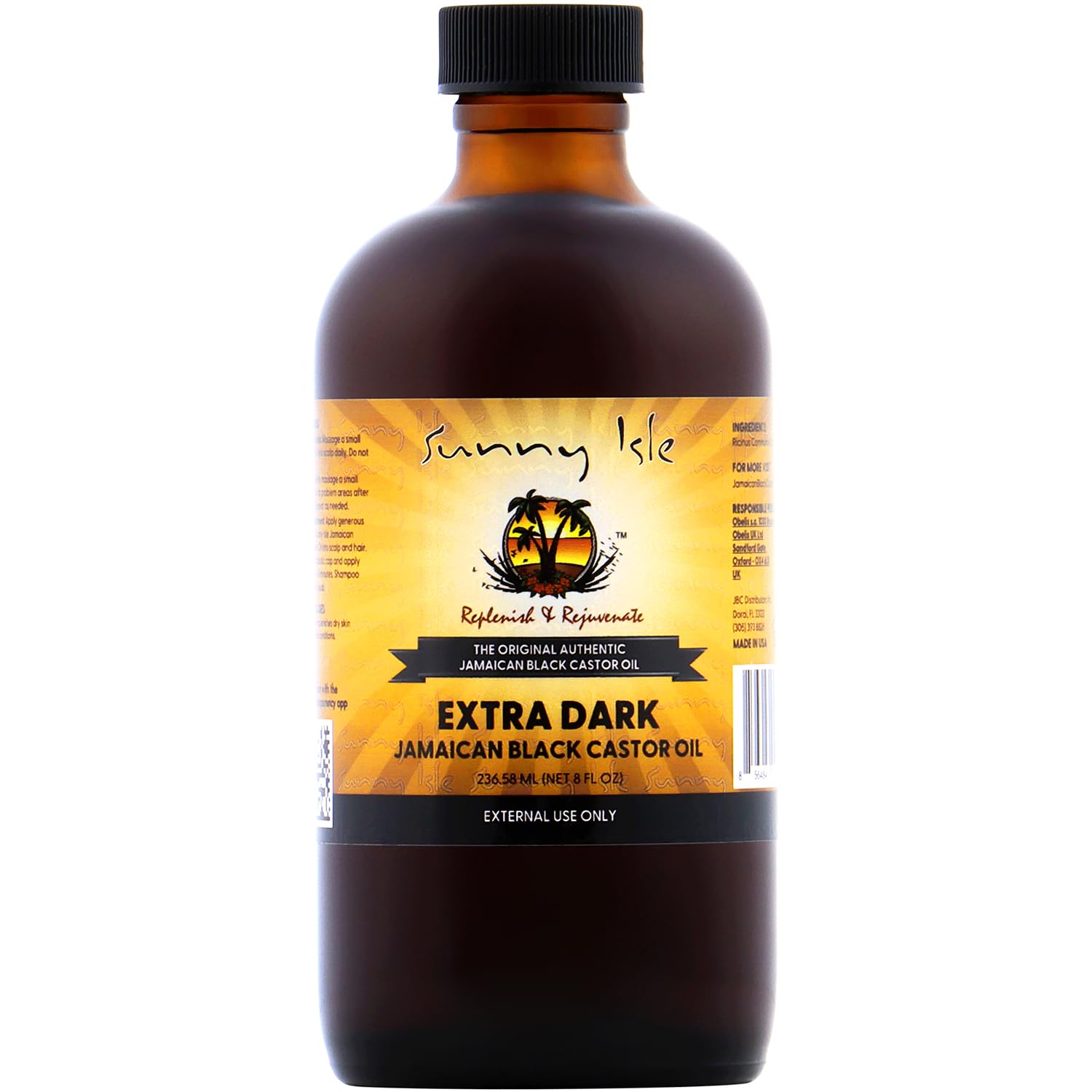
To understand “what is black castor oil” through the lens of brand strategy, one must look past the bottle and into the narrative of authenticity, artisanal craftsmanship, and the strategic positioning that separates it from standard, industrial-grade castor oil.
The Architecture of Heritage: Building a Brand on Authenticity
At its core, the brand identity of black castor oil—specifically Jamaican Black Castor Oil (JBCO)—is built on the concept of “heritage branding.” Unlike cold-pressed yellow castor oil, which is processed through industrial methods to remove impurities and color, black castor oil is defined by its traditional production process. The beans are roasted, crushed in a mortar, boiled in water, and the oil is then skimmed off.
The Power of the Origin Story
In branding, the “Origin Story” acts as the foundation of consumer trust. For black castor oil, the narrative is deeply rooted in Caribbean and African traditions. Brands that successfully market this product do not just sell a liquid; they sell a connection to ancestral wisdom. By emphasizing the manual labor, the fire-roasting of the beans, and the absence of synthetic chemicals, companies create a “primitive-luxe” appeal. This appeals to the modern consumer’s desire for products that feel “real” and “untouched” by corporate sanitization.
Differentiating Through Visual Identity
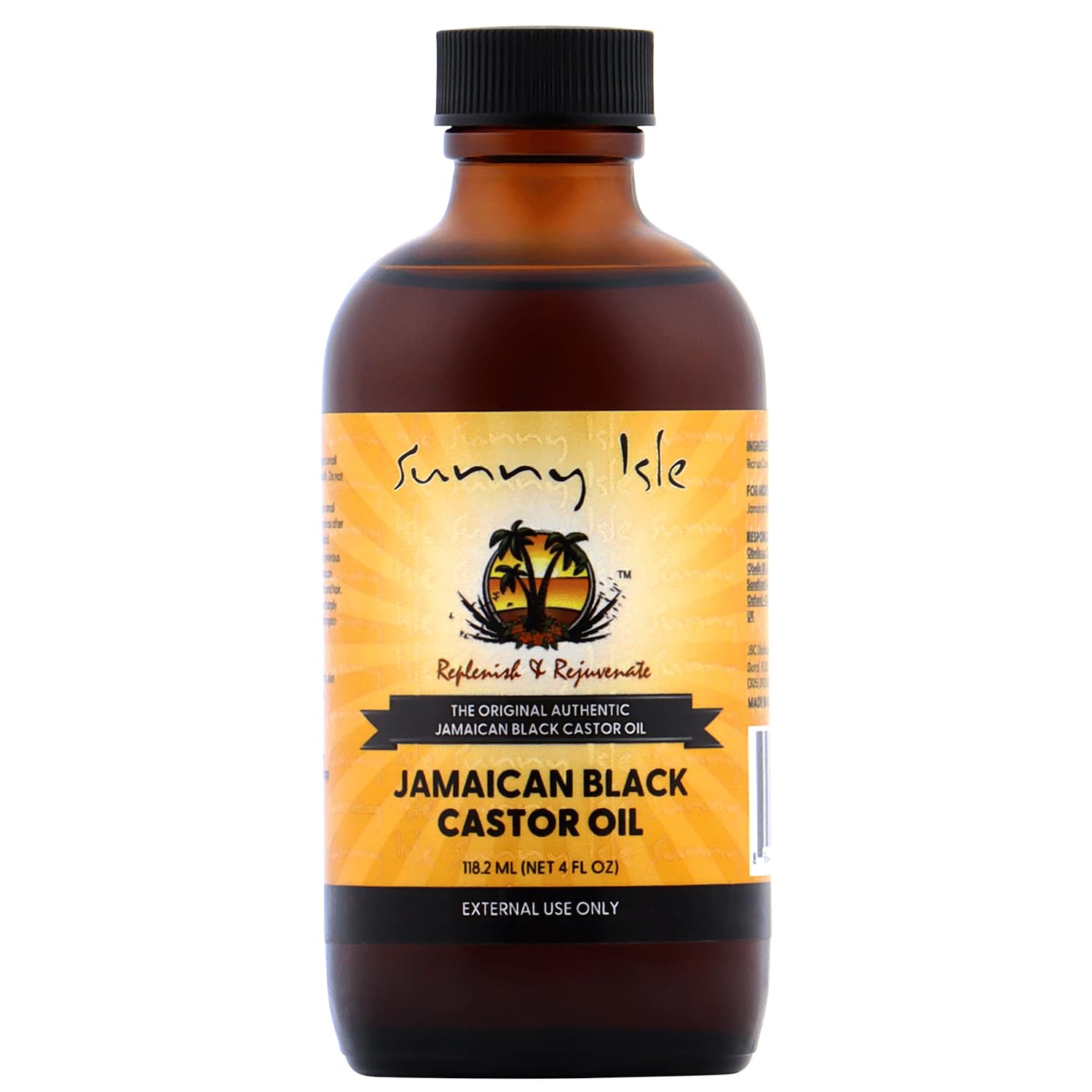
The dark, smoky hue of the oil serves as a visual shorthand for potency. From a design and marketing perspective, the ash content (which gives the oil its color) is rebranded from a “byproduct” to a “key feature.” Brands strategically use amber glass bottles and rustic labeling to reinforce this image of apothecary-style tradition. This visual identity differentiates the product on the shelf, signaling to the customer that this is a specialized, premium version of a common ingredient.
The Natural Hair Movement: A Case Study in Community-Led Branding
The rise of black castor oil cannot be discussed without analyzing the brand’s synergy with the Natural Hair Movement. This demographic shift, which saw millions of women moving away from chemical relaxers toward natural textures, created a vacuum that traditional beauty conglomerates were slow to fill.
Strategic Positioning in Niche Markets
Early brands in the black castor oil space, such as Sunny Isle and SheaMoisture, didn’t use traditional top-down advertising. Instead, they utilized a “bottom-up” community branding strategy. They positioned black castor oil as the “hero ingredient” for hair growth and scalp health within the natural hair community. By focusing on a specific pain point—hair breakage and edge regrowth—these brands moved from being general beauty products to “essential solutions.”
Leveraging Social Proof and Influencer Advocacy
Long before “influencer marketing” was a formalized tech industry term, black castor oil brands were being built by YouTube creators and bloggers. The “social proof” generated by real users sharing their “before and after” growth journeys created an organic brand equity that money couldn’t buy. For a brand strategist, this highlights the importance of “Brand Advocacy.” When a community feels a product belongs to them—or represents their cultural heritage—they become the brand’s most effective marketing arm.
Premiumization and the Economics of “Clean” Branding
One of the most impressive feats in the branding of black castor oil is its “premiumization.” While standard castor oil is a relatively inexpensive commodity, black castor oil commands a significantly higher price point. This is achieved through strategic value-added branding.

The “Clean Beauty” Certification
As the “Clean Beauty” trend took over the mainstream market, black castor oil brands pivoted to highlight their “organic,” “sulfate-free,” and “hexane-free” credentials. By aligning with global standards of sustainability and non-toxic living, these brands expanded their reach beyond their initial cultural niche into the broader luxury wellness market. This shift allowed brands to justify premium pricing, as the consumer is no longer just buying oil; they are buying an “ethical and healthy lifestyle.”
Diversification of Brand Architecture
To maintain growth, leading brands have moved beyond the raw oil to create entire product ecosystems. We now see black castor oil-infused shampoos, conditioners, edge gels, and even mascaras. This is a classic brand extension strategy. By taking the “trust” established by the core product (the oil) and applying it to a wider range of SKUs, brands increase their “share of wallet” within the consumer’s bathroom cabinet.
Brand Loyalty and the Ritualization of Use
Successful brands don’t just sell products; they sell rituals. Black castor oil has been branded as part of a “self-care ritual.” Whether it is a weekly “hot oil treatment” or a nightly “edge massage,” the product is marketed as a moment of intentionality.
Creating a Sensory Brand Experience
The distinct, nutty, and slightly burnt scent of black castor oil is a polarizing but powerful brand asset. In sensory branding, a unique scent can trigger strong memory associations. For many, the smell of black castor oil is associated with care, tradition, and results. Brands have leaned into this, avoiding heavy perfumes that would mask the “authentic” scent, thereby reinforcing the brand’s promise of purity.
Educational Branding and Content Marketing
Because the product is thick and requires specific application techniques, brands have invested heavily in educational content. This “Educational Branding” builds authority. When a brand teaches a consumer how to solve a problem—such as the “inversion method” for hair growth—the consumer develops a deeper loyalty to that brand. They view the company not just as a vendor, but as an expert consultant.
The Future of the Black Castor Oil Brand: Sustainability and Global Competition
As the market for black castor oil reaches maturity, the brand strategy must evolve to address new challenges: global competition and the demand for ethical transparency.
Ethical Sourcing as a Brand Pillar
Modern consumers are increasingly concerned with the “who” and “how” behind their products. Brands that can prove they source their beans from fair-trade cooperatives in Jamaica or Haiti are gaining a competitive edge. “Ethical Sourcing” has moved from a footnote in a corporate social responsibility (CSR) report to a front-and-center brand message. This adds another layer of “Authenticity” to the brand, protecting it from lower-priced, mass-produced imitators.
Defending the “Jamaican” Designation
Much like “Champagne” must come from France, there is a growing movement to protect the “Jamaican” brand in black castor oil. Strategic branding now involves advocating for Geographical Indication (GI) status. This would ensure that only oil produced using traditional methods in Jamaica can carry the name. From a brand management perspective, this is the ultimate defensive strategy—using legal and cultural frameworks to create a “moat” around the brand’s identity.
Conclusion: The Enduring Power of Culturally Rooted Brands
What is black castor oil? From a brand perspective, it is a triumph of narrative over commodity. It is a testament to how a traditional, unrefined product can outshine its scientifically “perfected” counterparts by leaning into its flaws—its dark color, its ash content, and its intense aroma—and rebranding them as hallmarks of quality and authenticity.
By understanding the intersection of heritage, community advocacy, and premium positioning, brands in this space have created a multi-million dollar industry that shows no signs of slowing down. For marketers and brand strategists, the story of black castor oil serves as a reminder that the most powerful brands are those that resonate with a consumer’s identity, history, and desire for an authentic experience in an increasingly digital and synthetic world. The success of the black castor oil brand lies in its ability to stay true to its roots while navigating the complex demands of the modern global marketplace.
aViewFromTheCave is a participant in the Amazon Services LLC Associates Program, an affiliate advertising program designed to provide a means for sites to earn advertising fees by advertising and linking to Amazon.com. Amazon, the Amazon logo, AmazonSupply, and the AmazonSupply logo are trademarks of Amazon.com, Inc. or its affiliates. As an Amazon Associate we earn affiliate commissions from qualifying purchases.