
Bitcoin, the pioneering cryptocurrency, has carved a unique and often volatile path through the global financial landscape. Its journey has been punctuated by dramatic price surges, captivating investors, analysts, and even casual observers worldwide. Among the most discussed metrics is Bitcoin’s “all-time high” (ATH) – a financial milestone that not only signifies a peak in market valuation but also represents a psychological benchmark for its community and the broader investment world. Understanding Bitcoin’s ATH is more than just recalling a number; it involves appreciating the economic forces, technological developments, and investor psychology that drive these monumental price movements.
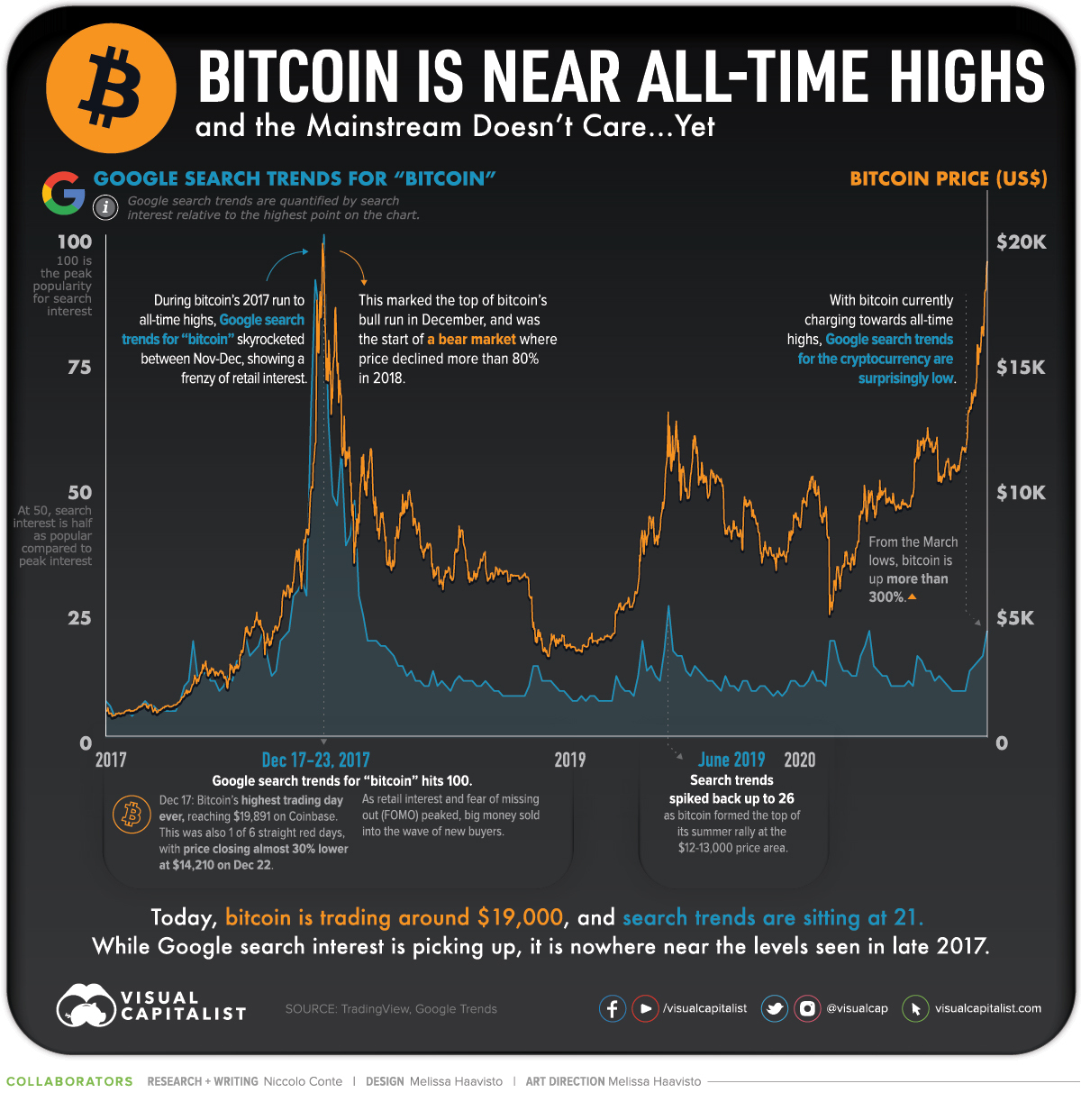
This article delves into what Bitcoin’s all-time high truly means, how it is measured, the multifaceted factors that propel its price to unprecedented levels, and the critical implications these peaks hold for investors and the future of finance. For anyone navigating the complex world of digital assets, a clear grasp of Bitcoin’s ATH provides essential context for informed decision-making and a deeper understanding of its dynamic market cycles.
Pinpointing Bitcoin’s Peak Performance
Bitcoin’s price history is a tapestry woven with threads of remarkable growth and significant corrections. Each cycle brings new peaks, resetting what was previously considered an all-time high.
The Current and Historical All-Time Highs
As of early 2024, Bitcoin achieved a new all-time high, surpassing its previous peak set in late 2021. The latest significant ATH occurred in March 2024, when Bitcoin traded above approximately $73,700, varying slightly across different exchanges. This monumental achievement shattered the previous record set in November 2021, which hovered around $69,000.
To truly appreciate the significance of these numbers, it’s crucial to look back at Bitcoin’s historical journey:
- 2017 Bull Run: Bitcoin first captured mainstream attention when it soared from under $1,000 at the beginning of the year to nearly $20,000 by December. This was its first major ATH that truly put it on the global financial map.
- 2021 Bull Run: After a prolonged “crypto winter,” Bitcoin began a strong ascent in late 2020, eventually surpassing its 2017 ATH and reaching close to $69,000 in November 2021. This cycle was characterized by increased institutional interest and broader retail adoption.
- 2024 Resurgence: The latest surge, leading to the ~$73,700+ ATH, has been largely fueled by the approval of spot Bitcoin Exchange-Traded Funds (ETFs) in the U.S., driving significant institutional capital inflow, alongside anticipation of its halving event.
An “all-time high” is not just a single point but represents the absolute highest price at which a particular asset has ever traded in its entire history. For a volatile asset like Bitcoin, these peaks are often fleeting, reached during periods of intense speculative activity, followed by corrections. However, each new ATH reinforces Bitcoin’s long-term growth trajectory and resilience.
How ATH is Measured and Reported
Measuring Bitcoin’s ATH can be deceptively simple yet carries nuances. The price of Bitcoin varies fractionally across different cryptocurrency exchanges due to differing liquidity, trading volumes, and local supply and demand dynamics. For instance, at any given moment, Coinbase, Binance, Kraken, and other exchanges might report slightly different prices for Bitcoin.
To provide a consolidated and generally accepted ATH, financial data aggregators like CoinMarketCap, CoinGecko, and Bloomberg Terminal collect data from numerous major exchanges, often calculating a volume-weighted average price. When these platforms report an all-time high, it usually refers to this aggregated, highest recorded price point. It’s also important to distinguish between an intra-day high (the highest price reached within a trading day) and a daily closing price. While an intra-day spike might set a new ATH, analysts often pay closer attention to daily or weekly closing prices for sustained momentum indicators. Therefore, when discussing Bitcoin’s ATH, it typically refers to the highest recorded price, usually sourced from a reputable data aggregator.
Understanding the Catalysts Behind Bitcoin’s Surges
Bitcoin’s journey to new all-time highs is rarely attributable to a single factor. Instead, it’s a confluence of macroeconomic trends, technological milestones, market sentiment, and evolving regulatory landscapes that collectively ignite these parabolic rallies.
Macroeconomic Factors and Global Liquidity
A significant driver for Bitcoin’s upward trajectory often stems from broader macroeconomic conditions. During periods of high inflation or global economic uncertainty, traditional fiat currencies may lose purchasing power. Bitcoin, often dubbed “digital gold,” is increasingly viewed by some investors as a potential hedge against inflation and a store of value independent of government-controlled monetary policies. When central banks engage in quantitative easing or maintain low interest rates, leading to an abundance of liquidity in financial markets, a portion of this capital often flows into riskier assets like Bitcoin in search of higher returns. Conversely, tightening monetary policies, such as interest rate hikes, can sometimes lead to a pullback in such assets. Bitcoin’s performance during the COVID-19 pandemic, where massive government stimulus packages led to liquidity surges, exemplified this dynamic.
Institutional Adoption and Mainstream Integration
The validation and entry of institutional players have been a game-changer for Bitcoin. Major corporations like MicroStrategy have added Bitcoin to their balance sheets, signaling a growing acceptance of Bitcoin as a legitimate treasury reserve asset. Perhaps the most pivotal development was the approval of spot Bitcoin Exchange-Traded Funds (ETFs) in the United States in January 2024. These ETFs provide traditional investors with an accessible, regulated vehicle to gain exposure to Bitcoin without directly holding the cryptocurrency. This move has unlocked vast pools of institutional capital, driving significant demand and contributing substantially to Bitcoin’s latest ATH. Furthermore, major financial institutions, payment processors, and even national governments adopting or exploring Bitcoin’s utility (e.g., El Salvador making Bitcoin legal tender) further integrate it into the mainstream financial system, bolstering its credibility and price.
Technological Developments and Network Effects
Beneath the price action, Bitcoin’s underlying technology continues to evolve. While Bitcoin’s core protocol remains robust, developments like the Lightning Network improve its scalability for smaller, faster transactions, enhancing its utility as a medium of exchange. Crucially, the programmatic scarcity embedded in Bitcoin’s design, particularly the “halving” events, plays a profound role. Approximately every four years, the reward for mining new blocks is halved, reducing the rate at which new Bitcoins enter circulation. This predictable supply shock, against potentially rising demand, is a powerful economic mechanism that has historically preceded significant price rallies, including new ATHs. The continuous growth of Bitcoin’s user base, developer community, and the robustness of its network (network effects) further cement its value proposition.
Retail Investor Interest and FOMO
Beyond institutional flows, the collective enthusiasm of retail investors remains a potent force. Social media platforms, crypto news outlets, and influencer culture can amplify Bitcoin’s price movements, creating a “fear of missing out” (FOMO) effect. As Bitcoin’s price rises, particularly when nearing or surpassing previous ATHs, it attracts increased media attention, drawing in new retail investors eager to participate in the rally. The increasing accessibility of crypto trading through user-friendly apps and platforms has lowered the barrier to entry, enabling a broader segment of the population to invest, thus contributing to speculative buying pressure. This combination of FOMO and accessibility can create powerful positive feedback loops that propel Bitcoin’s price to new unprecedented levels.

The Significance of All-Time Highs for Investors
Bitcoin’s all-time highs are not just interesting data points; they carry profound implications for market psychology, investment strategies, and risk management. For investors, understanding the context and consequences of an ATH is crucial.
Psychological Impact and Market Sentiment
An all-time high has a powerful psychological effect on the market. For existing Bitcoin holders, it serves as validation, affirming their conviction in the asset and often generating a sense of excitement and triumph. This positive sentiment can attract new investors who see the upward momentum as an opportunity, leading to further buying pressure. This period, often called “price discovery,” occurs when Bitcoin trades above any historical resistance levels, moving into uncharted territory. Without previous price ceilings, market participants are left to determine its true value, often leading to rapid price appreciation as buyers outnumber sellers. Conversely, failing to break an ATH can lead to market fatigue or bearish sentiment, as investors might interpret it as a sign of weakening momentum.
Valuation Metrics and Investment Strategy
For investors, an ATH serves as a critical benchmark. It allows them to assess how far the current price is from its peak, indicating potential for recovery or further growth. When Bitcoin is significantly below its ATH, long-term investors might see it as a buying opportunity (“buying the dip”). Conversely, as Bitcoin approaches or breaks a new ATH, some investors might consider taking profits, especially those who bought at much lower prices.
Investment strategies like Dollar-Cost Averaging (DCA), where investors regularly buy a fixed dollar amount of Bitcoin regardless of its price, are particularly relevant during periods of ATHs. DCA helps mitigate the risk of buying exclusively at the peak. For those looking to capitalize on market highs, understanding the ATH can also inform profit-taking strategies, allowing investors to secure gains before potential corrections. However, it’s vital to remember that an ATH is a historical marker, not necessarily an indicator of future performance.
Risk Management and Volatility Considerations
While an ATH signals robust performance, it also underscores the inherent volatility of Bitcoin. Historically, significant price surges to new ATHs are often followed by considerable corrections or “drawdowns” as early investors take profits and market sentiment normalizes. For example, after reaching its ATH in 2017, Bitcoin experienced a prolonged bear market. Similarly, after the 2021 ATH, it entered another significant correction.
Therefore, for savvy investors, an ATH is a crucial reminder of the importance of risk management. It encourages a disciplined approach, advocating for diversified portfolios, investing only what one can afford to lose, and setting realistic expectations. Hype surrounding an ATH can lead to impulsive decisions driven by FOMO, which can be detrimental if not balanced with a clear understanding of market cycles and personal risk tolerance. Prudent investors use ATHs as data points within a broader analytical framework, not as the sole basis for their investment decisions.
Beyond the Peak: What Lies Ahead for Bitcoin?
The achievement of a new all-time high is a significant milestone, but it invariably prompts questions about Bitcoin’s future trajectory. Will it continue its upward ascent, or are corrections inevitable? Predicting the future of such a dynamic asset involves considering a range of factors from financial models to regulatory shifts.
Future Price Projections and Models
Various financial models attempt to forecast Bitcoin’s future price, albeit with varying degrees of accuracy. The “Stock-to-Flow” (S2F) model, for instance, gained popularity for predicting Bitcoin’s value based on its scarcity (stock) relative to its annual production (flow), often suggesting much higher prices post-halving events. While insightful, such models have limitations and do not account for all market dynamics. More generally, analysts consider factors like the rate of institutional adoption, global macroeconomic liquidity, and the increasing integration of Bitcoin into traditional financial products (like ETFs) as primary drivers. The consensus among many long-term Bitcoin proponents is that as global money supply expands and Bitcoin’s finite supply remains constant, its value should continue to appreciate over time, potentially leading to multiple new ATHs in coming years. However, these are projections, not guarantees.
Evolving Regulatory Landscape
The regulatory environment remains a pivotal factor in Bitcoin’s future. Clearer, more favorable regulations from major economies could significantly boost investor confidence, attract even more institutional capital, and pave the way for broader mainstream adoption. Conversely, restrictive or hostile regulatory actions could dampen enthusiasm and trigger market corrections. The recent approval of spot Bitcoin ETFs in the U.S. demonstrates the positive impact of regulatory clarity. However, ongoing debates regarding consumer protection, environmental concerns, and the classification of various cryptocurrencies continue globally. As governments grapple with how to integrate digital assets into existing financial frameworks, the outcome will undoubtedly influence Bitcoin’s stability and growth potential.
Persistent Challenges and Opportunities
Despite its successes, Bitcoin faces persistent challenges. Scalability remains a long-term concern, although innovations like the Lightning Network are addressing transaction speed and cost. Environmental concerns related to its energy consumption for mining continue to be a subject of debate, prompting shifts towards renewable energy sources in the mining industry. Competition from other cryptocurrencies (altcoins) also presents a challenge, as some offer different technological advantages or use cases.
However, opportunities abound. Bitcoin’s status as a decentralized, immutable, and censorship-resistant asset makes it highly attractive in an increasingly digital and interconnected world. Its potential as a global reserve asset, a cross-border payment mechanism, and a hedge against economic instability continues to be explored. Continued technological innovation, coupled with growing global acceptance and integration into diverse financial products, positions Bitcoin for further evolution and potentially new financial peaks. The journey beyond each ATH is not merely about reaching a higher number, but about the ongoing maturation and integration of a revolutionary asset class into the global economy.

Conclusion
Bitcoin’s all-time high is more than just a fleeting price point; it’s a profound indicator of its journey, a benchmark for its growth, and a catalyst for market sentiment. From its humble beginnings to transcending the $73,000 mark in 2024, each ATH reflects a complex interplay of macroeconomic forces, technological advancements, institutional validation, and the powerful psychology of both retail and sophisticated investors.
For those engaging with this digital asset, understanding the drivers behind these surges—be it global liquidity, ETF approvals, halving events, or collective FOMO—is paramount. An ATH is a moment of validation and excitement, but it also serves as a critical reminder for prudent investors to exercise robust risk management, avoid impulsive decisions, and always prioritize a long-term perspective. While Bitcoin’s future remains subject to market dynamics and evolving regulations, its capacity to consistently reach new all-time highs underscores its enduring appeal and transformative potential within the global financial landscape. As Bitcoin continues its remarkable evolution, its all-time highs will remain powerful milestones, charting its path into an increasingly digitized financial future.
aViewFromTheCave is a participant in the Amazon Services LLC Associates Program, an affiliate advertising program designed to provide a means for sites to earn advertising fees by advertising and linking to Amazon.com. Amazon, the Amazon logo, AmazonSupply, and the AmazonSupply logo are trademarks of Amazon.com, Inc. or its affiliates. As an Amazon Associate we earn affiliate commissions from qualifying purchases.