
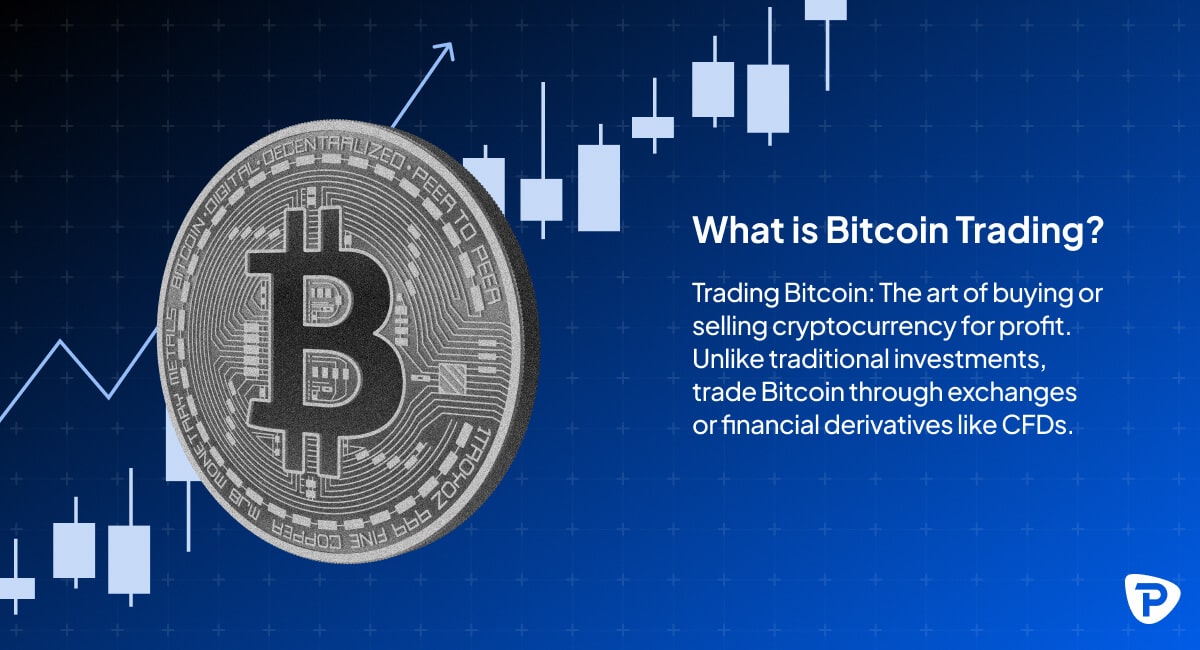
Bitcoin trading is the act of speculating on the price movements of the world’s most prominent cryptocurrency. Unlike traditional investing, where an individual might purchase Bitcoin with the intention of holding it for several years—a strategy commonly known in the crypto community as “HODLing”—trading focuses on capturing profits from the market’s inherent volatility over shorter timeframes. In the realm of personal finance and modern investing, Bitcoin trading has emerged as a high-stakes, high-reward frontier that requires a sophisticated understanding of market mechanics, risk management, and financial discipline.
At its core, Bitcoin trading involves buying low and selling high, or “shorting” the market to profit from downward price movements. Because Bitcoin operates on a decentralized network and is traded 24/7 across global exchanges, it offers a level of liquidity and accessibility that few other asset classes can match. However, this constant availability also means that the market never sleeps, demanding a strategic approach from those looking to turn a profit.
Understanding the Fundamentals of Bitcoin Trading
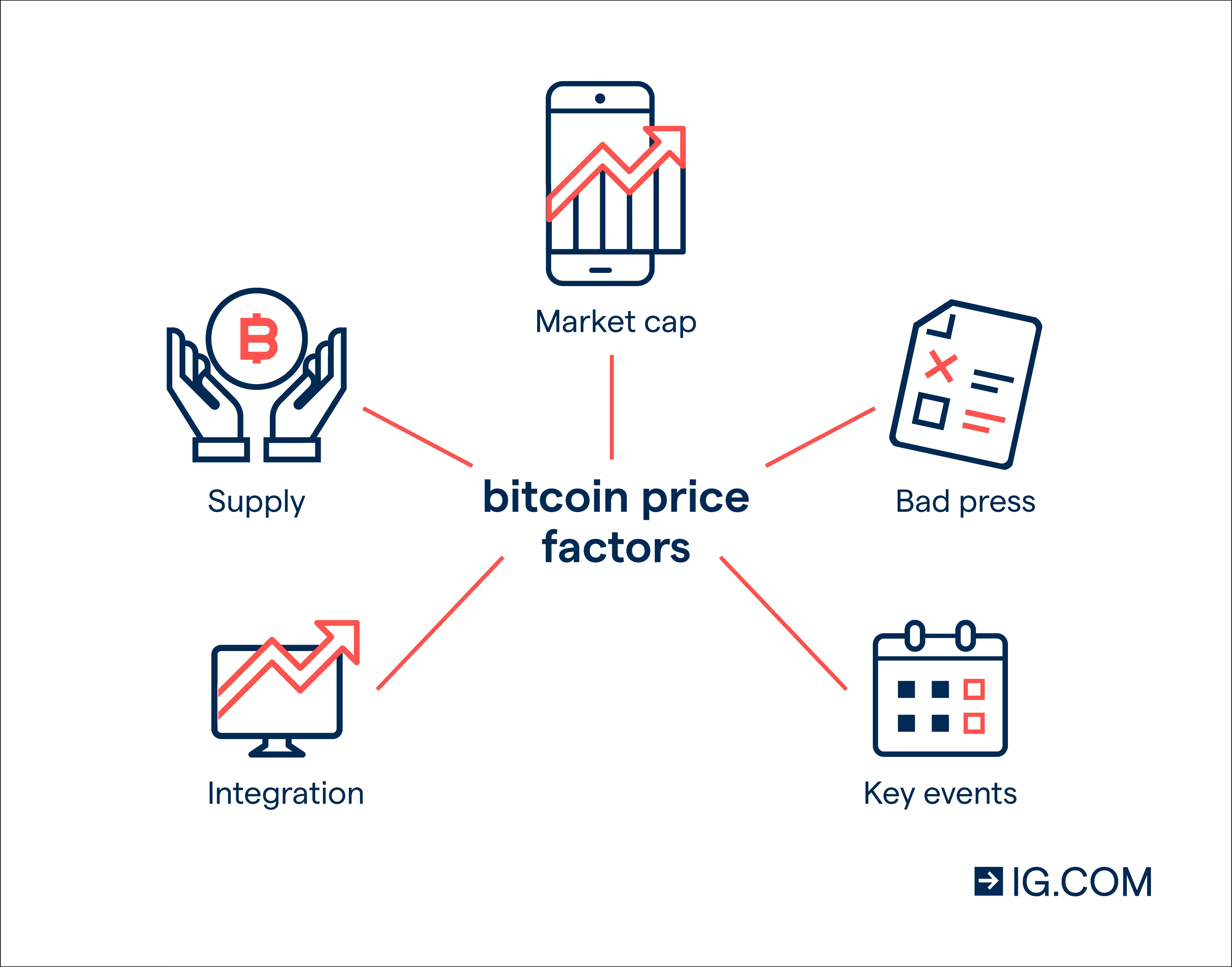
To succeed in Bitcoin trading, one must first understand that Bitcoin is not just a digital currency; in the eyes of a trader, it is a volatile financial instrument. The price of Bitcoin is determined by the law of supply and demand. When more people want to buy Bitcoin than sell it, the price goes up. Conversely, when selling pressure outweighs buying interest, the price drops.
Market Volatility and Opportunity
Volatility is often viewed as a risk, but for a trader, it is the primary source of opportunity. Bitcoin is famous for its dramatic price swings, where it can gain or lose 10% or more of its value in a single day. For a long-term investor, these swings are stressful; for a trader, they represent the “spread” or the movement necessary to execute profitable entries and exits. Understanding how to navigate this volatility without falling prey to emotional decision-making is the hallmark of a professional trader.
The Order Book and Liquidity
Bitcoin trading occurs on digital exchanges where “limit orders” and “market orders” populate an order book. The order book is a real-time list of buy and sell orders. Liquidity refers to how easily Bitcoin can be converted into cash (or another asset) without affecting its market price. High liquidity is essential for traders because it ensures that they can enter and exit positions quickly at their desired price points. In a low-liquidity environment, “slippage” occurs, where the execution price of a trade differs significantly from the expected price.
Trading Pairs
In the financial markets, Bitcoin is rarely traded in isolation. It is traded in “pairs.” The most common pair is BTC/USD, where the value of Bitcoin is measured against the US Dollar. However, traders also engage in “crypto-to-crypto” trading, such as BTC/ETH (Bitcoin/Ethereum). Understanding the relationship between these pairs is vital, as the relative strength of one asset over another can dictate trading strategies.
Popular Strategies for Navigating the Crypto Markets
Successful Bitcoin trading is rarely the result of luck. It is the product of a well-defined strategy. Different traders utilize different timeframes and methodologies based on their financial goals and risk tolerance.
Day Trading
Day trading is perhaps the most well-known strategy. It involves opening and closing positions within the same 24-hour period. Day traders aim to capitalize on small, intraday price movements. This requires a significant time commitment, as the trader must monitor charts closely throughout the day. The goal is to accumulate small wins that, over time, result in a substantial daily profit.
Swing Trading
Swing trading is a medium-term strategy where traders hold positions for several days or even weeks. These traders look for “swings” in the market—cycles where the price moves from a low point to a high point and back again. Swing trading is often preferred by those who have full-time jobs or other commitments, as it does not require constant monitoring of the one-minute or five-minute charts. Instead, swing traders focus on daily or four-hour timeframes to identify broader market trends.
Scalping
Scalping is an aggressive, high-frequency trading strategy. Scalpers aim to make dozens, if not hundreds, of trades in a single day, looking for tiny price fluctuations. A scalper might exit a trade as soon as it becomes slightly profitable. This strategy relies on high volume and very tight stop-losses. While the profit per trade is small, the cumulative effect can be significant, though it requires immense focus and a deep understanding of exchange fees, which can eat into small margins.
Arbitrage
Arbitrage involves taking advantage of price discrepancies across different exchanges. Because Bitcoin is traded on many platforms simultaneously, the price on Exchange A might occasionally be higher than on Exchange B. An arbitrage trader buys Bitcoin on the cheaper exchange and sells it on the more expensive one. While the rise of automated trading bots has made manual arbitrage difficult, it remains a foundational concept in the financial architecture of the crypto market.
Tools of the Trade: Technical and Fundamental Analysis
To determine when to buy or sell, Bitcoin traders rely on two primary schools of thought: Technical Analysis (TA) and Fundamental Analysis (FA).
Technical Analysis (TA)
Technical analysis is the study of historical price action and volume to predict future movements. Traders use “candlestick charts” to visualize the battle between buyers and sellers. Key components of TA include:
-
Support and Resistance: Support is a price level where a downtrend tends to pause due to a concentration of buying demand. Resistance is the opposite—a price level where an uptrend pauses due to selling interest.
-
Indicators: Tools like the Relative Strength Index (RSI) help traders determine if Bitcoin is “overbought” or “oversold.” Moving Averages (MA) help smooth out price data to identify the direction of the trend.
-
Chart Patterns: Traders look for specific shapes in the charts, such as “Head and Shoulders” or “Bull Flags,” which suggest where the price might head next based on historical probabilities.
Fundamental Analysis (FA)
While TA looks at the charts, FA looks at the underlying factors that give Bitcoin value. In the context of Bitcoin trading, fundamental analysis might include:
-
On-Chain Metrics: Analyzing the number of active addresses, transaction volume, and the “hash rate” of the network.
-
Macroeconomic Trends: Bitcoin is increasingly viewed as “digital gold.” Therefore, inflation rates, interest rate hikes by the Federal Reserve, and geopolitical instability can all impact its price.
-
Regulatory News: Government announcements regarding the legality or taxation of Bitcoin can cause massive volatility. A trader must stay informed about global policy shifts to anticipate market reactions.
Managing Risk in a High-Stakes Financial Environment
The most critical aspect of Bitcoin trading is not how much money you can make, but how much money you can avoid losing. Risk management is the barrier between a successful career and financial ruin.
Position Sizing and the 1% Rule
Professional traders never “all-in” on a single trade. Position sizing is the process of determining how much capital to allocate to a specific position. A common rule of thumb is the 1% rule, which dictates that a trader should never risk more than 1% of their total account balance on a single trade. This ensures that even a string of losses will not wipe out the trader’s capital, allowing them to remain in the game.
Stop-Loss and Take-Profit Orders
A stop-loss order is an automated instruction to sell Bitcoin if its price drops to a certain level. This is the primary tool for capital preservation. It removes the emotional struggle of “holding on and hoping” for a recovery. Conversely, a take-profit order automatically sells the position once a target price is reached, ensuring that the trader locks in gains rather than watching them evaporate during a sudden reversal.
The Psychology of Trading
Money is emotional, and Bitcoin trading amplifies those emotions. Fear of Missing Out (FOMO) often leads traders to buy at the top of a rally, while panic selling often occurs at the bottom of a crash. Developing a “trading plan”—a set of rules that governs when to enter and exit—is essential. Discipline is the ability to stick to that plan even when the market is behaving erratically.
The Financial Infrastructure: Exchanges and Wallets
To participate in Bitcoin trading, one must interact with the financial infrastructure of the cryptocurrency world. This involves choosing where to trade and how to secure the resulting assets.
Centralized vs. Decentralized Exchanges
Most Bitcoin trading occurs on Centralized Exchanges (CEXs). These platforms act as intermediaries, providing a user-friendly interface, high liquidity, and various financial tools like margin trading (trading with borrowed funds). However, users must trust the exchange to secure their funds.
Decentralized Exchanges (DEXs) allow for peer-to-peer trading without a central authority. While they offer more privacy and control, they often have lower liquidity and are more complex for beginners.
Margin and Leverage
Many exchanges offer leverage, allowing traders to open positions larger than their actual account balance. For example, 10x leverage allows a trader with $1,000 to control a $10,000 position. While this magnifies profits, it also magnifies losses. In the volatile Bitcoin market, high leverage is a double-edged sword that can lead to “liquidation”—the total loss of the initial collateral—if the price moves even slightly against the trader.

Security and Custody
In the world of Bitcoin trading, the adage “not your keys, not your coins” is paramount. While active traders keep some capital on exchanges to execute trades, long-term profits should be moved to secure “cold storage” (offline wallets). Managing the security of one’s digital assets is a fundamental part of the financial responsibility that comes with being a crypto trader.
Bitcoin trading represents a significant evolution in personal finance. It combines the technical complexity of the stock market with the 24/7 intensity of the digital age. For those who approach it with a commitment to education, a rigorous strategy, and a disciplined approach to risk, it offers a modern pathway to wealth generation. However, it remains a field where the prepared thrive and the impulsive are quickly filtered out by the market’s uncompromising volatility.
aViewFromTheCave is a participant in the Amazon Services LLC Associates Program, an affiliate advertising program designed to provide a means for sites to earn advertising fees by advertising and linking to Amazon.com. Amazon, the Amazon logo, AmazonSupply, and the AmazonSupply logo are trademarks of Amazon.com, Inc. or its affiliates. As an Amazon Associate we earn affiliate commissions from qualifying purchases.