
Bipolar I disorder is a significant mental health condition characterized by dramatic shifts in mood, energy, activity levels, and the ability to carry out daily tasks. Unlike what might be popularly understood, it’s not simply about feeling happy and sad. Bipolar I involves distinct periods of elevated mood known as mania, and sometimes depression, which can profoundly impact an individual’s life. Understanding Bipolar I is crucial, not just for those diagnosed, but for friends, family, and society at large. This article will delve into the core of Bipolar I, exploring its diagnostic criteria, the spectrum of manic and depressive episodes, potential causes, and the vital importance of management and treatment in navigating this complex condition.
Understanding the Core: Mania and Hypomania in Bipolar I
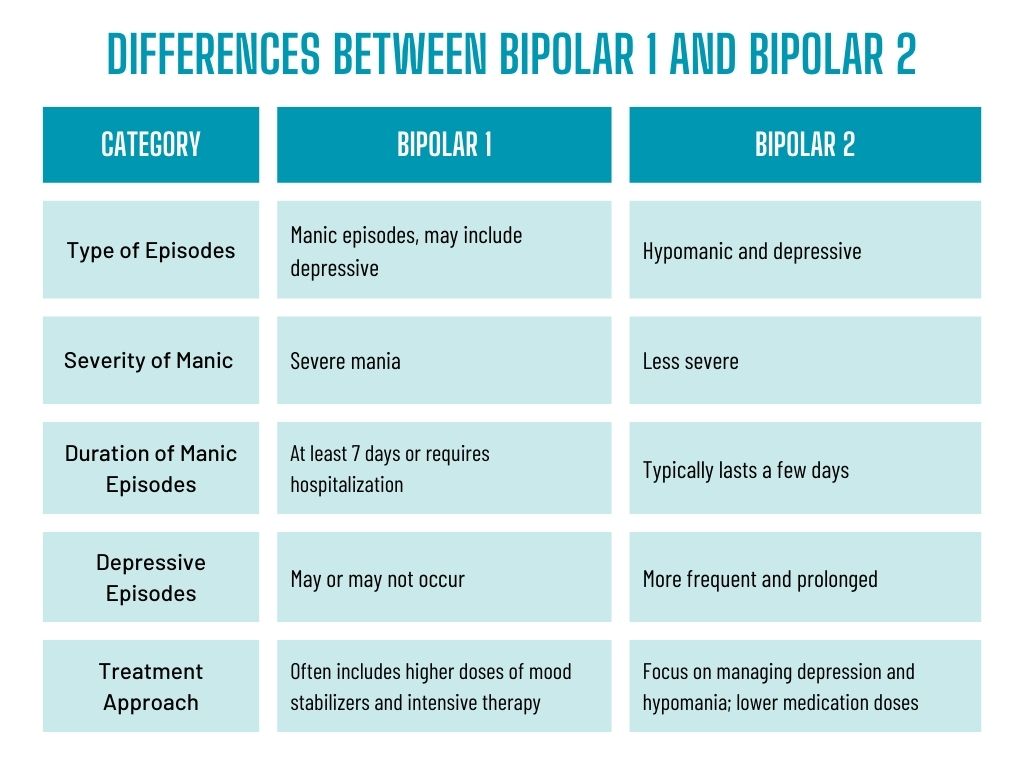
The defining feature of Bipolar I disorder is the occurrence of at least one manic episode. A manic episode is a distinct period of abnormally and persistently elevated, expansive, or irritable mood and abnormally and persistently increased activity or energy, lasting at least one week and present most of the day, nearly every day. During this time, individuals experience a range of symptoms that can significantly impair their functioning.
The Spectrum of Manic Episodes
During a manic episode, individuals may experience an inflated sense of self-esteem or grandiosity, believing they possess extraordinary abilities or importance. Sleep requirements are often drastically reduced; for instance, someone might feel they only need a few hours of sleep or none at all and still feel energetic and alert. Speech can become rapid, forceful, and difficult to interrupt, a phenomenon known as “pressured speech.” Thoughts may race, jumping from one idea to another in a disorganized fashion, referred to as “flight of ideas.”
Distractibility is another common symptom, with attention being easily drawn to irrelevant external stimuli. There can be an increase in goal-directed activity, whether it’s at work, school, socially, or sexually. This increased activity can manifest in ambitious projects, often with little regard for the consequences. Psychomotor agitation, a feeling of inner restlessness and an inability to sit still, can also be present.
Perhaps the most concerning aspect of manic episodes is the increased involvement in activities that have a high potential for painful consequences. This can include engaging in unrestrained buying sprees, sexual indiscretions, foolish business investments, or other impulsive behaviors that can lead to severe financial problems, marital discord, job loss, or legal troubles. In severe cases, manic episodes can include psychotic features, such as delusions or hallucinations, which can further blur the lines between reality and the individual’s internal experience.
Differentiating Mania from Hypomania
It’s important to distinguish manic episodes from hypomanic episodes. Hypomania, while also involving a distinct period of abnormally and persistently elevated, expansive, or irritable mood and abnormally and persistently increased activity or energy, lasts at least 4 consecutive days and is present most of the day, nearly every day. The key difference lies in the severity and duration. Hypomanic episodes are not severe enough to cause marked impairment in social or occupational functioning or to necessitate hospitalization, and there are no psychotic features. While hypomania can be a period of heightened productivity and creativity for some, it can still lead to poor judgment and impulsive decisions, albeit to a lesser degree than full mania.
The presence of at least one manic episode is the diagnostic criterion for Bipolar I disorder. Individuals with Bipolar I may or may not also experience major depressive episodes. However, the hallmark of this disorder is the manic experience.
The Depressive Side: Understanding Depressive Episodes
While mania is the defining characteristic of Bipolar I, many individuals also experience depressive episodes. These episodes can be as debilitating, if not more so, than the manic phases. Major depressive episodes in Bipolar I disorder share many similarities with major depressive episodes in unipolar depression, but their presence and management require careful consideration due to the underlying bipolar nature of the condition.
Symptoms of Depressive Episodes
A major depressive episode is characterized by a persistent feeling of sadness or a loss of interest in activities that were once pleasurable, lasting for at least two consecutive weeks. Other common symptoms include a significant change in appetite or weight, either a decrease or increase, and insomnia or hypersomnia (excessive sleeping). Fatigue and loss of energy are prevalent, making even simple daily tasks feel overwhelming.
Feelings of worthlessness or excessive guilt can plague individuals during depressive episodes, often disproportionate to the actual situation. Concentration difficulties, indecisiveness, and a general inability to think clearly are also common. Psychomotor retardation, a slowing down of thoughts and physical movements, or psychomotor agitation, an inability to sit still and restlessness, can be observed.
Recurrent thoughts of death or suicide, including suicide attempts, are a serious concern during depressive episodes and necessitate immediate professional intervention. The impact of these depressive episodes on an individual’s life can be profound, leading to social withdrawal, occupational dysfunction, and a significant decrease in their quality of life.
The Interplay Between Mania and Depression
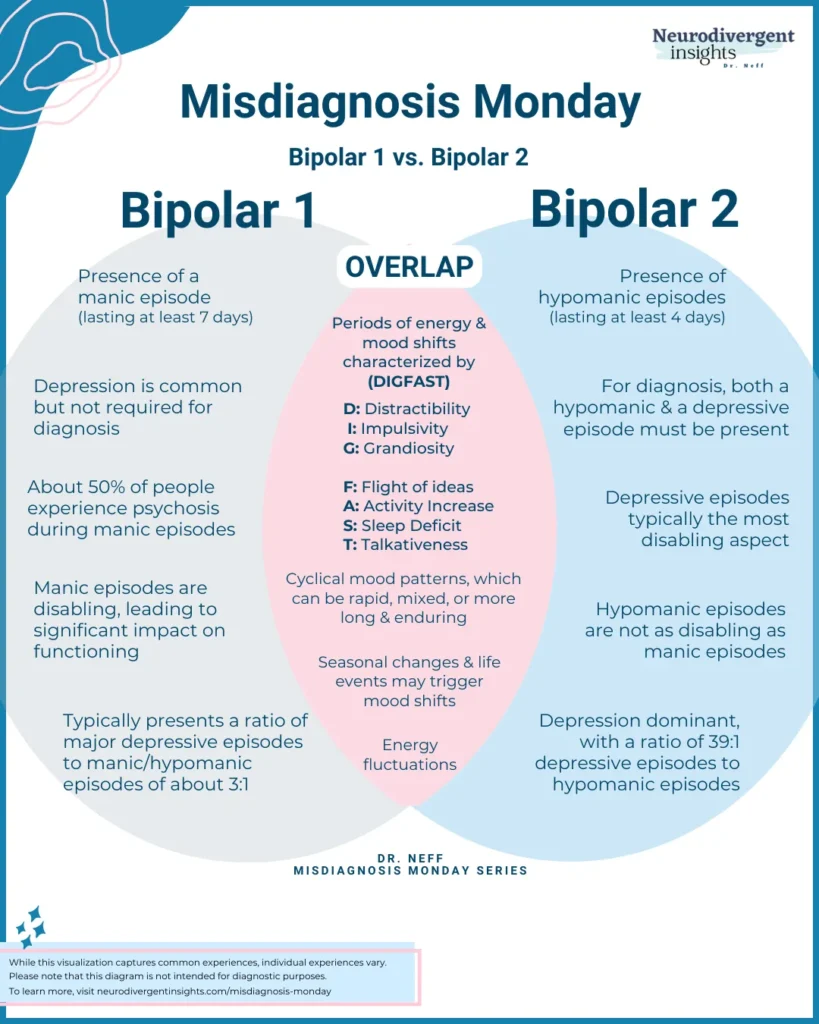
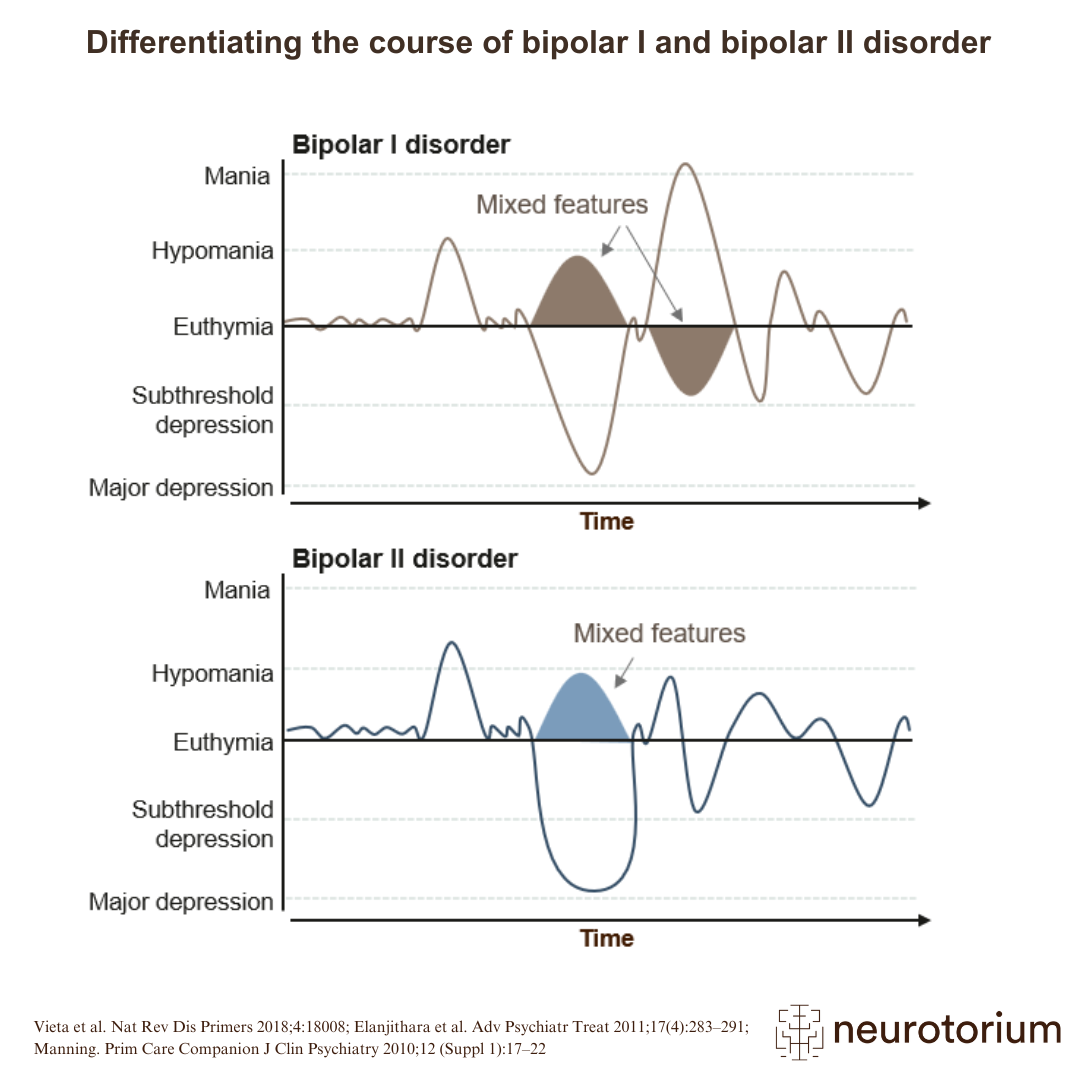
The cyclical nature of Bipolar I means that individuals experience shifts between manic (or hypomanic) states and depressive states. The frequency and pattern of these cycles vary greatly from person to person. Some may experience long periods of stability between episodes, while others may have rapid cycling, with multiple mood swings within a year. The transition between these states can also be abrupt, adding to the unpredictability and challenging nature of the disorder. Understanding this interplay is crucial for effective diagnosis and treatment, as interventions for depression in bipolar disorder can differ from those used for unipolar depression.
Causes and Contributing Factors: Unraveling the Complexity
The exact causes of Bipolar I disorder are not fully understood, but it is believed to be a complex interplay of genetic, biological, environmental, and psychological factors. Research continues to shed light on the intricate mechanisms that contribute to its development.
The Role of Genetics and Brain Chemistry
Genetics plays a significant role in the predisposition to Bipolar I disorder. Individuals with a family history of bipolar disorder are at a higher risk of developing the condition themselves. However, having a genetic predisposition does not guarantee the development of the disorder; it simply increases the likelihood.
Biological factors, particularly imbalances in brain chemicals known as neurotransmitters, are also implicated. Neurotransmitters like dopamine, serotonin, and norepinephrine are crucial for regulating mood, energy, and behavior. Disruptions in the way these chemicals are produced, released, or utilized in the brain are thought to contribute to the mood swings characteristic of bipolar disorder. Furthermore, structural and functional differences in certain areas of the brain have been observed in individuals with bipolar disorder, suggesting a neurobiological basis for the condition.
Environmental and Psychological Triggers
While genetics and brain chemistry lay the groundwork, environmental and psychological factors can act as triggers for the onset or exacerbation of bipolar disorder. Significant life stressors, such as the loss of a loved one, relationship breakdowns, or major financial difficulties, can precipitate mood episodes in individuals who are genetically predisposed. Childhood trauma, abuse, or neglect can also increase vulnerability.
Disruptions in the body’s natural sleep-wake cycle, known as circadian rhythms, have also been linked to bipolar disorder. Changes in sleep patterns can trigger manic or depressive episodes. Substance abuse, including alcohol and illicit drugs, can also destabilize mood and worsen the symptoms of bipolar disorder, sometimes masking or mimicking the symptoms of the illness. Understanding these triggers is vital for developing comprehensive management strategies that address not only the biological underpinnings but also the environmental and psychological influences.
Managing Bipolar I: Treatment and Coping Strategies
Living with Bipolar I disorder is a lifelong journey that requires ongoing management and a comprehensive approach to treatment. While there is no cure, effective strategies can help individuals manage their symptoms, reduce the frequency and severity of mood episodes, and lead fulfilling lives.
The Pillars of Treatment: Medication and Therapy
The cornerstone of Bipolar I treatment typically involves a combination of medication and psychotherapy. Mood stabilizers, such as lithium, valproate, and lamotrigine, are often prescribed to help regulate mood swings and prevent both manic and depressive episodes. Antipsychotic medications may be used to manage psychotic symptoms during severe manic or depressive episodes, and sometimes as a long-term treatment to stabilize mood. Antidepressants may be used cautiously, often in conjunction with mood stabilizers, as they can sometimes trigger manic episodes in individuals with bipolar disorder.
Psychotherapy plays a crucial role in helping individuals understand their condition, develop coping mechanisms, and manage the challenges associated with Bipolar I. Various therapeutic approaches are effective, including Cognitive Behavioral Therapy (CBT), which helps individuals identify and change negative thought patterns and behaviors; Dialectical Behavior Therapy (DBT), which focuses on emotional regulation and distress tolerance; and Family-Focused Therapy (FFT), which educates families about bipolar disorder and improves communication and problem-solving skills within the family unit. Psychoeducation, which involves learning about the disorder, its symptoms, and its treatment, is also an essential component of therapy.
Lifestyle and Self-Care: Empowering the Individual
Beyond professional treatment, lifestyle adjustments and self-care practices are critical for managing Bipolar I. Establishing a consistent sleep schedule is paramount, as disruptions in sleep are a common trigger for mood episodes. Regular exercise, a balanced diet, and avoiding alcohol and illicit drugs can significantly contribute to mood stability.
Developing a strong support system is also vital. This includes connecting with family, friends, or support groups where individuals can share their experiences and receive understanding and encouragement. Learning to recognize early warning signs of mood episodes – subtle changes in energy, sleep, or mood – allows for prompt intervention and can help prevent a full-blown episode. Creating a crisis plan, outlining steps to take if symptoms worsen, is an essential part of managing the unpredictable nature of Bipolar I.
Navigating Bipolar I disorder is a testament to resilience and the importance of comprehensive care. By understanding the nuances of mania and depression, acknowledging the complex interplay of contributing factors, and embracing a multi-faceted approach to treatment and self-care, individuals can effectively manage this condition and strive for a life of stability and well-being.
aViewFromTheCave is a participant in the Amazon Services LLC Associates Program, an affiliate advertising program designed to provide a means for sites to earn advertising fees by advertising and linking to Amazon.com. Amazon, the Amazon logo, AmazonSupply, and the AmazonSupply logo are trademarks of Amazon.com, Inc. or its affiliates. As an Amazon Associate we earn affiliate commissions from qualifying purchases.