
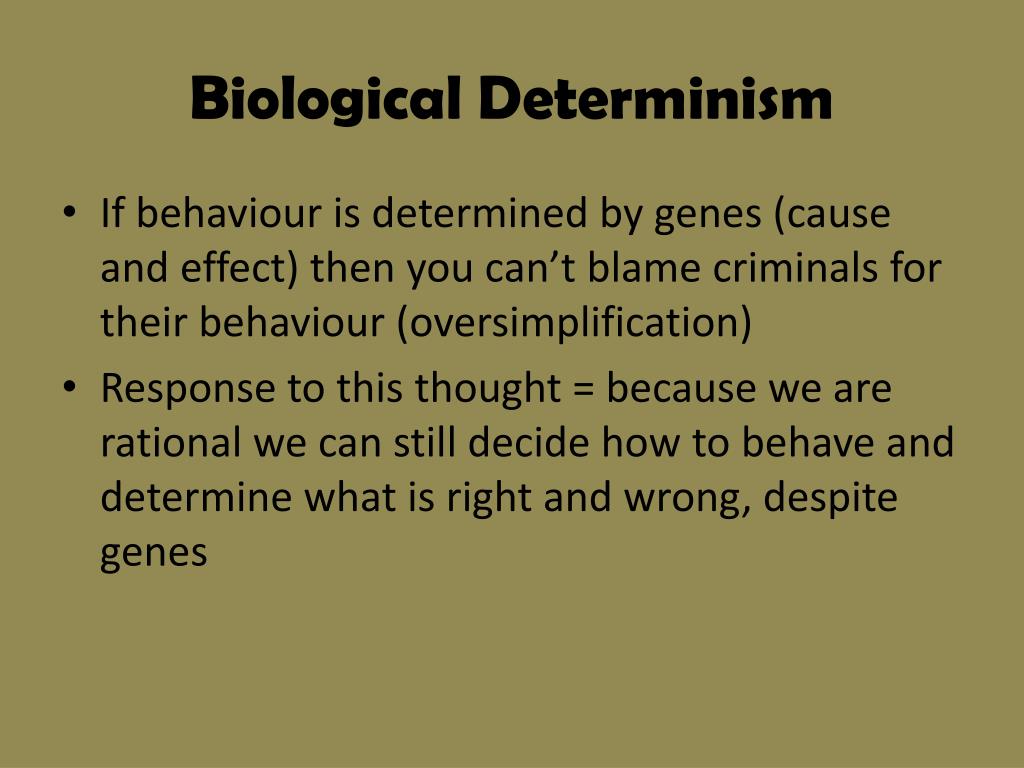
The concept of biological determinism—the idea that human behavior, intelligence, and destiny are governed primarily by our genetic makeup—has long been a subject of intense debate in sociology and science. However, as we move deeper into the 21st century, this ancient debate is being radically transformed by technology. In the tech sector, biological determinism is no longer just a philosophical stance; it is a foundational framework for the development of artificial intelligence, biometric surveillance, and predictive analytics.
By interpreting biological signals as data points, modern software and hardware are creating a new form of “digital determinism.” This article explores how the tech industry is redefining what it means to be biologically “coded,” the tools driving this change, and the ethical implications of trusting algorithms to interpret the essence of human nature.

The Intersection of Bioinformatics and the Digital Blueprint
At the heart of modern technology lies the drive to quantify the unquantifiable. In the realm of bioinformatics, biological determinism is being operationalized through high-speed sequencing and massive datasets. We are witnessing a shift where biology is treated as a software language, and our genetic code is viewed as the ultimate source code for human performance.
The Rise of Genomic Data as the New “Big Data”
Technological advancements in CRISPR and genomic sequencing have turned biological determinism into a computational challenge. Companies like 23andMe or Nebula Genomics utilize complex algorithms to map traits, health risks, and predispositions. In this niche, “biological determinism” refers to the capacity of AI to predict a person’s future health outcomes based solely on their DNA. From a tech perspective, this is the ultimate form of predictive maintenance, applying industrial optimization logic to the human body.
Machine Learning and the Search for Biological Patterns
Machine learning models are now trained on vast repositories of biological information to find patterns that the human eye cannot detect. This has led to the development of “Precision Medicine,” where a patient’s digital twin—a virtual model of their biological data—is used to simulate how they might react to a specific drug. While this technology promises better healthcare, it reinforces a deterministic view: that our recovery, our limitations, and our very survival are pre-written in our molecular data.
Algorithmic Determinism: The Digital Successor to Biology
If biological determinism suggests our genes dictate our lives, “algorithmic determinism” suggests that our digital footprint, analyzed through the lens of AI, dictates our choices. The tech industry has effectively taken the principles of biological determinism and applied them to user behavior and software interaction.
Predictive Analytics and the Illusion of Choice
Every time an AI-driven platform like Netflix or TikTok recommends content, it operates on a deterministic assumption. These algorithms analyze your past interactions—your “digital DNA”—to predict your future actions with startling accuracy. The underlying tech philosophy is that human behavior is not random or even entirely based on free will; rather, it is a series of responses to stimuli that can be mapped, modeled, and manipulated by software.
The Myth of “Hard-Wired” Behavior in UI/UX Design
In the world of App Development and User Experience (UX) design, developers often lean on biological determinism to justify “sticky” or addictive features. By targeting the brain’s dopamine pathways, designers claim they are simply working with “how humans are hard-wired.” This perspective views the user as a biological machine whose buttons can be pushed to maximize engagement. It’s a tech-centric application of the idea that we are slaves to our biological impulses, which software is uniquely positioned to exploit.
The Ethics of Biometric Surveillance and Digital Profiling
One of the most controversial applications of biological determinism in tech is found in biometric security and surveillance. Here, the physical traits of a person are used by AI tools to identify, categorize, and sometimes even judge individuals.
Facial Recognition and the Return of Physiognomy
Modern facial recognition software often utilizes deep learning to identify traits like gender, age, or even “emotional state.” Some radical tech startups have even attempted to use AI to predict criminal tendencies or personality traits from facial structures—a digital revival of the debunked science of physiognomy. This is biological determinism at its most dangerous: using technology to assign a “destiny” or a risk profile to a person based on their physical appearance, often reinforcing systemic biases present in the training data.
Workplace Monitoring and the “Quantified Self”
In the corporate tech world, tools like Microsoft Viva or specialized employee monitoring software track biological markers of productivity. These tools analyze keystrokes, eye movement, and even heart rate in some wearable-integrated environments. The deterministic logic here is that productivity is a measurable biological output. If your “metrics” fall below a certain threshold, the software determines you are inefficient, ignoring the complex social and psychological factors that influence human work.
Breaking the Loop: Technology as an Eraser of Determinism
While much of the current tech landscape reinforces biological determinism, there is a growing movement of developers and researchers using technology to transcend biological limits. This “Transhumanist” tech niche views biology not as a final destiny, but as a starting point that can be optimized or bypassed.
Augmentation, Neuralink, and the Brain-Computer Interface (BCI)
Companies like Neuralink and Synchron are working on technologies that challenge the very idea of biological constraints. By creating high-bandwidth links between the human brain and computers, these technologies aim to allow individuals with paralysis to control devices with their thoughts. This is a direct pivot away from determinism; instead of being limited by a biological “failure,” technology provides a digital workaround, proving that the human mind can operate independently of physical constraints.
Inclusive Design and AI for Accessibility
Technology also acts as an “anti-deterministic” force through inclusive design. AI-powered screen readers, haptic feedback devices for the hearing impaired, and voice-to-text tools ensure that biological impairments do not determine an individual’s ability to participate in the digital economy. In this context, software is the great equalizer, intentionally designed to break the deterministic link between physical ability and social opportunity.
Conclusion: From Nature to Code
As we have seen, the concept of biological determinism has been thoroughly digitized. In the hands of tech giants and software engineers, our genes, our faces, and our neurological patterns have become the latest datasets to be harvested and analyzed. While this “digital determinism” allows for groundbreaking advancements in medicine and personalized technology, it also presents significant risks.
The danger lies in treating AI predictions as absolute truths. When we allow an algorithm to tell us who we are, how we will behave, or what we are capable of based on our biological data, we risk losing the “nurture” side of the human experience. We risk ignoring the capacity for change, growth, and the unpredictable nature of human agency.
The future of technology should not be to confirm our limitations, but to expand our possibilities. As we continue to develop AI tools and biometric sensors, the tech community must remain vigilant against the seductive simplicity of biological determinism. The code we write should empower users to define their own futures, rather than locking them into a destiny determined by their data. Ultimately, the most powerful technology is not that which tells us who we are, but that which helps us become who we want to be.
aViewFromTheCave is a participant in the Amazon Services LLC Associates Program, an affiliate advertising program designed to provide a means for sites to earn advertising fees by advertising and linking to Amazon.com. Amazon, the Amazon logo, AmazonSupply, and the AmazonSupply logo are trademarks of Amazon.com, Inc. or its affiliates. As an Amazon Associate we earn affiliate commissions from qualifying purchases.