
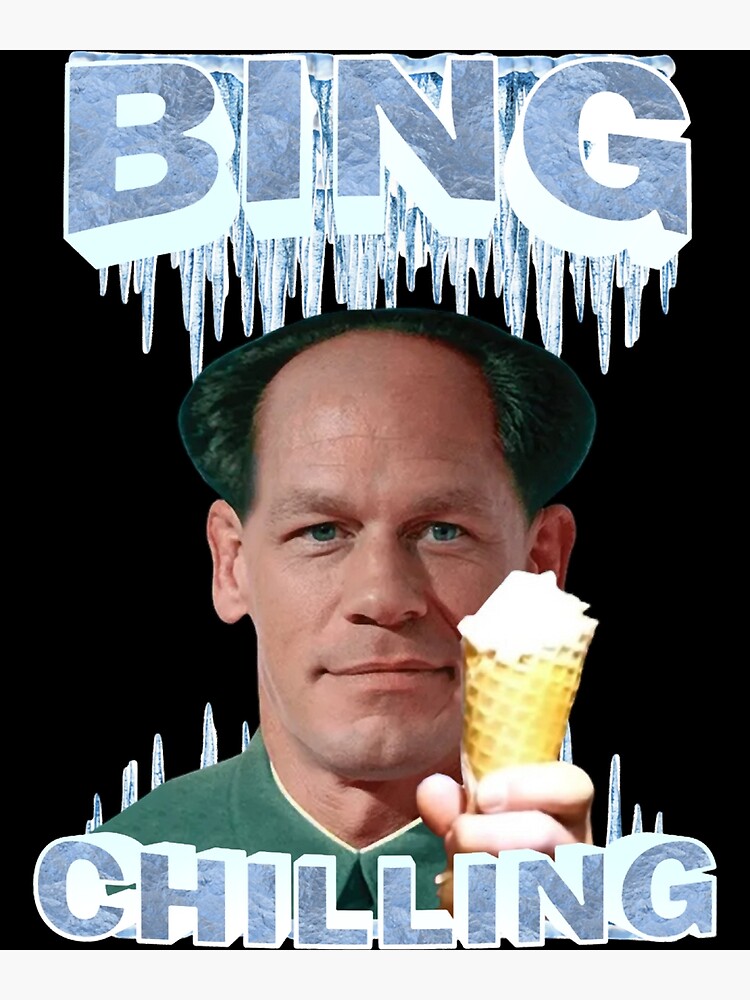
In the modern digital landscape, the intersection of celebrity culture, geopolitical sensitivity, and viral marketing creates a volatile environment where a single phrase can redefine a brand’s trajectory. “Bing Chilling”—a phonetic approximation of the Mandarin word for ice cream (冰淇淋, bīngqílín)—has transcended its literal meaning to become a cornerstone of internet subculture. However, beyond the memes and TikTok filters lies a profound lesson in personal branding, corporate reputation management, and the complexities of international marketing.
The story of “Bing Chilling” is not merely about a professional wrestler-turned-actor eating dessert; it is a case study on how global brands navigate the precarious balance between Western identity and Eastern market demands. By analyzing the origins, the fallout, and the eventual memetic resurrection of this moment, we can extract vital insights into how brand identity functions in an interconnected, hyper-critical global economy.

The Origins of a Viral Moment: Branding in the Global Marketplace
To understand “Bing Chilling,” one must first understand the brand ecosystem of the Fast & Furious franchise. In 2021, Universal Pictures was preparing for the release of F9 (Fast & Furious 9). The franchise is a powerhouse of “Blockbuster Branding,” relying heavily on international box office returns, particularly from China, which has become the world’s most significant theatrical market for Hollywood exports.
The Role of John Cena as a Brand Ambassador
John Cena, a veteran of the WWE, has spent decades cultivating a brand built on “Hustle, Loyalty, and Respect.” Transitioning into a Hollywood A-lister, Cena became a valuable asset for studios looking to bridge the gap between American muscle and global appeal. His commitment to learning Mandarin was a strategic branding move—an effort to present himself as a culturally aware, versatile global icon. When he posted the video of himself sitting in a car, eating ice cream, and singing about F9 in Mandarin, it was intended as “Soft Power Branding”—a friendly, localized invitation to the Chinese audience to engage with the film.
The Localization Strategy
Localization is more than just translation; it is an attempt to resonate with a culture on its own terms. Cena’s “Bing Chilling” video was a textbook example of high-effort localization. By speaking the language and engaging in a casual, relatable activity (eating ice cream), the brand (both Cena and the film) aimed to lower the barrier of entry for foreign audiences. However, as the video began to circulate, the brand strategy was quickly overshadowed by a geopolitical crisis that required an immediate pivot in reputation management.
Navigating Cross-Cultural Brand Identity: The Risks of Geopolitical Positioning
The “Bing Chilling” phenomenon cannot be divorced from the controversy that precipitated its viral status. During a promotional interview, Cena referred to Taiwan as a “country,” a statement that triggered a massive backlash from the Chinese government and nationalist netizens. For a brand like Fast & Furious, which projected hundreds of millions of dollars in revenue from China, this was a catastrophic “Brand Safety” emergency.
The Apology: Crisis Management or Brand Dilution?
In response to the backlash, Cena released an apology video in Mandarin. This moment is where the “Bing Chilling” aesthetic was born. Critics in the West accused the Cena brand of “kowtowing” to foreign political pressure, leading to a perceived loss of brand integrity. Meanwhile, the apology was seen by some in China as a necessary correction.
This highlights a major challenge in modern brand strategy: The Multi-Audience Paradox. A brand move that secures one market can alienate another. Cena’s brand identity, previously synonymous with unwavering American strength, was suddenly perceived as fragile and overly corporate. The lesson here for global brands is the necessity of rigorous cultural and political vetting before executing localized marketing campaigns.
The Financial Stakes of Brand Alignment
Why did the brand pivot so drastically? The answer lies in the numbers. The Chinese box office for F9 eventually reached over $200 million. From a purely fiscal perspective, the reputation management strategy—however awkward it appeared—was successful in safeguarding the film’s primary revenue stream. This demonstrates that in high-stakes corporate branding, financial sustainability often dictates the terms of public relations, even at the cost of the brand’s original persona.

From Controversy to Meme: The Evolution of Digital Brand Sentiment
What began as a localized marketing effort and a subsequent PR crisis eventually evolved into a global meme. The internet has a unique way of stripping context from content, and “Bing Chilling” was transformed from a sincere promotional tool into an ironic, catch-all phrase for internet humor.
The Memetic Lifecycle of a Brand
The transition of “Bing Chilling” into a meme represents a shift from “Controlled Branding” to “User-Generated Branding.” Once the video hit platforms like TikTok and YouTube, the Fast & Furious marketing team lost control of the narrative. However, this loss of control resulted in a massive spike in brand awareness. Users who had no interest in the film or the controversy were suddenly exposed to the “John Cena brand” through the lens of the “Bing Chilling” audio.
The “Ironic Reclaiming” of Personal Identity
John Cena’s personal brand eventually benefited from this memetic evolution. Instead of fighting the meme or remaining silent, Cena leaned into his new identity as a digital icon. By embracing the humor, he successfully pivoted from a figure of political controversy back to a figure of entertainment. This is a crucial strategy in “Personal Brand Resilience”: if you cannot erase a negative or awkward moment, you must re-contextualize it until it becomes a brand asset rather than a liability.
Lessons for Modern Marketers: Authenticity and Adaptability in Brand Strategy
The “Bing Chilling” saga provides a blueprint for how brands should—and should not—approach global expansion and crisis management in the 2020s. As digital boundaries continue to blur, the lessons learned from Cena’s ice cream video remain highly relevant.
1. The Necessity of Cultural Intelligence (CQ)
High “Cultural Intelligence” is mandatory for any brand operating on a global scale. It is no longer enough to speak the language; brands must understand the historical and political sensitivities of the regions they enter. The “Bing Chilling” controversy was an avoidable error that resulted from a lack of political foresight. Brands must invest in regional experts who can navigate the nuances of “Geopolitical Branding.”
2. The Power of Vulnerability in Reputation Management
While Cena’s apology was criticized for its content, his delivery—humble, direct, and in the target audience’s language—was a masterclass in brand vulnerability. In an era of “Cancel Culture,” brands that offer sincere, localized apologies often fare better than those that issue cold, legalistic statements. The human element of the Cena brand remained intact because he took personal responsibility on camera.
3. Embracing the Unpredictability of Social Media
Modern brand strategy must account for “Viral Volatility.” You cannot predict what will become a meme, but you can prepare to react to it. The longevity of “Bing Chilling” shows that a brand’s greatest moments of engagement often come from the most unexpected places. Marketers should be agile enough to lean into these moments, using them as opportunities to humanize the brand and connect with younger, digitally-native demographics.
4. Authenticity vs. Performance
The core tension of “Bing Chilling” was the perceived lack of authenticity. When Cena spoke Mandarin to sell ice cream and a movie, it felt like a performance. When he apologized, it felt like a corporate mandate. For long-term brand health, authenticity is the most valuable currency. Brands must ensure that their localized efforts feel like a natural extension of their core values rather than a desperate attempt to capture a market.
Conclusion: The Legacy of Bing Chilling in Brand Theory
“Bing Chilling” is more than just a phrase; it is a symbol of the modern branding era. It represents the collision of global commerce, digital humor, and the complex reality of being a public figure in a multi-polar world. John Cena’s journey through this viral phenomenon serves as a reminder that a brand is a living, breathing entity that must constantly adapt to its environment.
For corporations and personal brands alike, the takeaway is clear: the global market offers immense opportunities for growth, but it requires a sophisticated understanding of cultural context and a resilient strategy for managing the inevitable “viral” moments. Whether it is an ice cream cone in a car or a high-level corporate apology, every interaction is a building block in the architecture of a brand’s legacy. In the end, “Bing Chilling” taught us that while you may start out trying to sell a movie, you might end up defining an entire era of internet culture—and your brand must be ready for both.
aViewFromTheCave is a participant in the Amazon Services LLC Associates Program, an affiliate advertising program designed to provide a means for sites to earn advertising fees by advertising and linking to Amazon.com. Amazon, the Amazon logo, AmazonSupply, and the AmazonSupply logo are trademarks of Amazon.com, Inc. or its affiliates. As an Amazon Associate we earn affiliate commissions from qualifying purchases.